This June, I finally visited the Land of the Rising Sun. It had always been on my bucket list, but I finally decided to take a gamble and visit the country solo with no friend to be found there. Of course if I had to count the only Japanese person I ever really got to know in my life, there was Akiko from Kyoto whom I met while doing a module at the University of Bristol. But I have since lost touch with her since 2014, and I didn’t think it would be appropriate to spring up in someone’s life. So here I was, brave as a lion starting a new adventure in a foreign land.
As a person who has a genuine love affair with museum, I decided to start with one to get an introduction to Japanese culture and art. Deciding to skip the trendy digital museums, I headed straight for National Museum of Tokyo. I congratulated myself at the end of the visit because it was a solid choice. I have to make a disclaimer that due to my own education predilection towards European art, I will be making some comparisons here with my own prior experience because ironically , I have never immersed myself in the art of Asia on such a level before and I have to say that I got way more than I paid for (1000 yen).
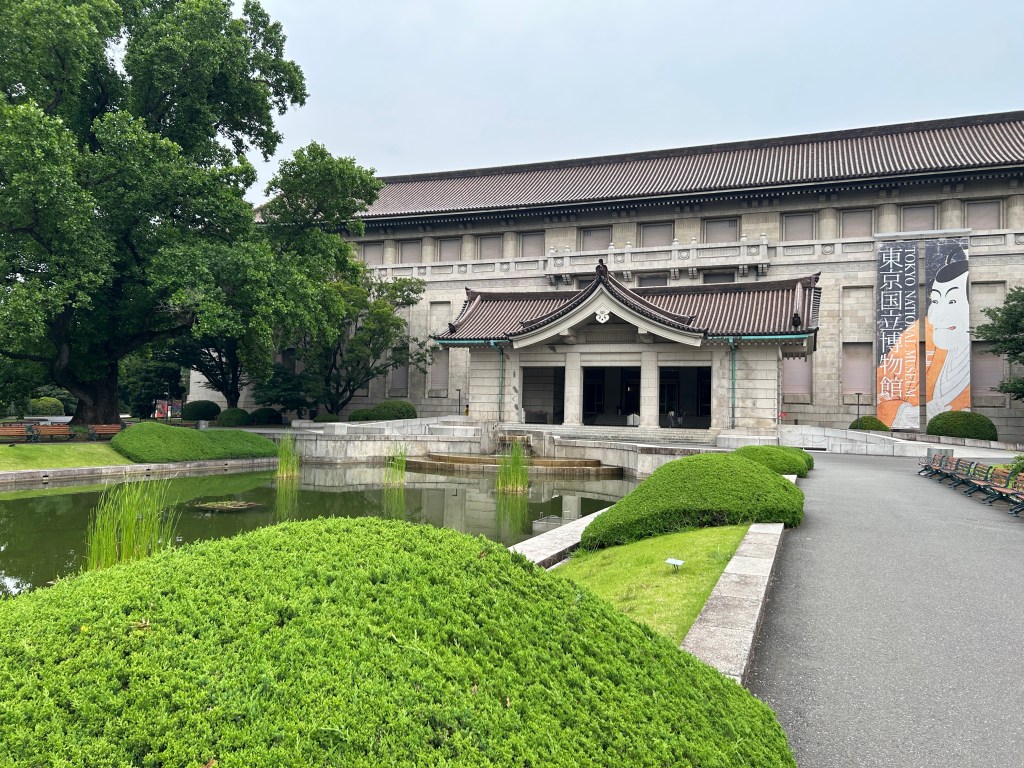
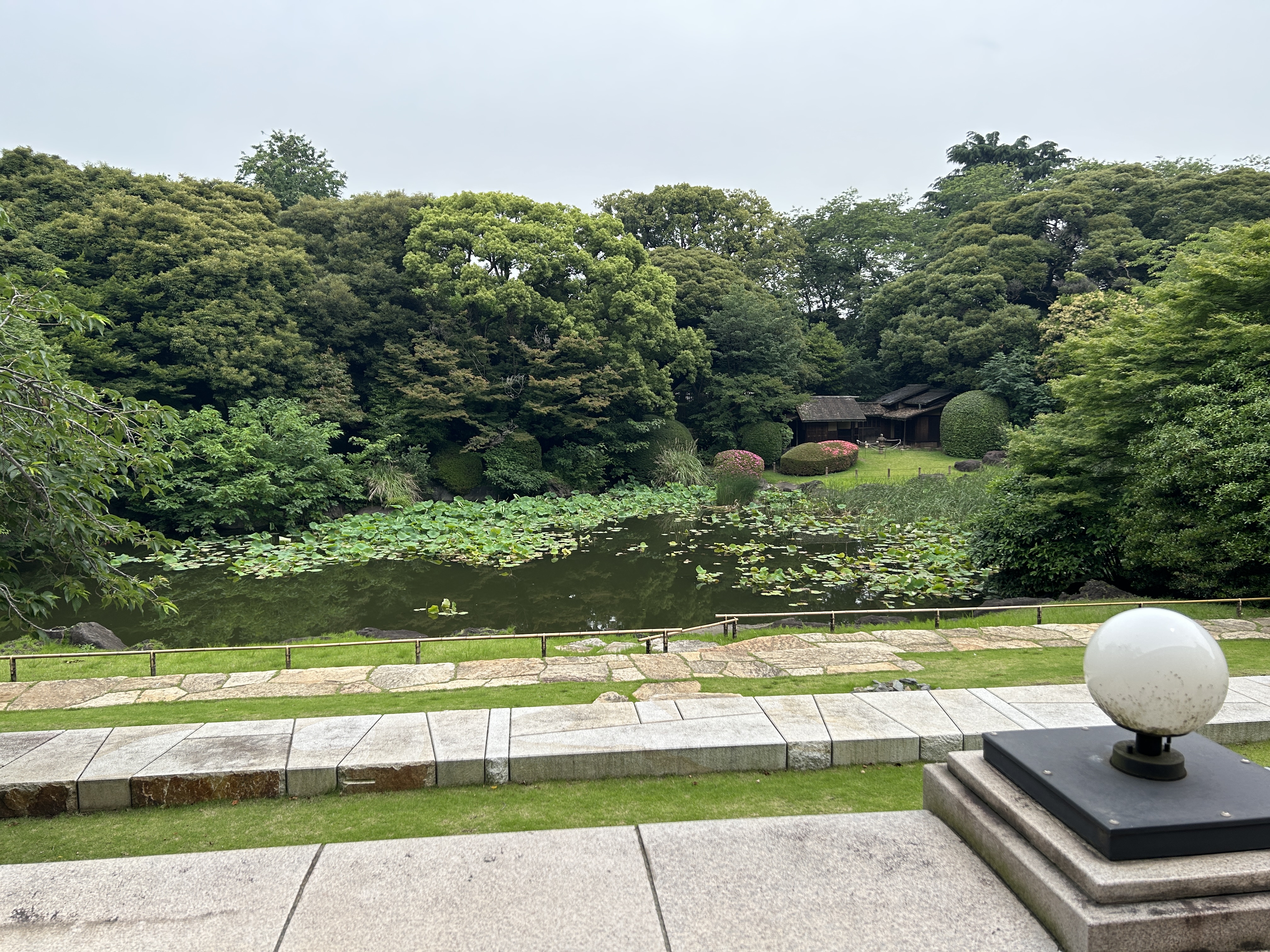
I took a nice leisurely walk through the serene and vast Ueno Park to reach the museum. Just before my arrival, I came upon this beautiful fountain right at the entrance of the place. After purchasing my tickets I walked ahead and found yet another beautifully manicured garden complete with a pond that lead inwards toward the museum building. Apologies if I digress. I just wanted to point out that there is a lot to be said about the water features in Japan. My experience with such water features here almost formed a parallel with Italy, but that is another story for another blog post:).
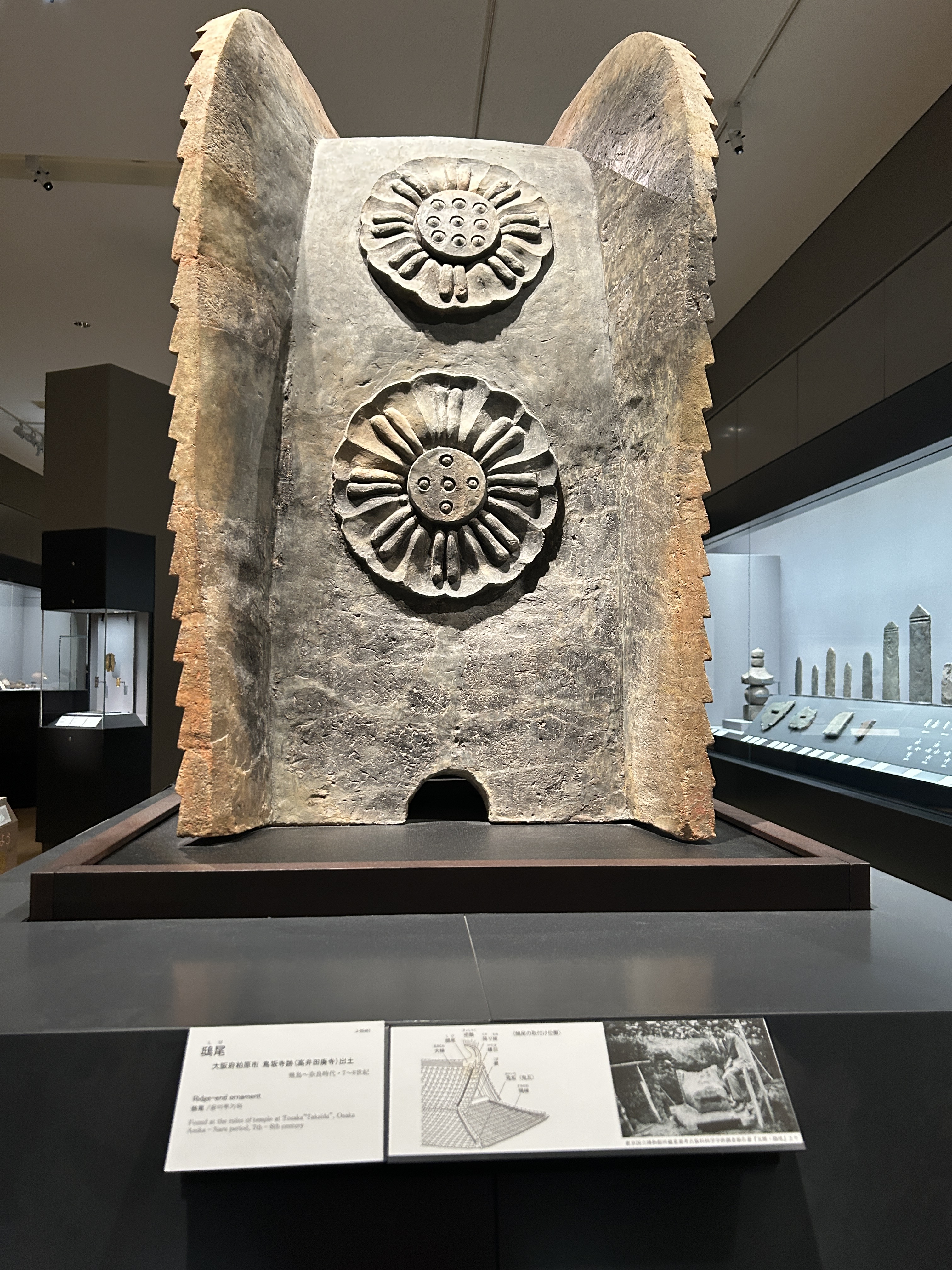
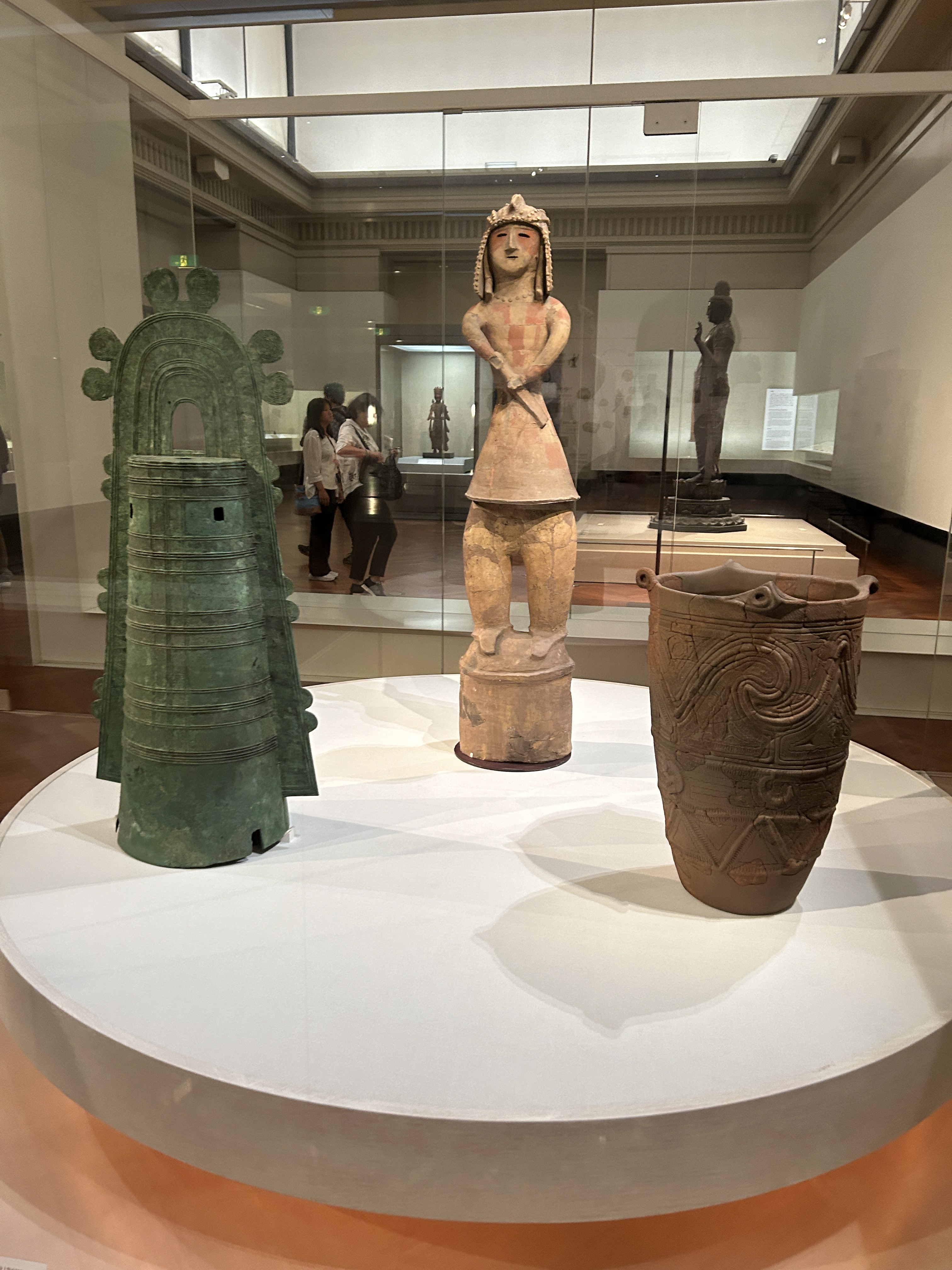
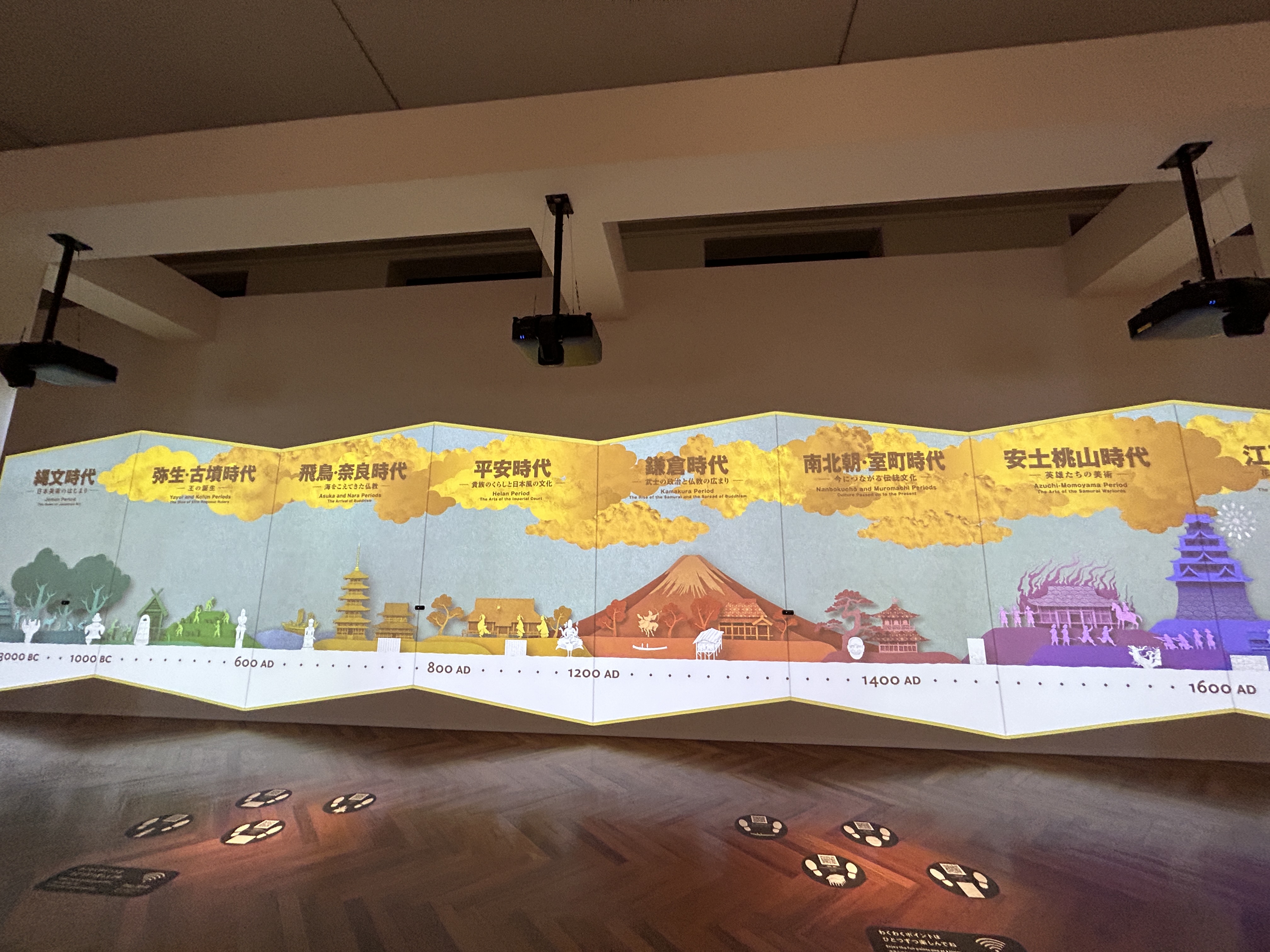
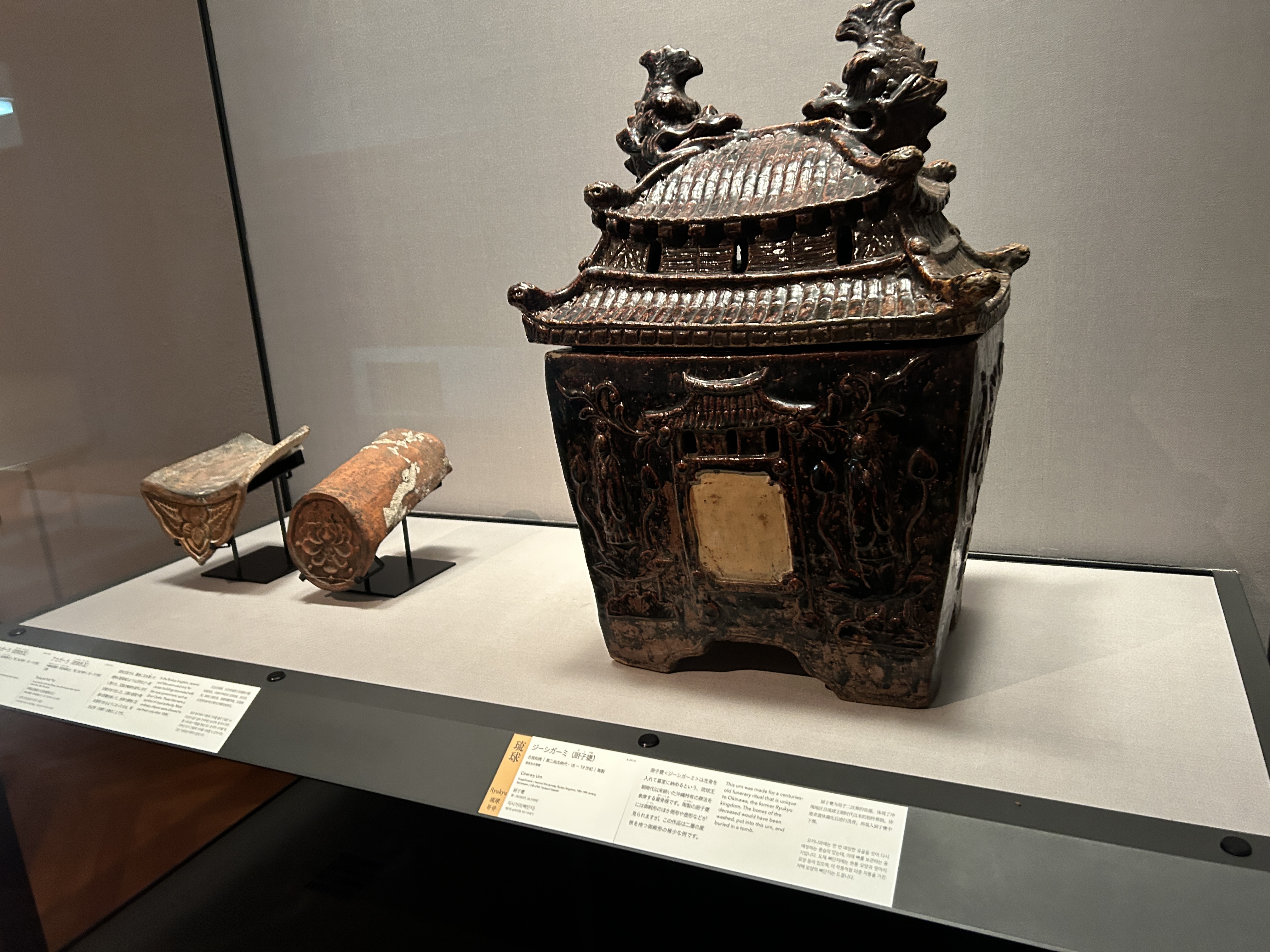
The main building with the Japanese exhibits were categorised into the different dynasties and time periods. I was greeted with sculptures, ceramics and archeological digs which immediately brought to mind the three very components that are so very central to Ancient Greek collections.
The very first thing I observed about this museum was that certain exhibits on display could not be photographed. The approach I have encountered is usually pretty standard when it comes to exhibitions; photography is usually fully prohibited or allowed throughout the whole experience. So I have to apologise in advance if I unwittingly took or uploaded a picture that should not be shown as I am not entirely sure if I missed one of the signs on any display that disallows any form of photo-taking.
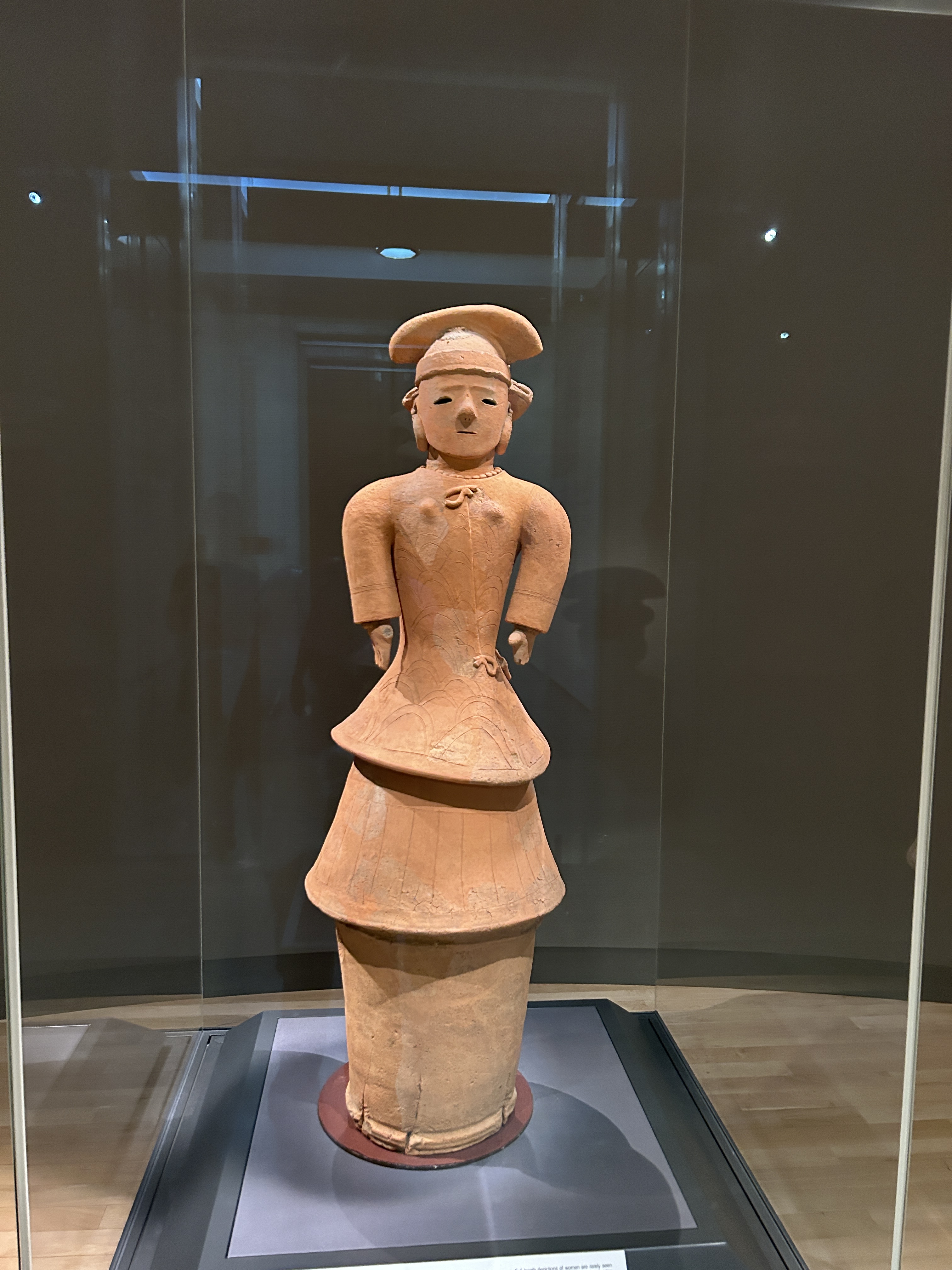
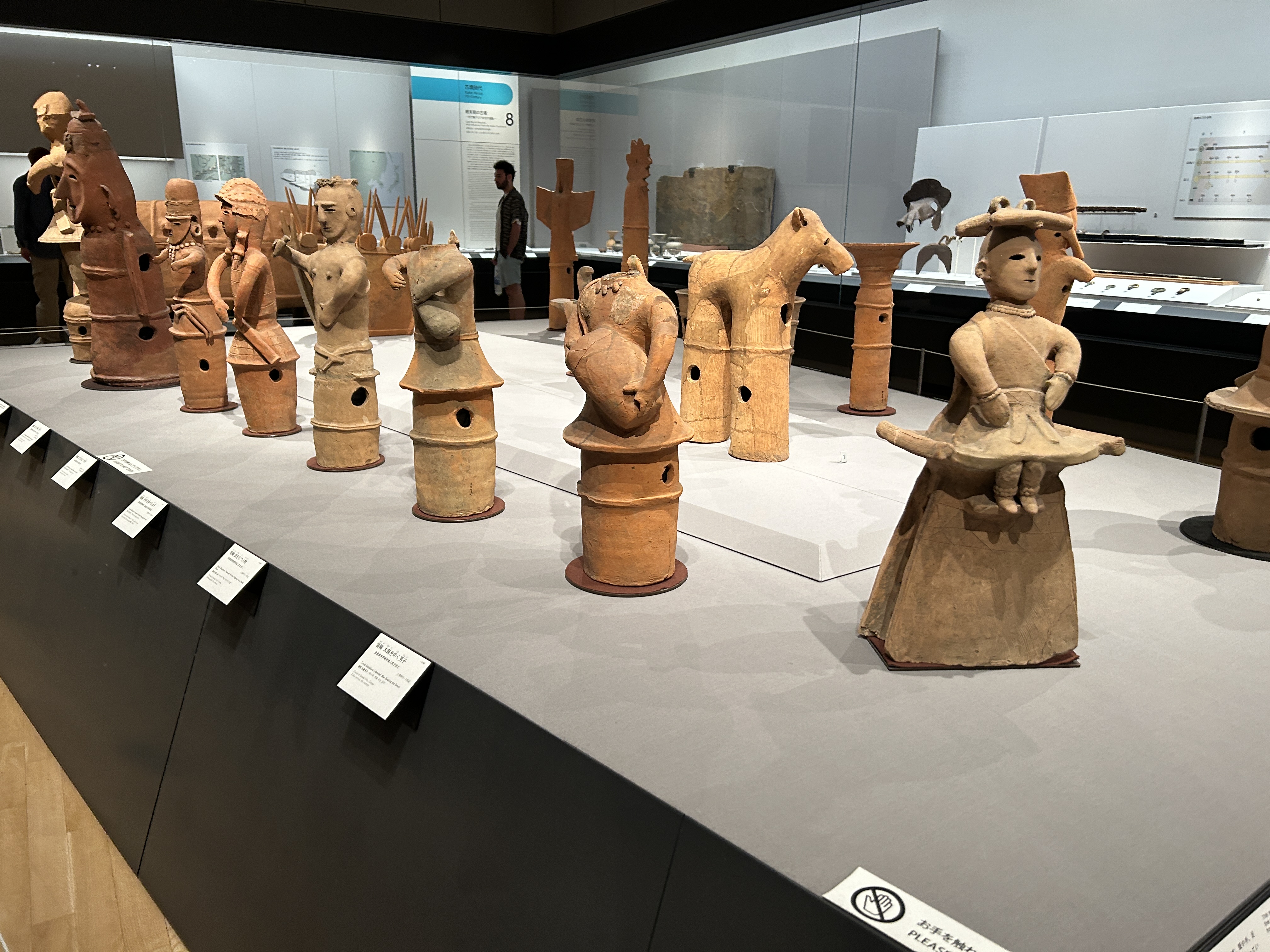
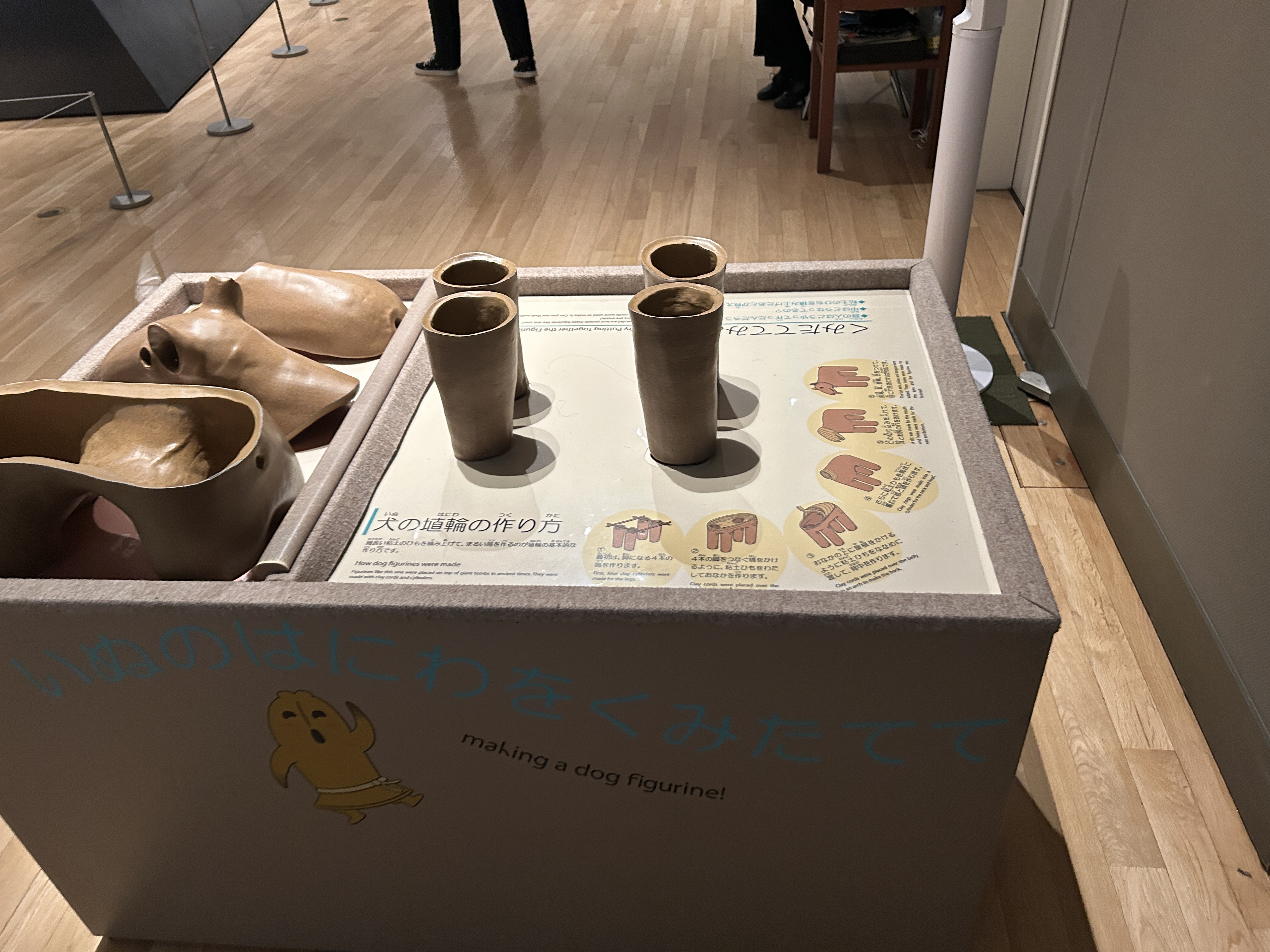
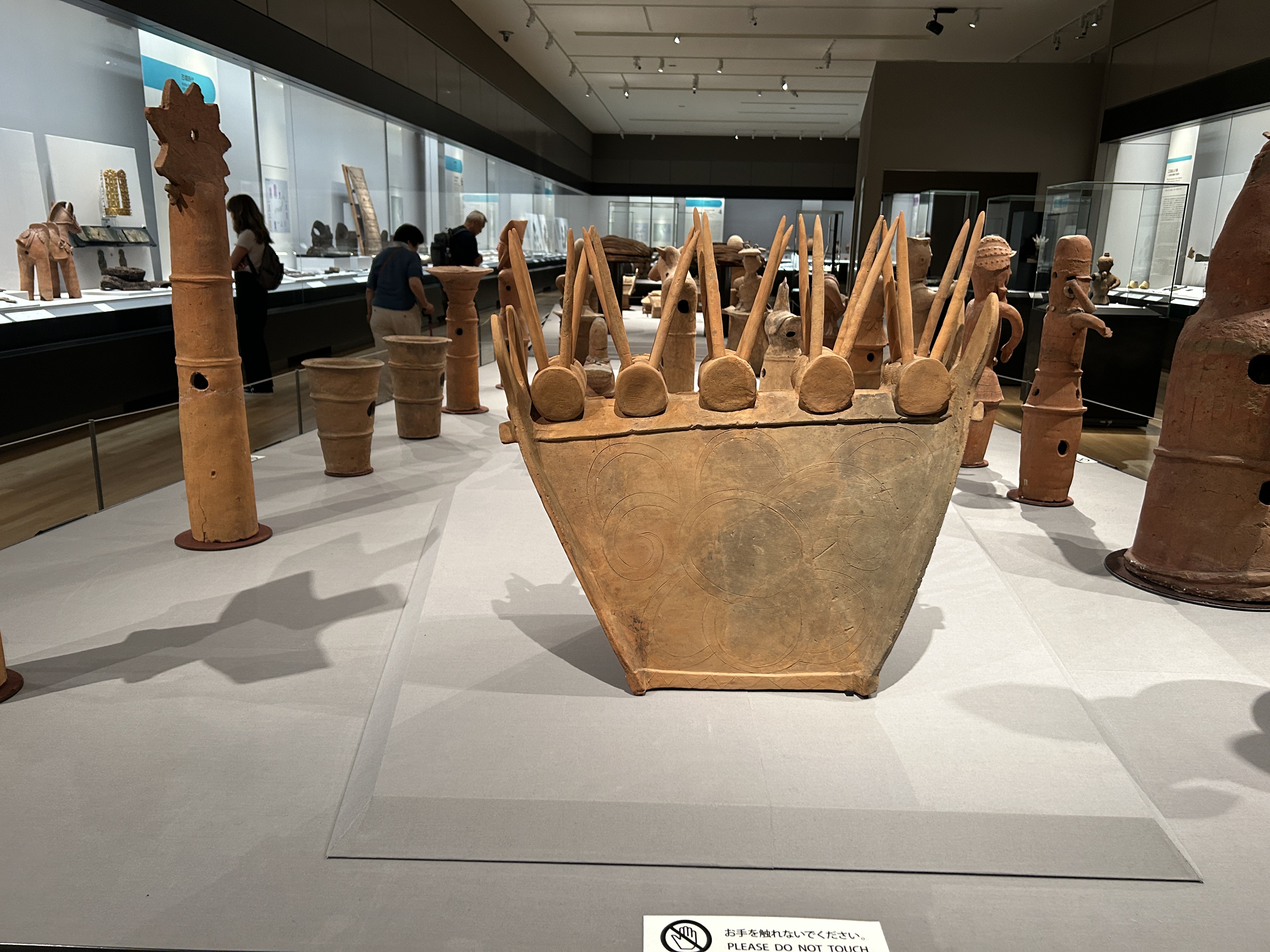
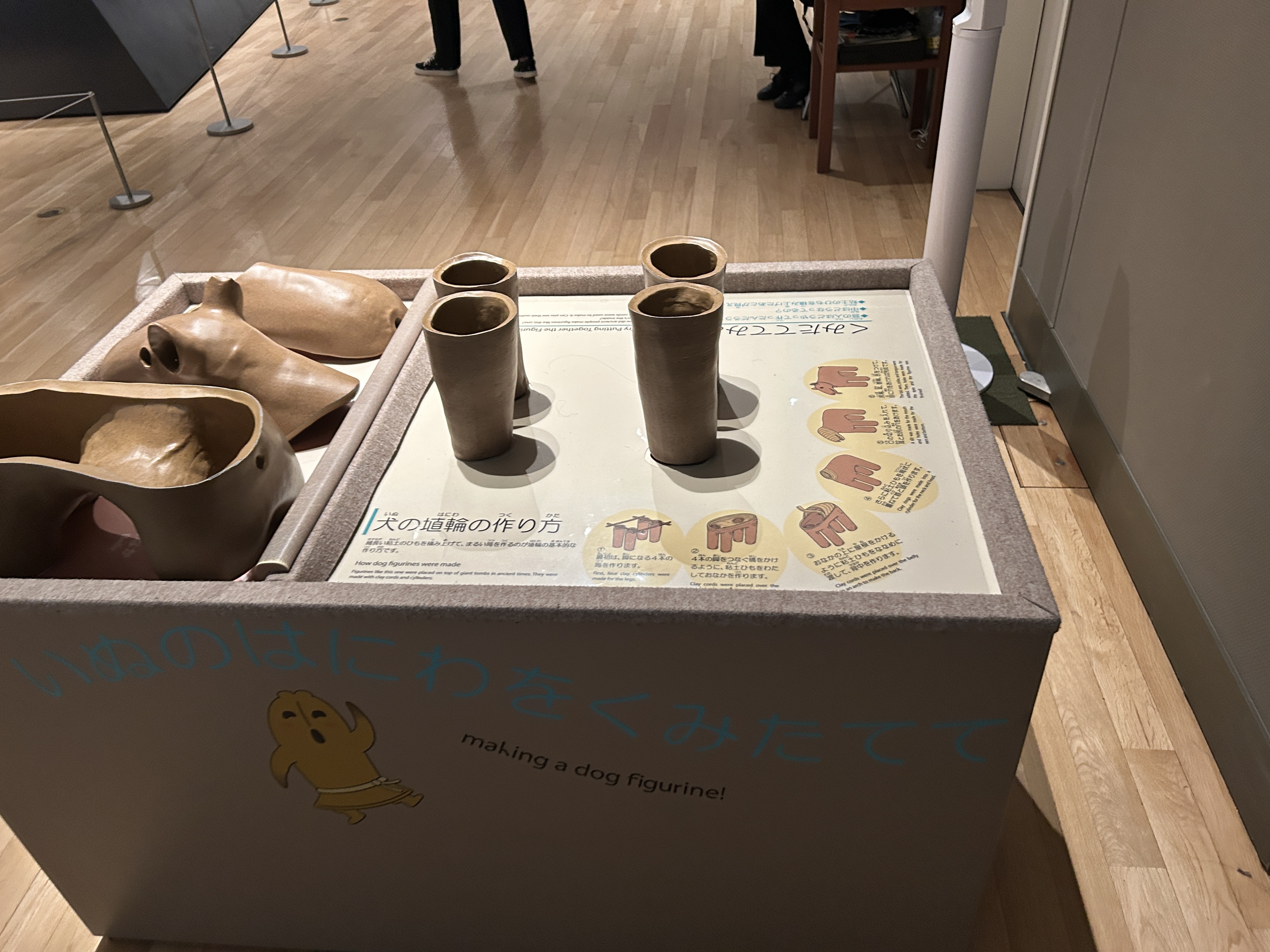
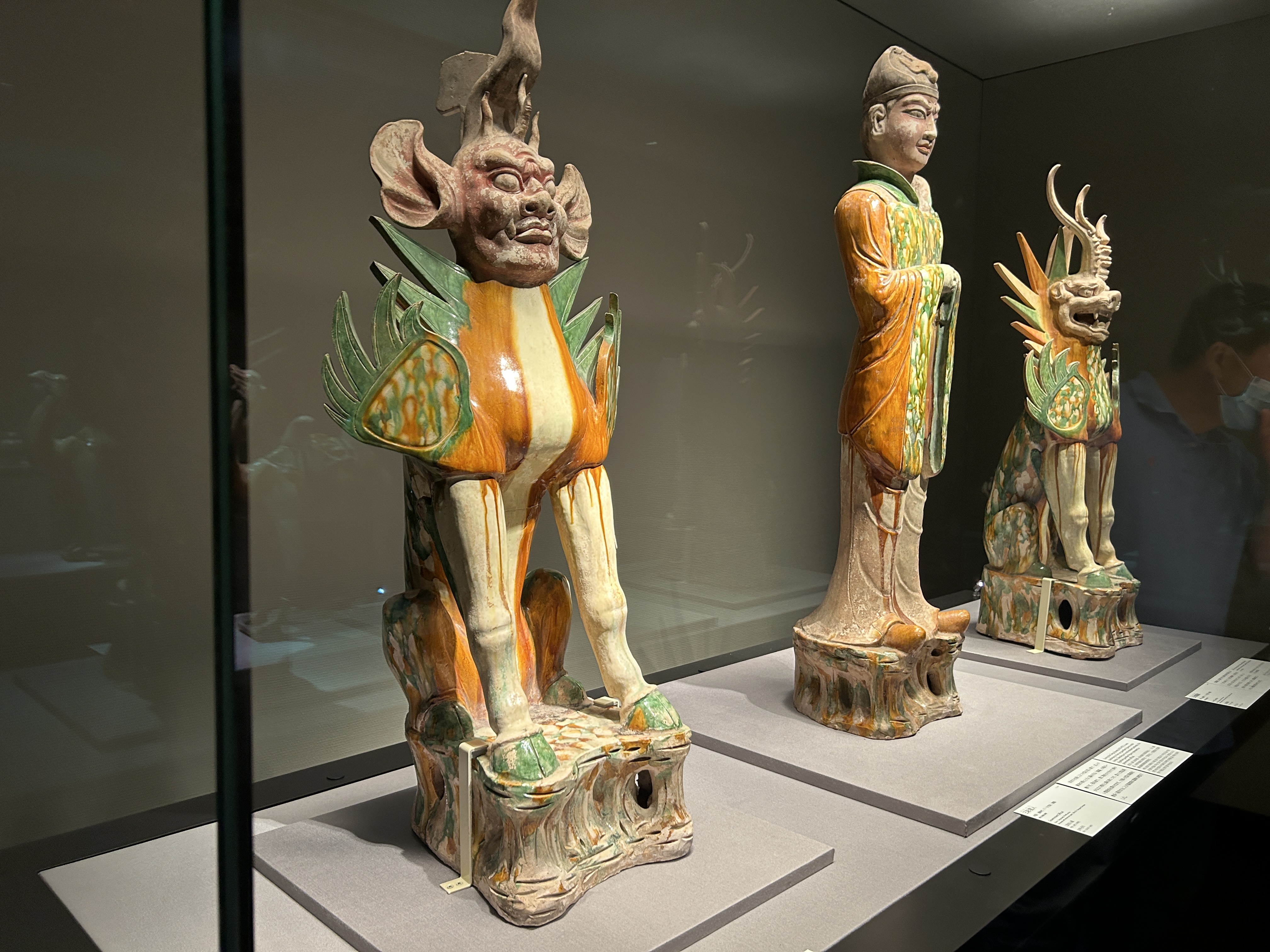
As I meandered around the displays, I took in an impressive array of terracotta sculptures which occupied a pretty prominent spot in the exhibition. Of course, since death was always such a big part of the human condition, seen in Roman sarcophagi, Egyptian pyramids and other funerary monuments and artefacts, their very counterparts are also key in Japanese history. Terracotta tomb figurines (haniwa) made in the likeness of the diversity of animals in Japan during the Kofun period, and the museum contained a great array of these memorial sculptures in earthy tones.
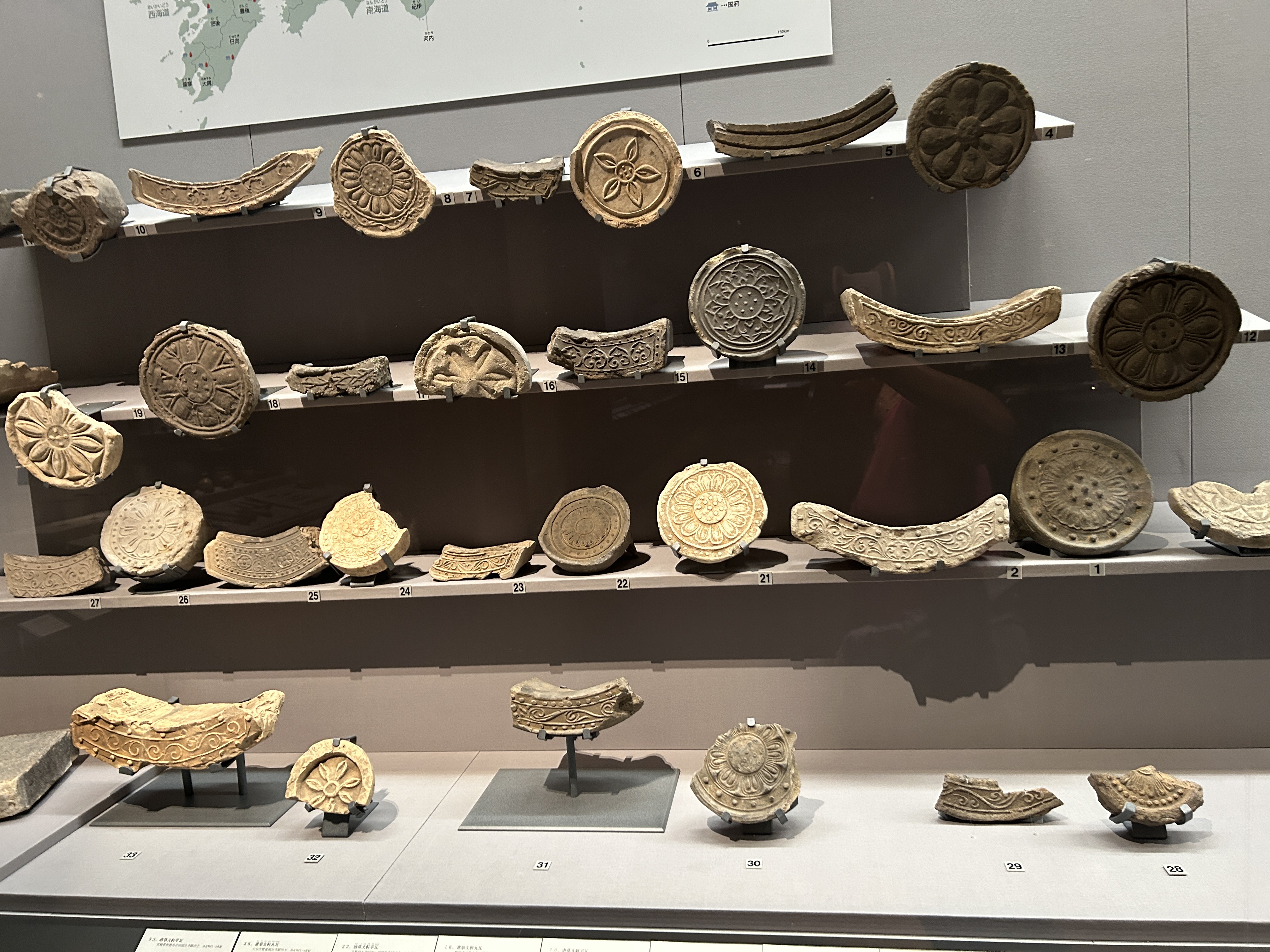
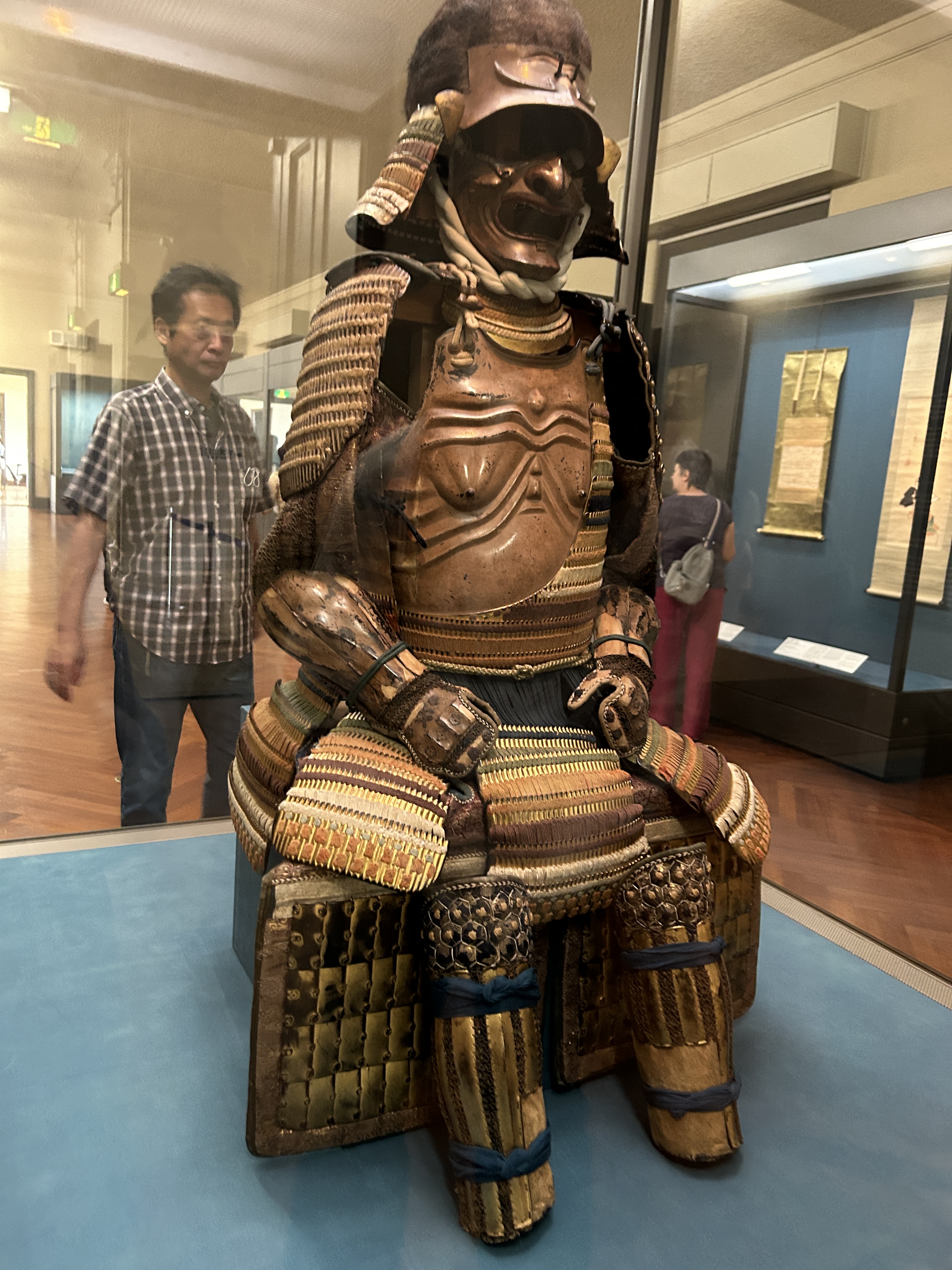
Swords, religious statues and armours were entirely new to me (as mentioned, I don’t have that much experience in Asian Art and culture), and they were really an eye-opener. The only time I really saw any display of Asian artefact on such a level was ironically in Venice’s Oriental Art Museum. The influence of China and Korea greatly shaped the early beginnings of Japanese culture, and I was never really so aware of this large extent until this educational opportunity during this visit. Well, the museum is there to educate and you learn something new everyday right? I guess one already very telling sign of the great impact from China was finding all three characters of my Chinese name on Japanese signboards, which greatly thrilled me, to tell you the truth.
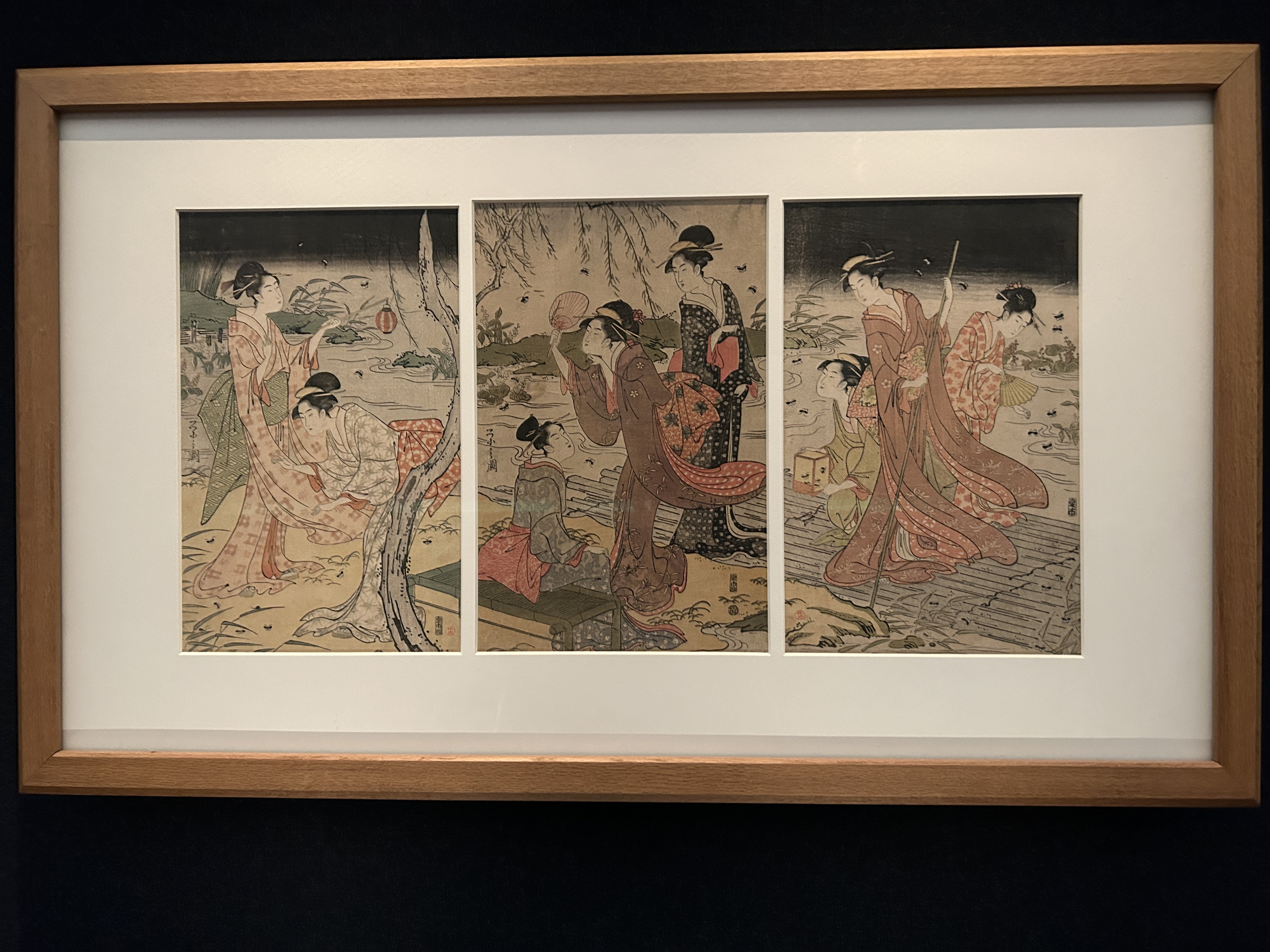
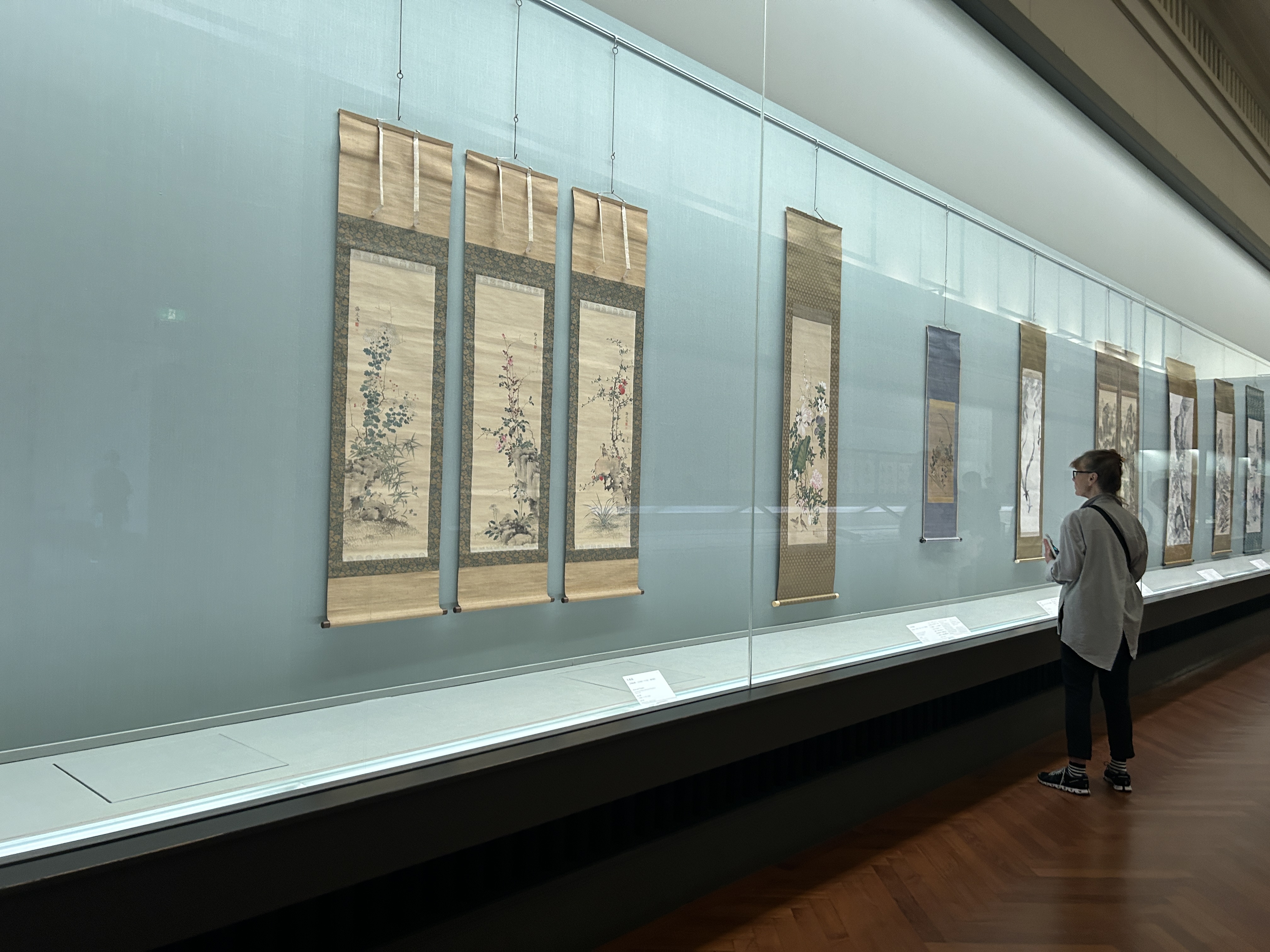
Moving forward towards the modern era within the chronologically arranged display, Japanese art came to be quite established by this time period. The most important takeaway I got from this section was that Japanese art very much considered ornaments and furniture such as screens and other type of functional furniture to be considered under the umbrella term of Art, but the problem was this was not a mindset that was central to the Europeans at that point of time. This was probably before the age of Marcel Duchamp who started to question the whole idea of what Art even was- was it supposed to be utilitarian or just decorative? Could it be both?
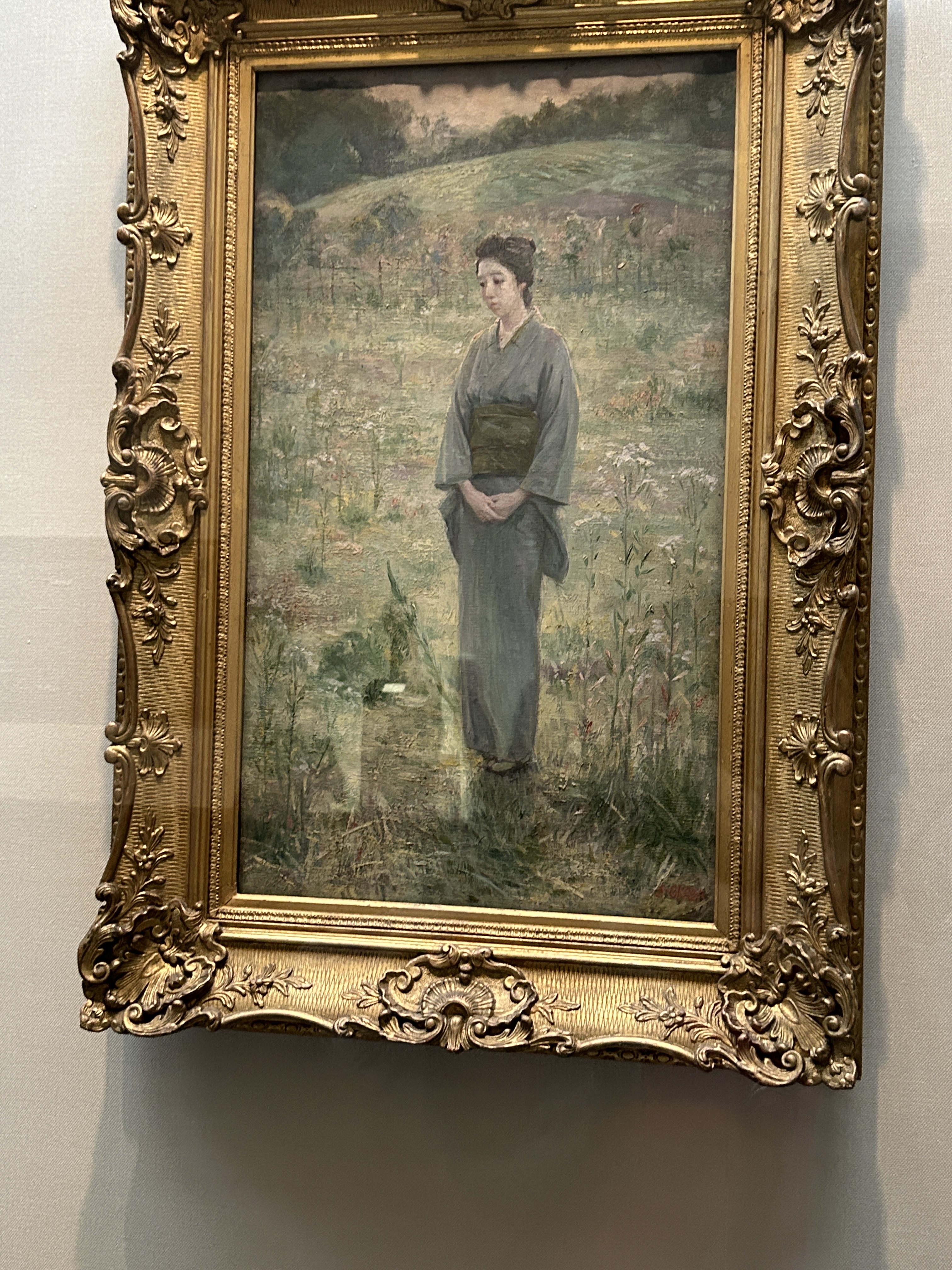
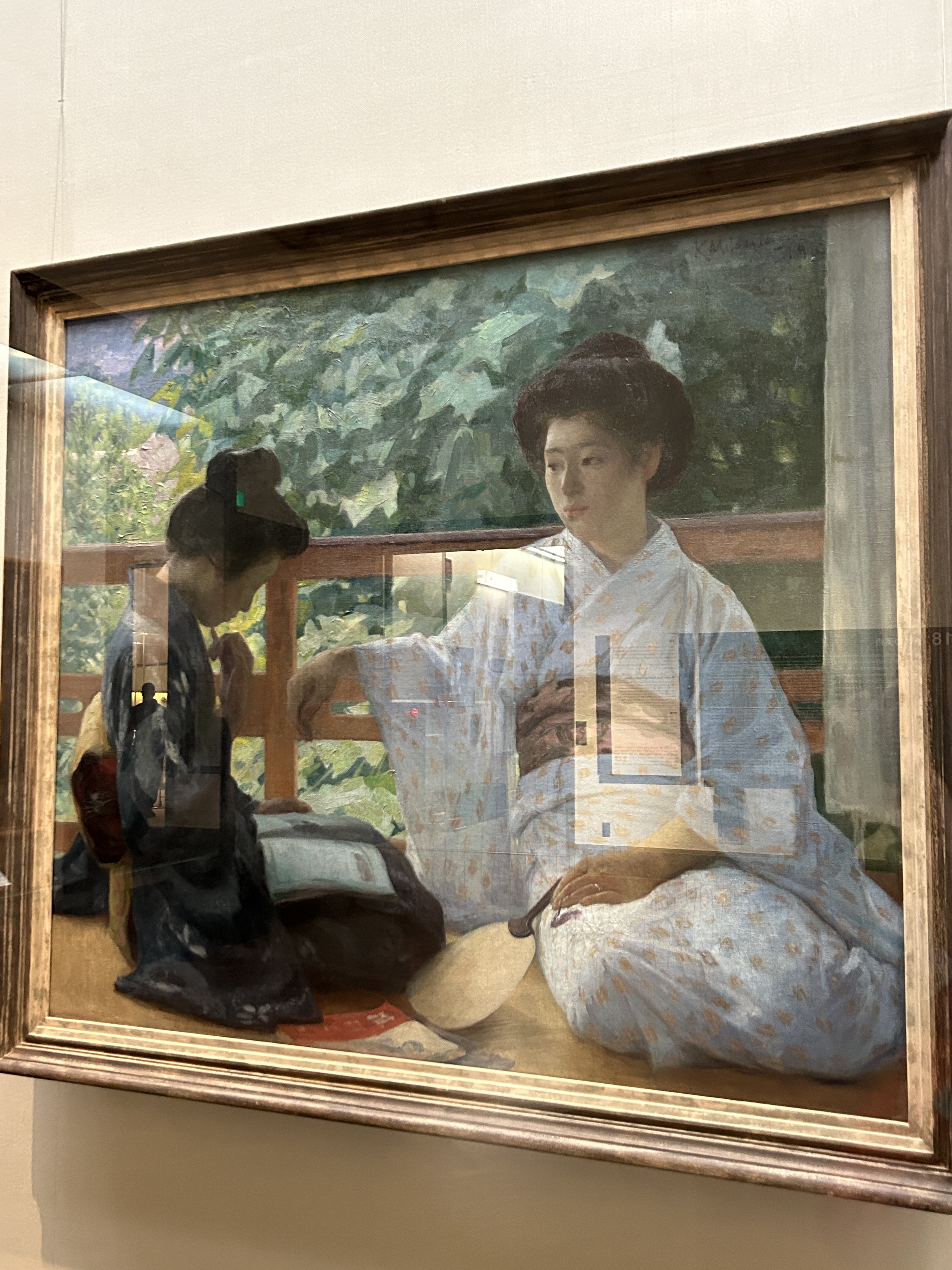
As Japan began to welcome the world culturally, they also began to integrate elements of their foreign equivalent. Imagine my surprise when I found a painting perched proudly on a wall that greatly resembled Claude Monet’s Woman with Parasol, complete with a surprising twist -the model was Japanese. It is highly interesting to see Japan’s assimilation of by the European ideals in art as the French Impressionist Claude Monet himself was immensely inspired by the Japanese culture, their gardens in particular.
I mean, looking at the gardens in Japan, it is really no wonder as to why the French master would be so enamoured that he tried to recreate one in his very residence or churned out a whole series based on them. Gardens are ubiquitous in Japan , and I never once found any that I chanced upon to be lacklustre or underwhelming. Even the garden in the very museum itself was absolutely stunning! I could see the appeal from both ends, and how an almost interactive dialogue on art was formed between Japan and the West.
On a side note, I just discovered from writing this blogpost after finishing my entire trip in Japan that there exists the most gorgeous Monet’s Garden Marmottan in Kitagawa Village that ‘expresses the world view’ of the French artist. It is an opportunity to literally be able to walk into a painting of Monet. I am kicking myself, but hey, another reason to visit Japan again I guess. Take note if you are planning a trip there, and please send me some pictures.




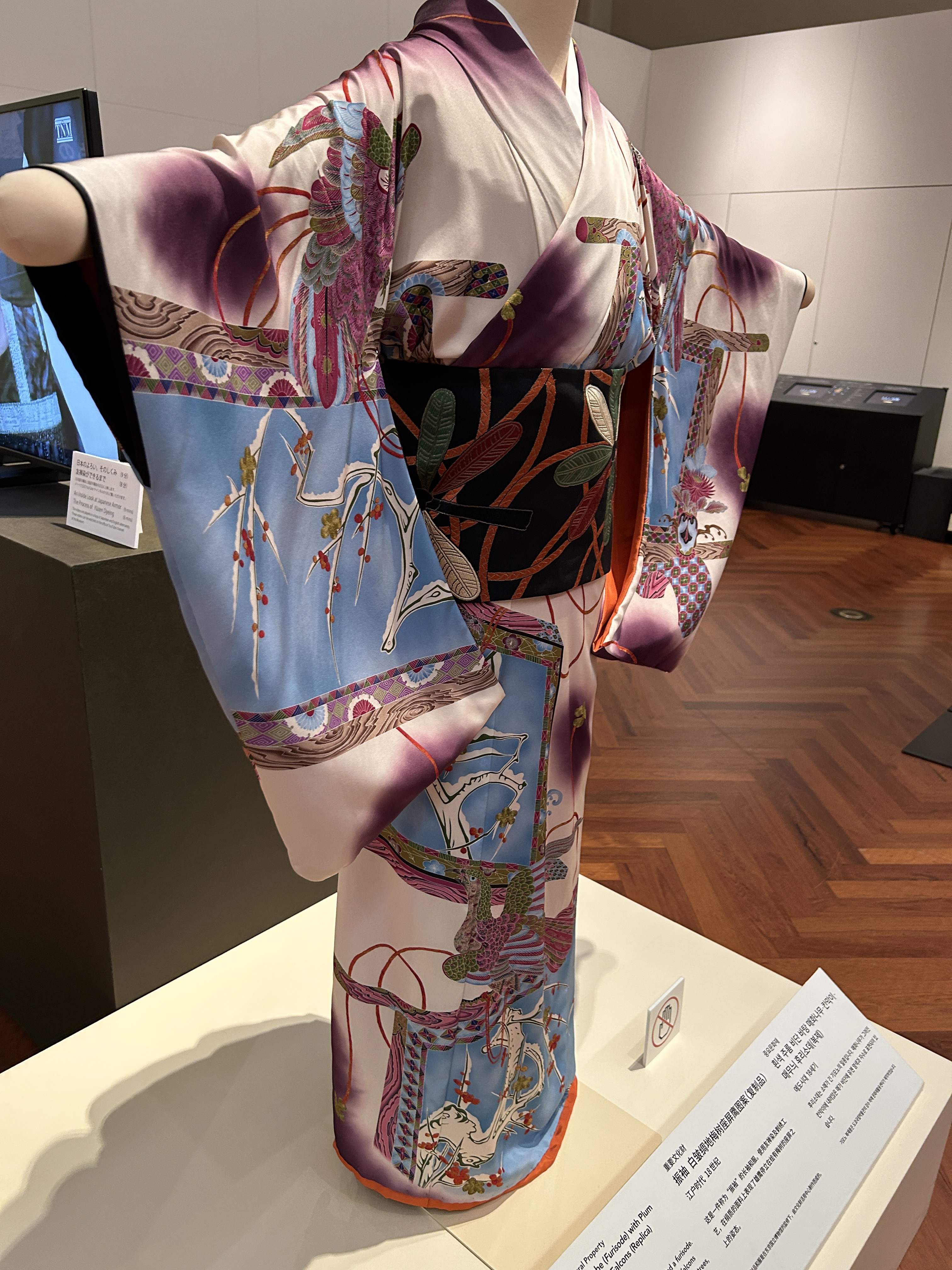

With the East Asian country’s embrace of Europe’s style saw the term ‘Yoga’ which was a type of western style painting in Japan which grew as consequence of Japanese painters travelling to far flung lands in Europe such as Italy and France to study Western subject matter and techniques. In the early 19th century and 20th century , Yoga was at its peak as artists became highly confident and individualistic.
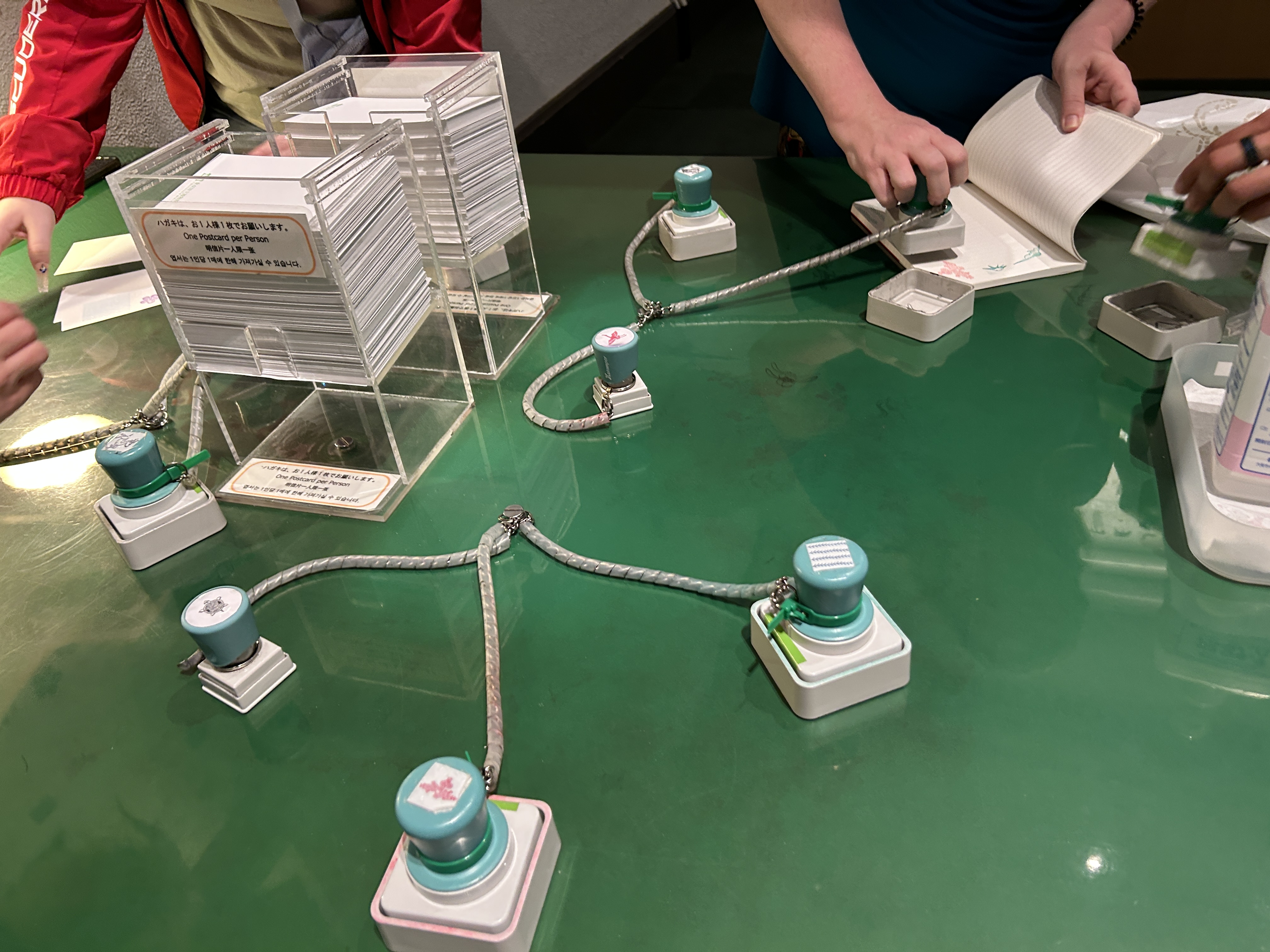
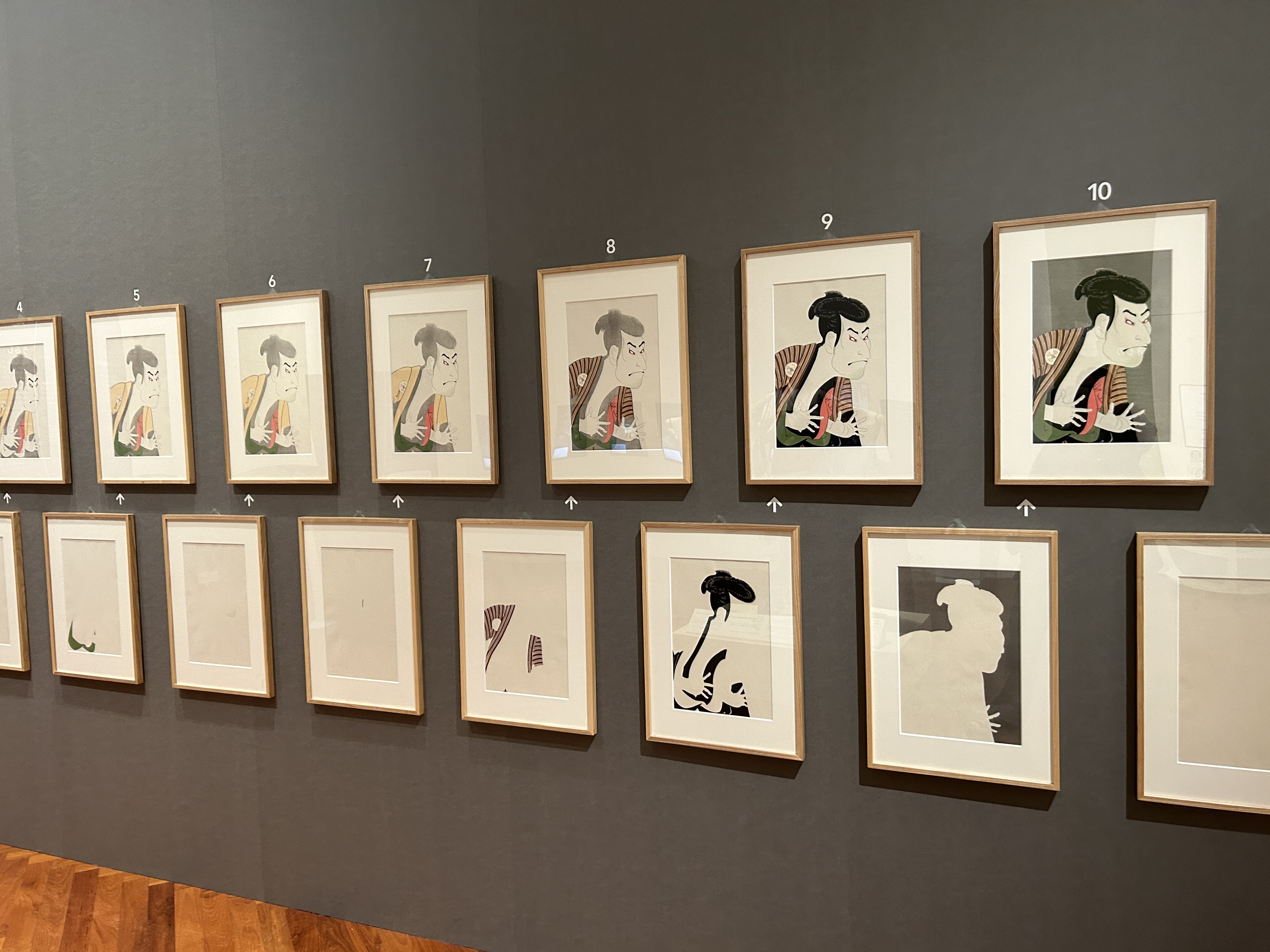
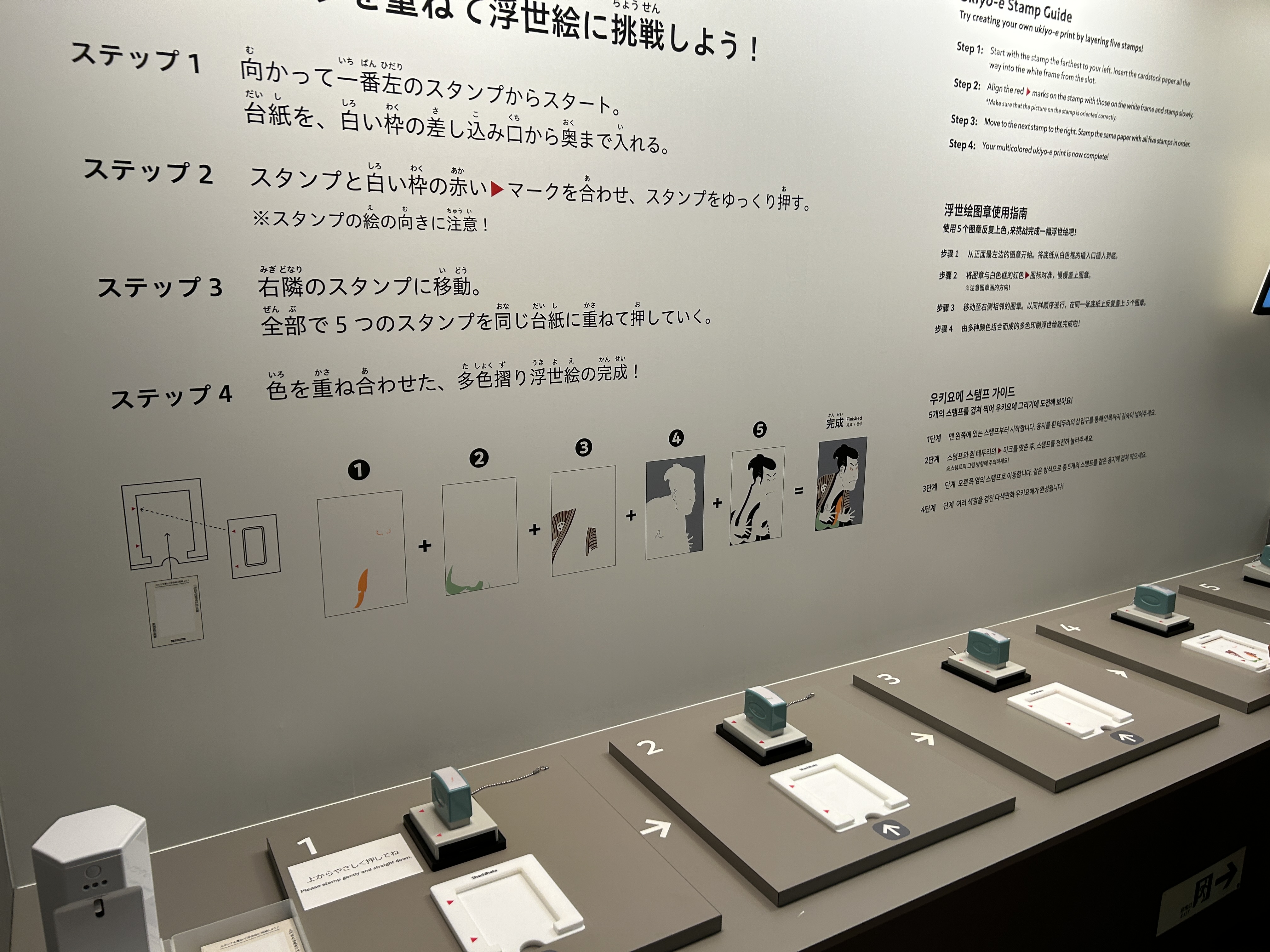
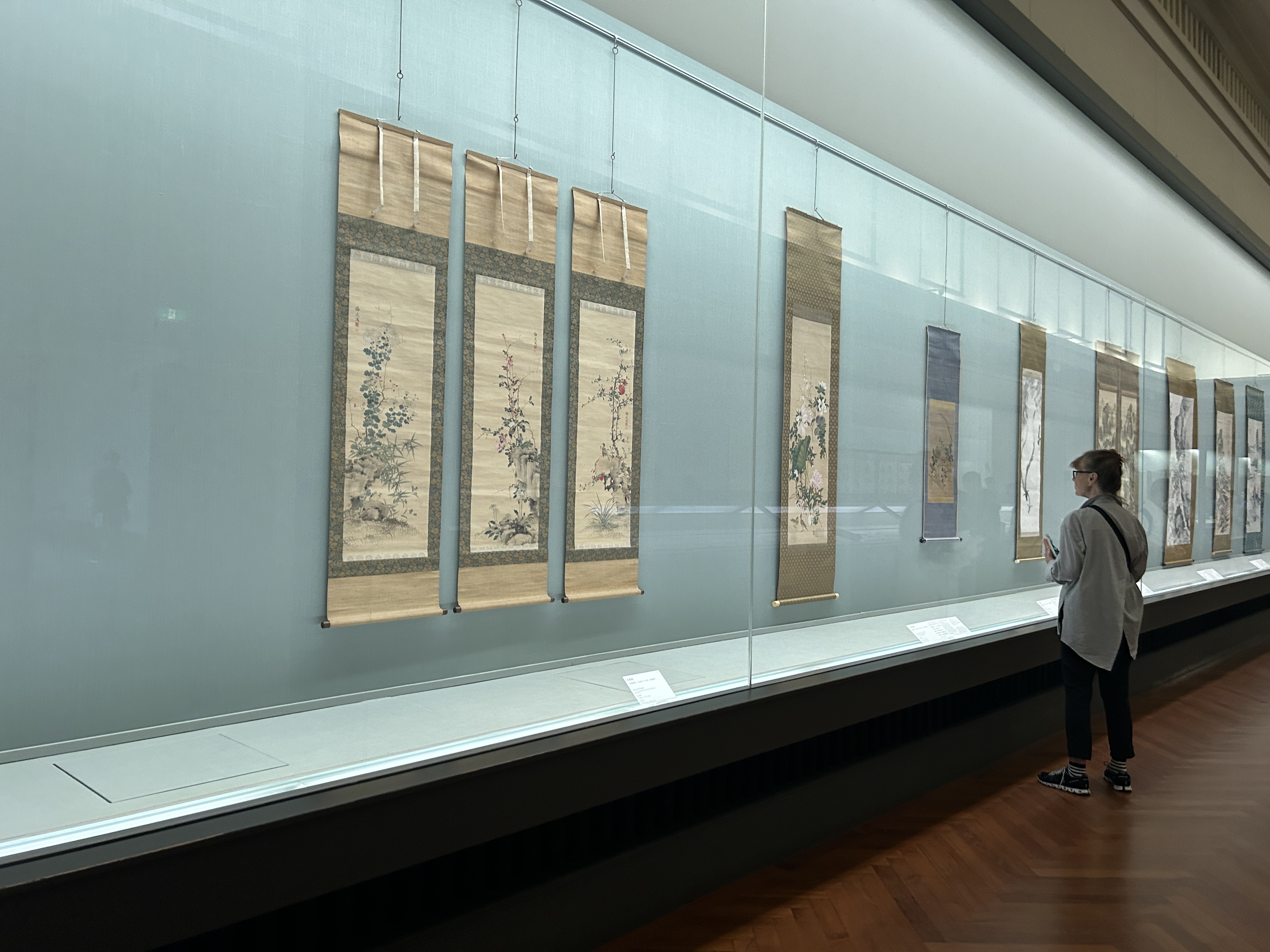
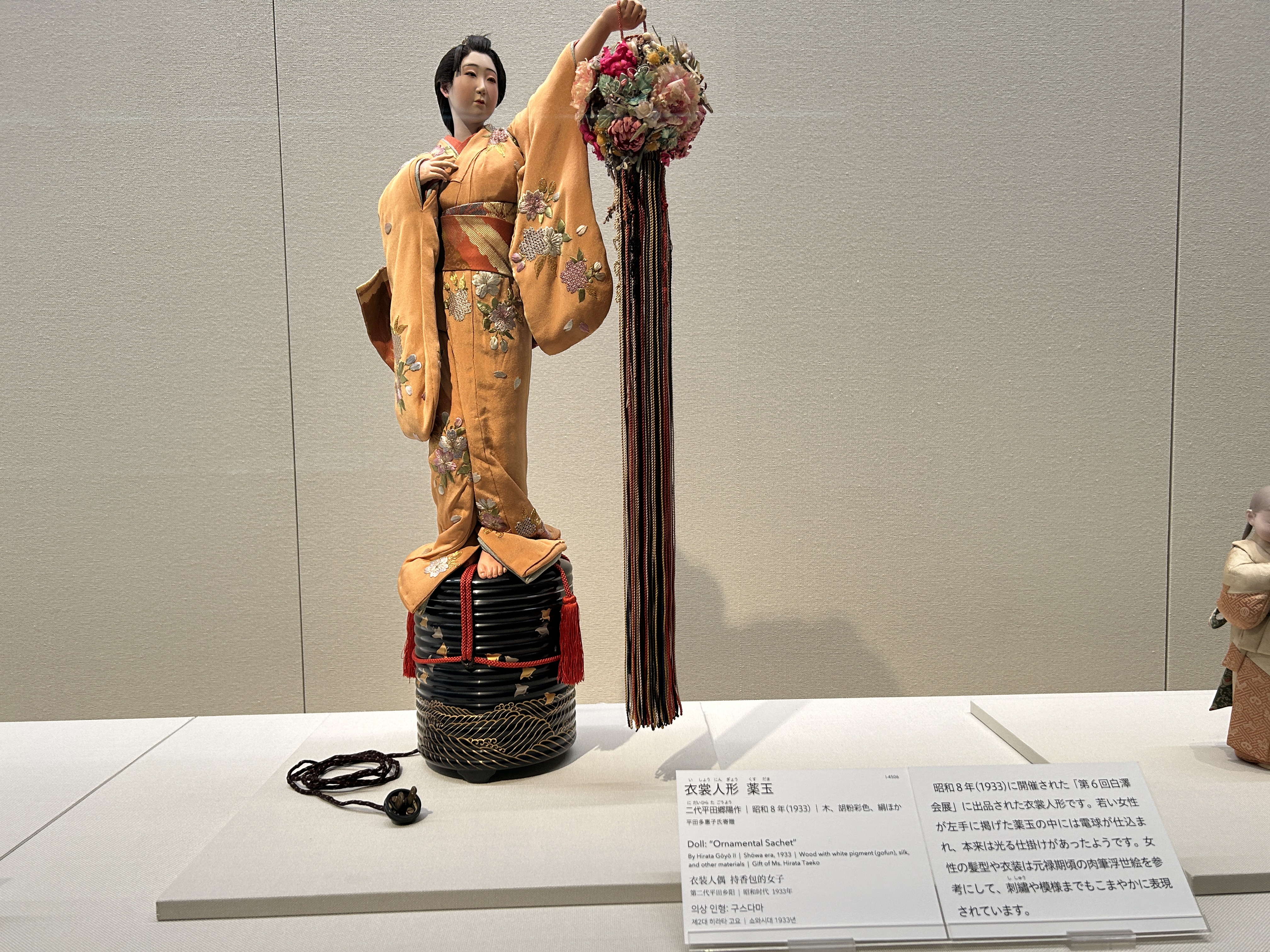
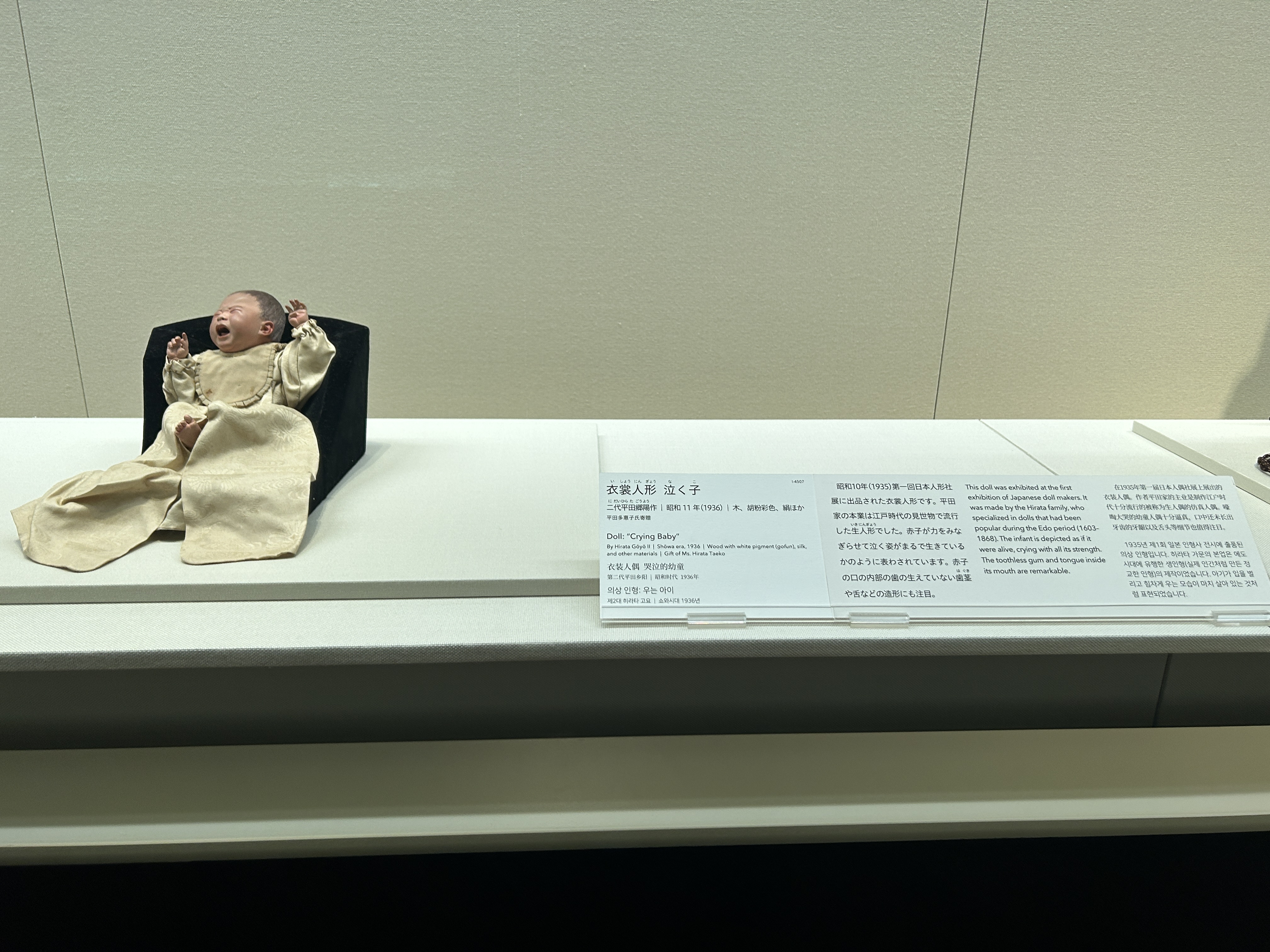
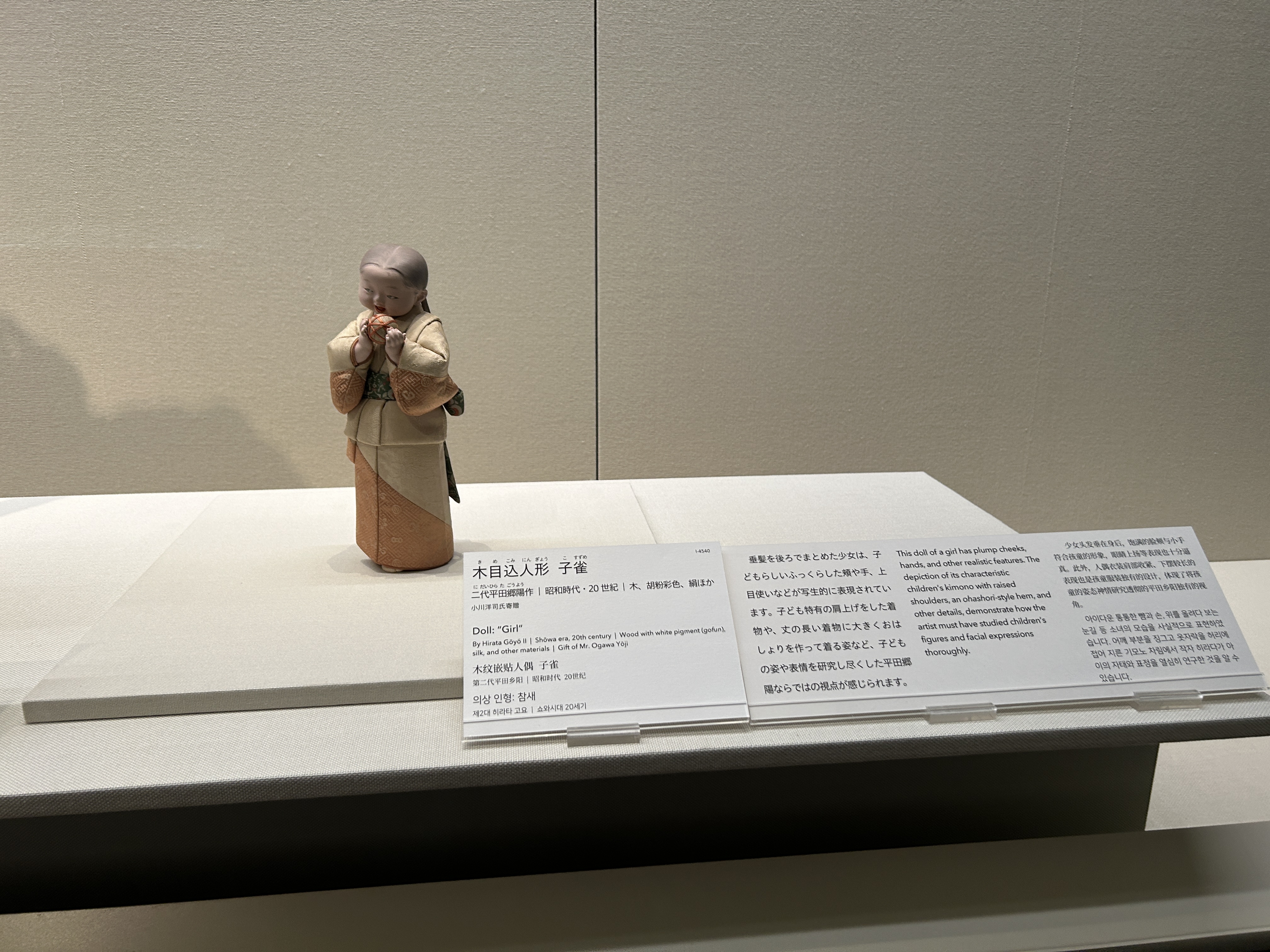
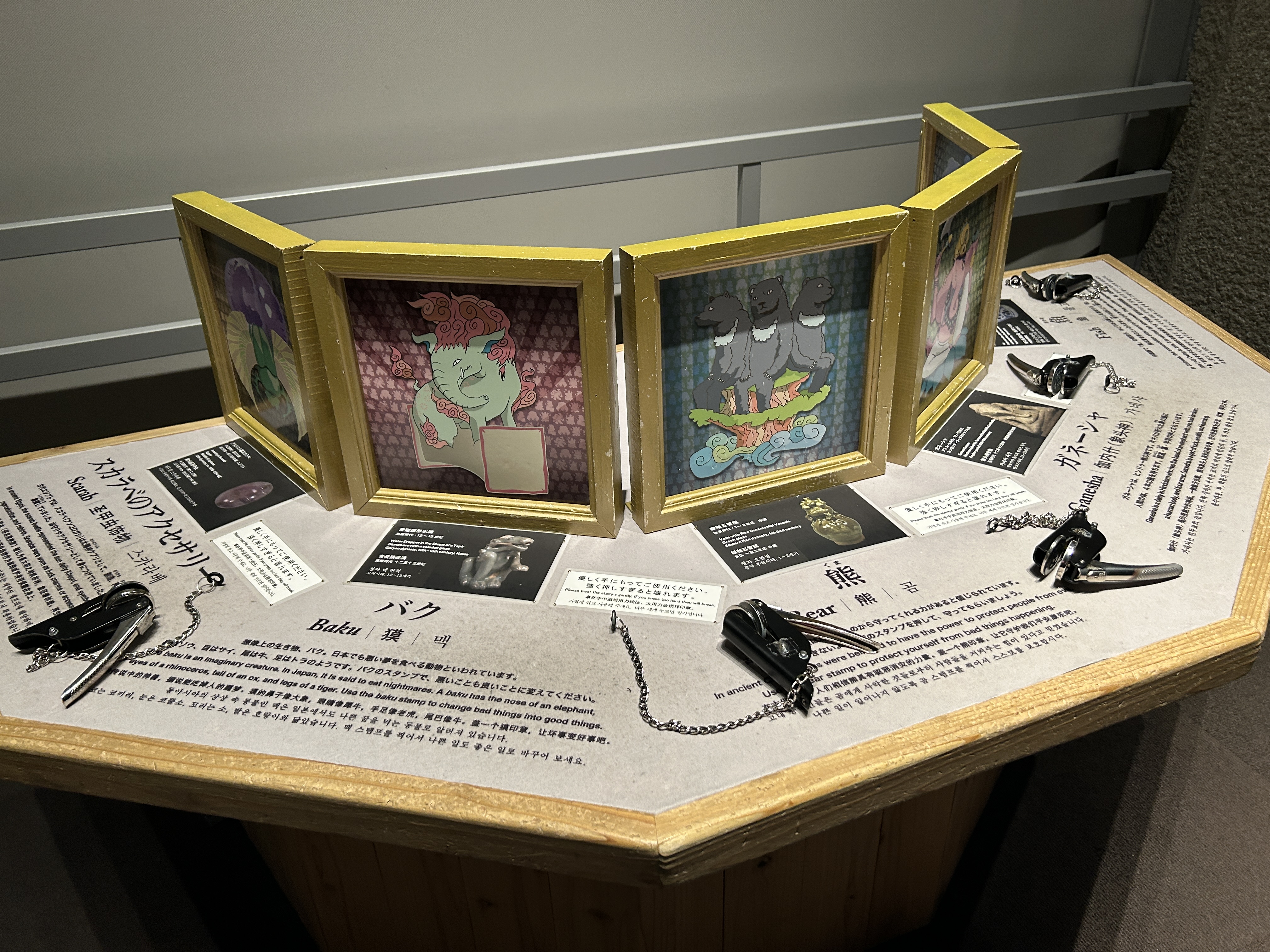
Next came the super fun part for cheap thrill seekers like me. Museums and exhibitions can be hard work. Even for someone like me who is supposed to know more than the average person in navigating a museum, I get bored, hungry and overloaded with information just as any other person. The child in me leapt for joy when I found a stamping station packed with stamps of endless Japanese motifs (in water waves, Japanese flower and etc) for one to stamp on blank postcards to their hearts’ content. Did I mention that once, my ambition was to be an immigration officer only because I wanted to stamp passports all day? I was lost in time at this station , and was even more thrilled to find out that the next station was another fun stamping activity where you created your own ‘Ukiyo-e'(Japanese coloured woodblock prints) with more stamps. If you were to walk through the whole process, stamping on a card in an orderly fashion , you would have your very own masterpiece of a typical Ukiyo-e print.
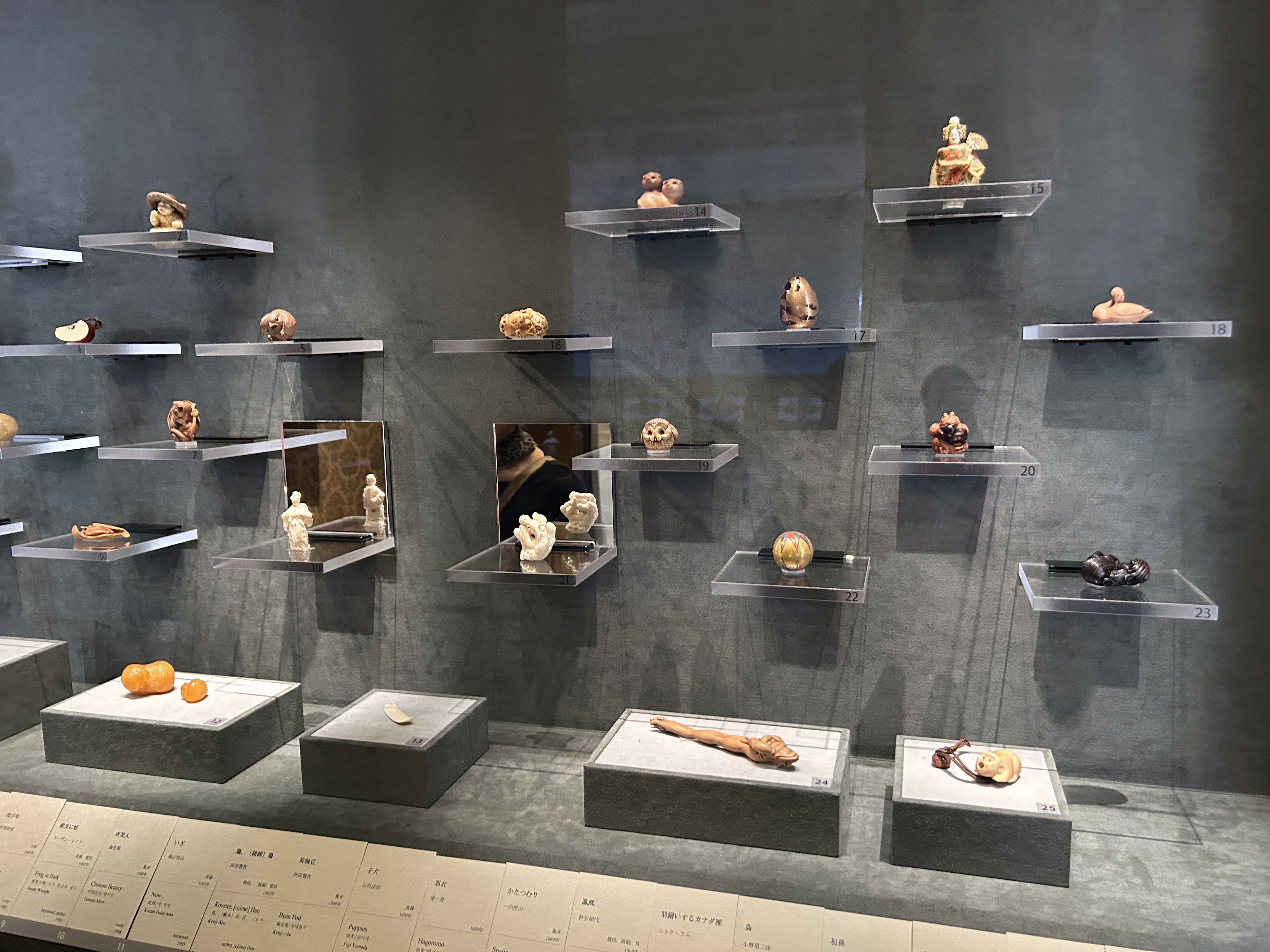
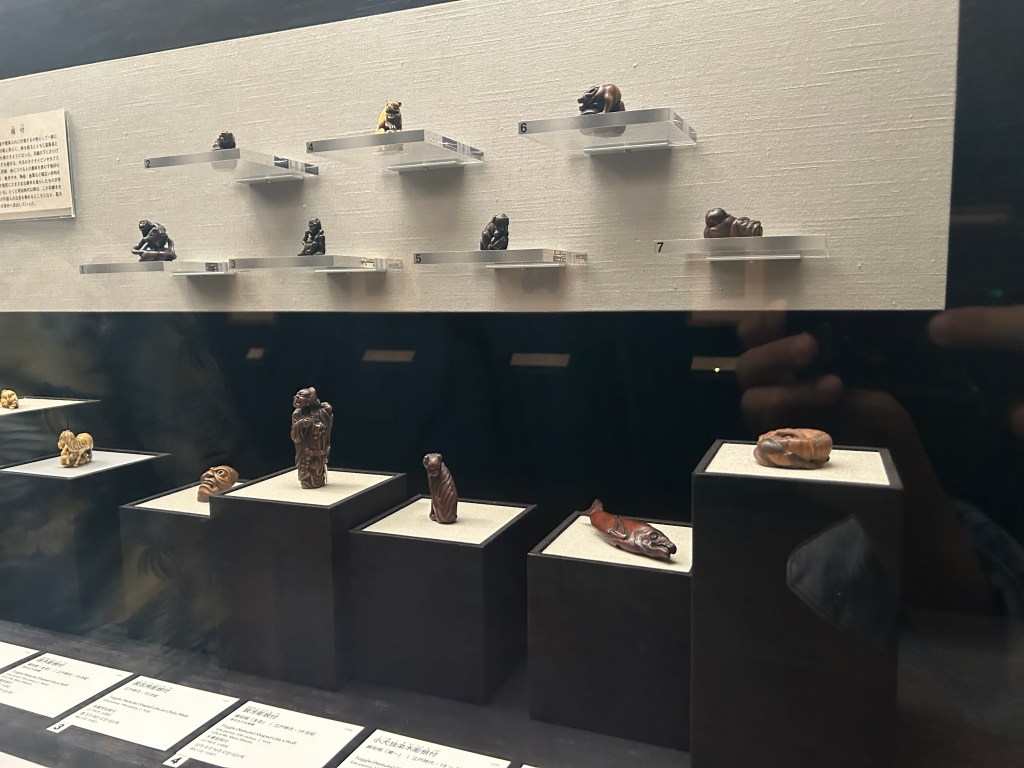
Another prominent mention would be the collection of charming netsuke toggles. These little cute objects were created to secure tobacco pouches or small medicinal cases to one’s sash and soon gained the status of a fashion accessory and reflects the taste of the owner. The fact that netsuke toggles formed an impressionable part of the museum despite their tiny sizes, were further testimony of the fact that decorative art had a place as firmly as other big shots such as painting and sculpture did.
I know museums can be overwhelming . I have to say that I didn’t expect so much to be found at this museum ! After I thought I was done at the main gallery, I was happy to head out for the day to have some tasty Okonomiyaki only to discover there were two other buildings flanking the main one! As usual, I usually charge straight for the museum and miss out on other stuff at the entrance area. The building on the right beckoned me and my curiosity got the better of me. I forgot about my hunger and went in. Upon closer inspection, I saw that is building was the Asian Gallery with a solid collection of artefacts from other origins on the said continent.
A few surprising things awaited in this gallery that I nearly skipped because of my hunger.
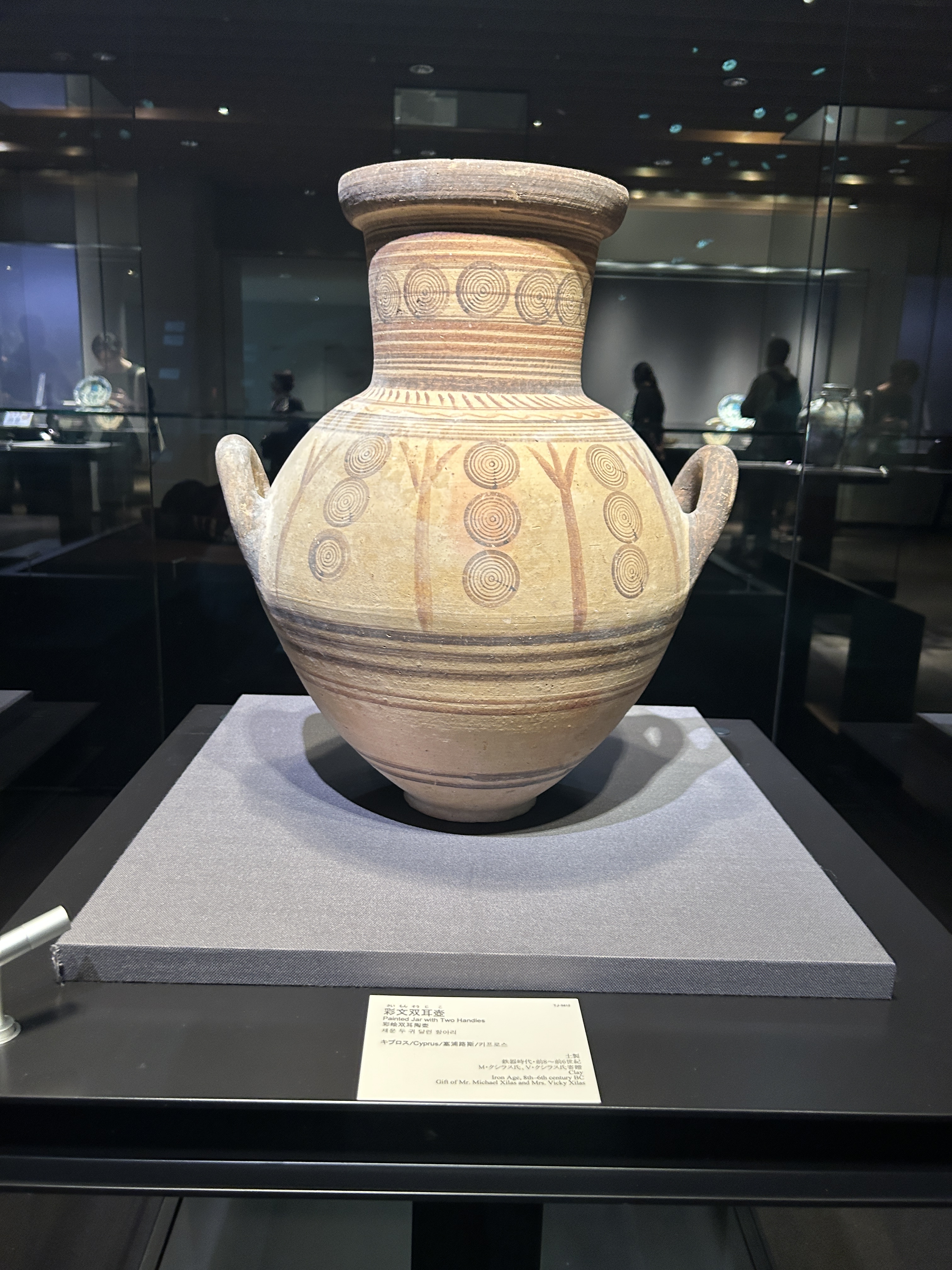
Surprise No 1. I did not expect to see Cypriot and Egyptian artworks in this collection. For some reason , I expected to see works from East Asia.
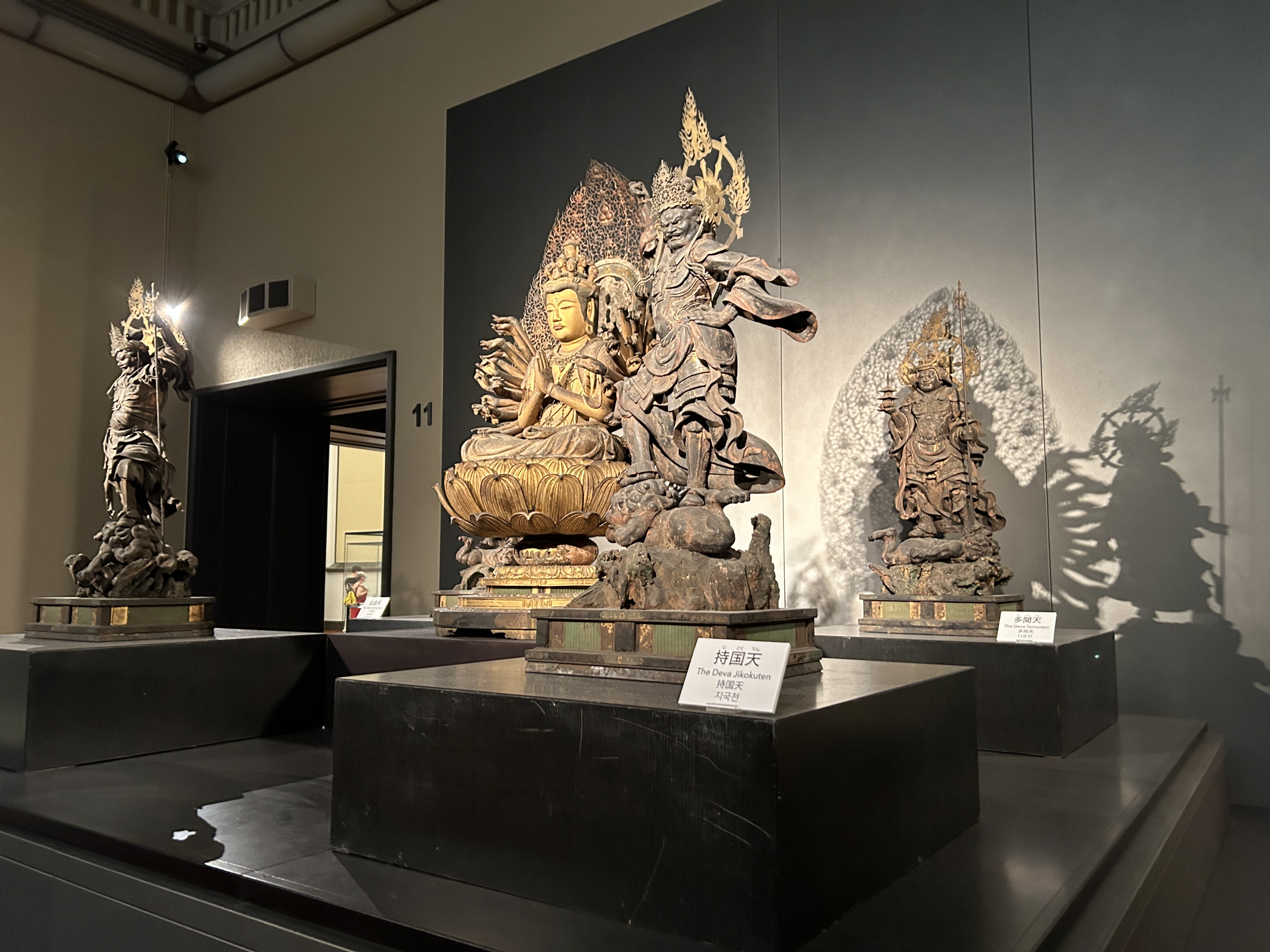
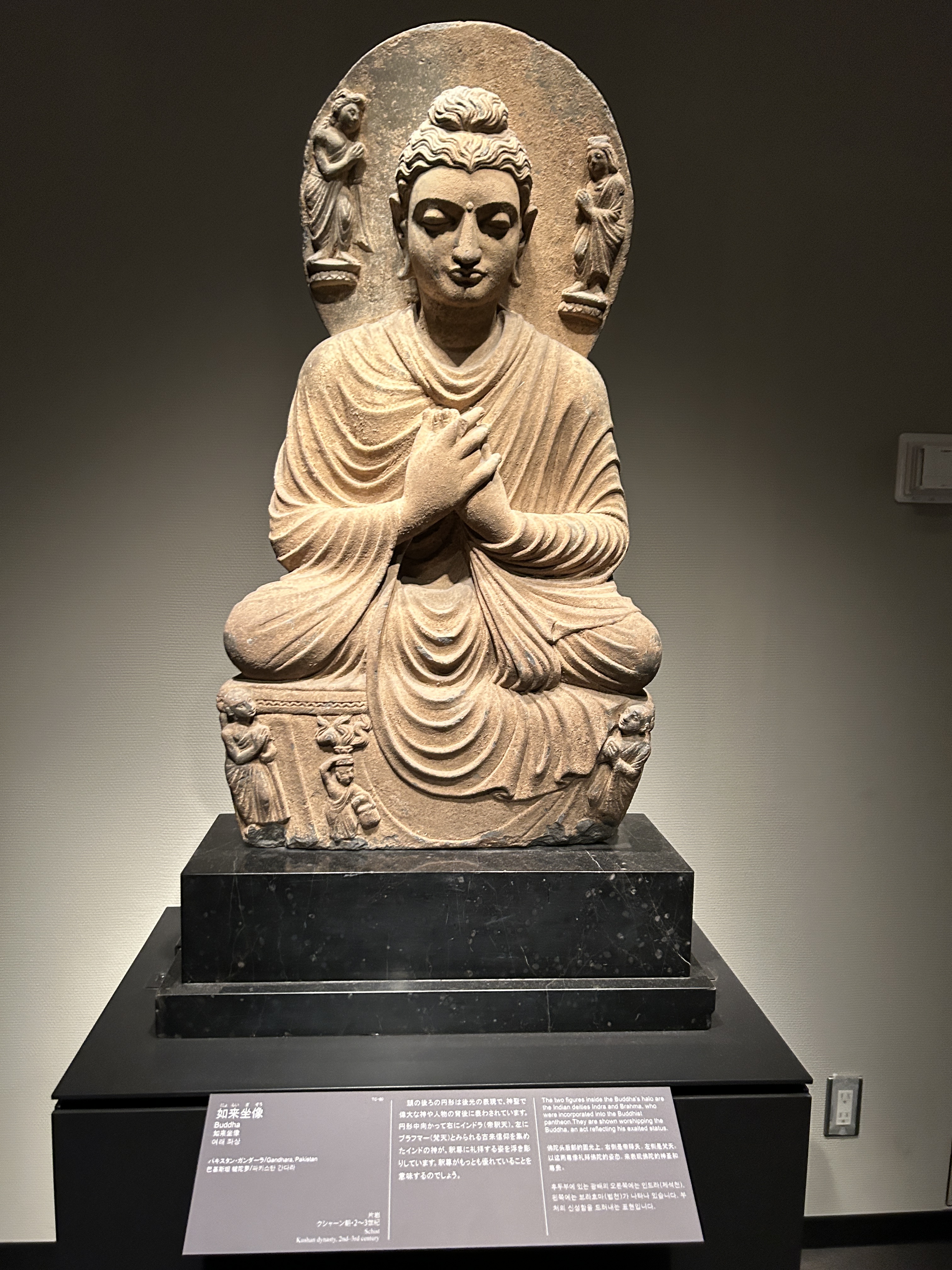
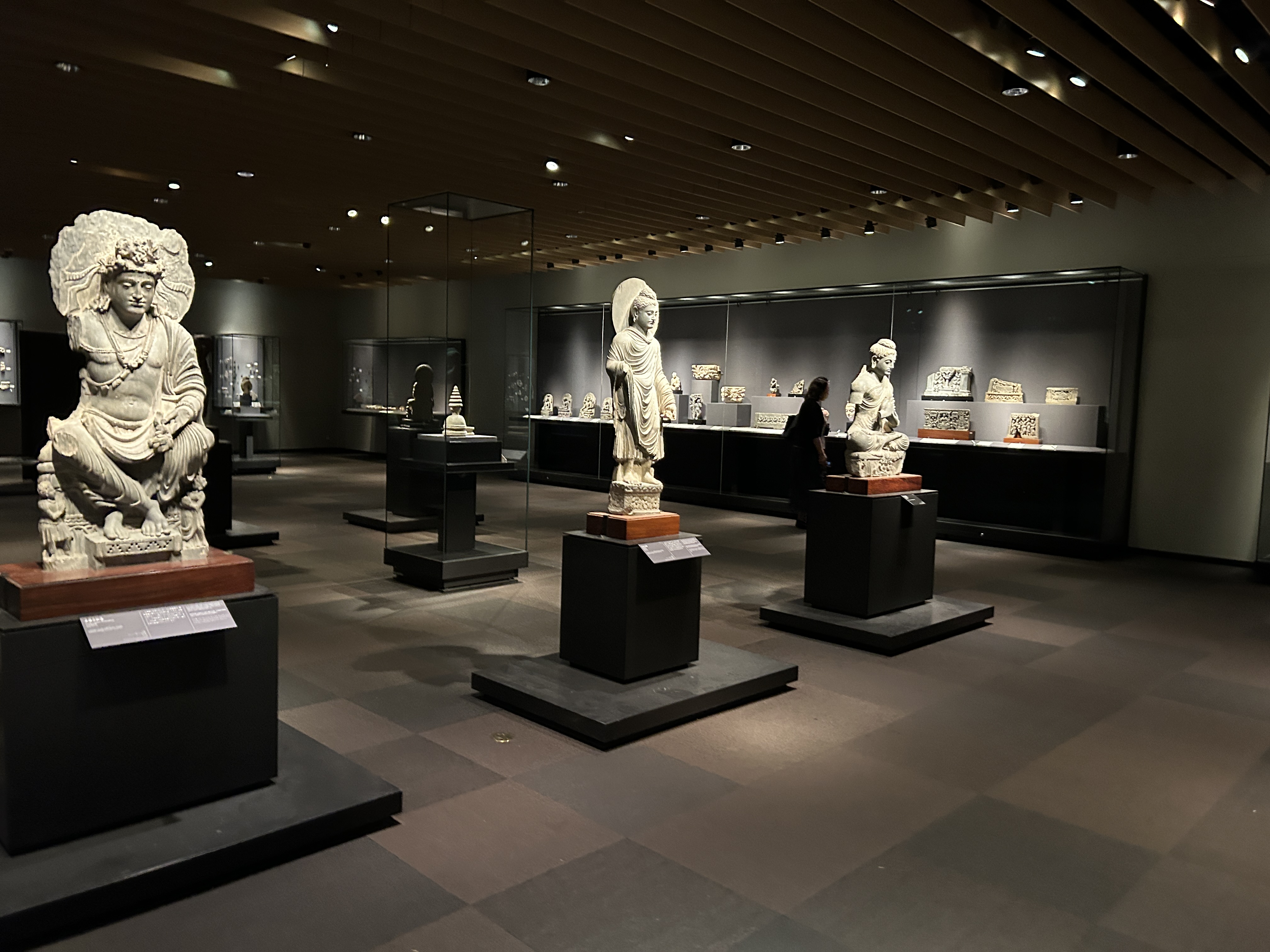
Surprise No. 2 There was a surprising number of religious art from China and India. I was greeted by a fabulous array of religious Buddhist sculptures from India and China. Each and every single one was imposing and majestic.
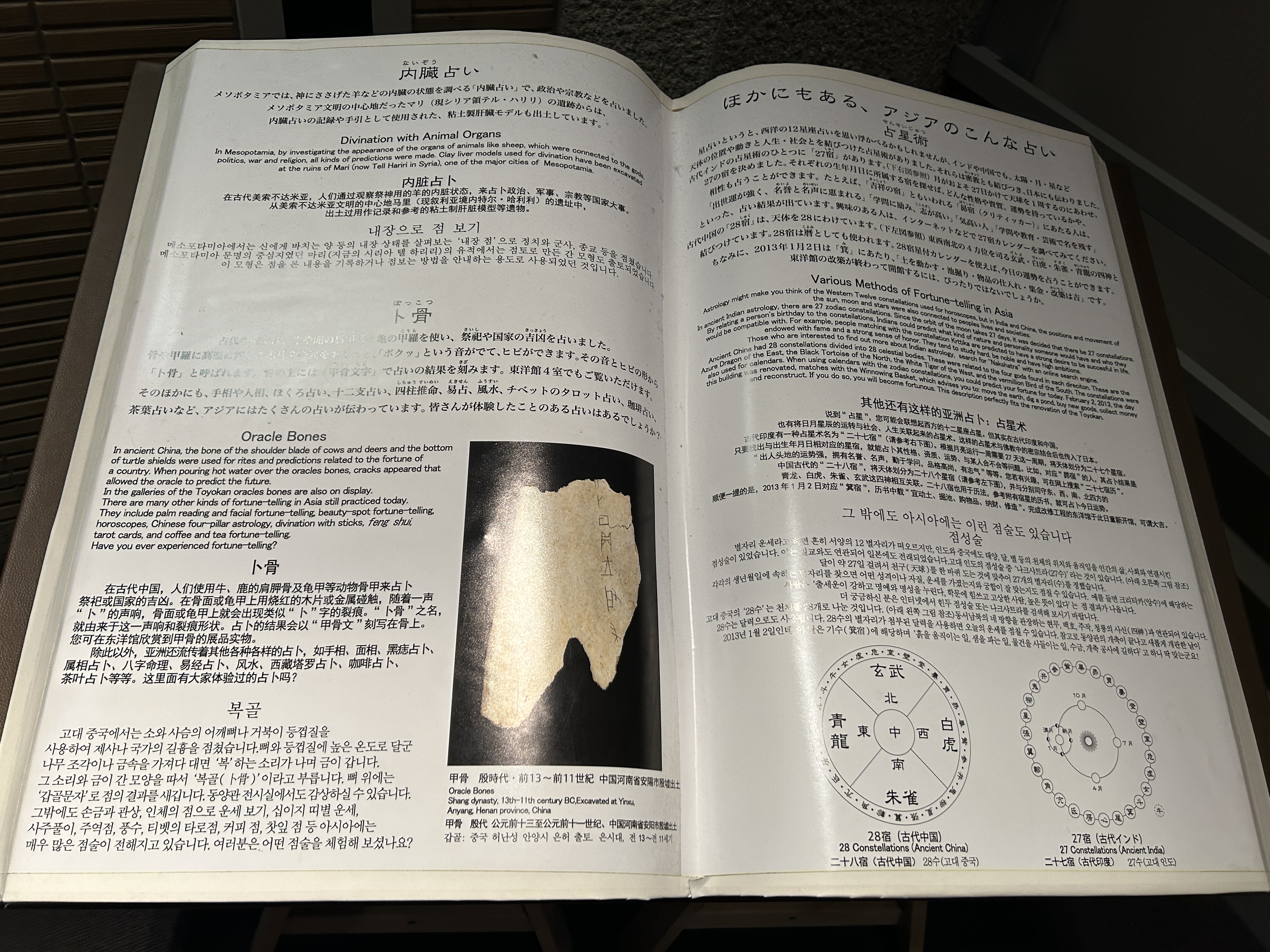
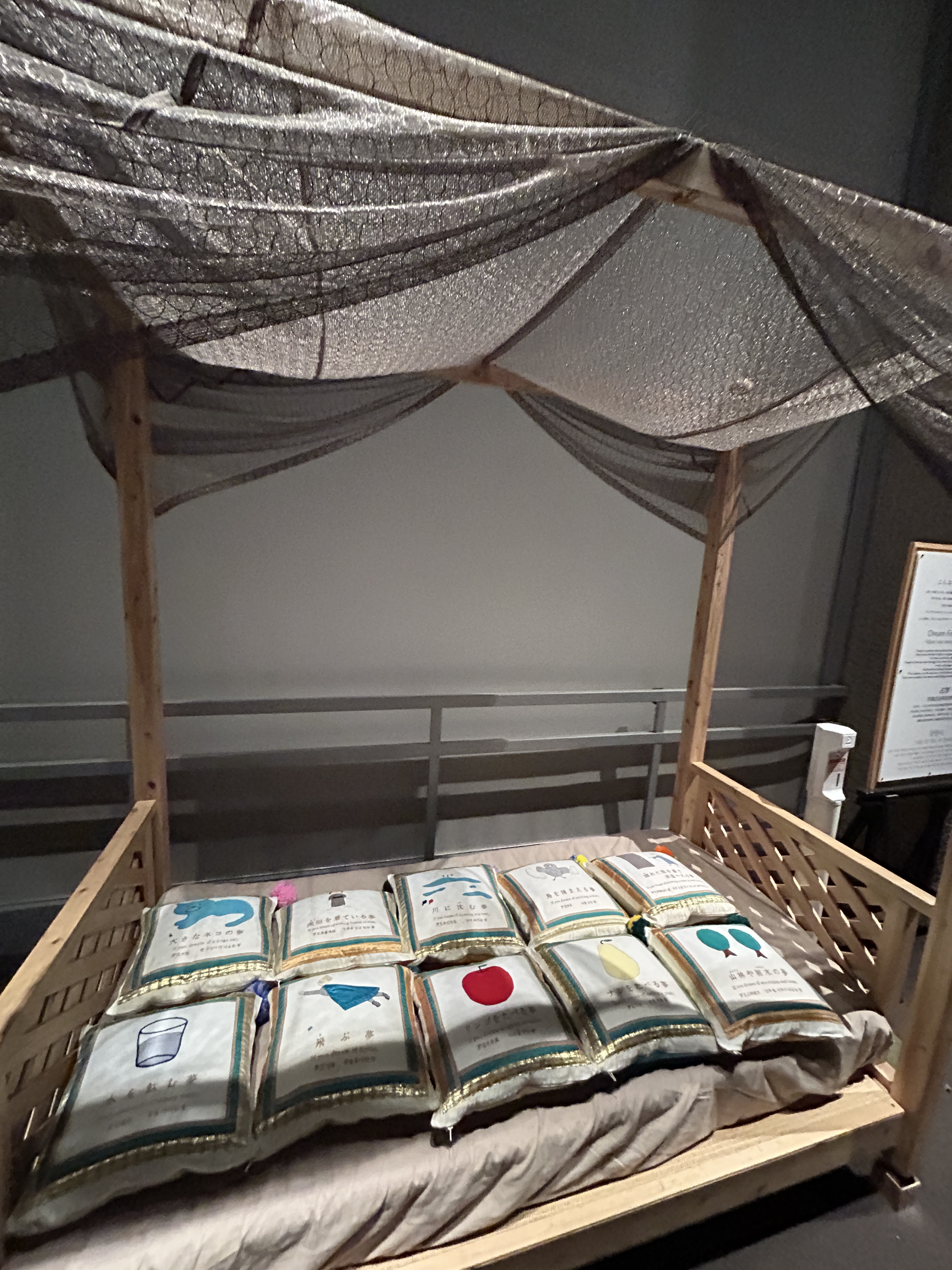
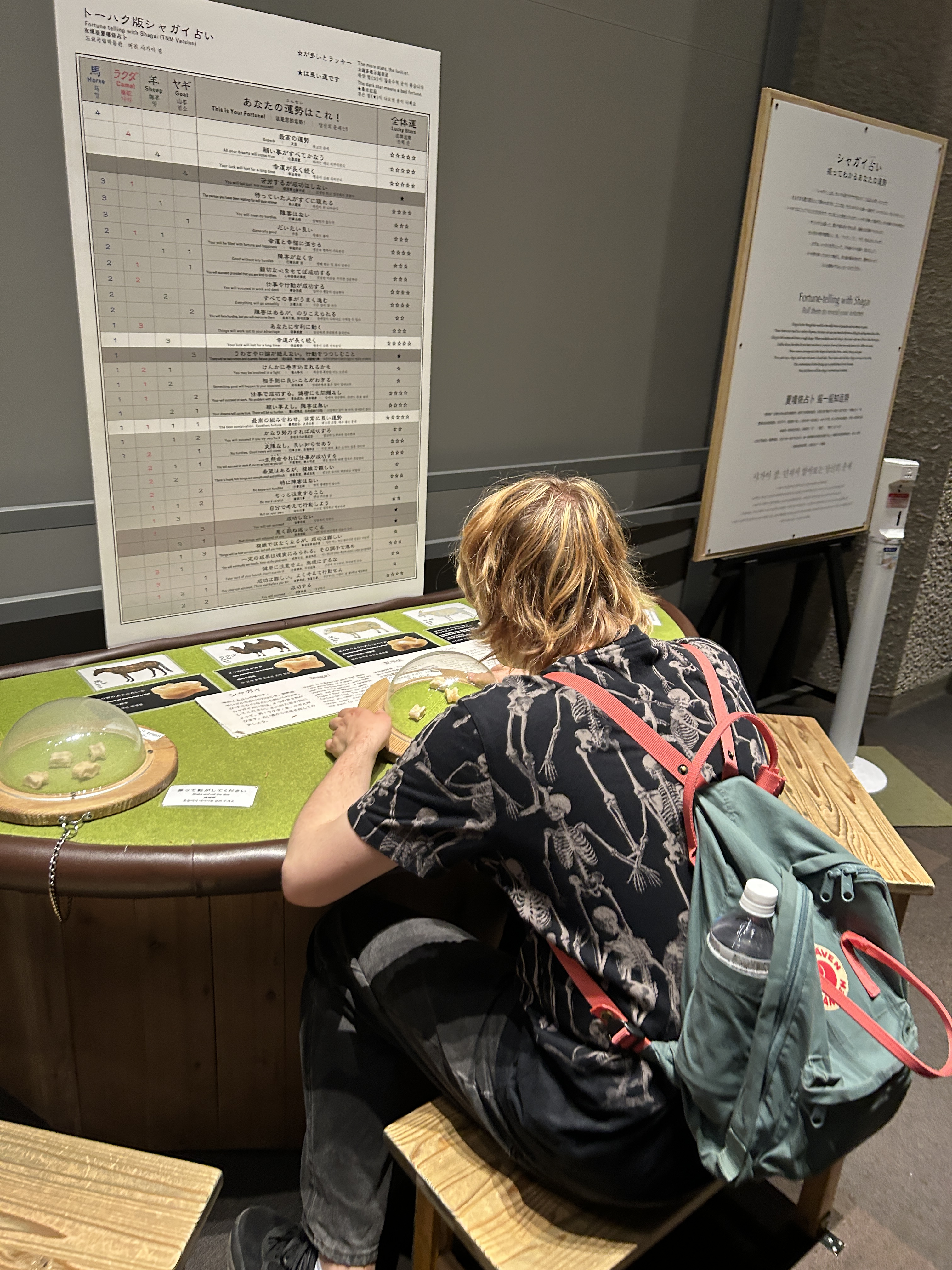
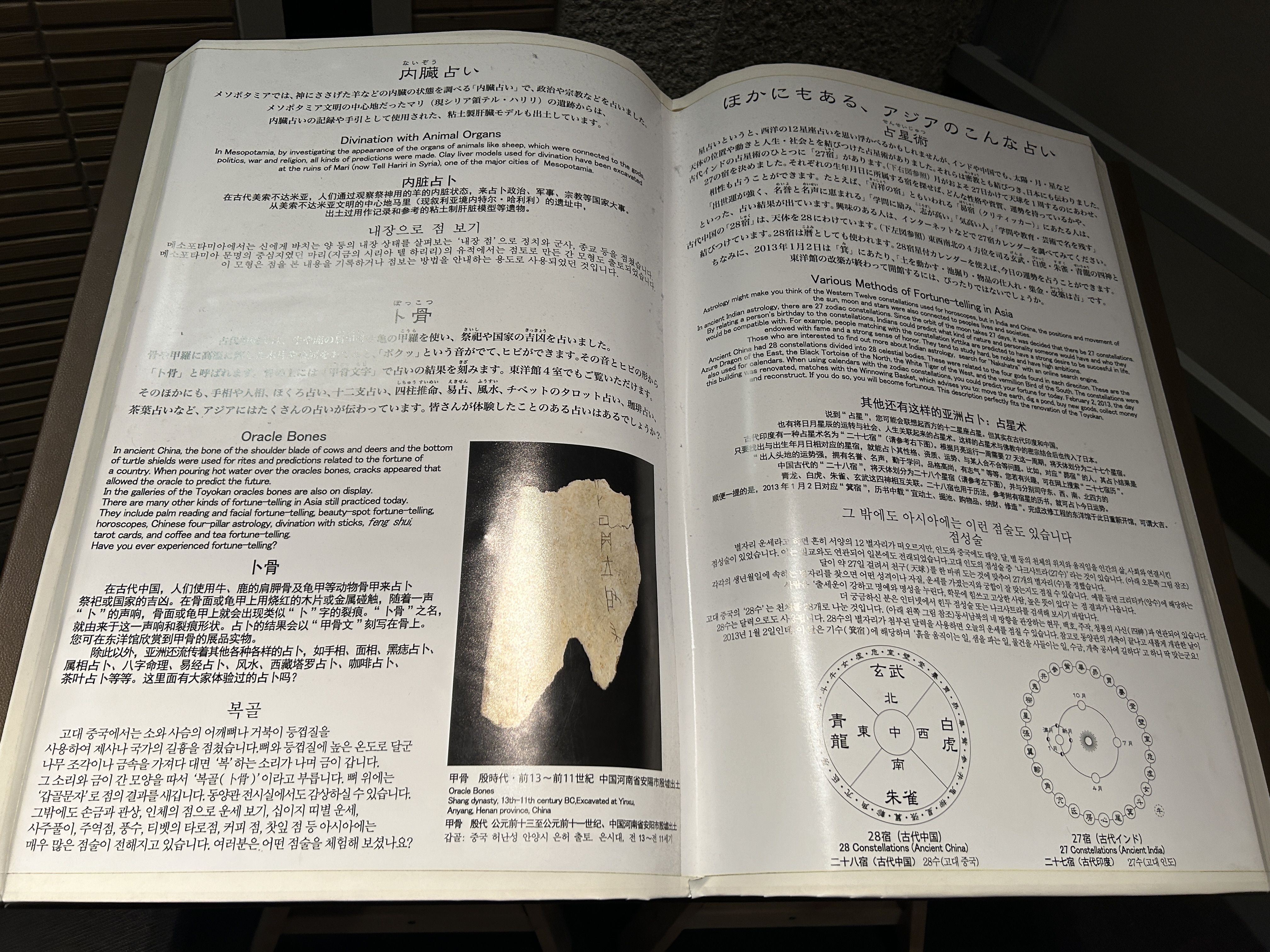
Surprise No. 3 There was a whole interactive area on the art of fortune telling through different ancient Asian traditions. As a standard Scorpio who is supposed to be dark, mysterious and mystical, even if I do refrain from dabbling in fortune-telling for religious reasons, it is still something that interests me a lot. I mean who wouldn’t want to tell the future right? I really wanted to try out the interactive booth of Shagai (a Mongolian/ Central Asian type of divination)involving dice and anklebones of certain animals. However , the luck was not on my side as the booth was super popular with other tourists too.
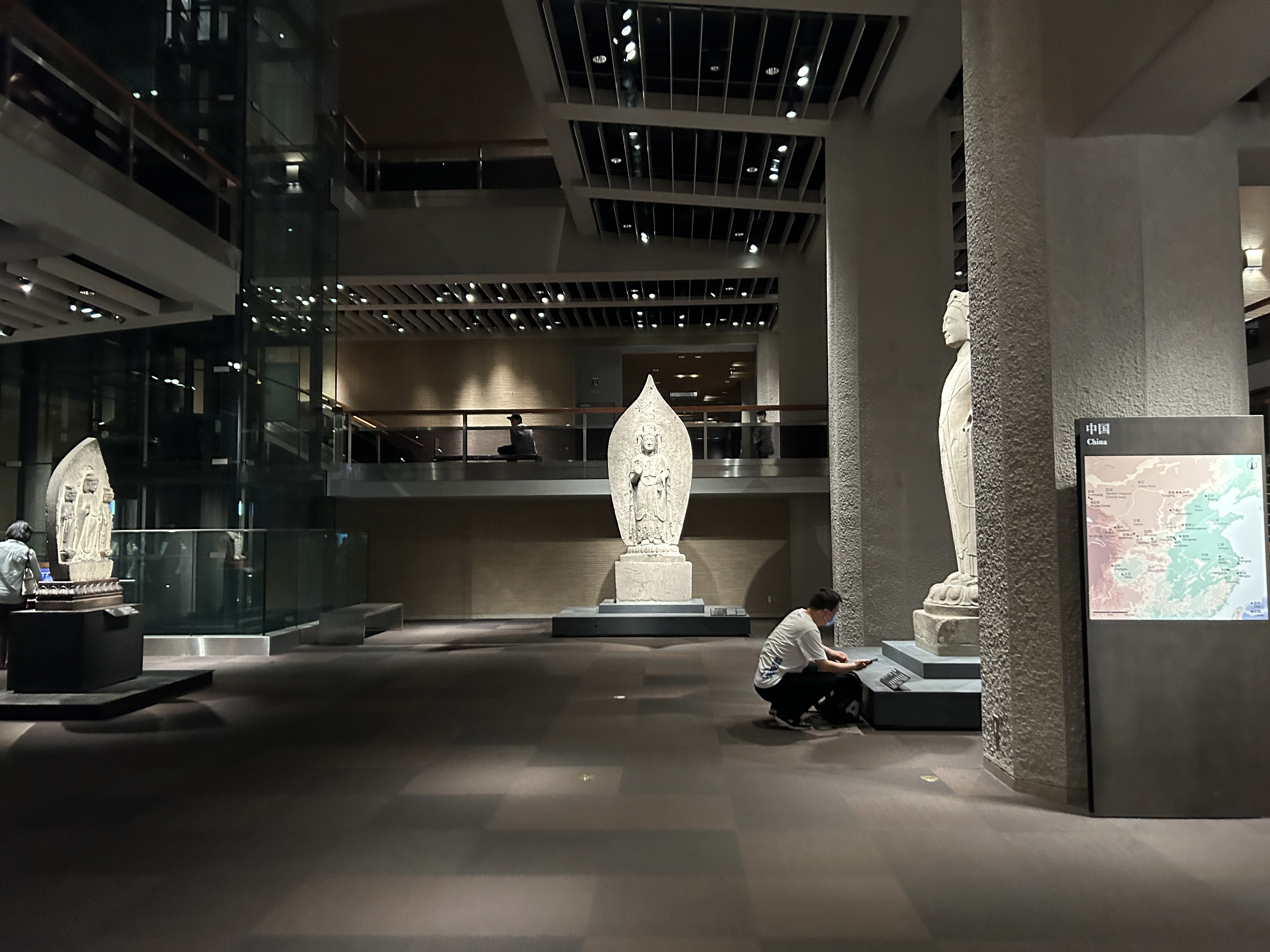
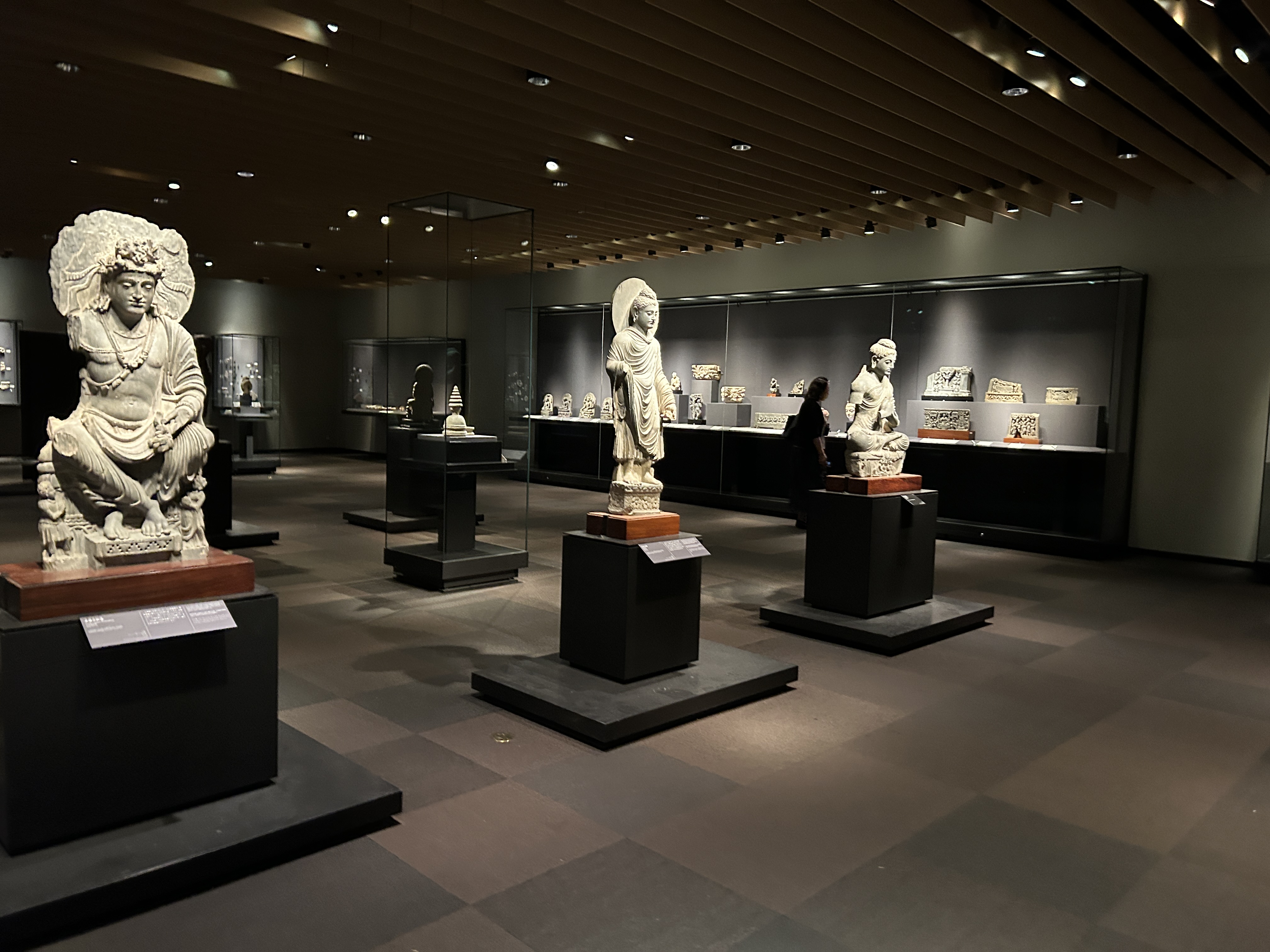
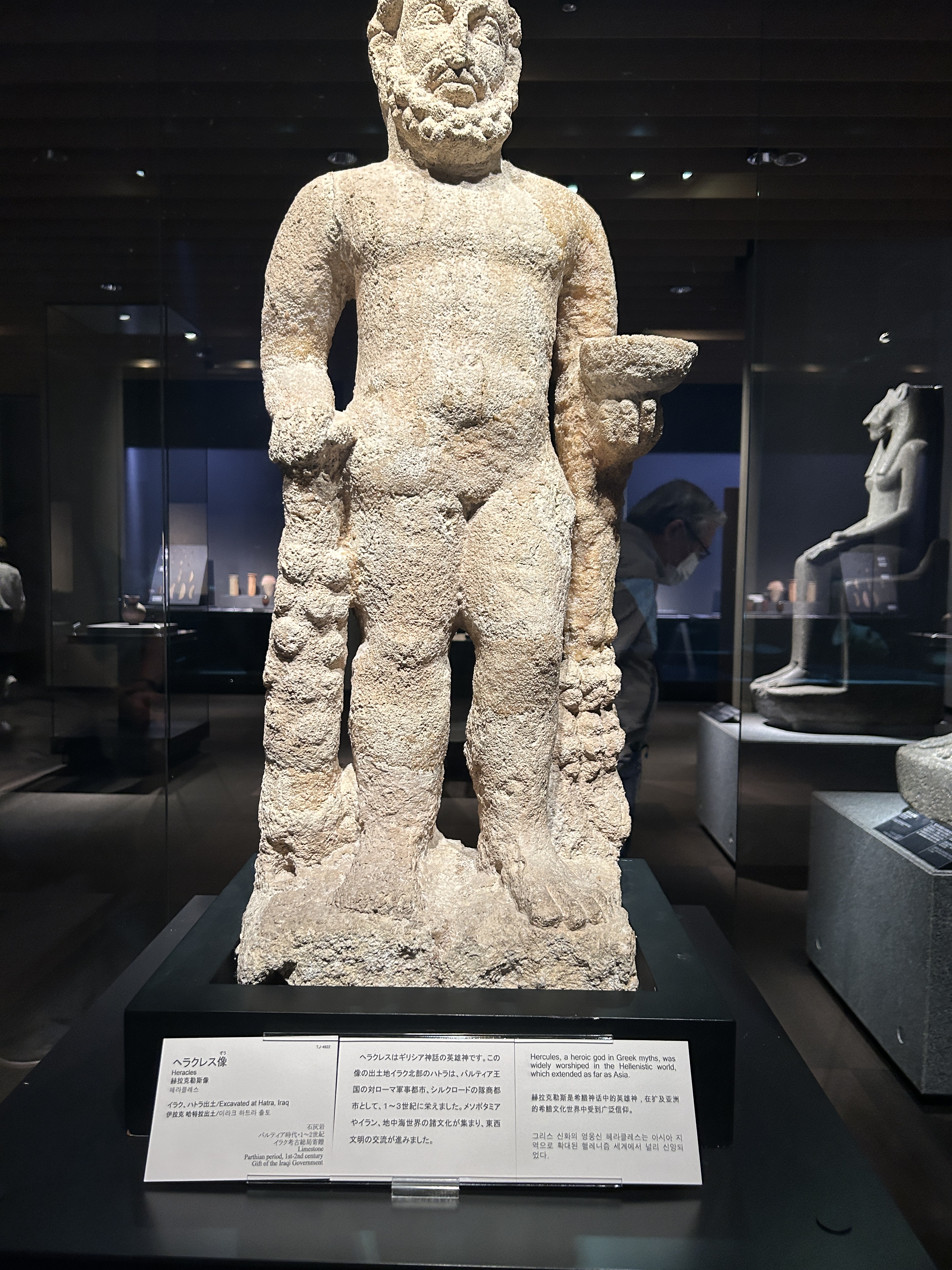
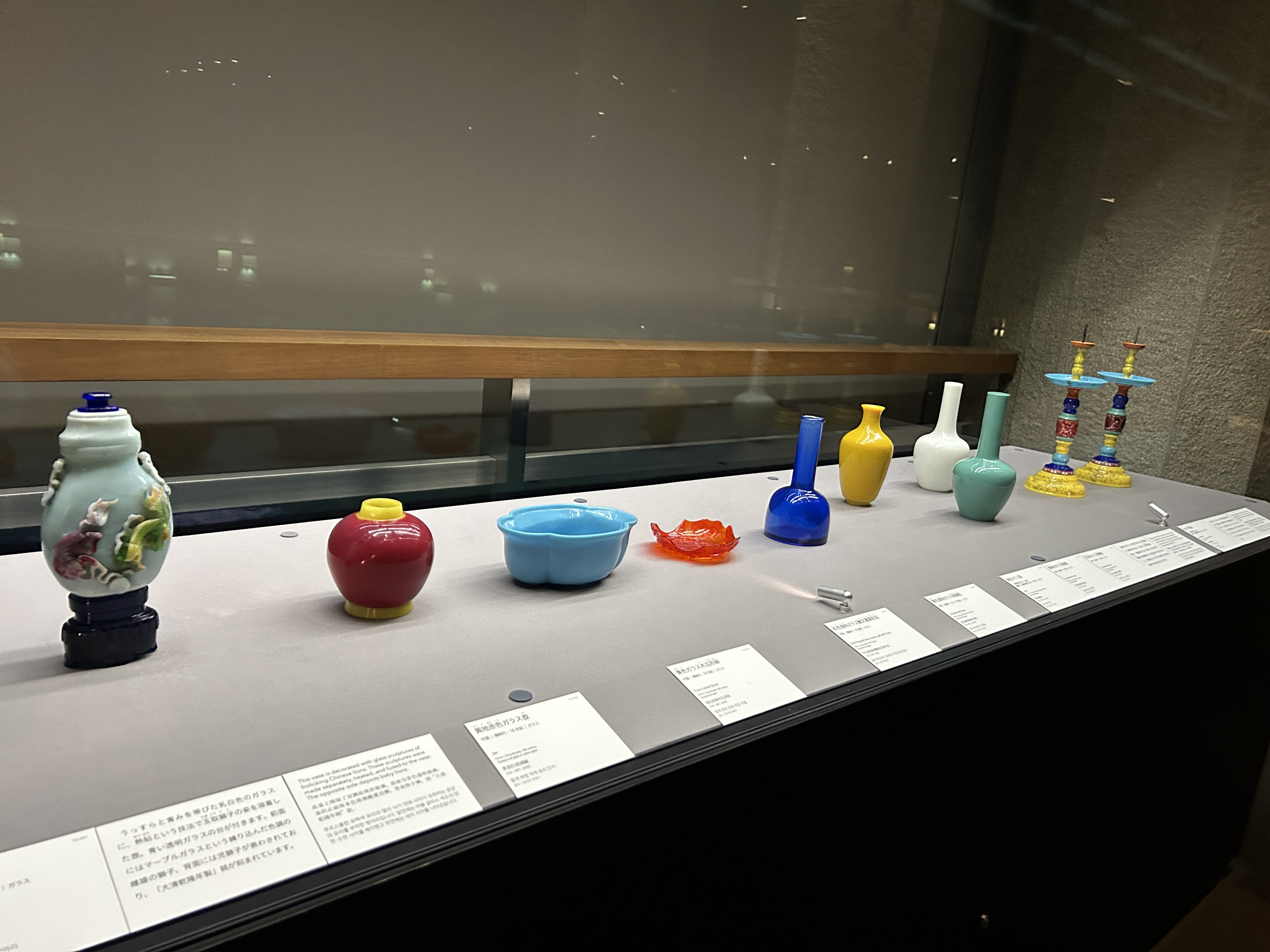
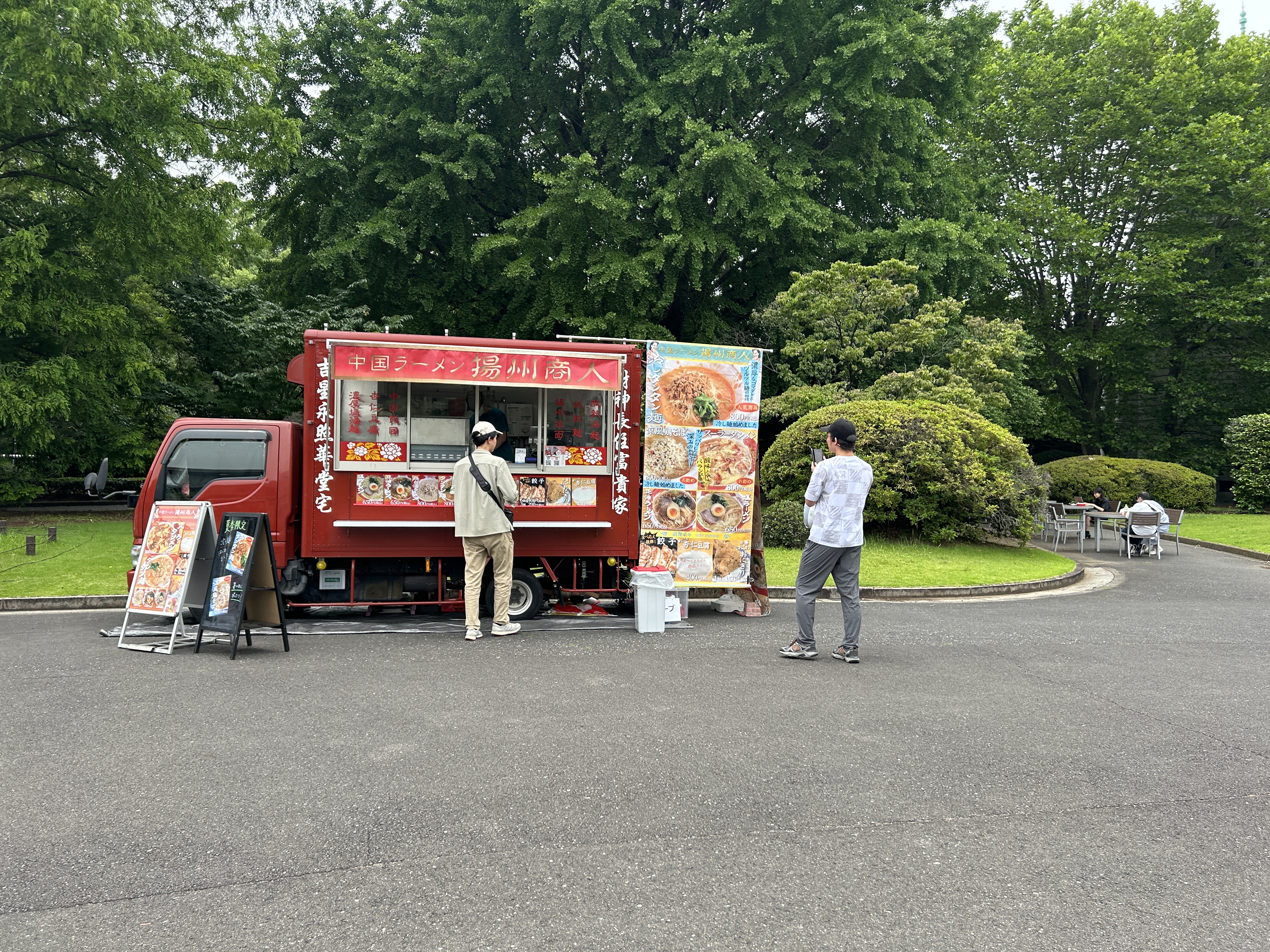
All in all, I really lost myself in the exhibition while Kitaro’s Matsuri was playing on my earpiece on repeat. I have to say that the whole experience was an awesome one and engaged me thoroughly. It captured my attention when I entered the place with a fresh mind with a great capacity for learning, but it also continued to hold my interest by offering fun interactive activities to give me a mental break through activities that I actually wanted to try. That is no mean feat because I dislike games, and very few activities in this world actually have the true ability to have my full attention as the ones in this museum did.
I know that Tokyo is a great place and there are just so many things to see. But I highly recommend this as a starting point to the culture of this fascinating land. If you are in Tokyo, please give this museum a visit! Finally, I left the museum with a burning question in my mind though as I caught sight of this. Why do we need umbrellas in the museum? Any takers? Send me a message if you know the answer.

 writingaboutpaintings
Leave a comment