So here I am in sunny Madrid in November. It’s a little odd to describe the place as sunny so late this time of year. But good for me I guess, as I am a complete loser when it comes to tolerating the cold. I remember being in the South of Italy in this period two years back and it was absolutely freezing most of the time. I have a full month here in the Spanish capital so time is on my side when it comes to exploring the culture of this country down to reasonable depths. My inaugural stop was at The MAN A.K.A Museo Arqueológico Nacional. I chose The MAN as I wanted to tackle something of manageable magnitude that day (knowing the sheer scale of El Prado). Entry tickets to the MAN cost a chump change of three Euros and it was based on the modest admission price tag that I made the conclusion that this museum would not be as overwhelming as the other ones. I was right.
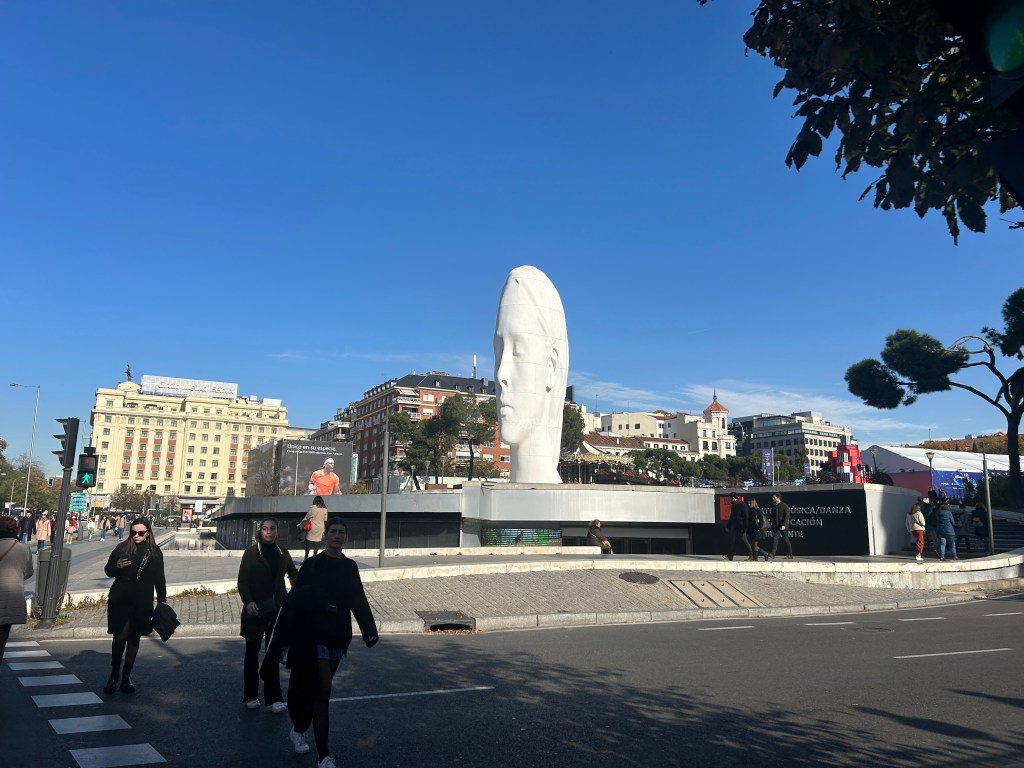
This museum is located at the core of the Salamanca district and is a bustling area filled with lively crowds. Just five minutes before reaching the entrance of the museum, I caught a glimpse of this striking sculpture of a female visage in the vicinity which added a nice touch to my day. I have to say that it reminds of Planet by Marc Quinn found at the Gardens by the Bay back at home. After admiring the sculpture for a brief moment, I continued my way and finally arrived at the building. The ticketing officer duly informed me that free admission would commence soon and asked me if I would like to return in half an hour. But I was feeling rich and couldn’t wait to enter, so I paid up.
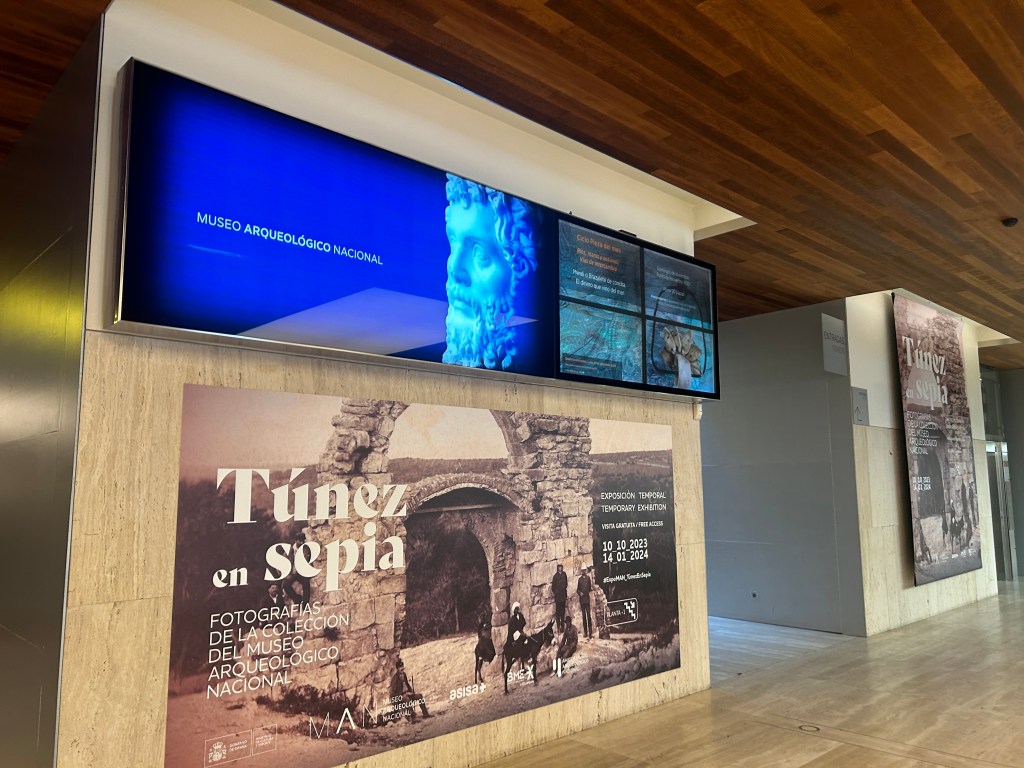
My first impressions of the place was that it was a relatively well-organised museum that stretched out in a layout that is in a loose chronological order. I say ‘loose’ because I did get confused sometimes my itinerary within the compound did not always prove to be chronologically logical. I guess due to the fact that several of the artefacts that hailed from Mediterranean cultures came from a vast time periods spanning from prehistory to the 19th century, it was inevitable that some objects often overlapped in terms of time periods in each category, which would make it challenging in terms of cataloging.

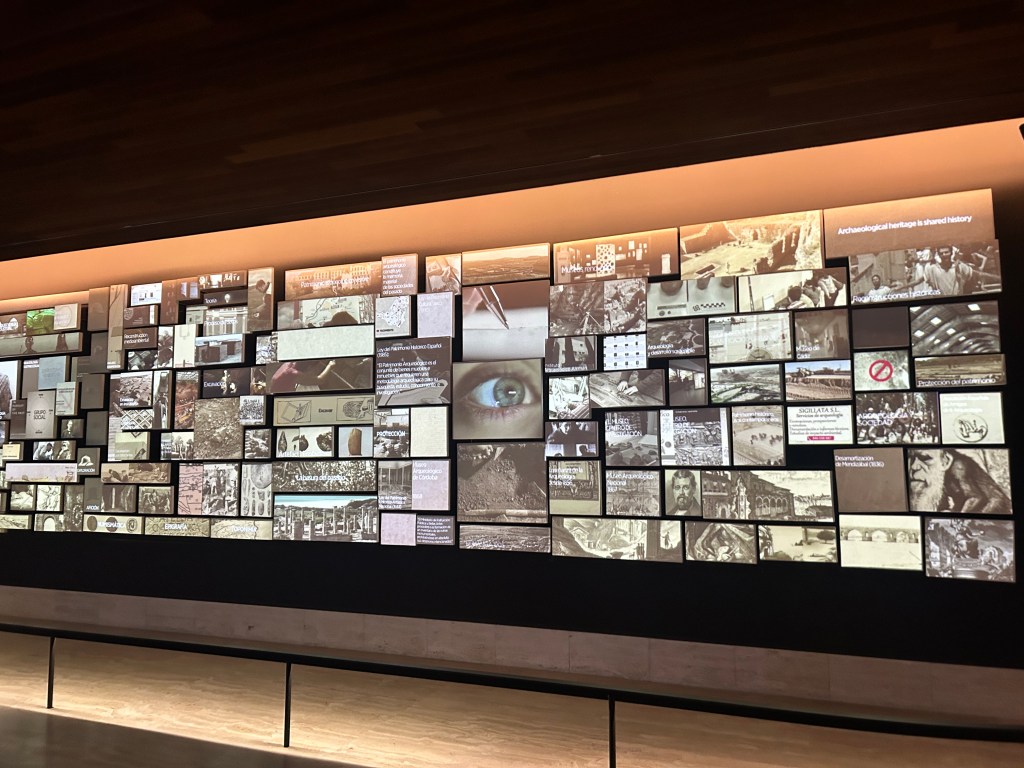
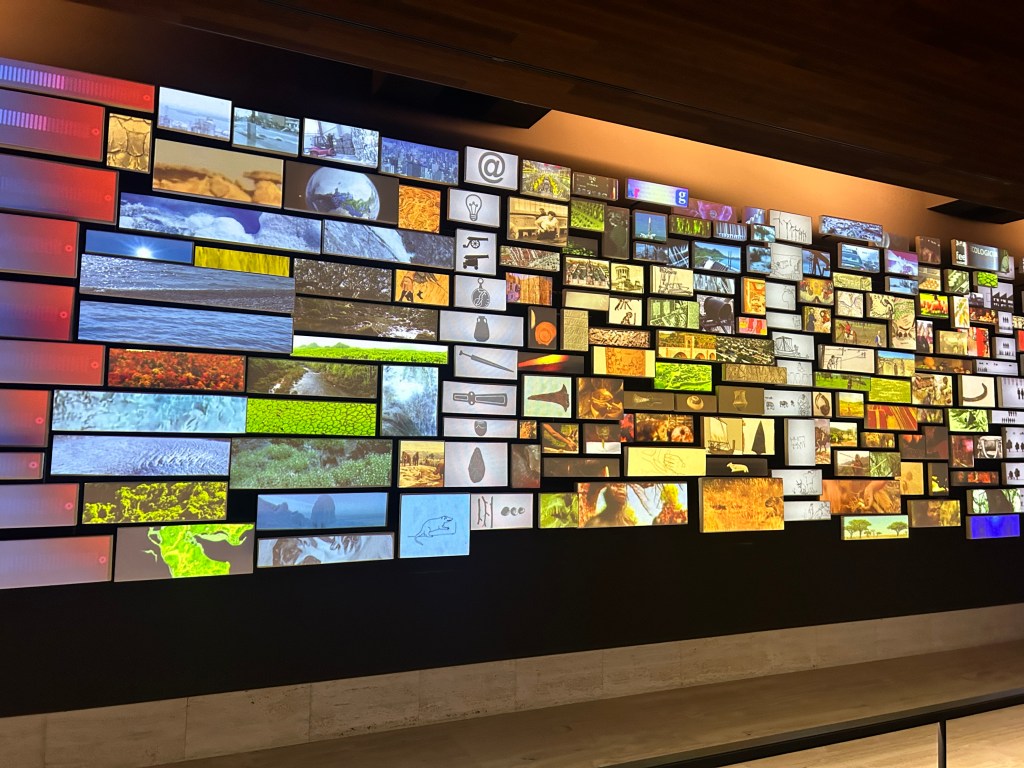
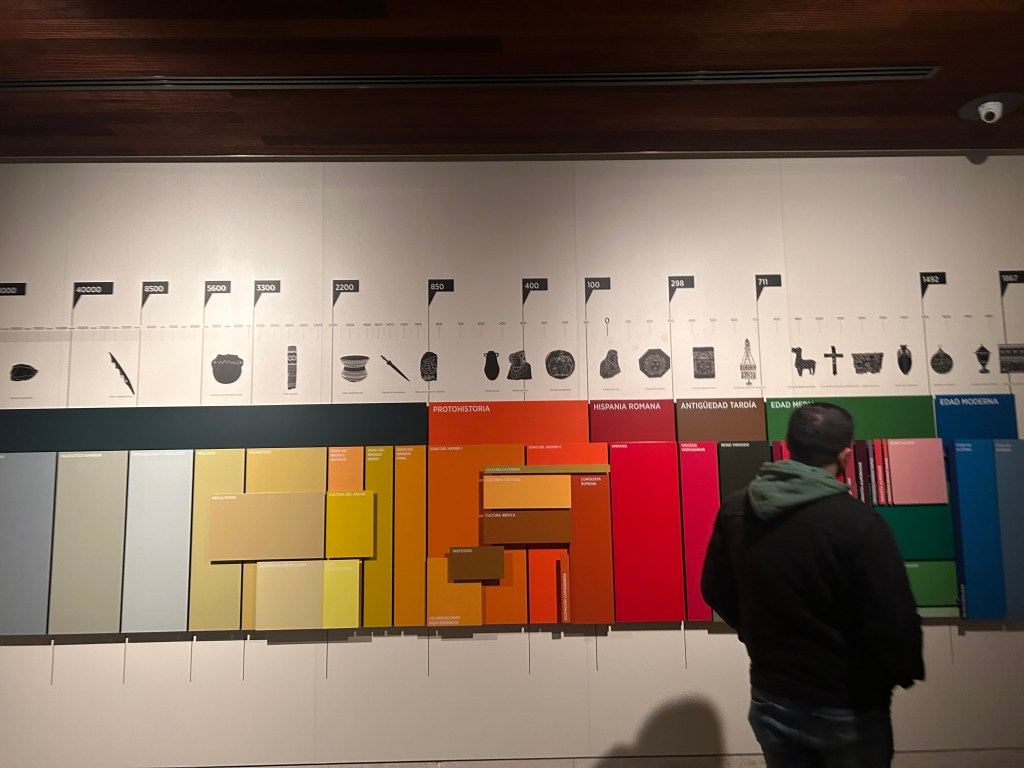

The following sections in the museum include:
1)Prehistory which commenced from over one million years ago, ending at the dawn of the first millennium BC.

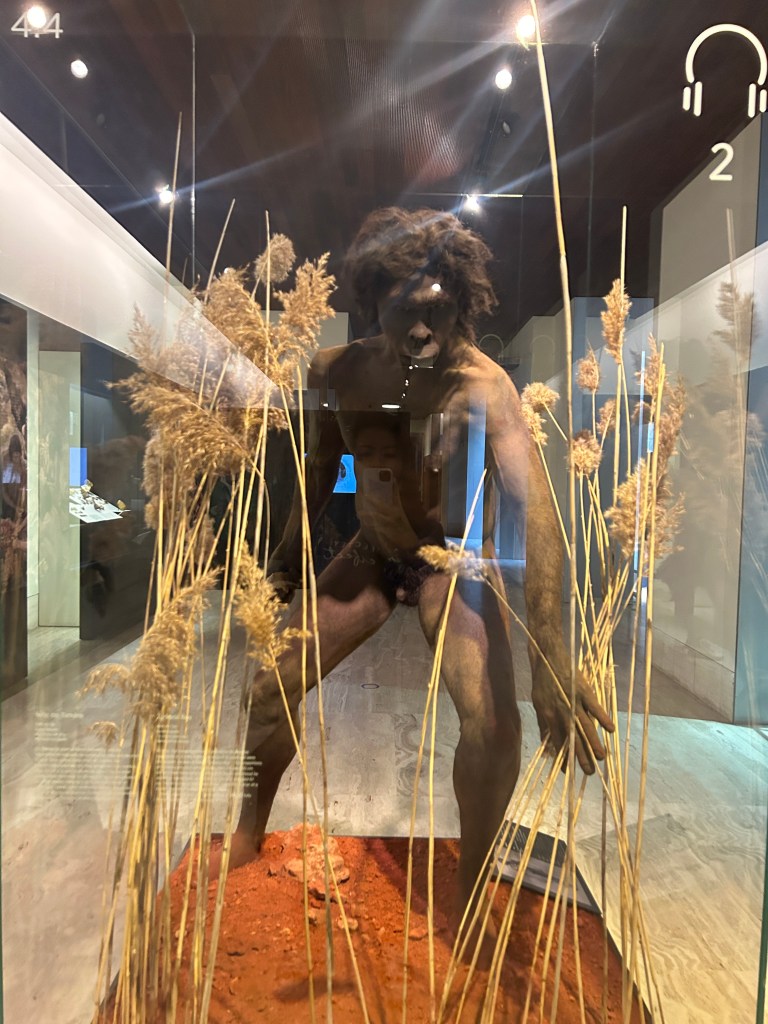
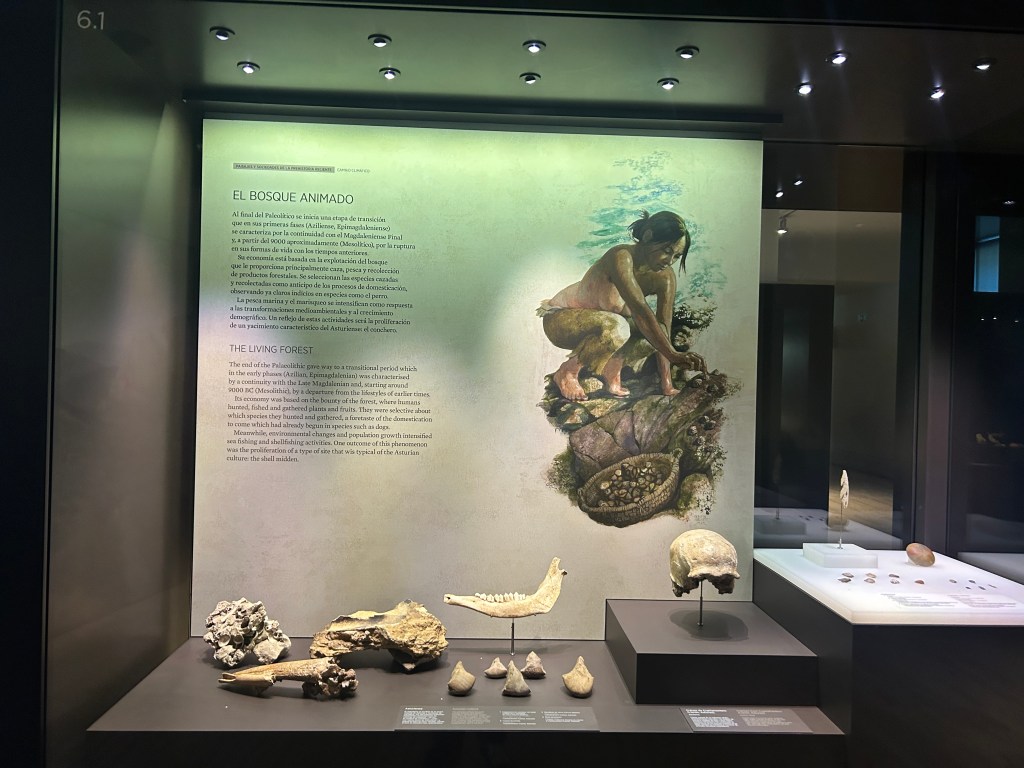
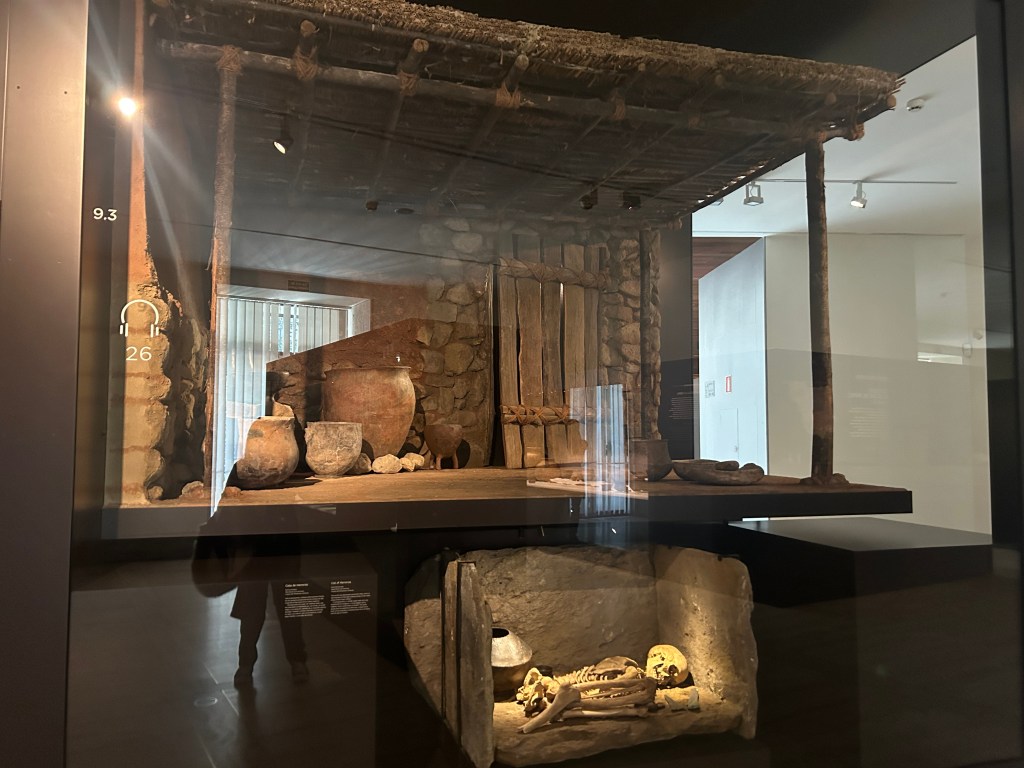
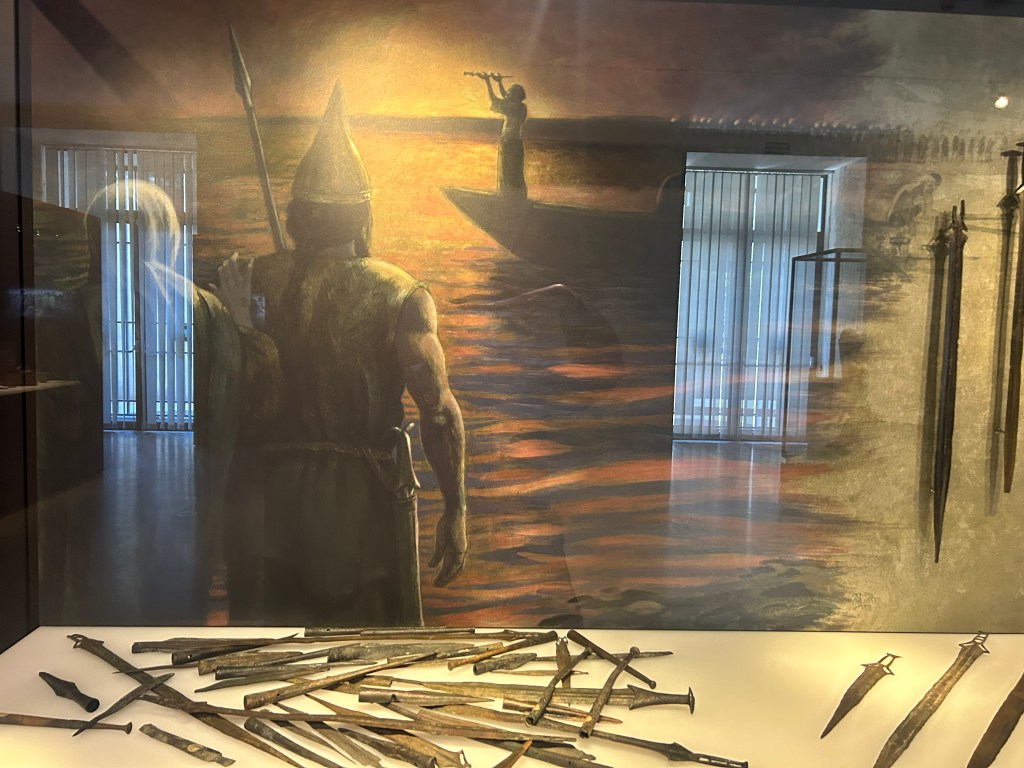
2) Protohisotory features a massive collection of artefacts on the Iberian Peninsula, from various cultures beginning at around the Early Iron Age and Romanisation period. This period begins from the First Millennium BC.
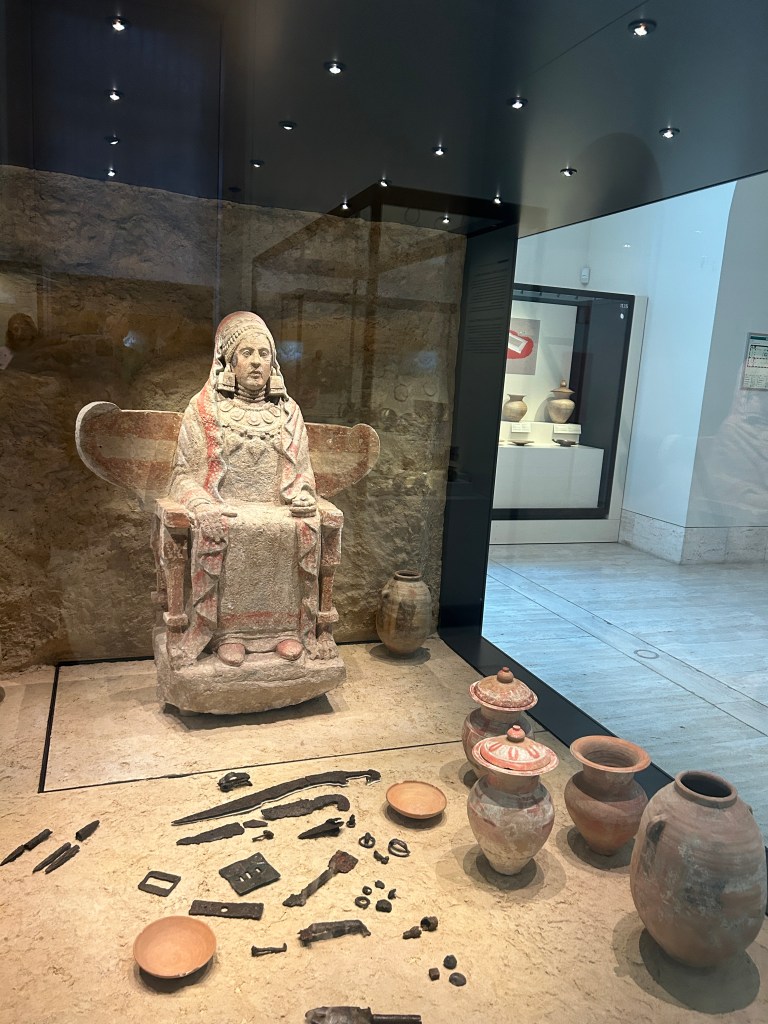
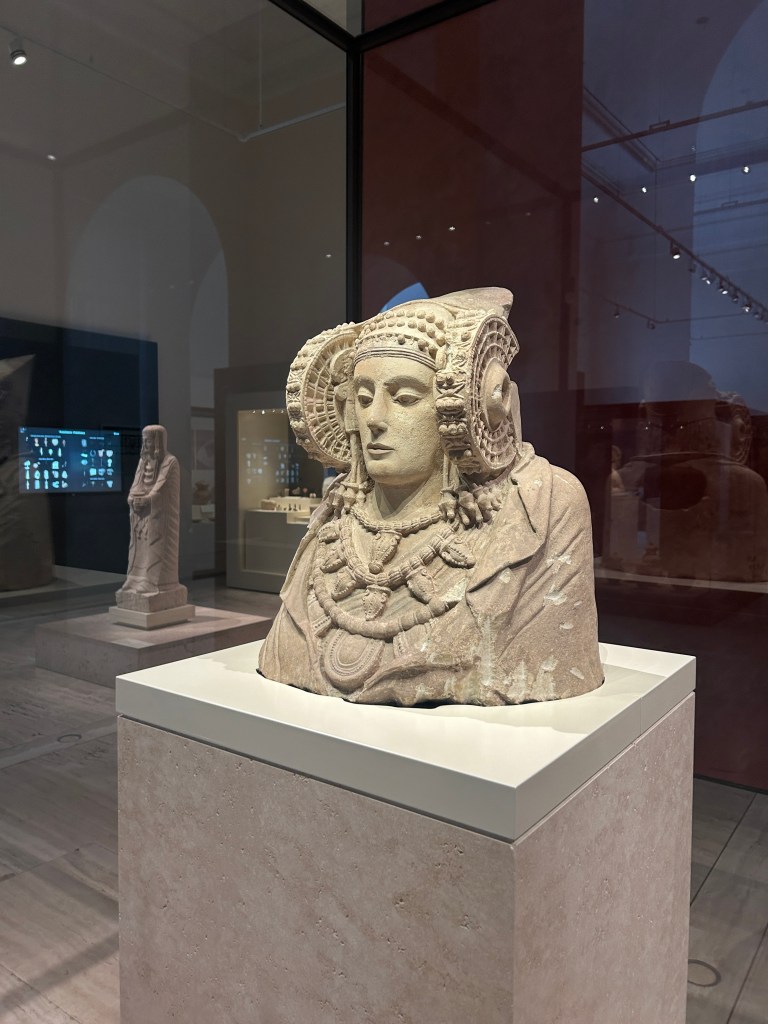
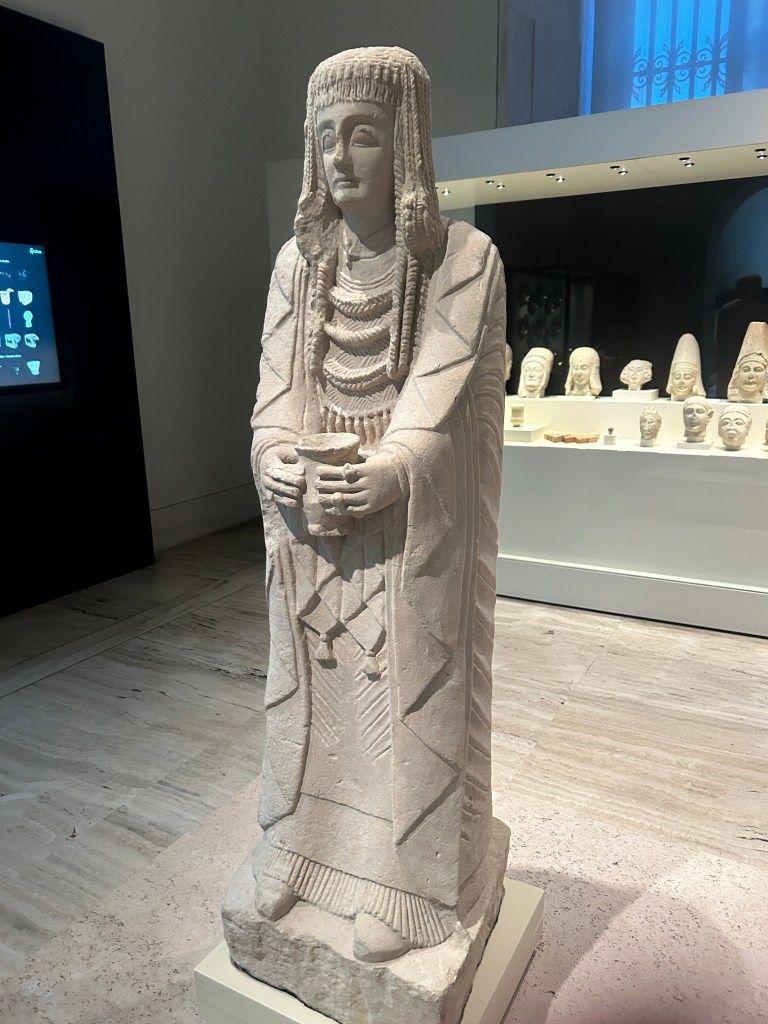
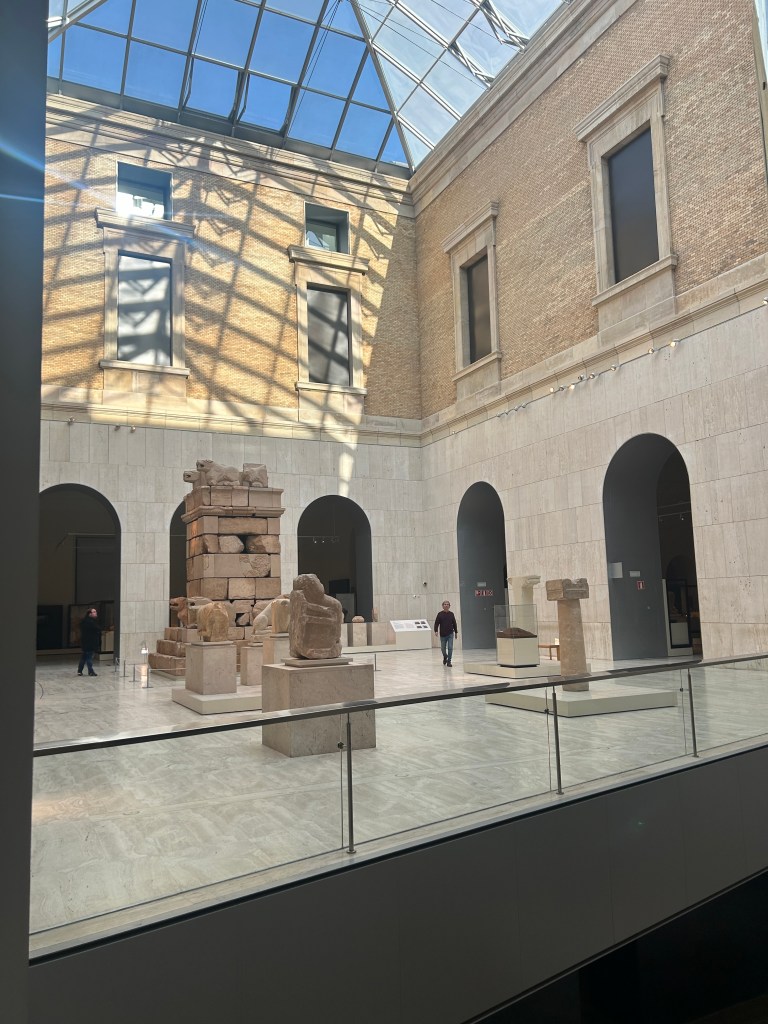

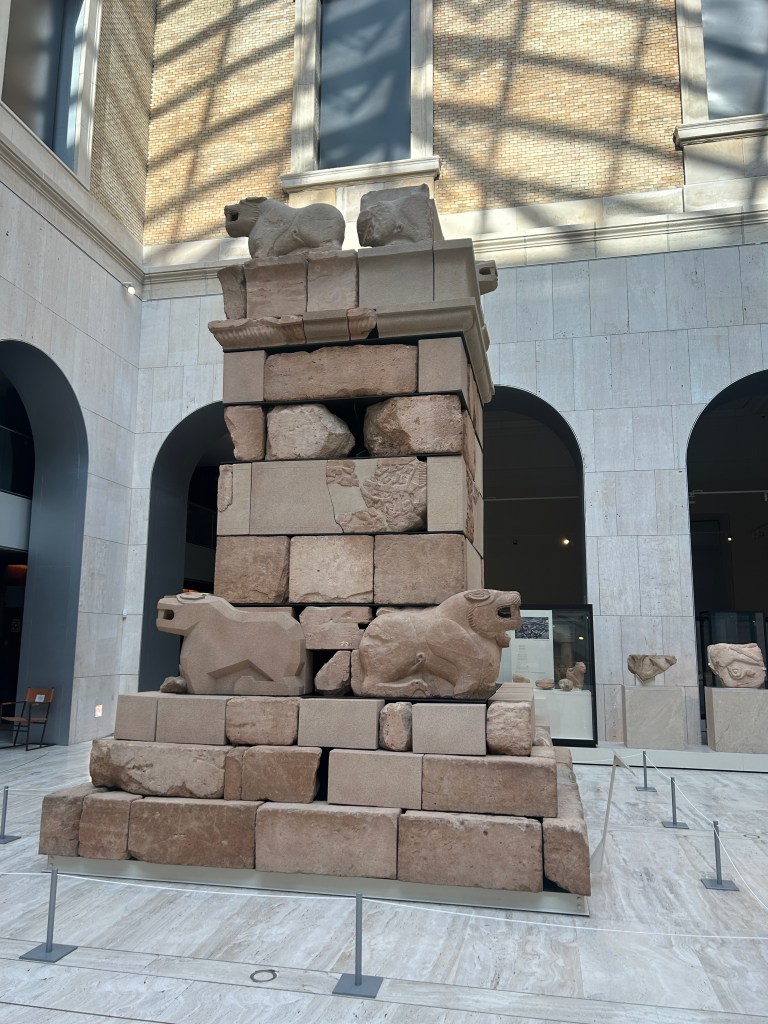
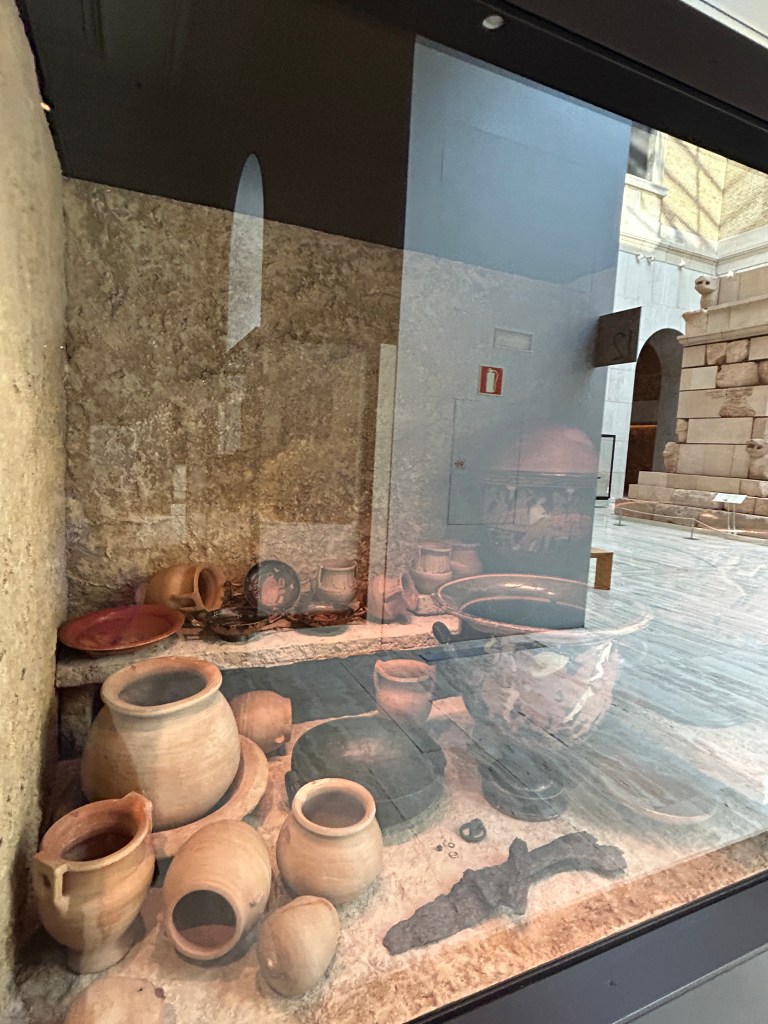
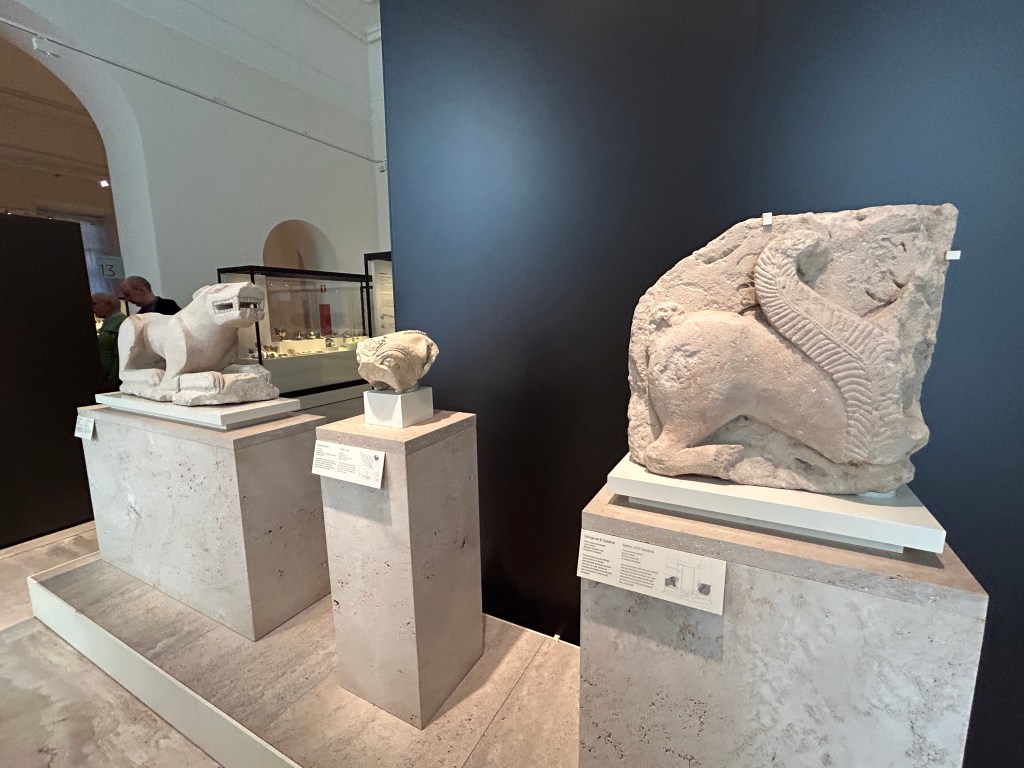
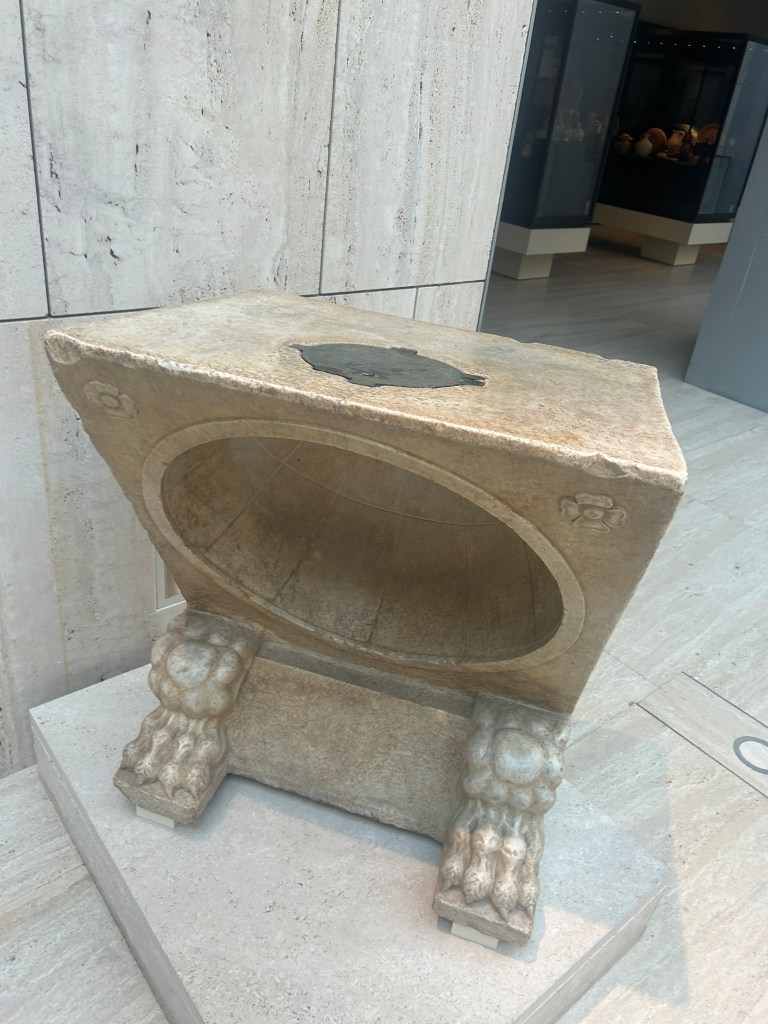
3) Hispano Roman’s section features a massive range of artefacts, mostly hailing from the first century BC to the fifth century AD. Documenting the impact of the Roman presence on the Iberian Peninsula, one can see Roman innovations and the creation of a society where the heart can be found in the Forum. Objects used in everyday life also give us a nice glimpse into everyday life found in this climate. Just to interject, this is the first time I have ever seen the legendary sundial up close. The one that I saw in this section was truly majestic as its stature indicated how wealthy the town it belonged to was.
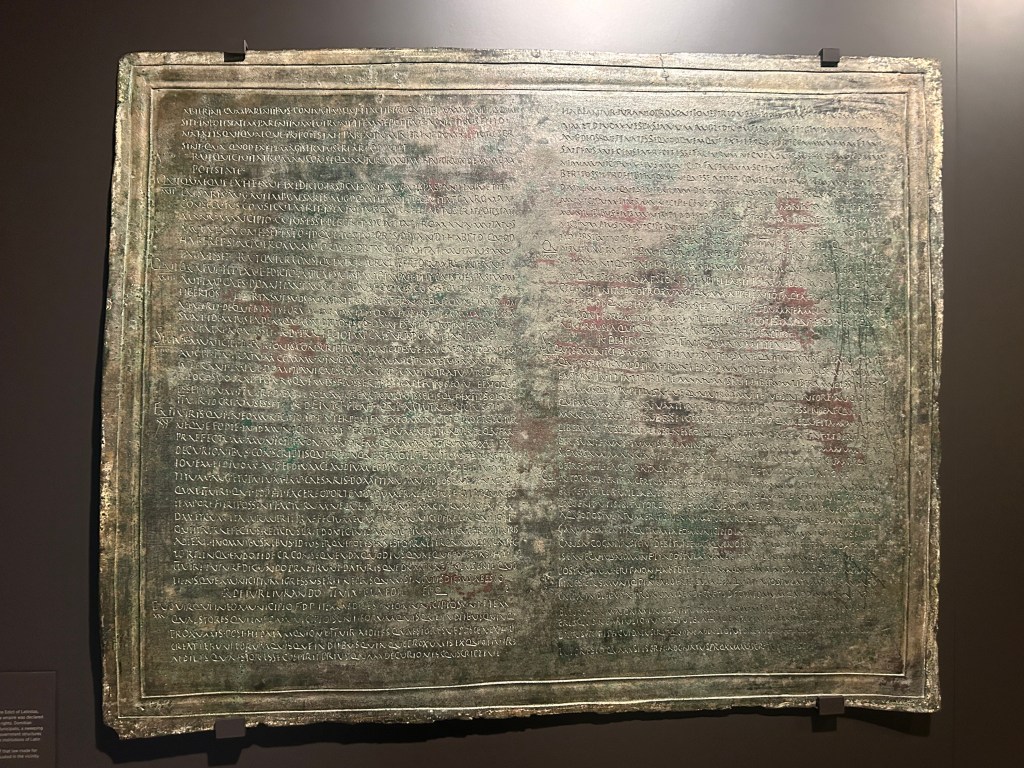
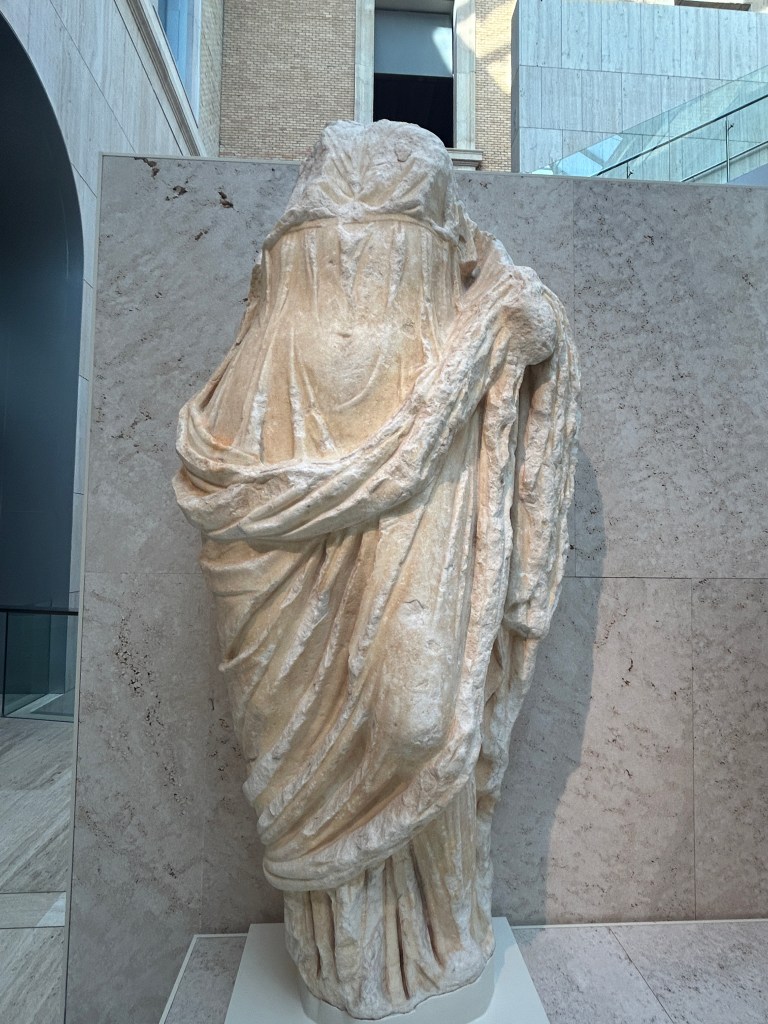

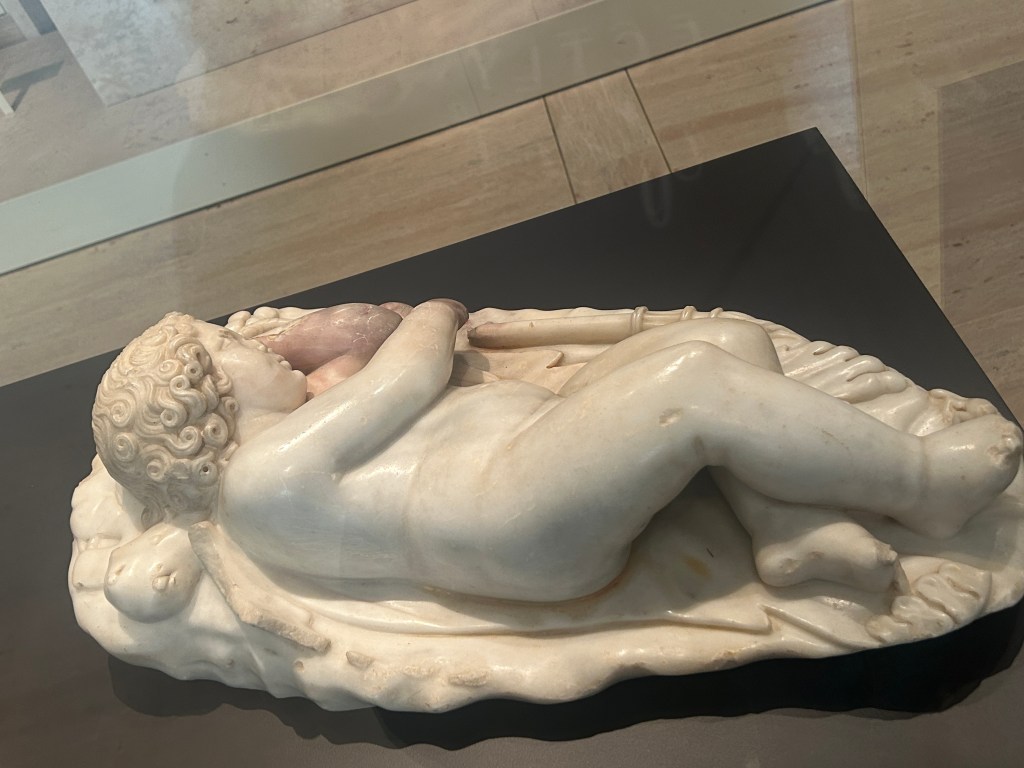
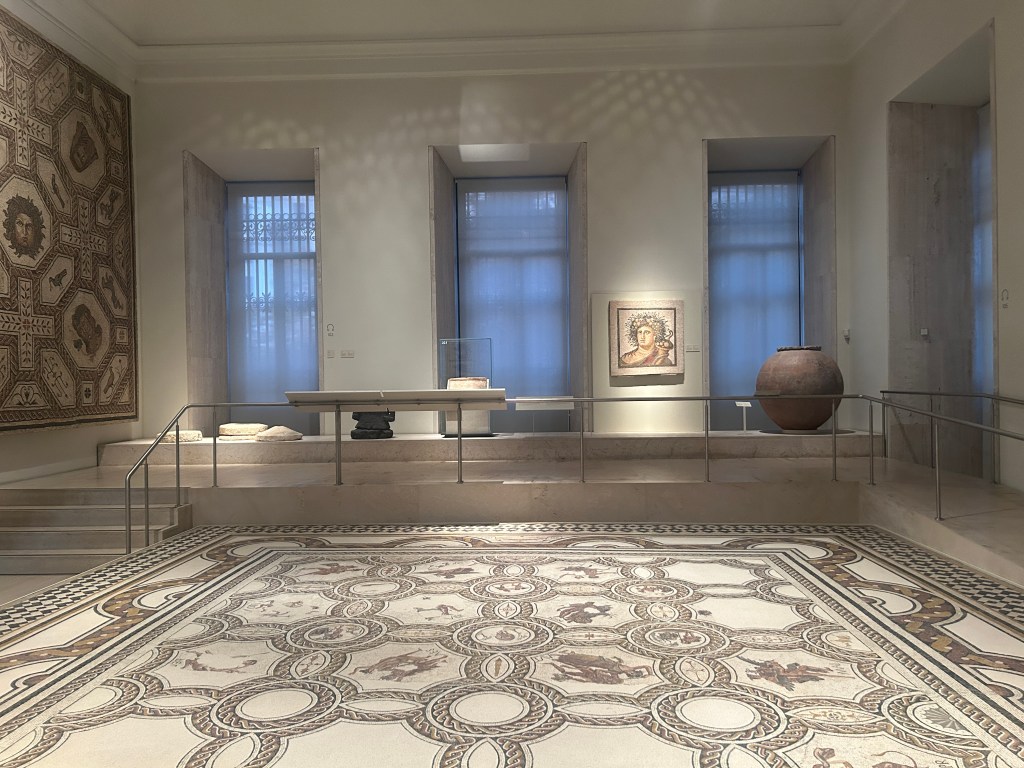
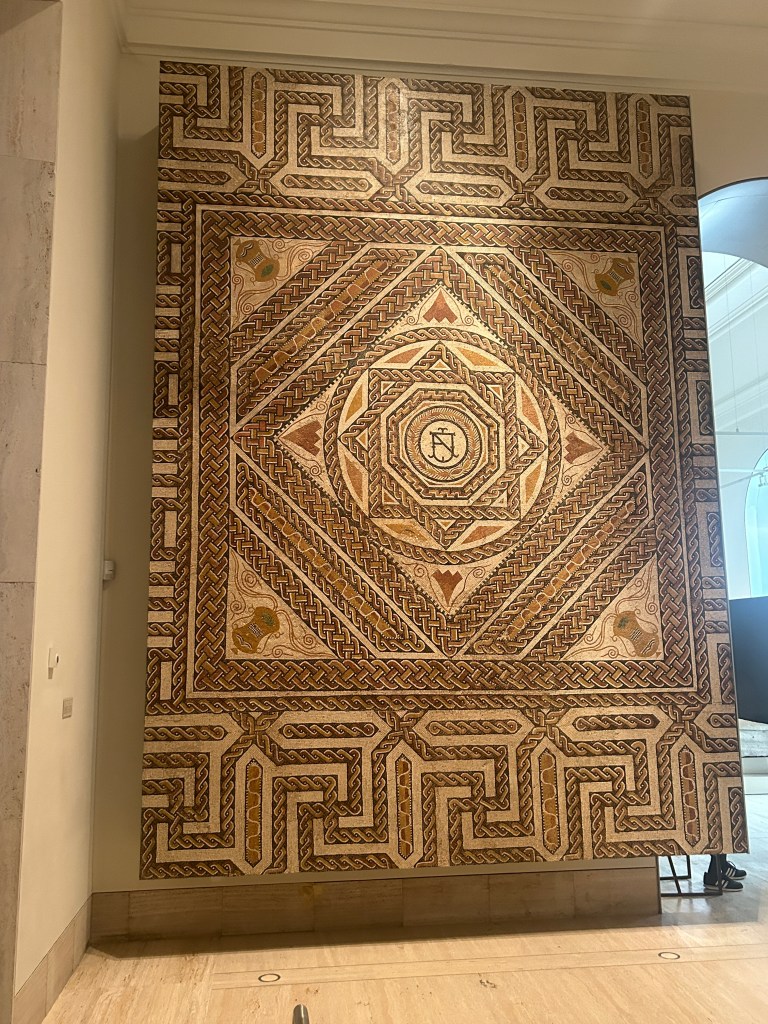
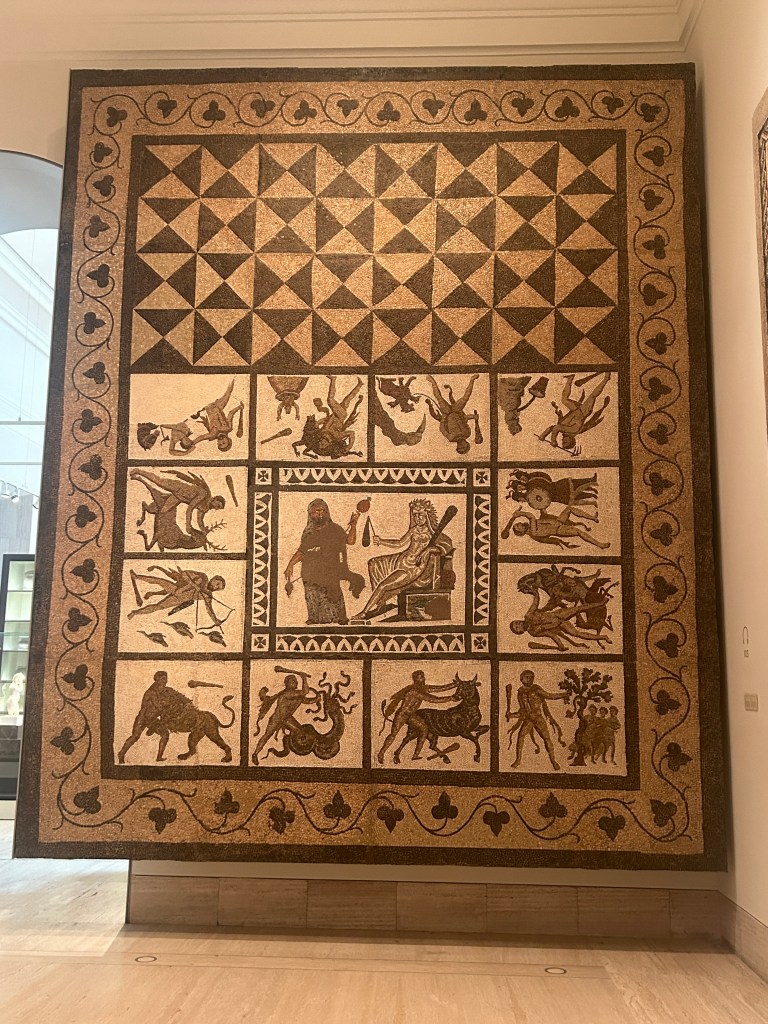
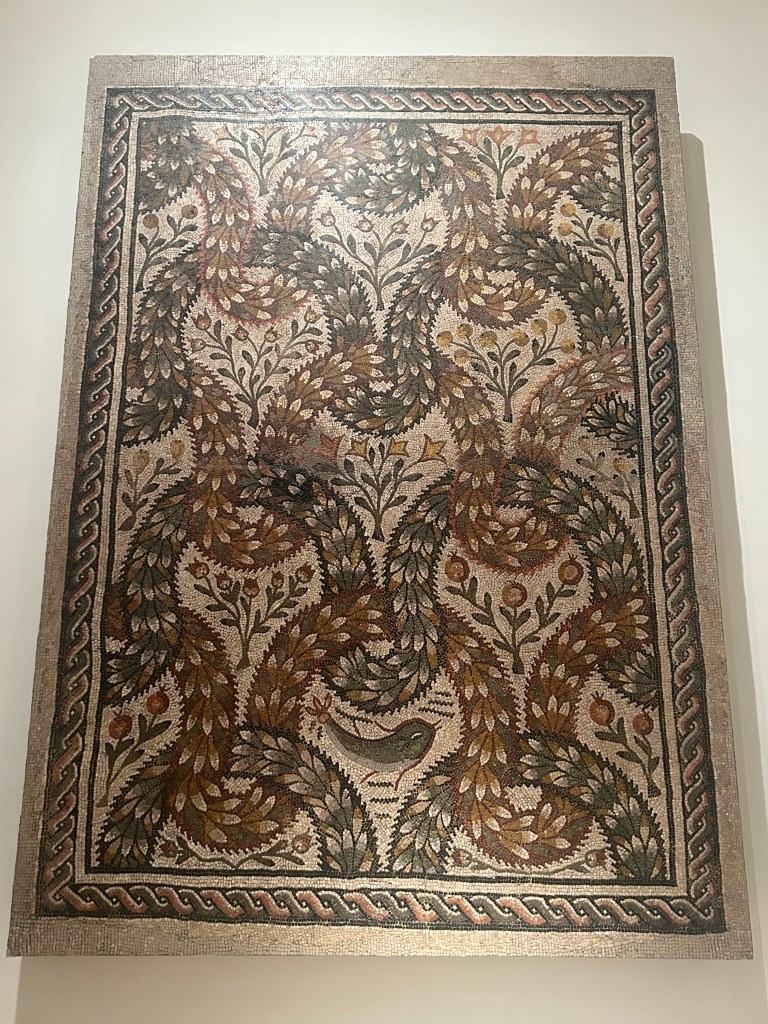
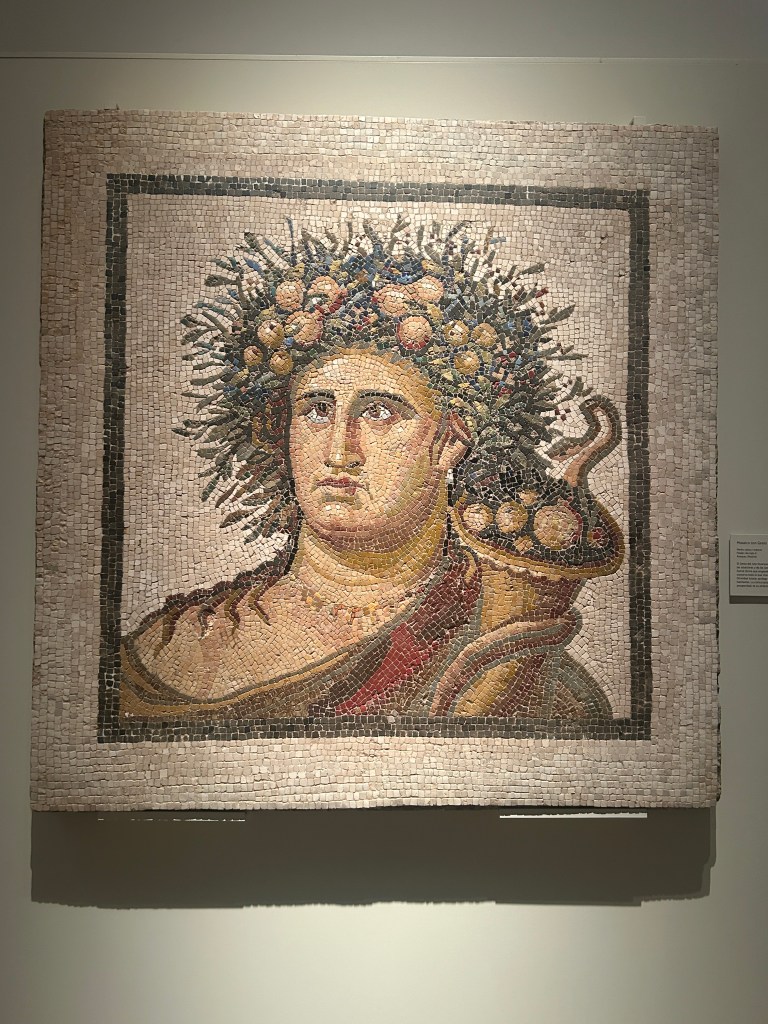
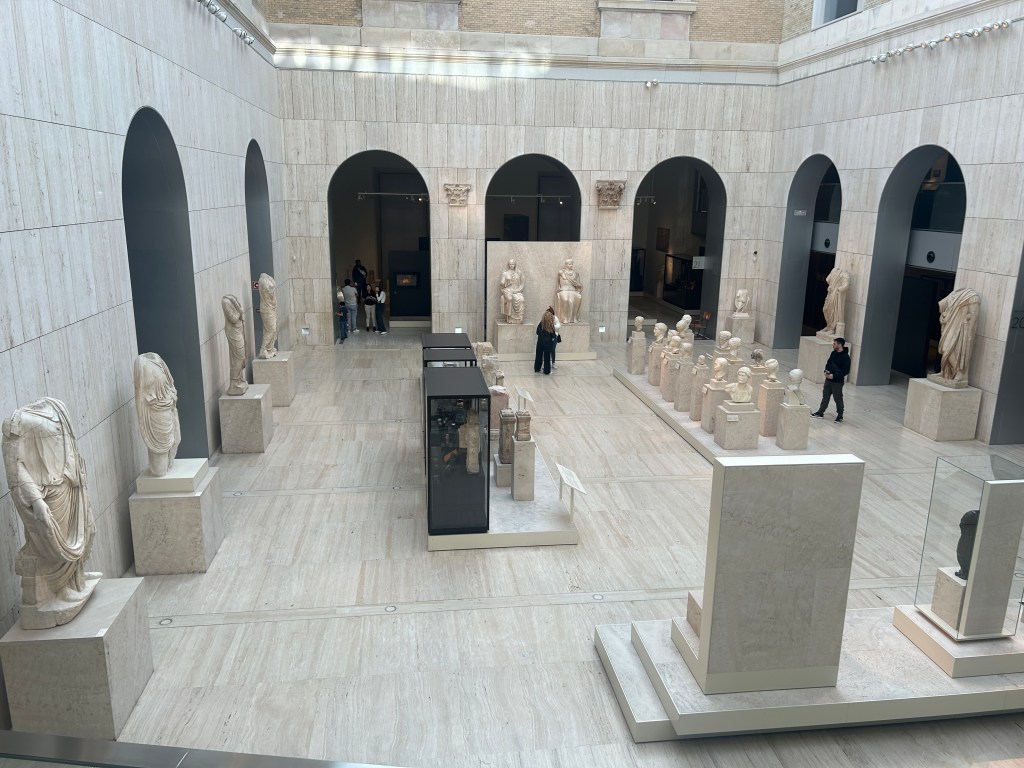
4) Medieval Collection- This section is splayed out among multiple levels of the museum. It was such a gigantic collection largely due to the long period covered from the 4th century to the 15th century from three varying cultural contexts:
1) Visigothic kingdom of Toledo
2) The Hispano-Islamic world
3) Christian Kingdoms (everyday and religious objects from León, Asturias and Palencia).
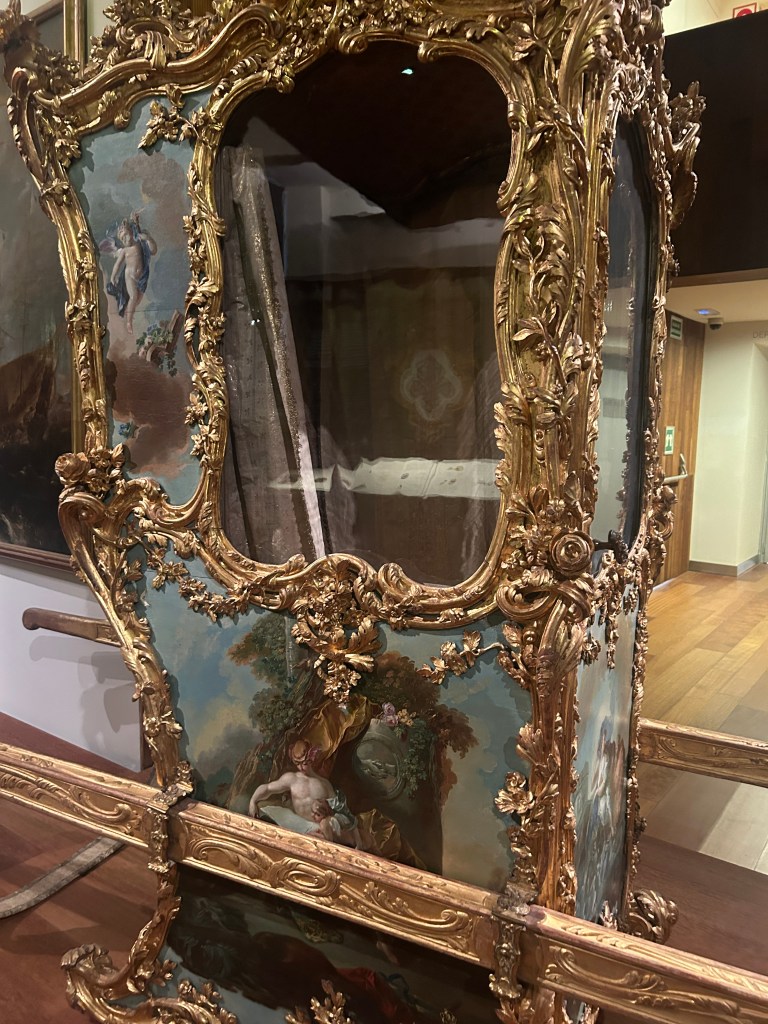
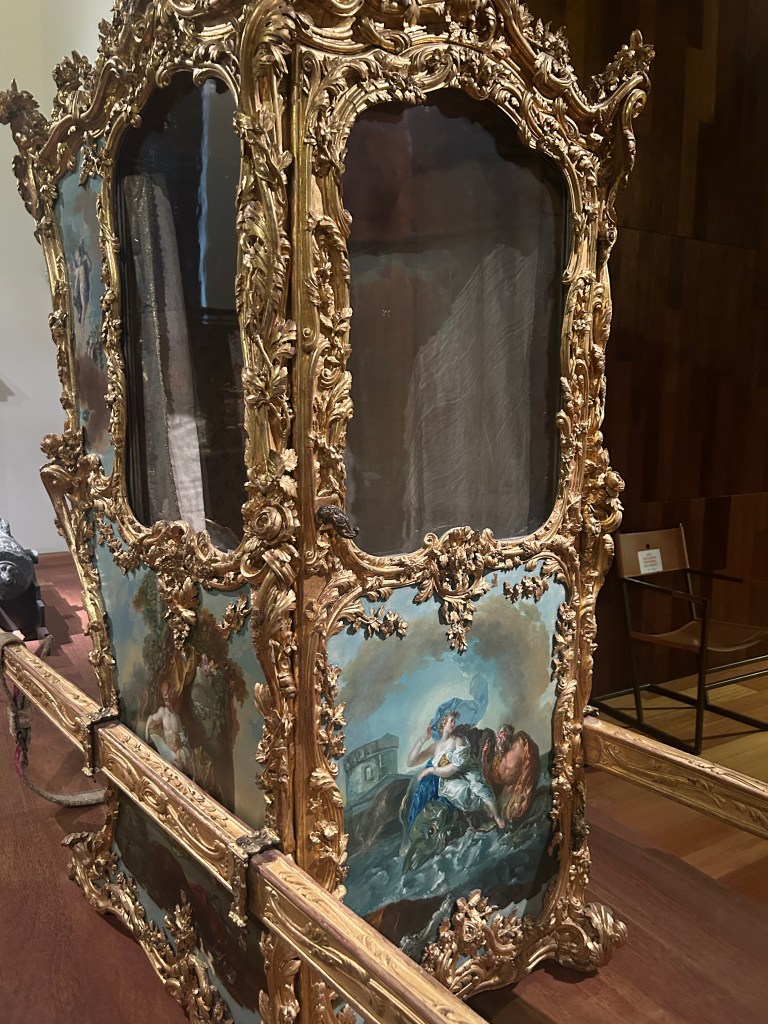
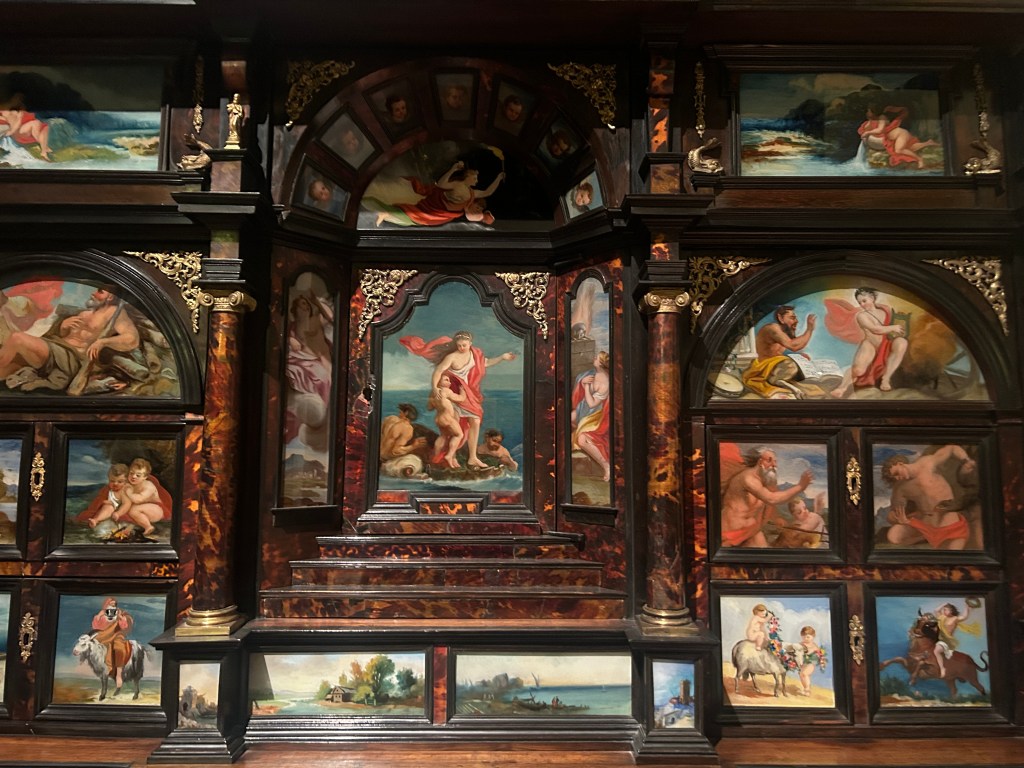
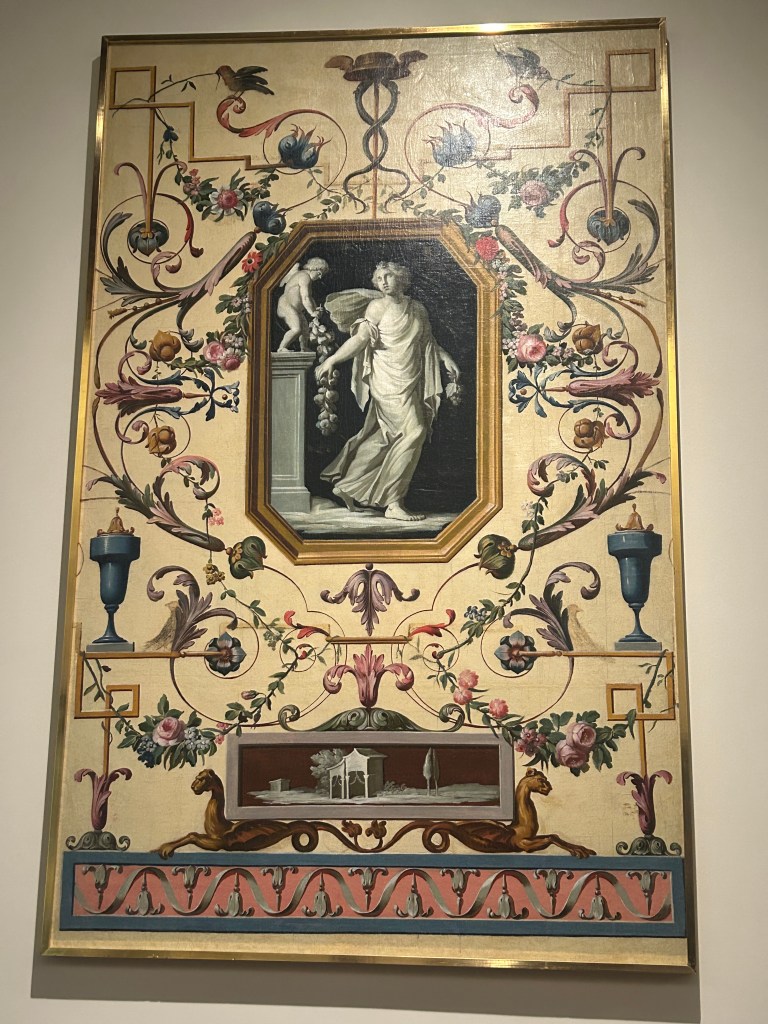
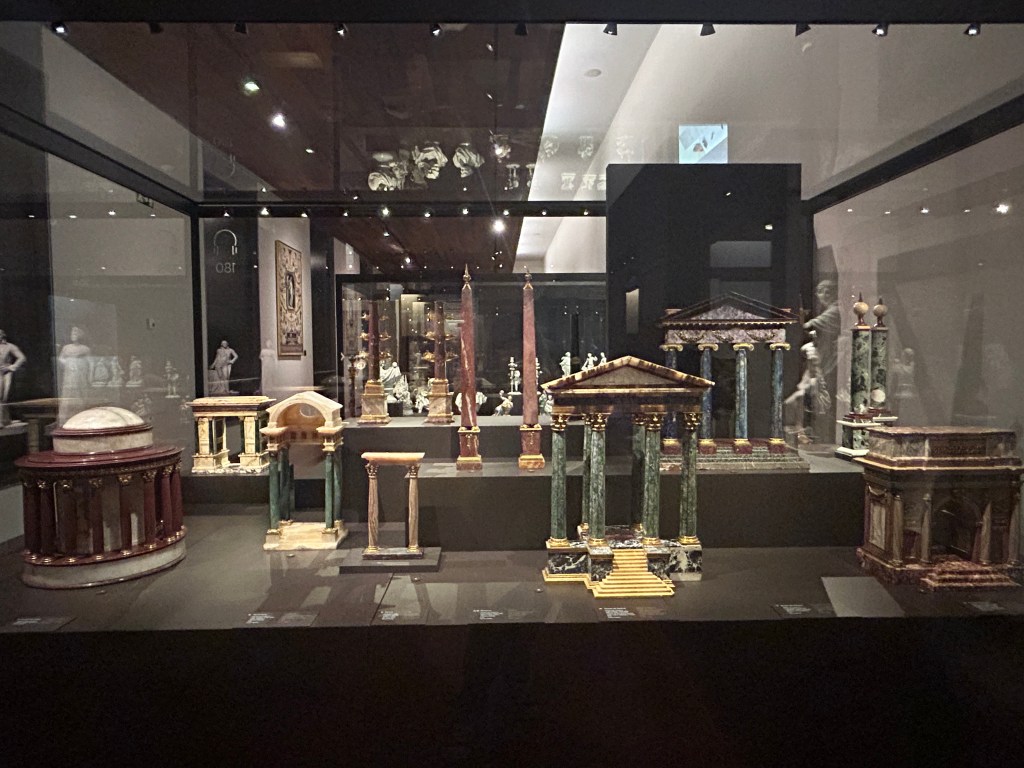
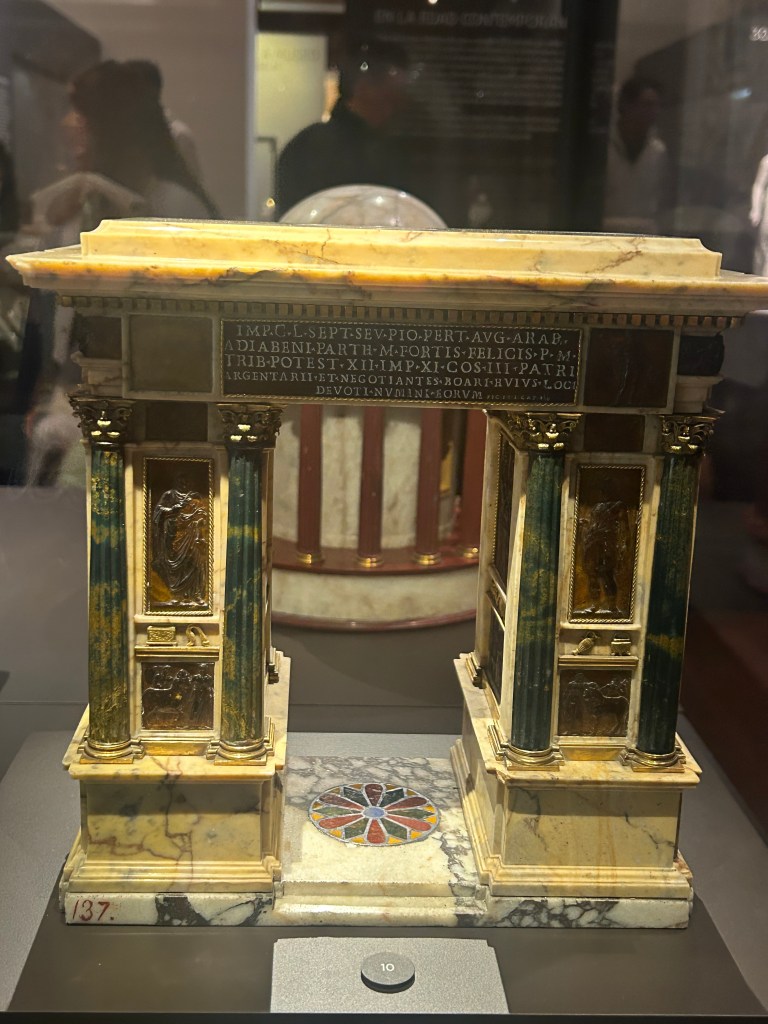
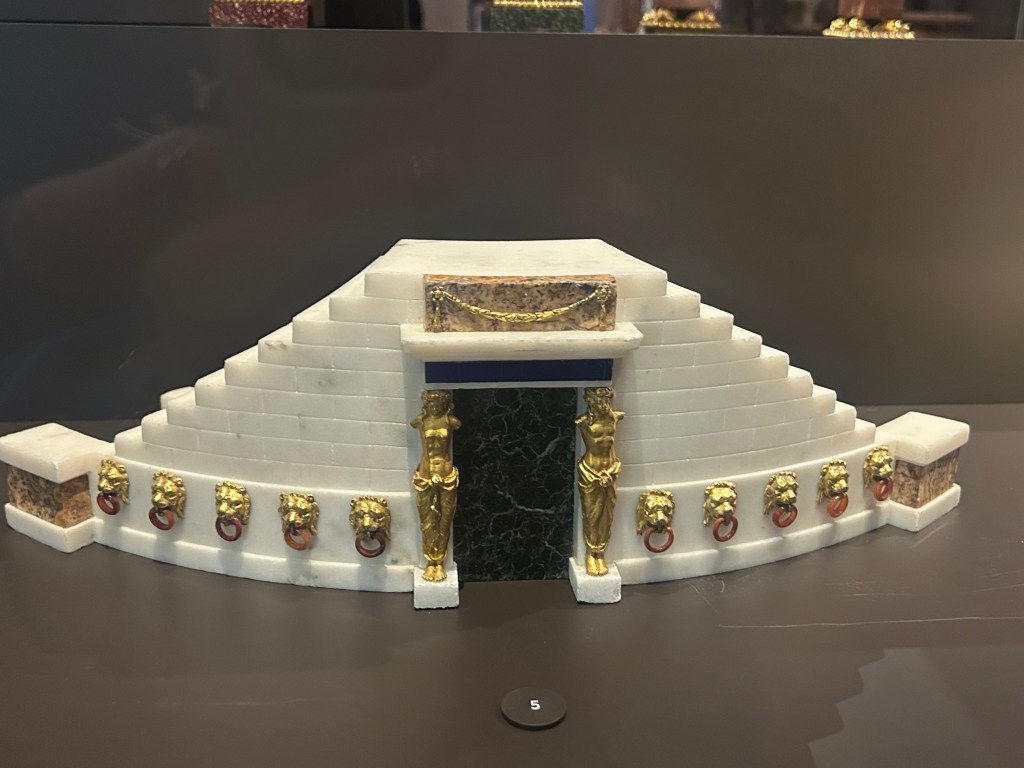
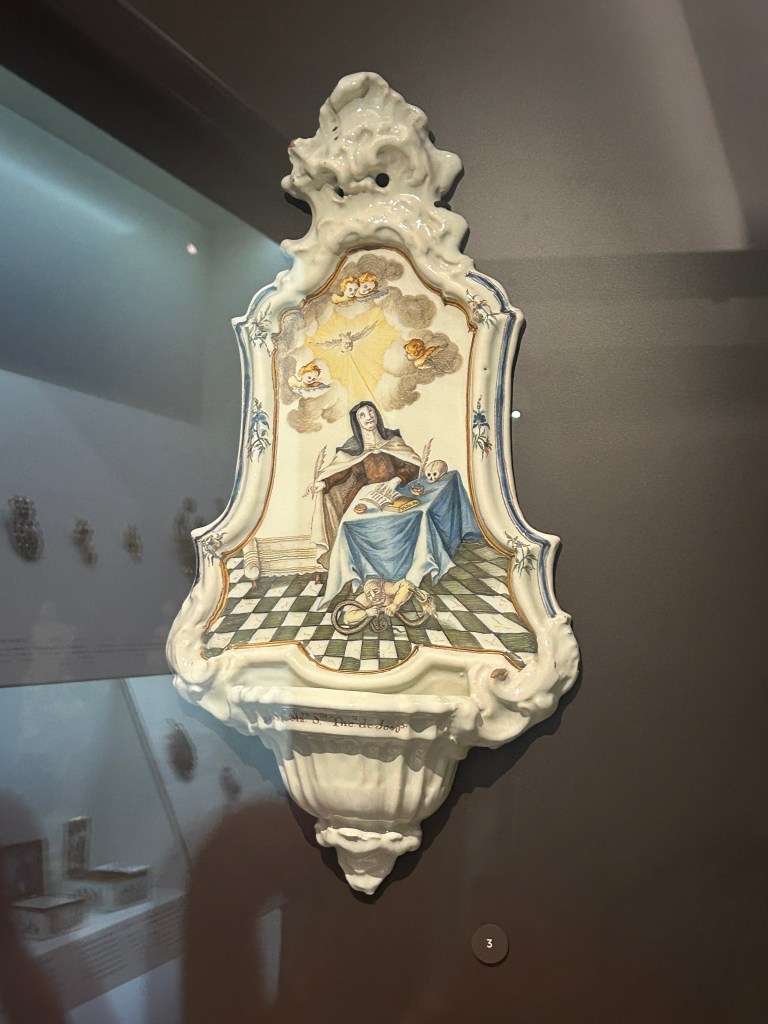
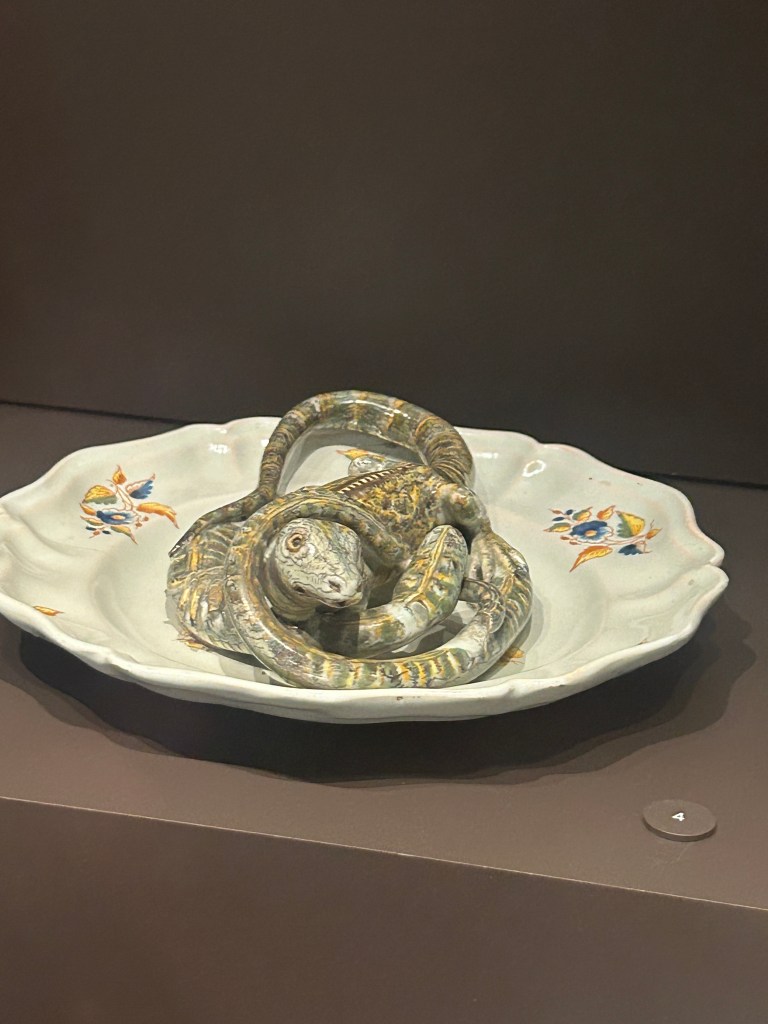
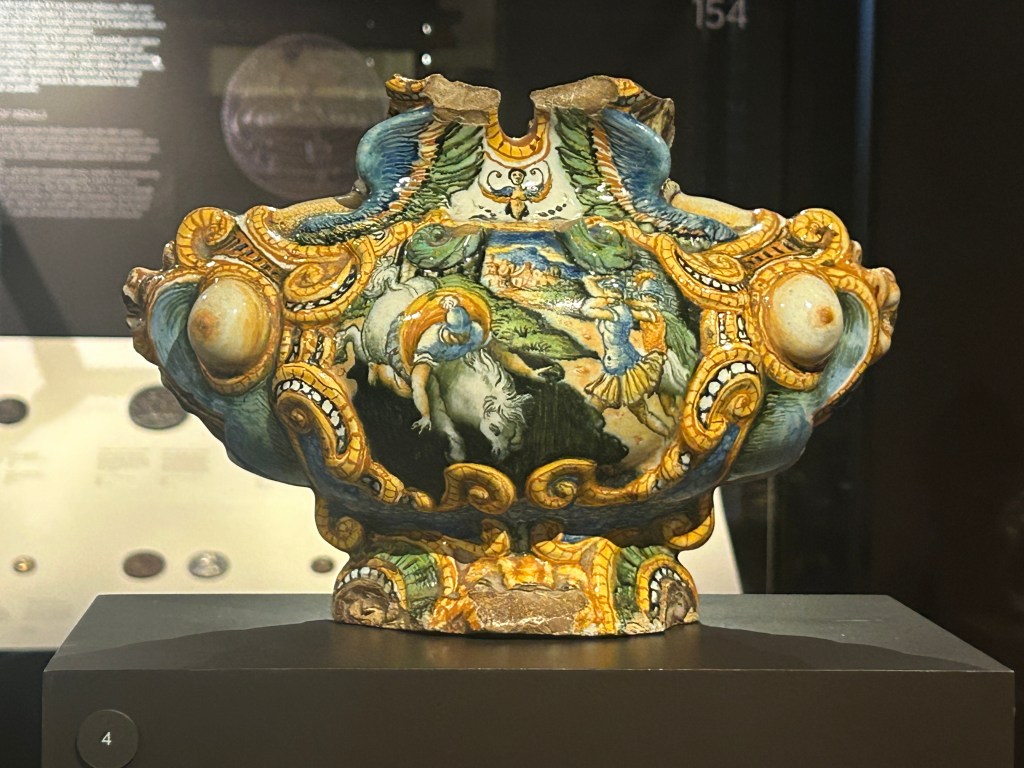
5) The Modern Era features works that reflected changing trends due to the dawn of enlightenment and other foreign influences. Sculptures made of every material under the sun can also be found here as well as scientific apparatuses as well as every type of tool ranging from musical to furniture. These objects clearly encapsulate the changing tastes, preoccupations and technology of the time period.

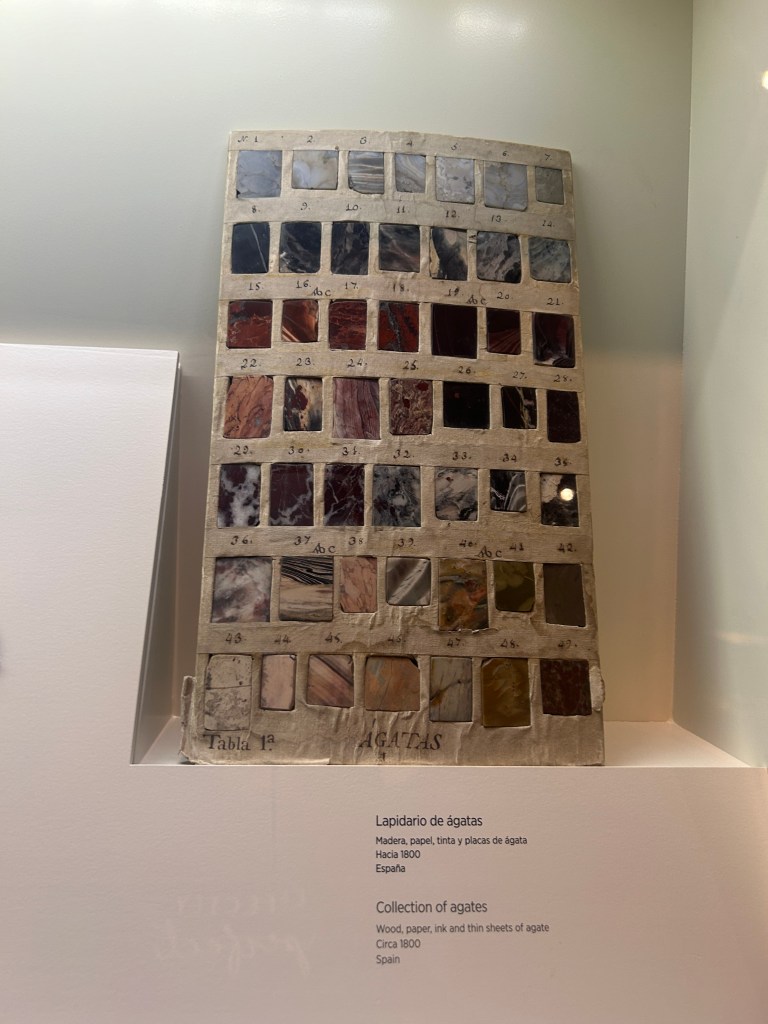

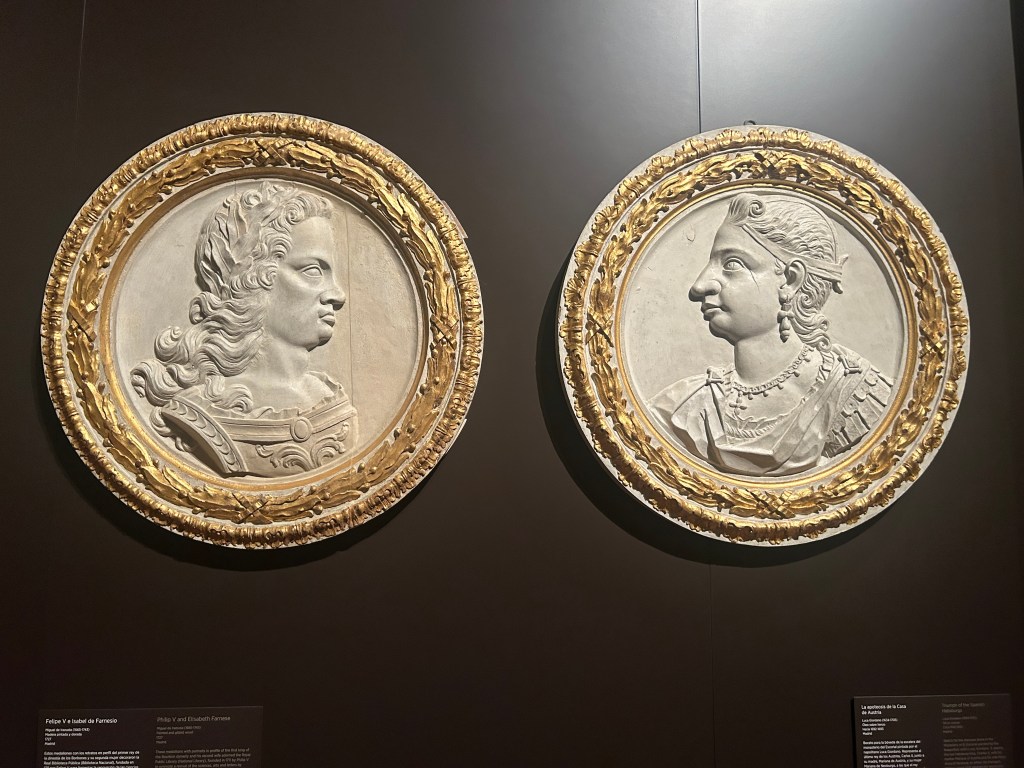

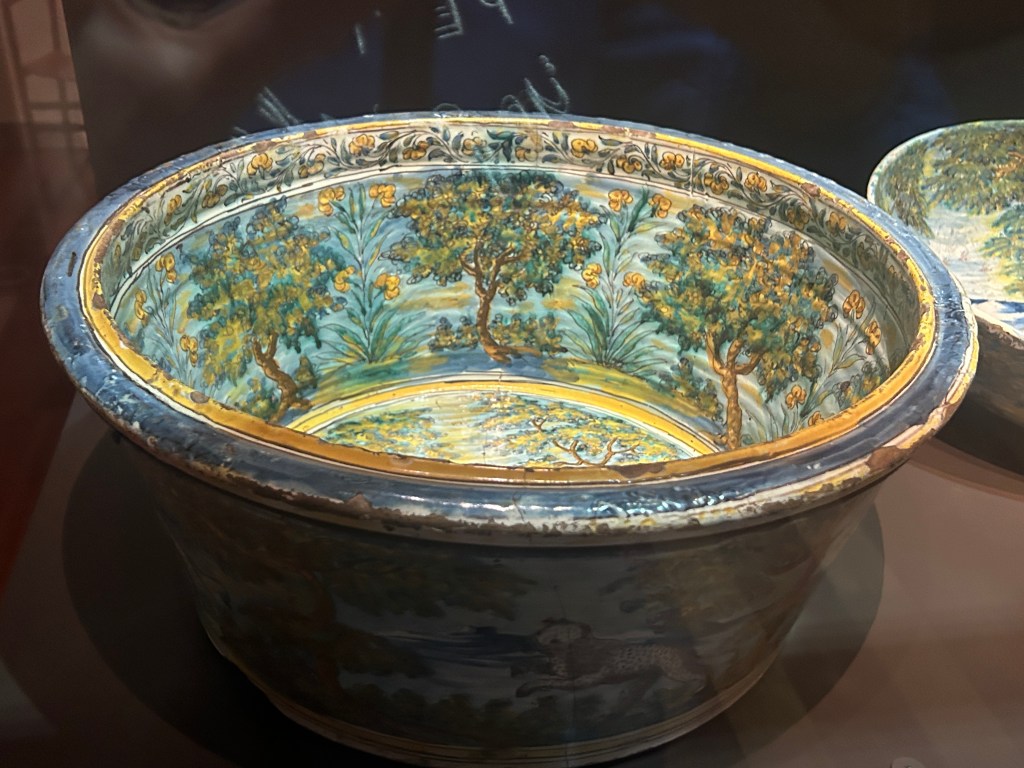
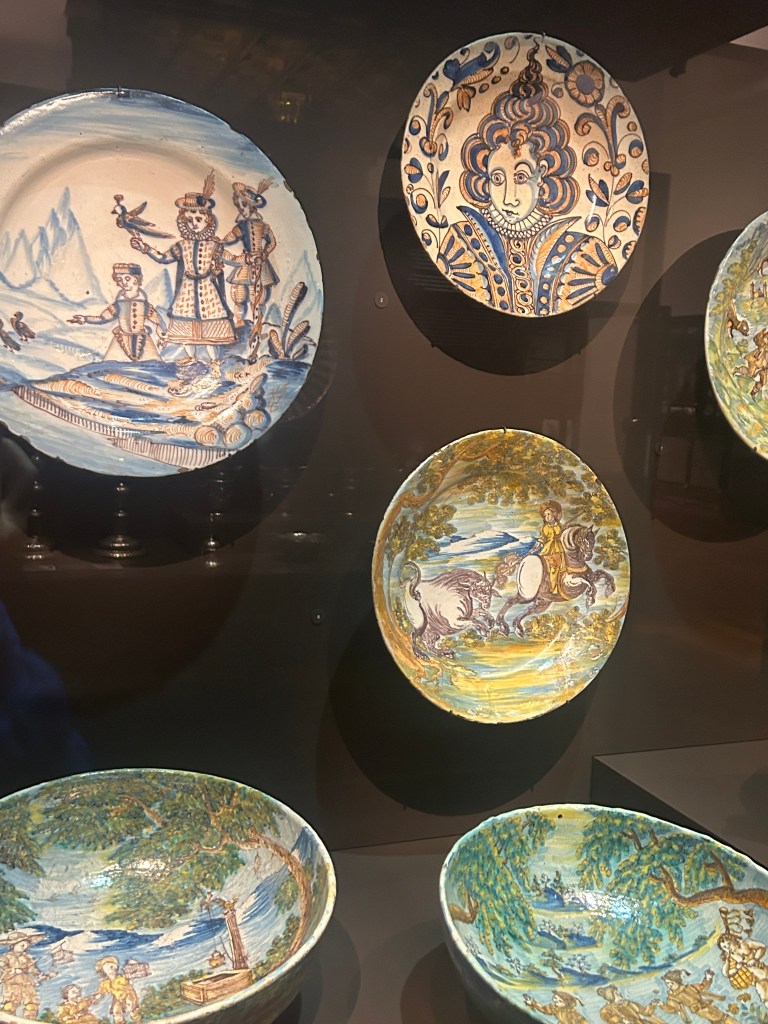
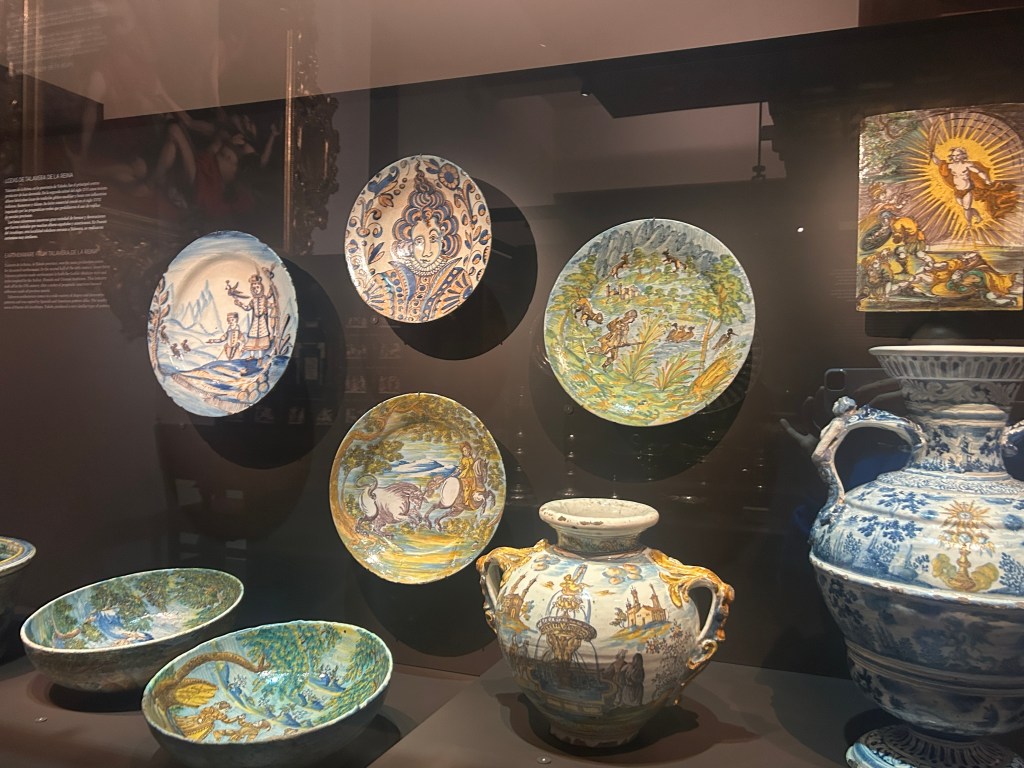
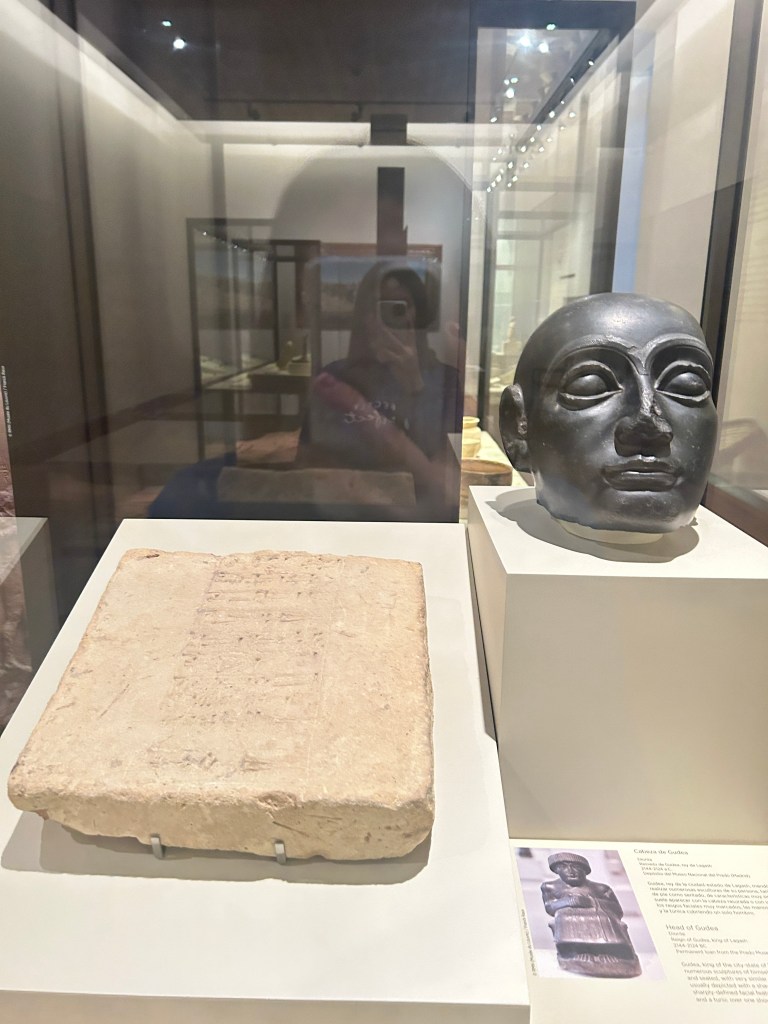
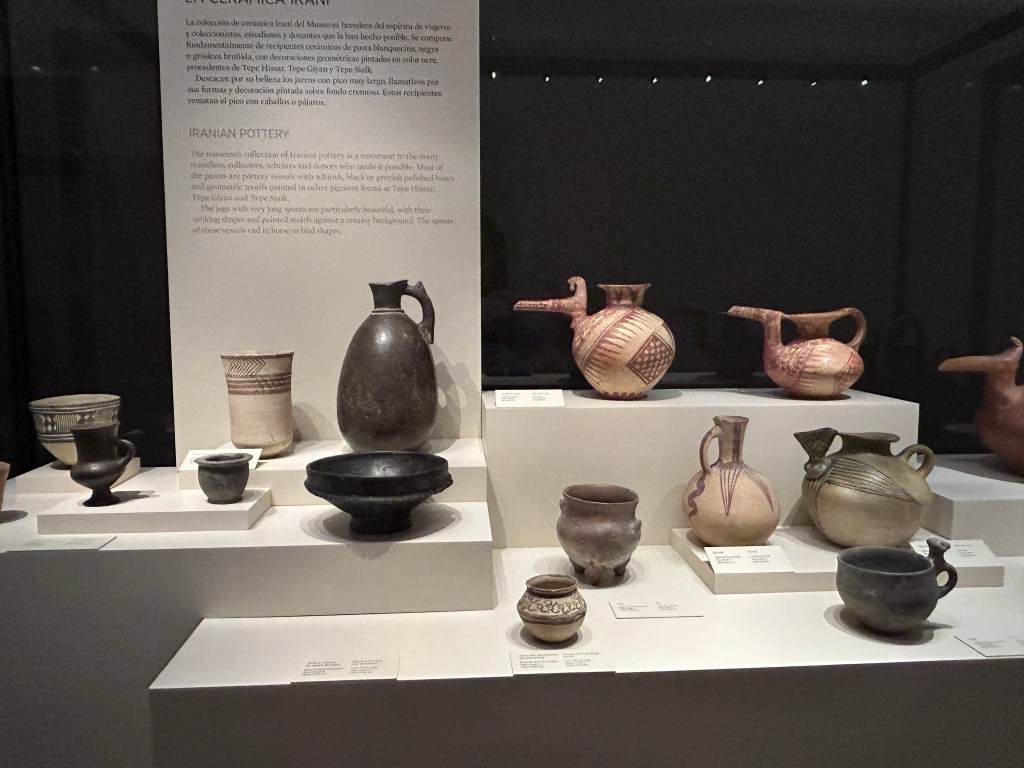
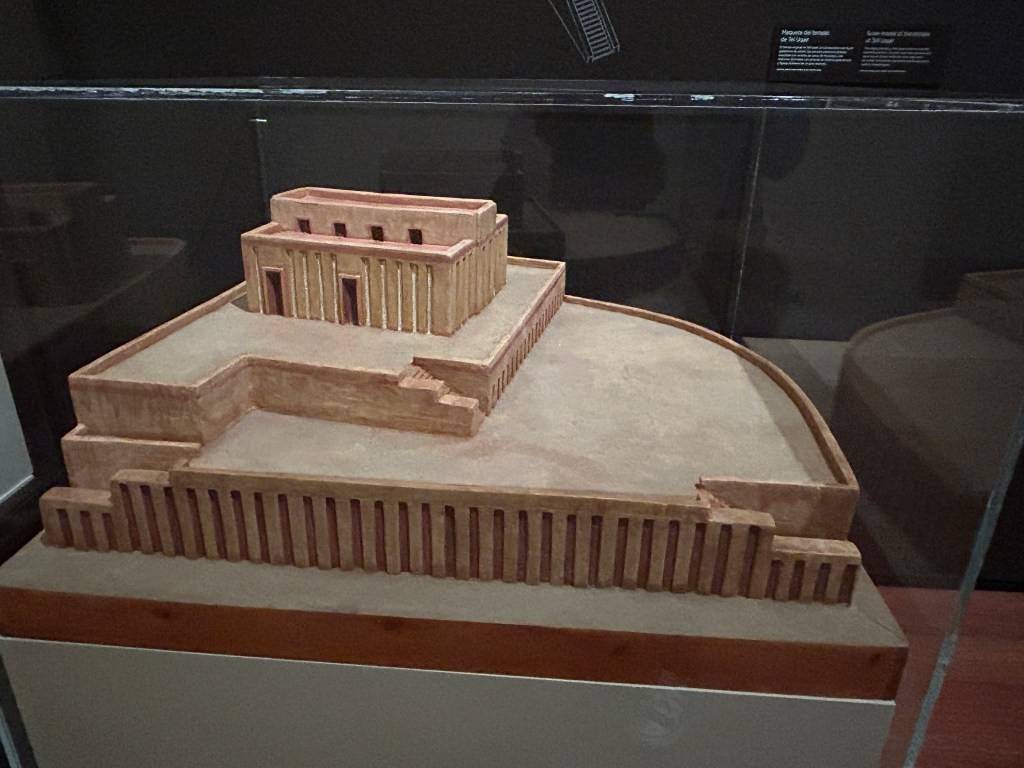
6) Egypt and Near East’s section features objects from Prehistory all the way to the Middle Ages.

Notable things I learnt in The MAN:
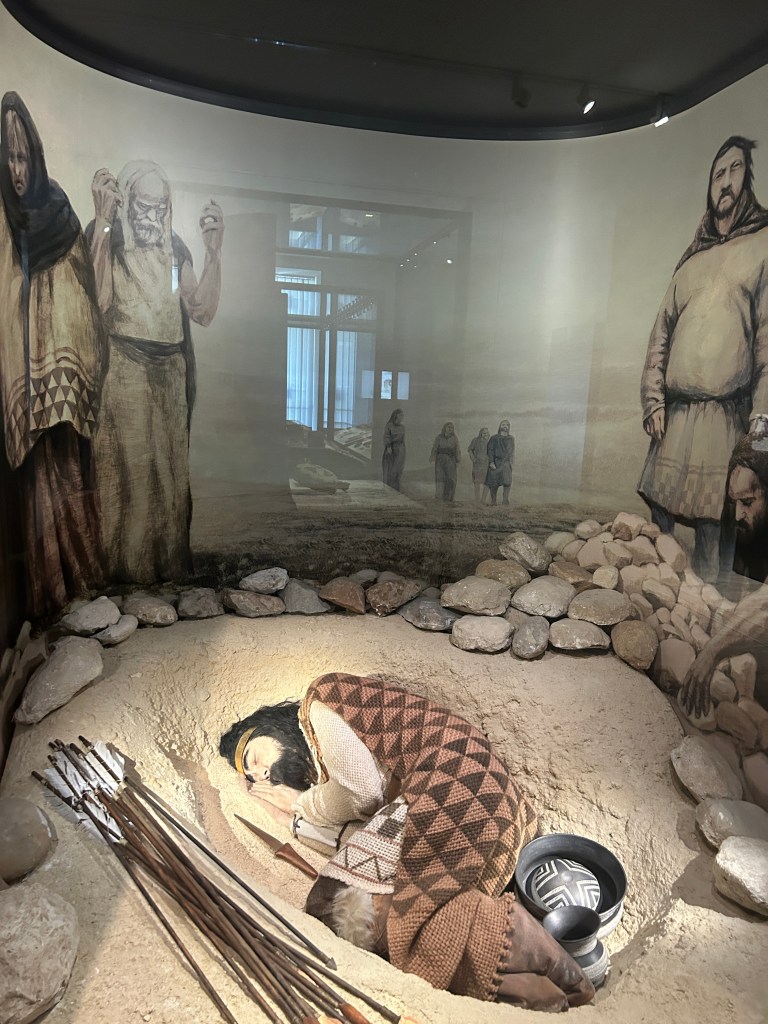
-In the Argar (Early Bronze Age) culture, corpses would be buried beneath their own dwellings.
-There was the pervasive custom along the European Atlantic seaboard through throughout the Bronze Age of plunging valuable bronze objects such as weapons underwater. These were probably part of ritualistic offerings to the divine as objects that sink to the bottom of the ocean would be impossible to recover.
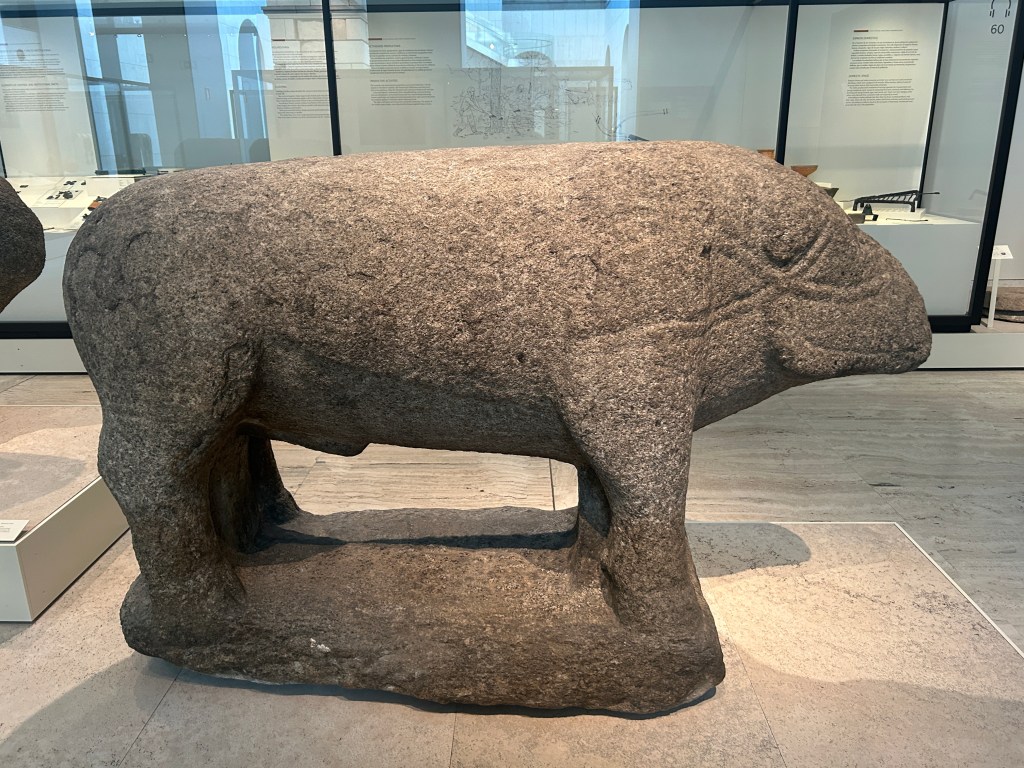
-Male beast sculptures usually fashioned out of bulls or pigs predominantly fashioned in granite made their appearance in the Peninsula’s western region , and are believed as territory marker or pastures protector belonging to land owned by large regional settlements. These Verracos later served funerary utility purposes as well and were reused and engraved with names in Latin. Talk about up cycling.
-Sundials were placed in town squares and people who were hanging out there could tell the time based on the shadow cast from the monument. Imagine having to walk to the local Plaza just to tell the time!
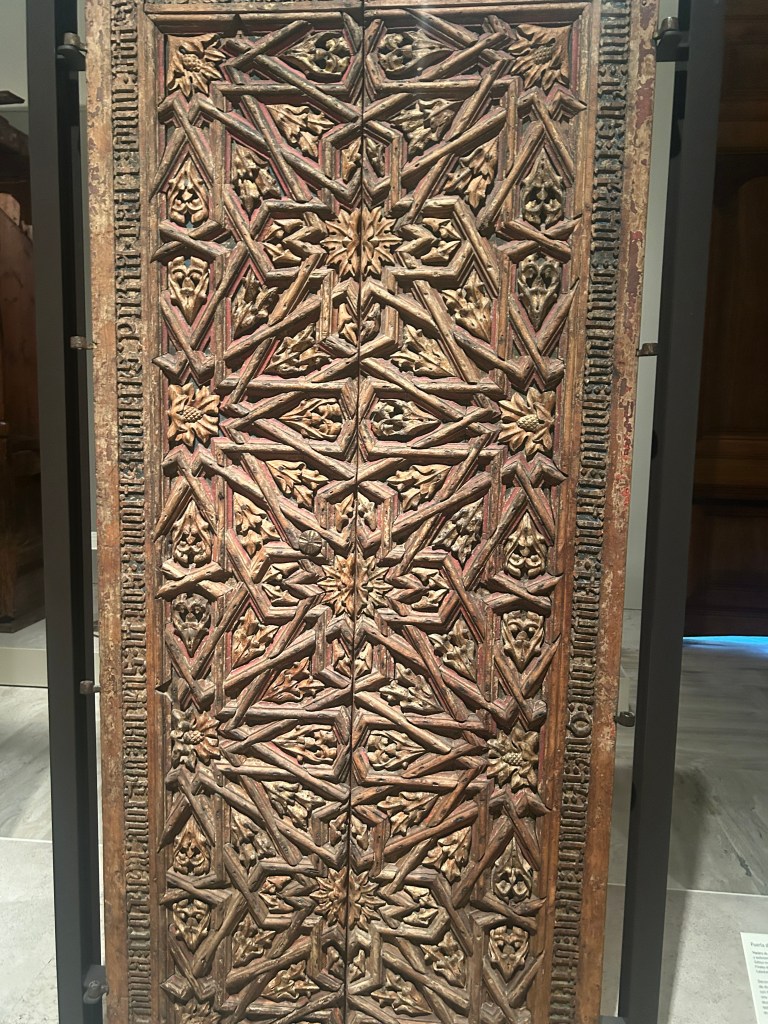
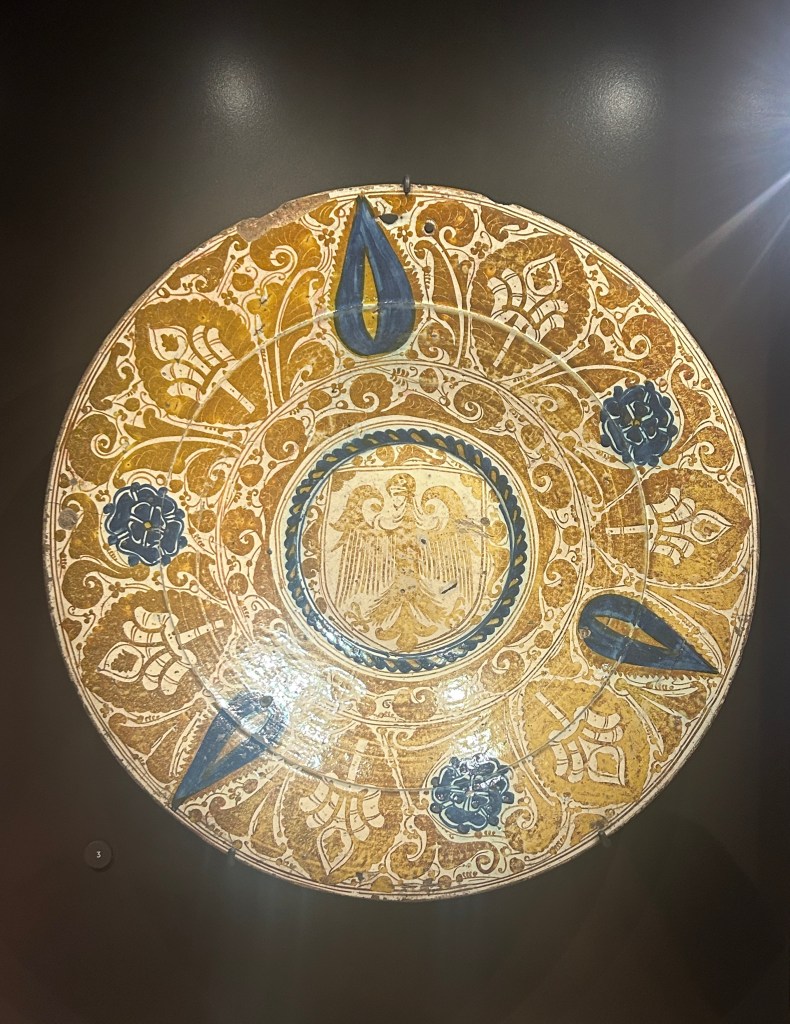
– Mudejar Art was born when the Christian reconquest was complete. Muslims came to be known as Mudejars and they were allowed to keep their faith and law. These Hispano -Islamic craftsmen took up employment under Christians which resulted in the blend of both cultures called Mudejar Art. This genre of aesthetics pervaded every aspect of life in Spanish society.
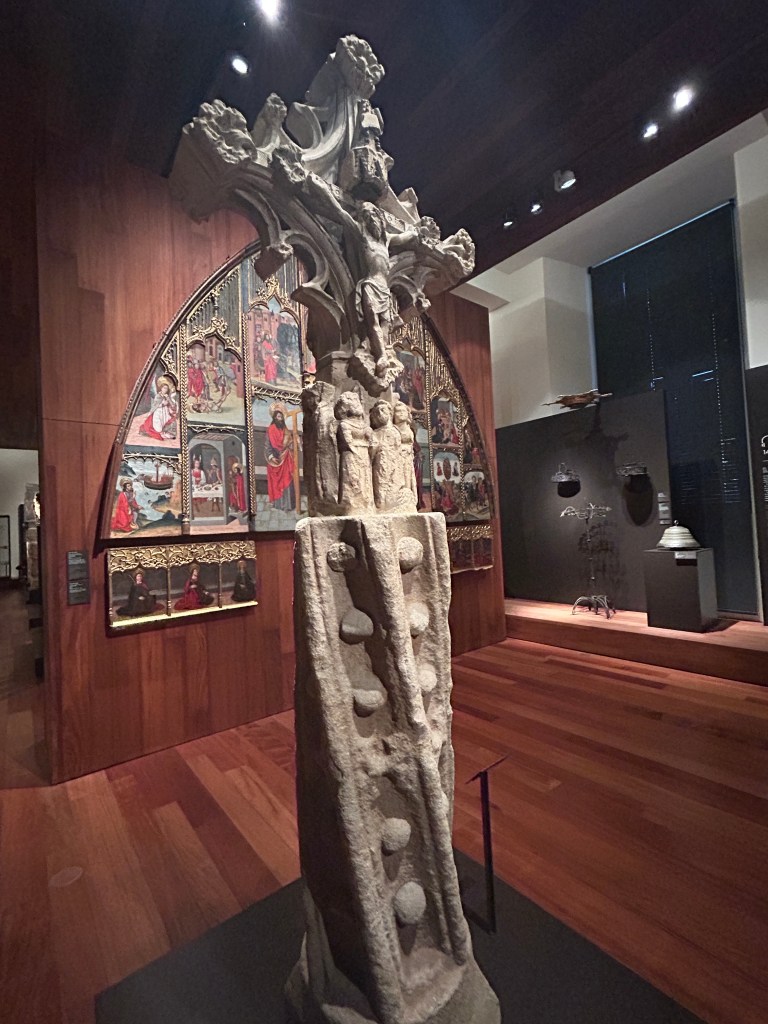
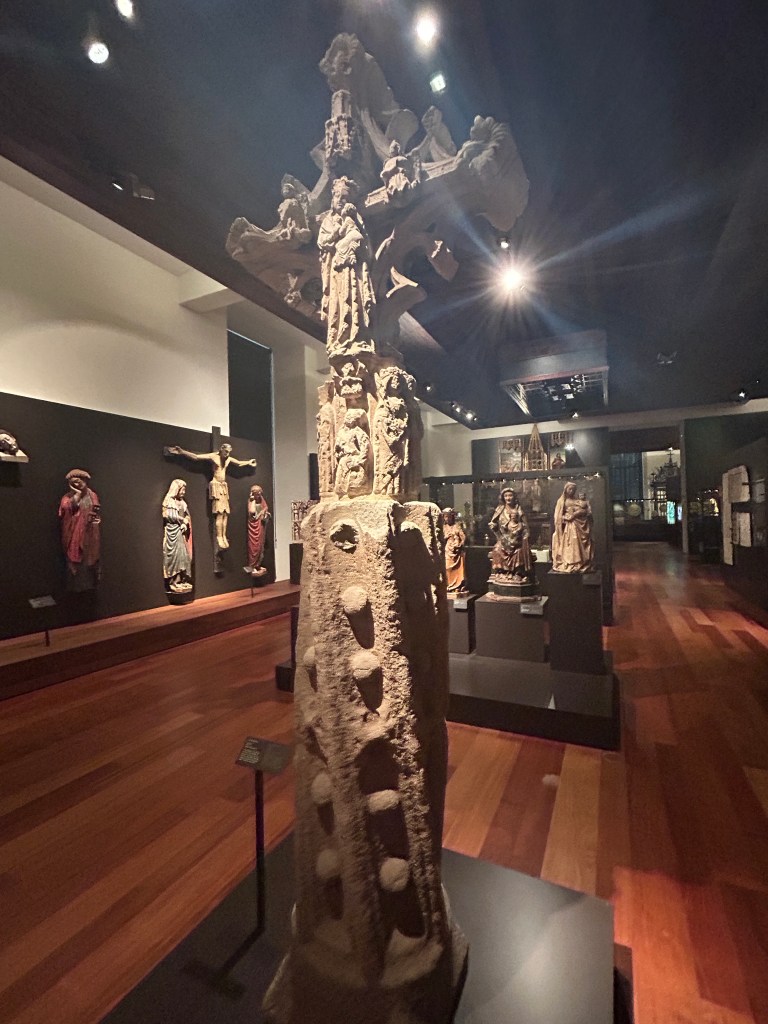
-Typical Eastern Spanish Crosses would feature the crucifix on the front while on the Holy Virgin and the Christ Child would be featured on the reverse.
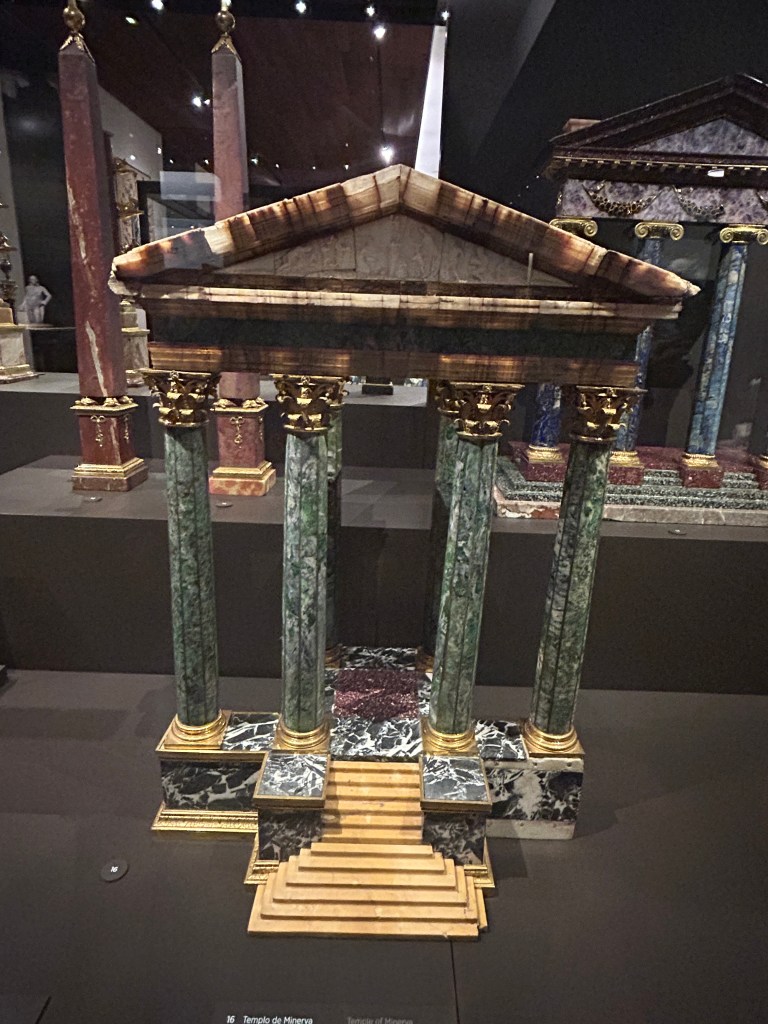
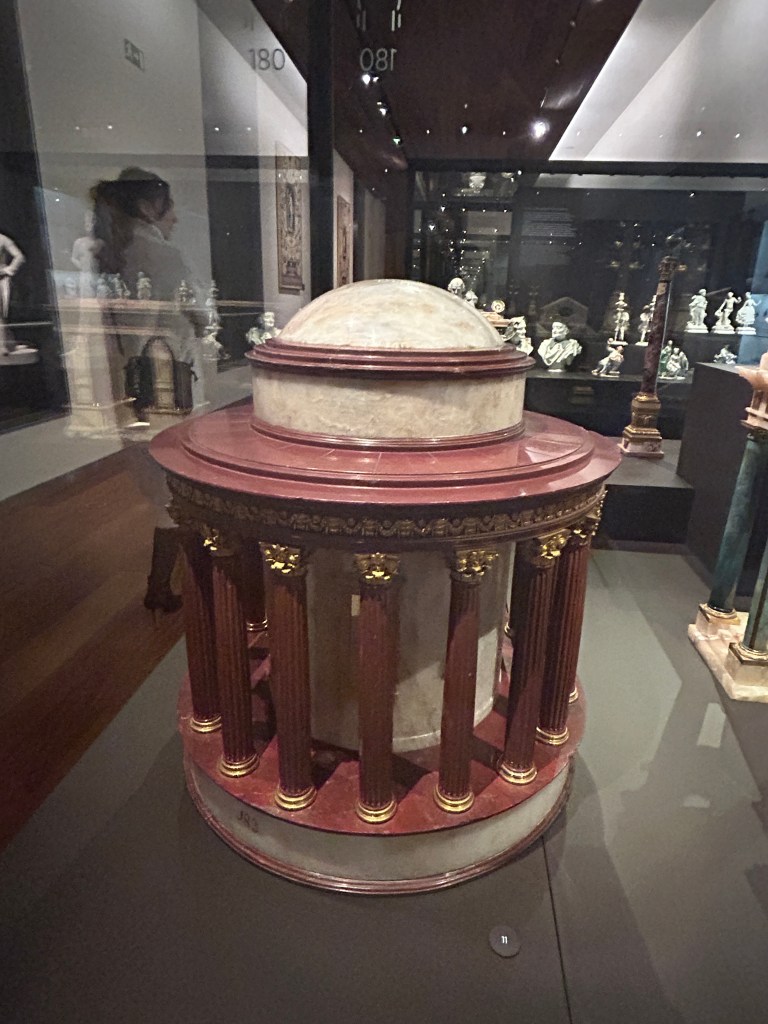
-Folks of the Modern Era already dabbled in a thriving souvenir enterprise. At the dawn of Neoclassicism, Roman artisans began to produce mini-sized replicas of architectural monuments of the Eternal City. These pieces were sold to people who came to Italy or were works of commission from avid collectors.
-Eighteenth century European porcelain utilised a wide variety of ceramic pastes, a result of never-ending experiments that sought to replicate the extraordinary whiteness and durability from their Oriental counterparts.
-Spanish archeologists on Egyptian soil were instrumental in saving many precious artefacts. As the Egyptian Government decided to construct the Aswan Dam in 1959 , this was a threat to the monuments and archeological remains of Lower Nubia (now Egypt and Southern Sudan). These countries sought help from the UNESCO and welcomed other nations to participate in site excavations of areas that would soon disappear underwater. Spain was one of the first volunteer countries and dispatched an archeological team for this urgent project. As a gesture of appreciation, Egypt and Sudan gifted over 3000 objects found at the dig site to the Spanish government which ended up at The MAN.
-Saving the best for the last, the most impressive exhibits here in my opinion was the Guanche Mummy of Madrid. Located on the first level of The MAN, this is of the best preserved mummies from the Canary Island. According to the Atlas Obscura, ‘its careful embalming kept its organs intact and even left the man with an impressive full head of hair. ‘This mummy came to the Spanish capital in the 18th century, as a gift to King Charles III as a morbid curio. Click on the link to find out more and view high quality images of the mummy.
So I guess you might want to know if the three dollars was worth paying for? My answer is absolutely YES. In case you would like to enter for free (who doesn’t like freebies right?), you could always make your way to the museum after 2pm on Saturdays where it will be completely gratis to enter. You can also make your way to the incredible shopping street and christmas markets across the street after the cultural visit for a spot of shopping and hot wine.
Citation: Most of the information here was found on The MAN’s website, or information recorded during my museum visit.
 writingaboutpaintings
Leave a comment