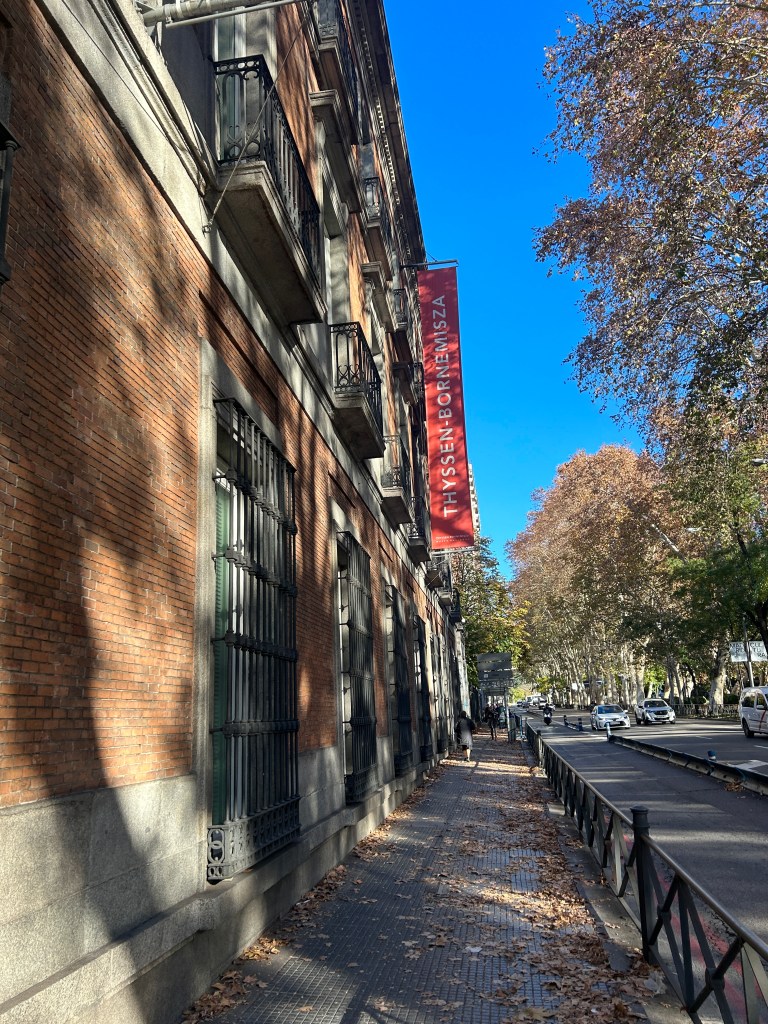
During my recent escapade to Madrid, I made it a priority to visit the three main museums also known as the Golden Triangle which is made up of the museums that are the most representative of Art in Spain. I say that I had to make it a priority because there was another distraction awaiting me. My favourite stores are all Spanish and I happened to arrive right on Black Friday week, so it was pretty much juggling shopping with visiting museums.
I would love to write a blog post on the Prado, due to the fact that I have always been intrigued by the Spanish School of painting which is what the institution is known for. There is a particular rawness and darkness about the art of Spain that even the mighty Italians never achieved during the Baroque. In the literature I have read on Caravaggio during my university days, Caravaggio’s obscure and menacing facade and personality was always seen to be mirrored in his Art. However, even these never got to the depths of say, a depiction of a saint by Ribalta or a Goya during his Black Paintings period. One might say I am comparing apples with oranges because Caravaggio and Goya never belonged to the same time period but you get the gist. Anyway, despite my reverence for Spanish Art which makes the Prado an obvious choice for a blog post, I have chosen to feature the Thyssen because it was the museum that impacted me positively the most during this trip and I will leave my adoration for Spanish Painting for another time.
The Thyssen is best described as a cross between the Prado and the Reina Sofia, with the former focusing on the traditional Spanish School ,while the latter features more of the Avant- Garde. It offers an eclectic mix of important artworks across the time period from the 14th Century all the way until the present. Entry tickets cost 13 euros ( worth every penny in my opinion. The ‘auntie’ in me was super gleeful to be able to manage to enter for free. If you have any ID proving that you are an educator in any country, you will be able to enjoy the same perks I did.
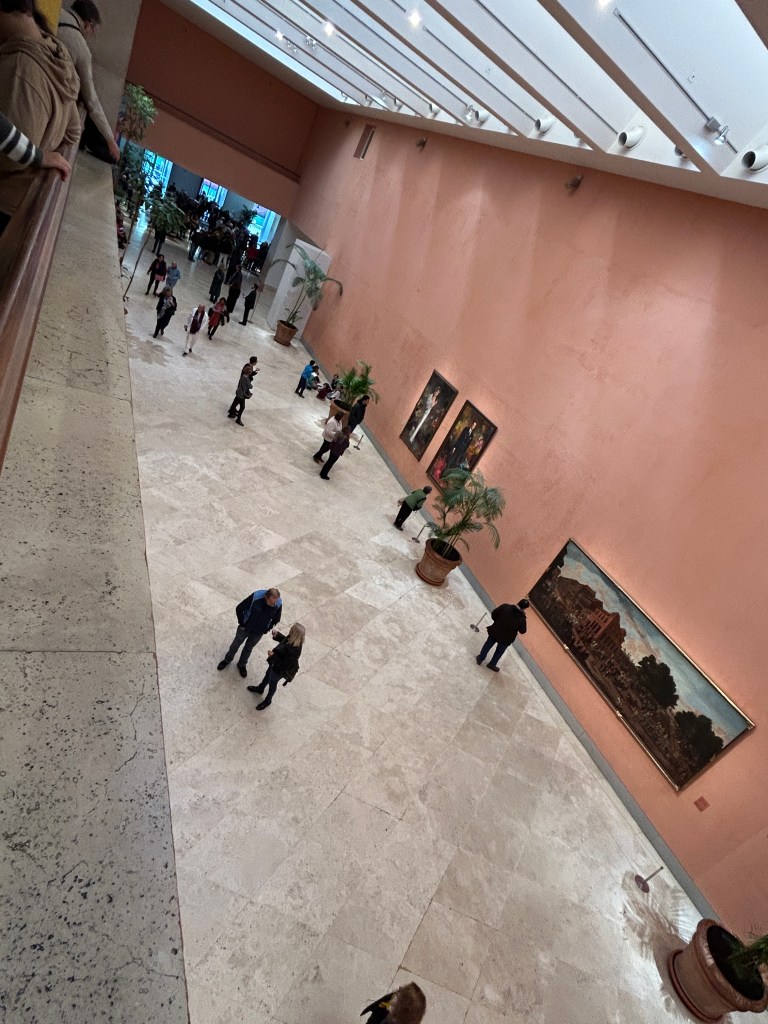
The scale of the museum was abundant, yet the curatorial organisation of the artworks was so well- planned that the displays were easy to take in in its entirety in one visit. Lighting was amazing and visitors are able to enjoy the paintings in clarity. I paid five euros for the audioguide. The device works pretty well and there were extensive audio features (sometimes the audio would go on longer than my interest on that particular work) on the chosen artworks. One minor gripe I have is that I sometimes missed certain audio of artworks I had already passed probably because the navigation map on the device wasn’t as idiot -proof as desired. I would have moved on to so many other artpieces only to realise that there was an audio description on one of the key paintings that I have already seen.
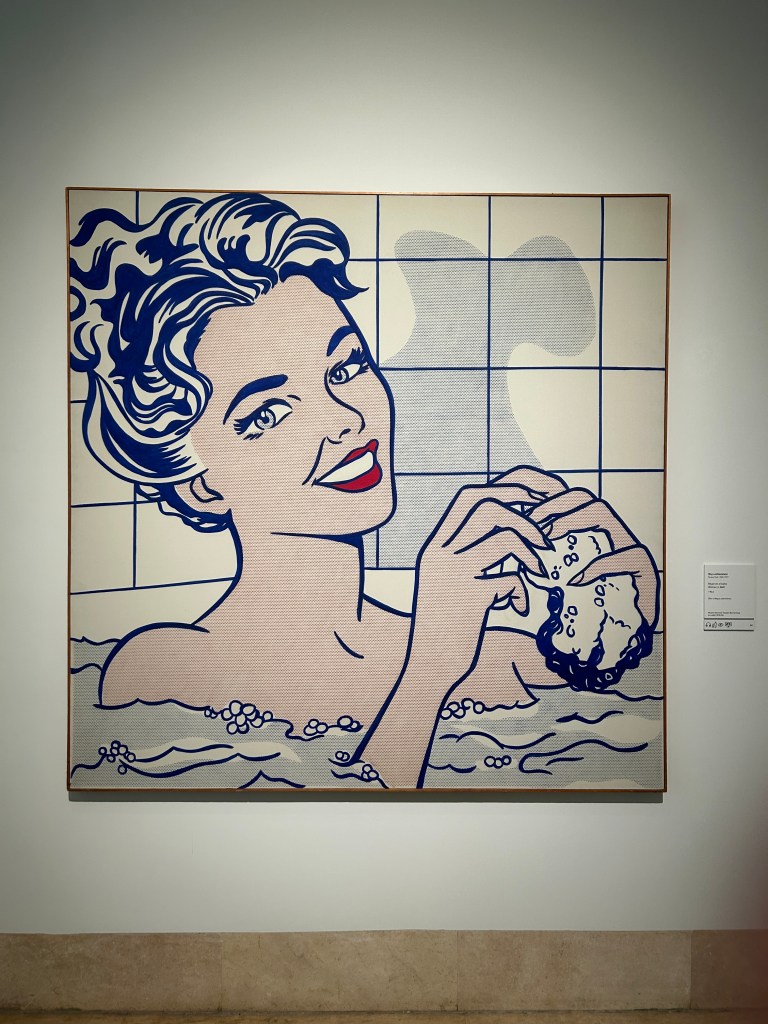
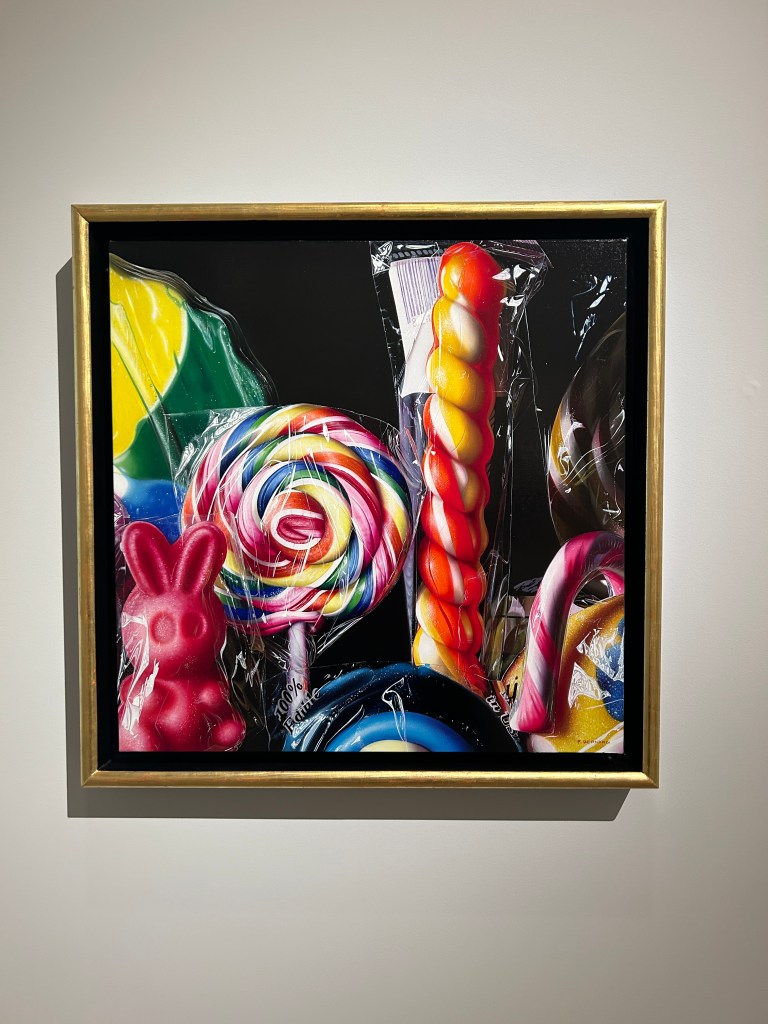
Upon entry, I was greeted by some big names from the postmodern period such as Roy Lichtenstein, Lucian Freud, Mark Rothko, Edward Hopper among others in a star-studded lineup of names in Art. Unlike the audioguide, each section was clearly organised and group into art movement and described their geographical origins and the socio-political climate at the given time period. The experience fleeting from one section to another was seamless, comprehensive and pleasant.

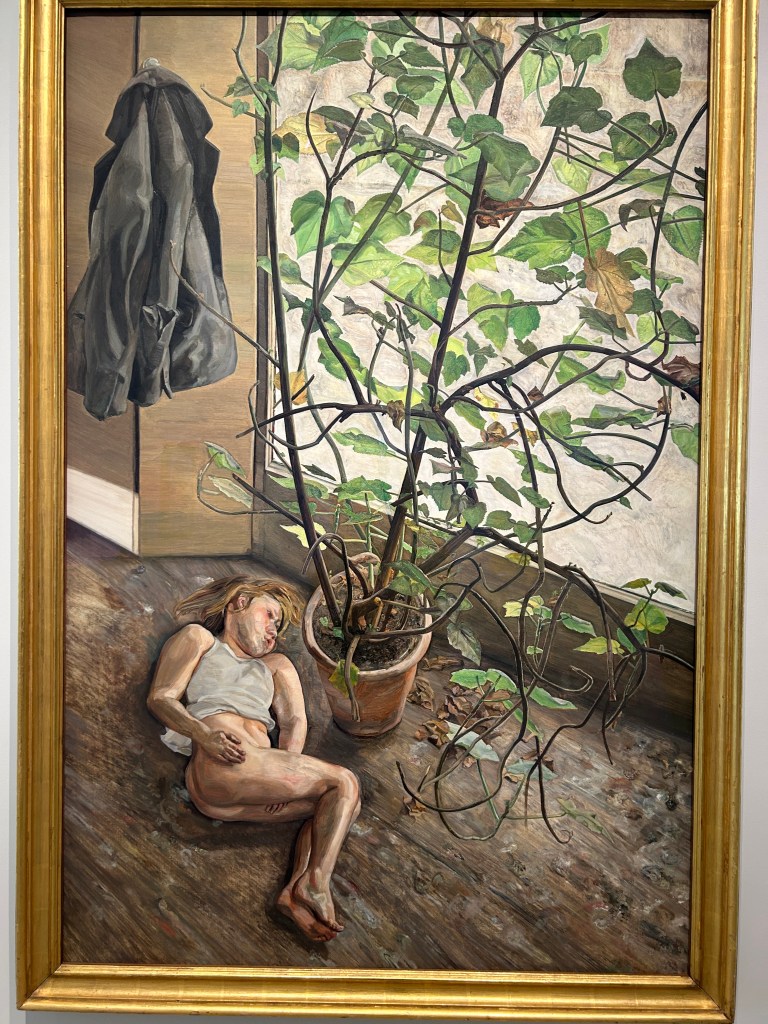

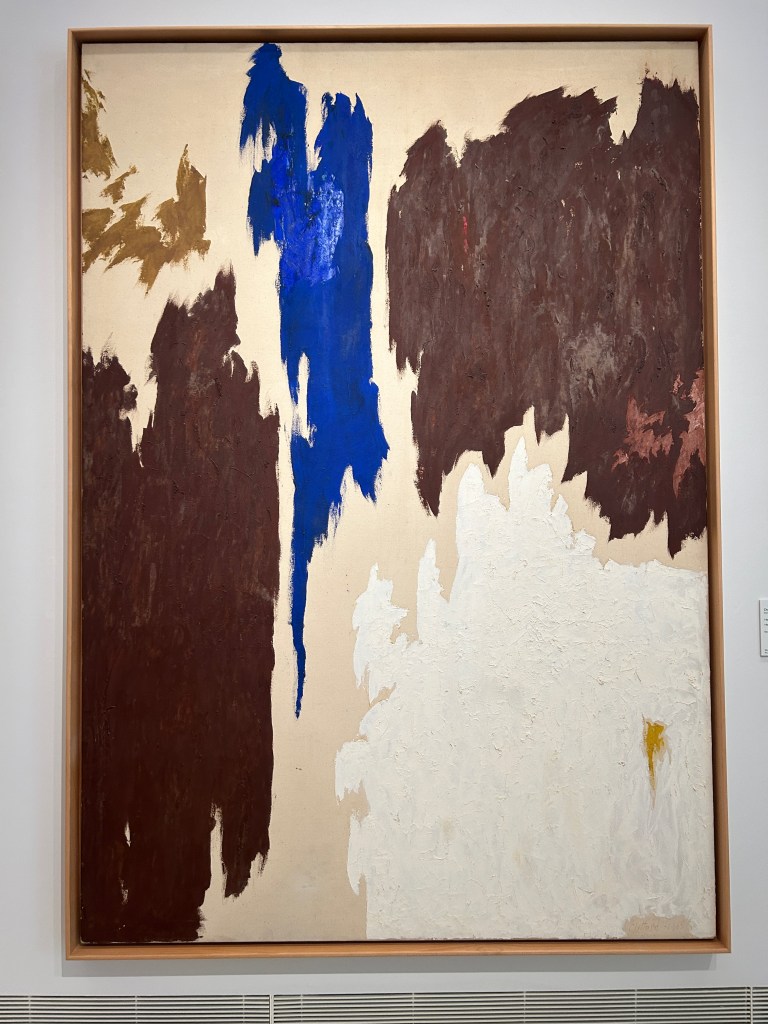
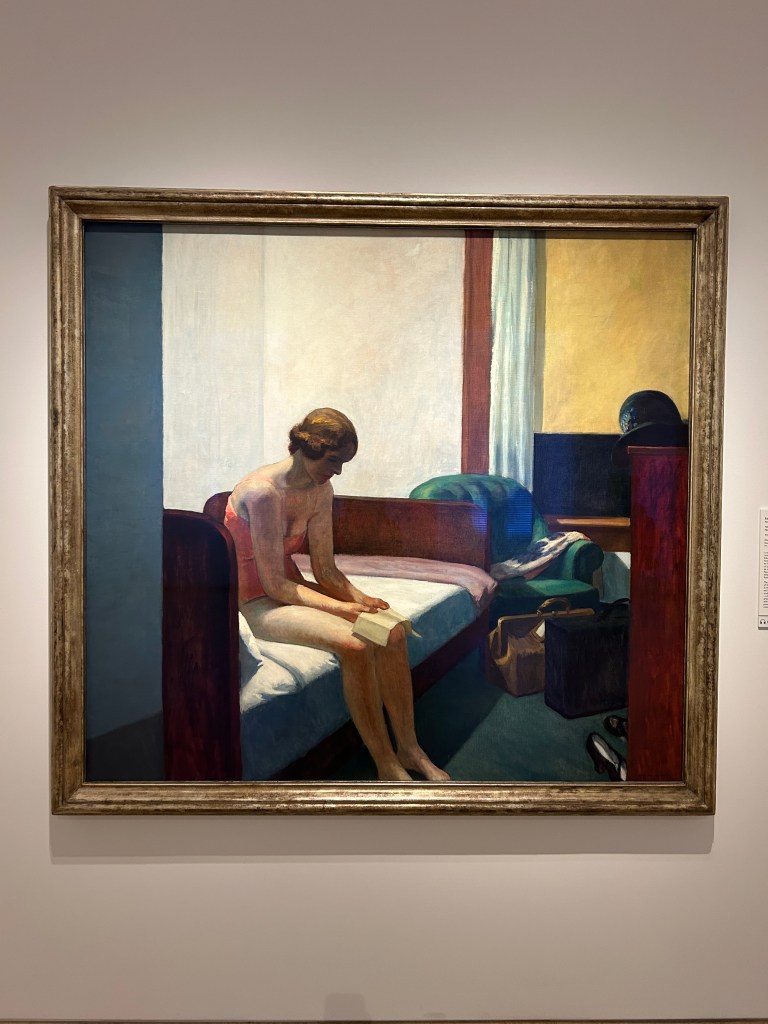

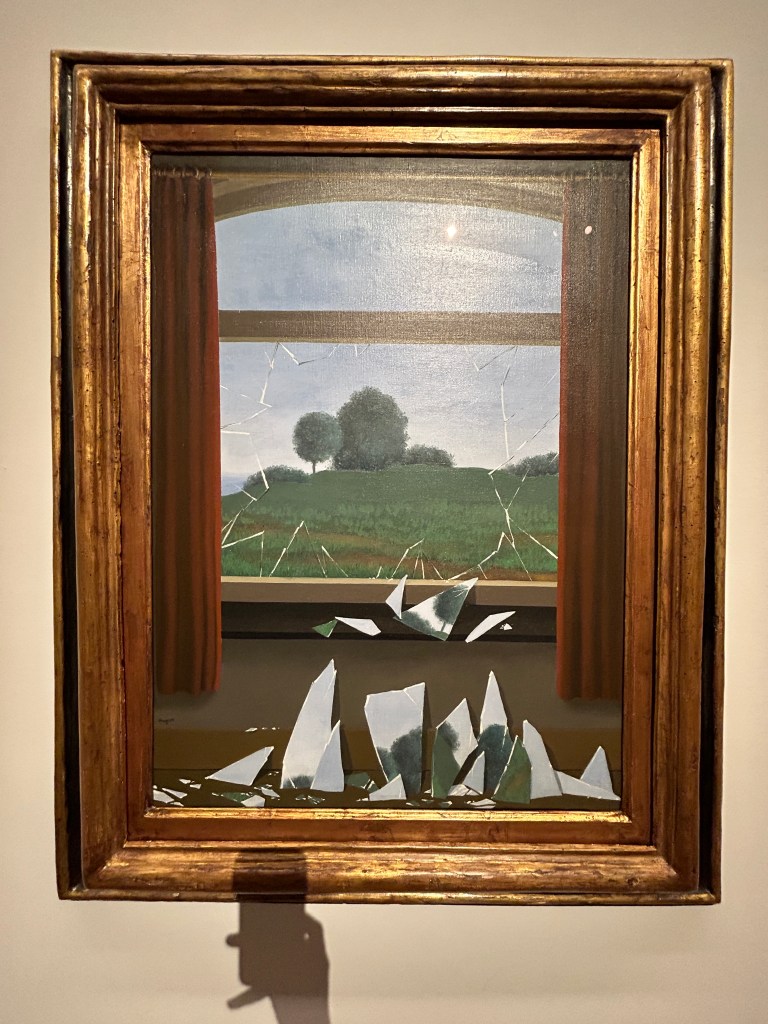

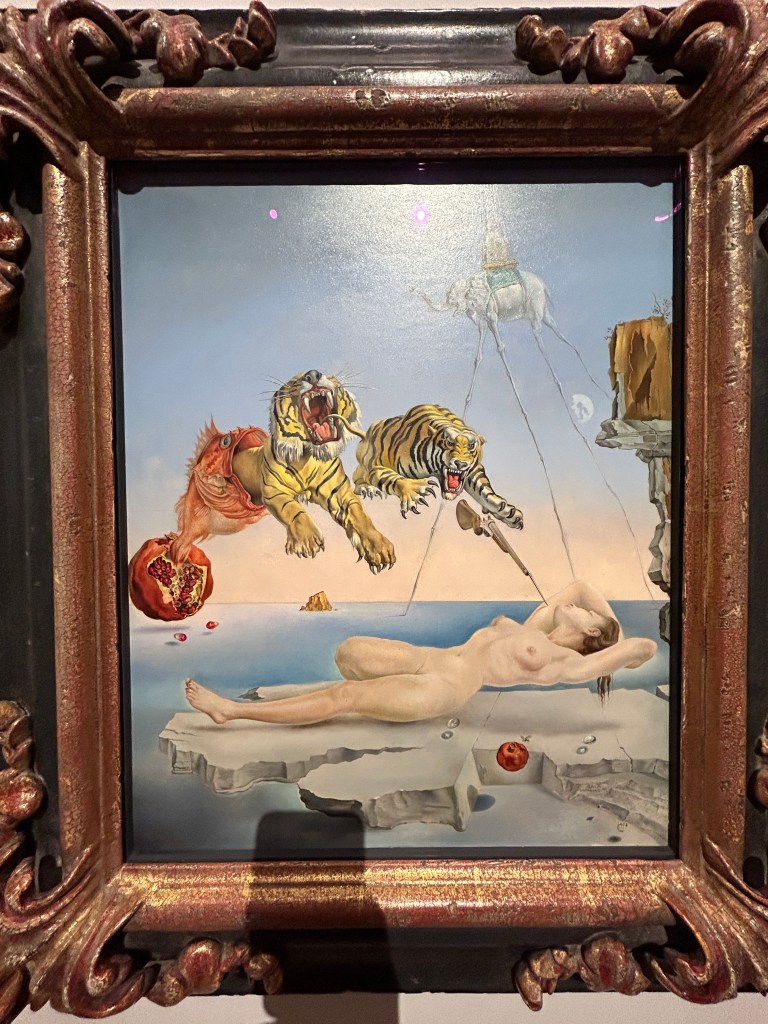
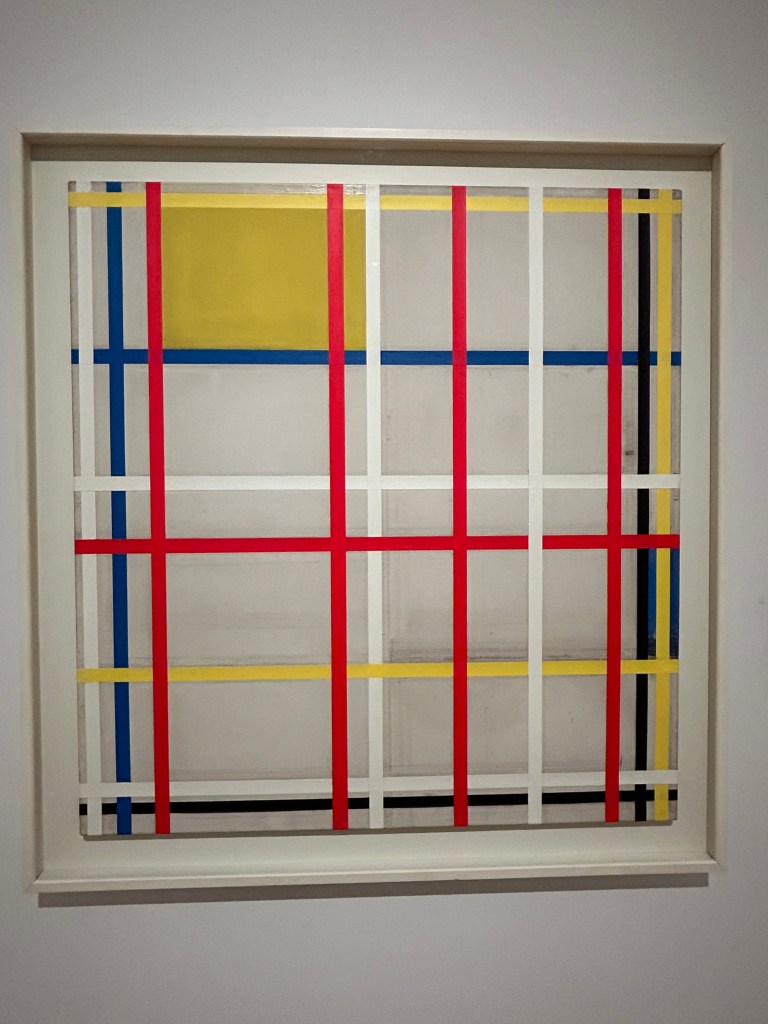
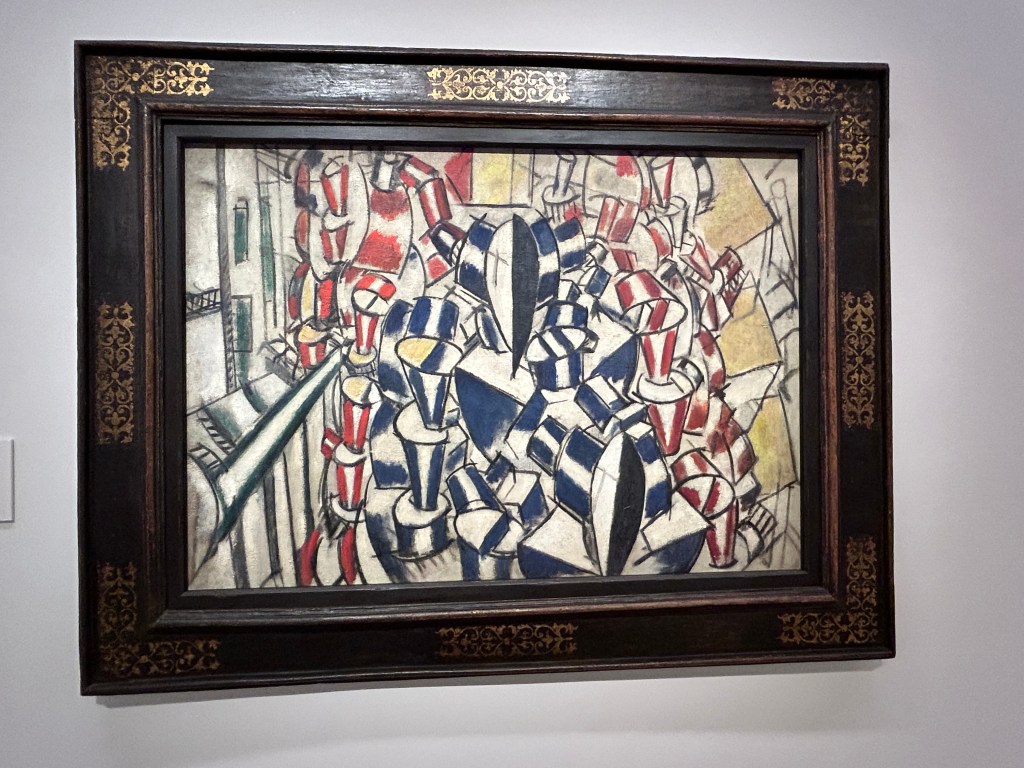
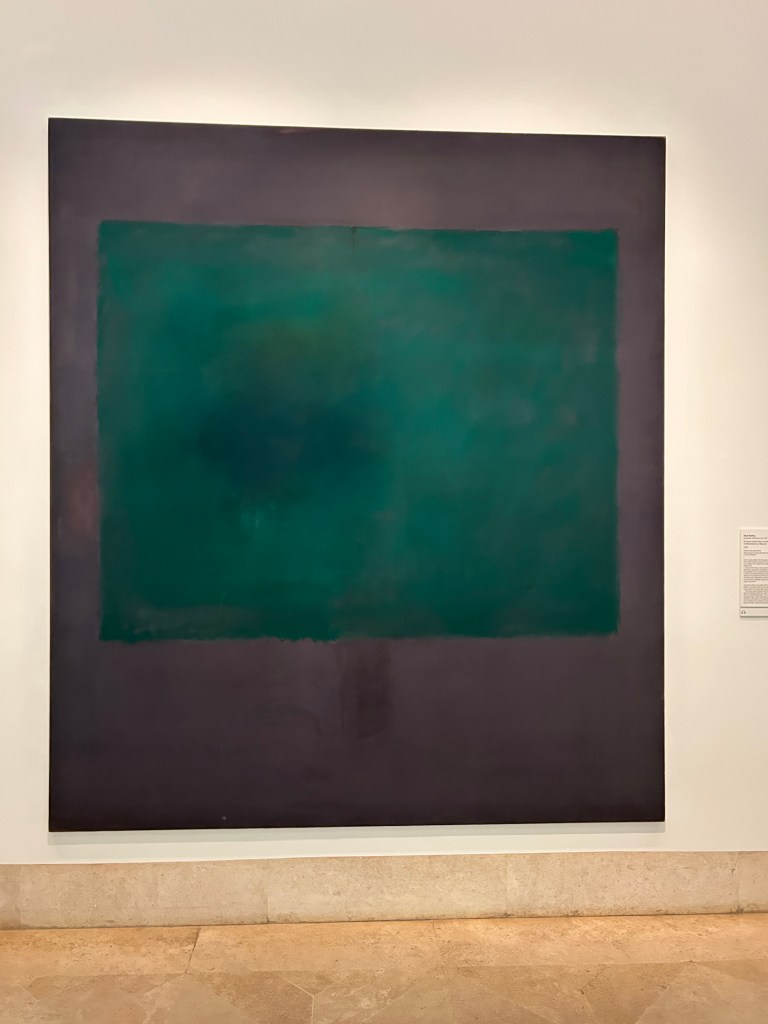

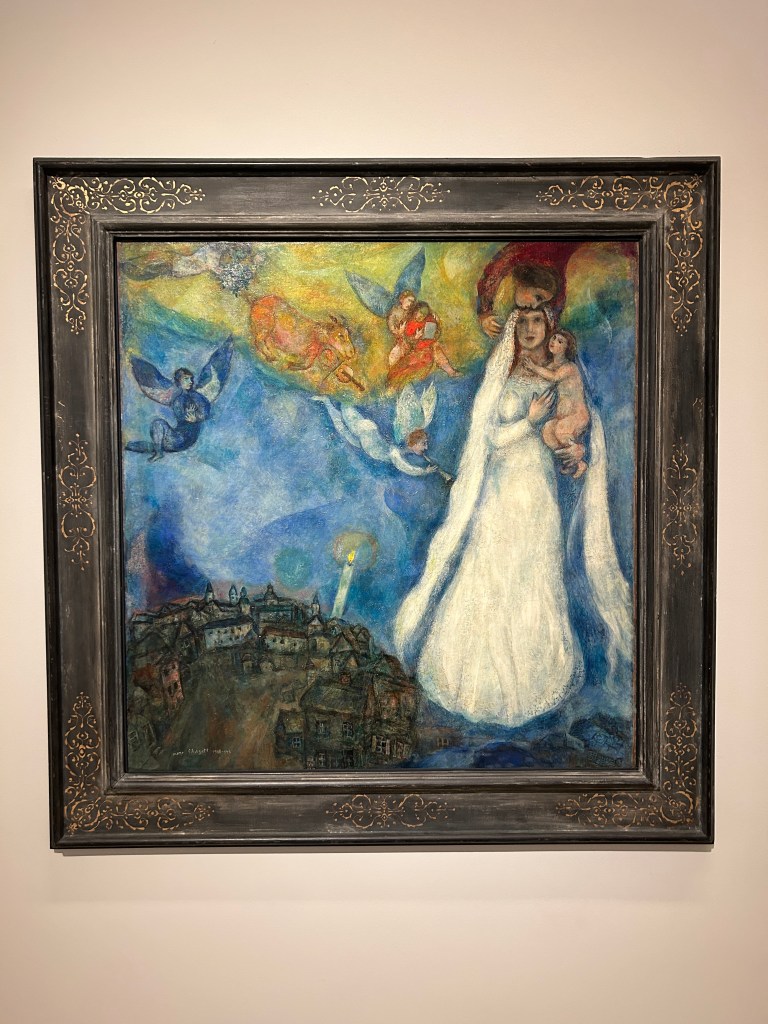
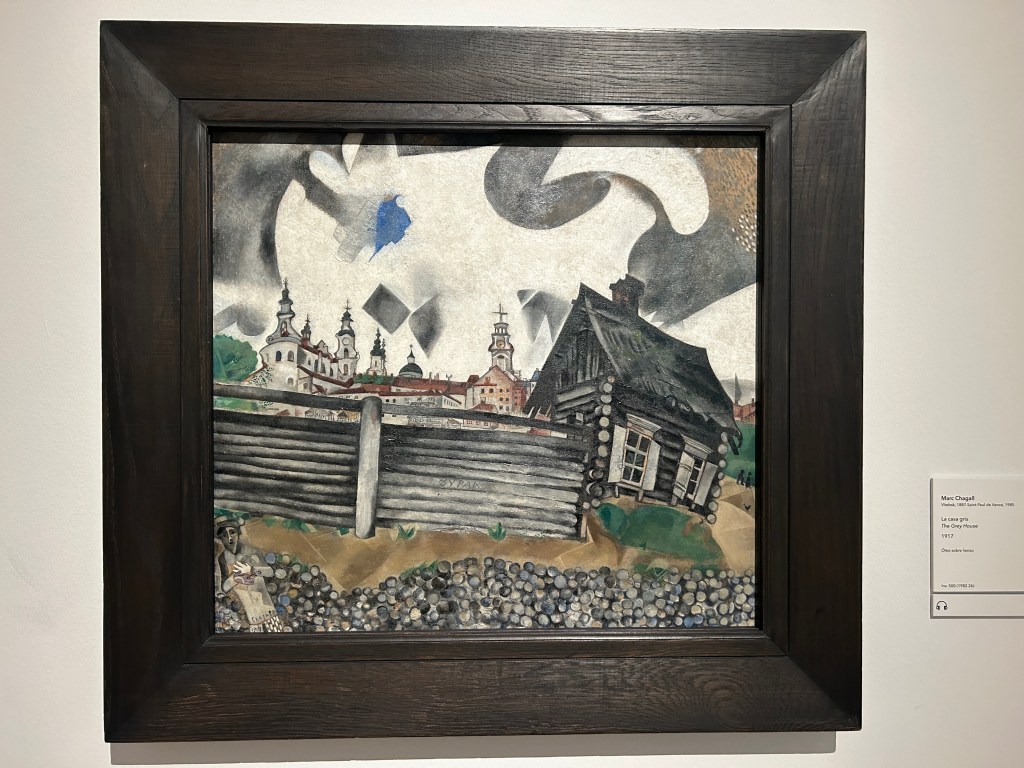
Special mentions for Level 1: Picasso, The Sacred and the Profane
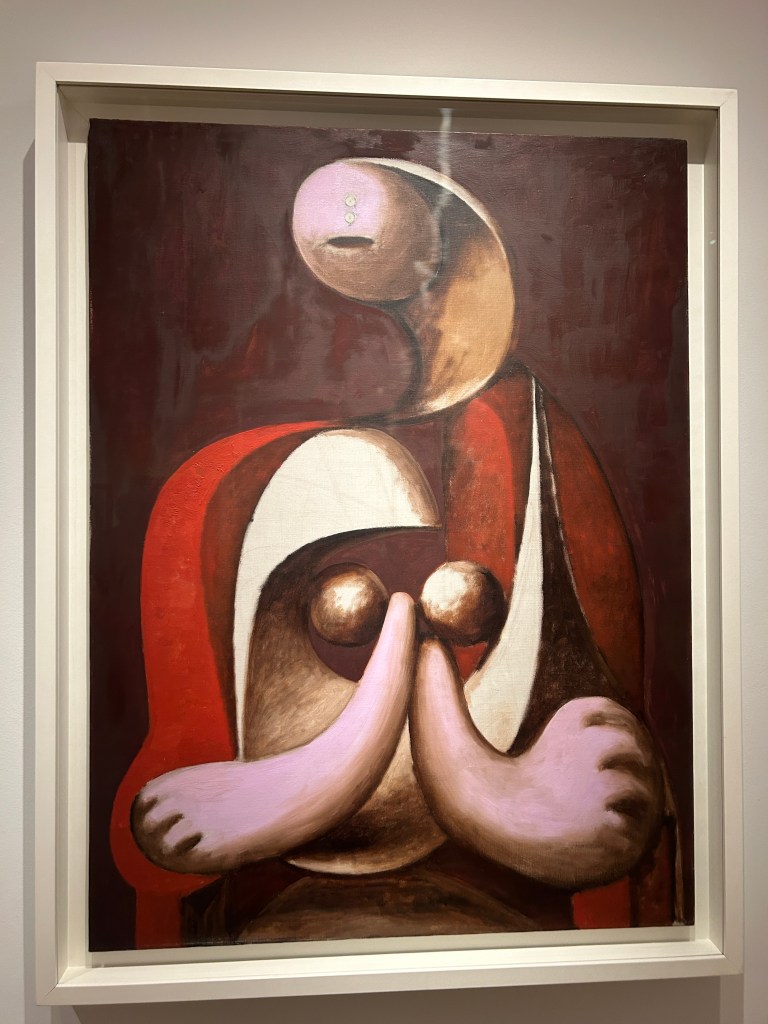
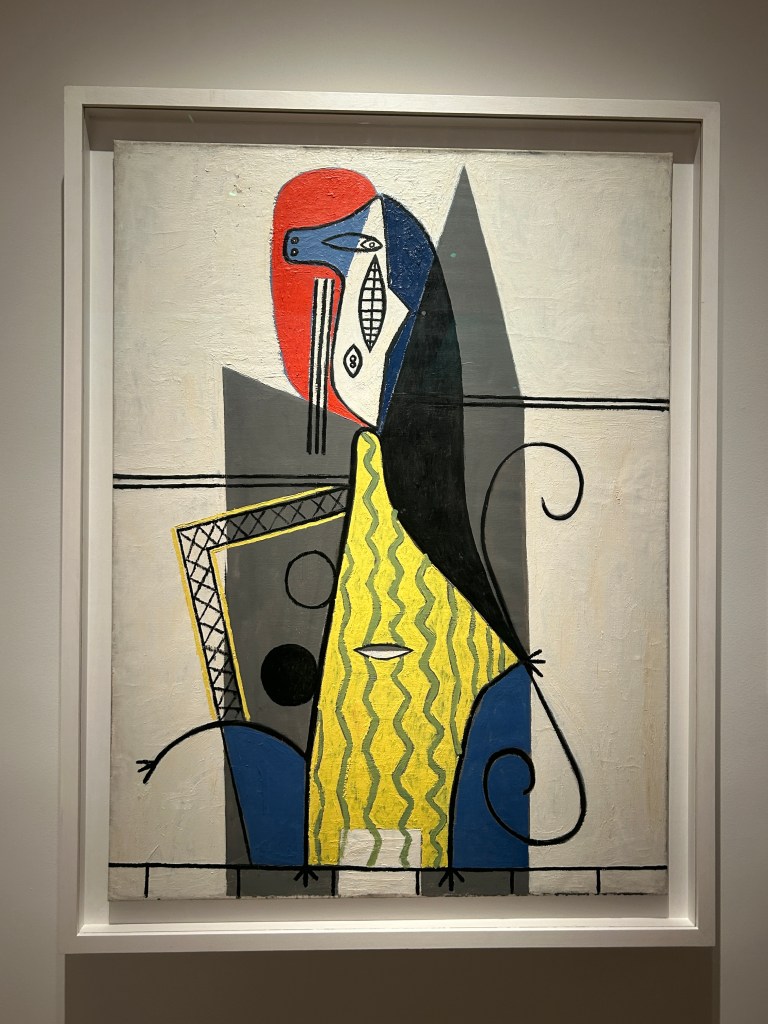
At Level One, where the Modern and Postmodern artworks were exhibited, there was a special exhibition on Pablo Picasso. Truth be told, I never regarded Picasso as a genius until I went to the Picasso Museum in Barcelona a couple of years back and saw his amazing renditions of Diego Velasquez’s Las Meninas. This exhibition was a seeming extension of this experience where I saw further influences on the Spaniard through religious and classical sources. The Thyssen Museum aptly describes ‘The Sacred and the Profane focuses on the audacity and originality with which the artist approached both the classical world and themes from the Judeo-Christian tradition, revealing his ability to incorporate elements and themes from earlier art into his own output and to reflect on the ultimate essence of painting.’ On a side note, I also liked the fact that the museum did not charge extra or prohibit entry into the Picasso display as the Reina Sofia did it’s own display for the artist entitled Turning Point. As you can see, the spirit of the famed painter is ubiquitous even til today, featured heavily at many art venues.
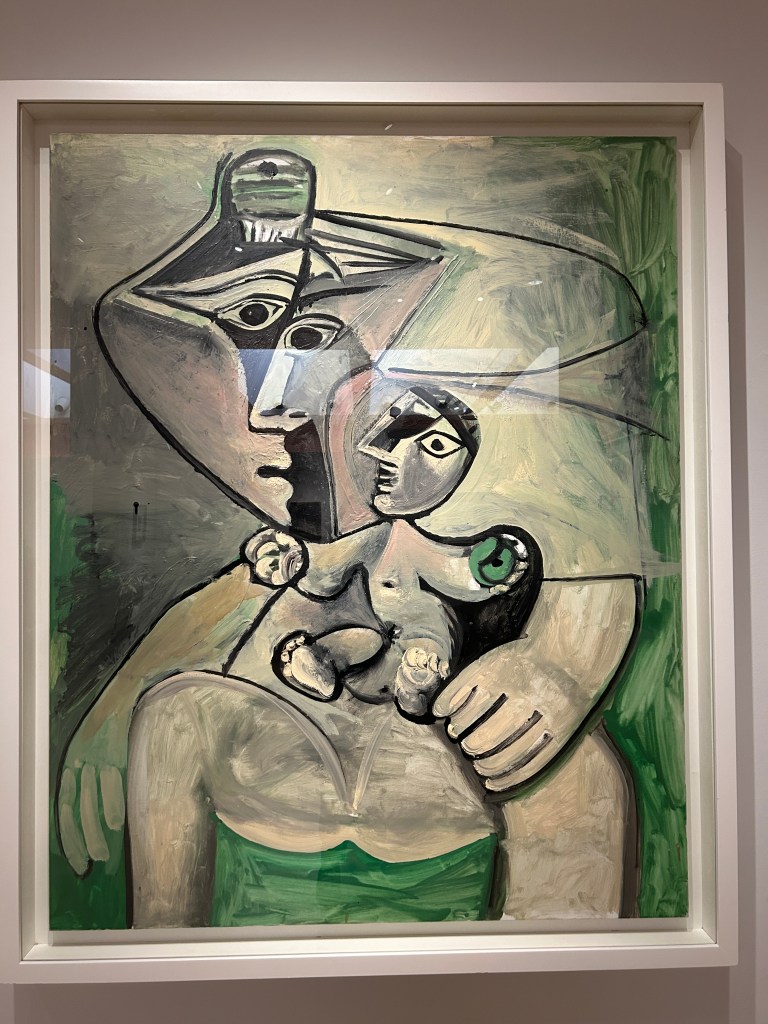
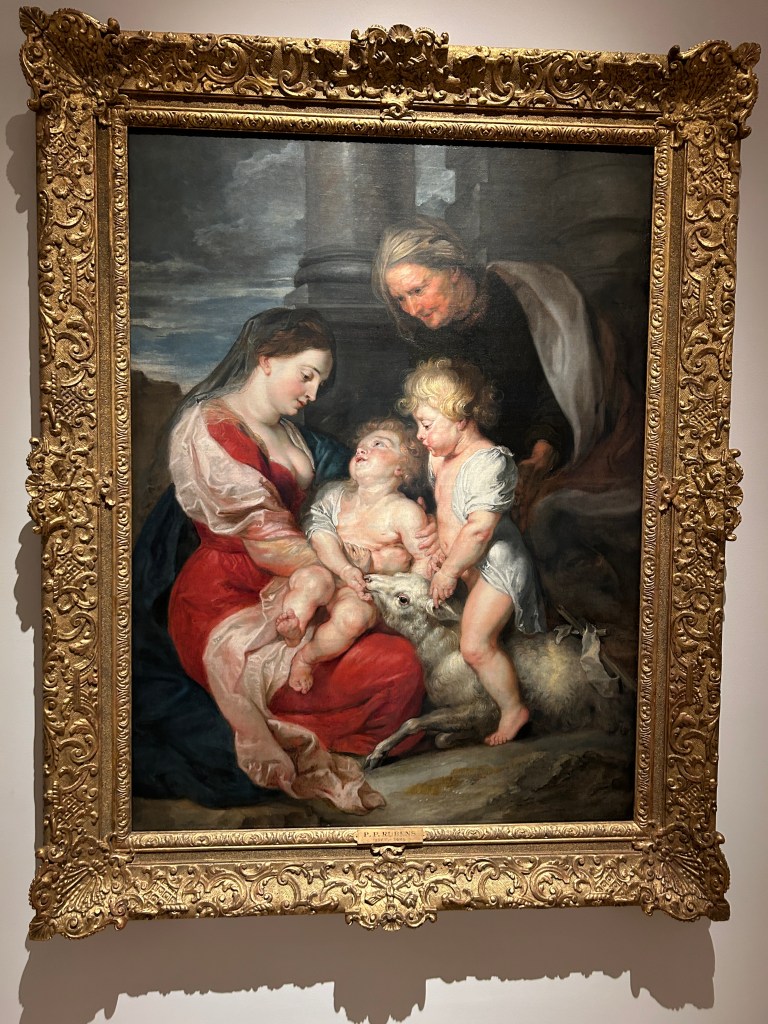
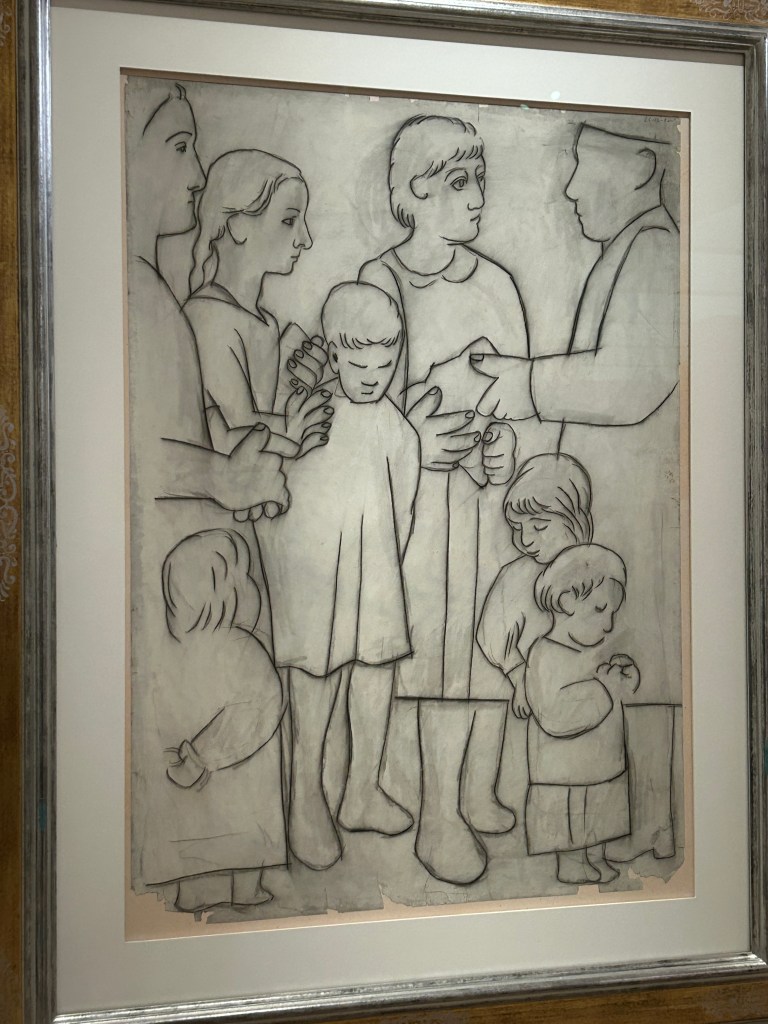
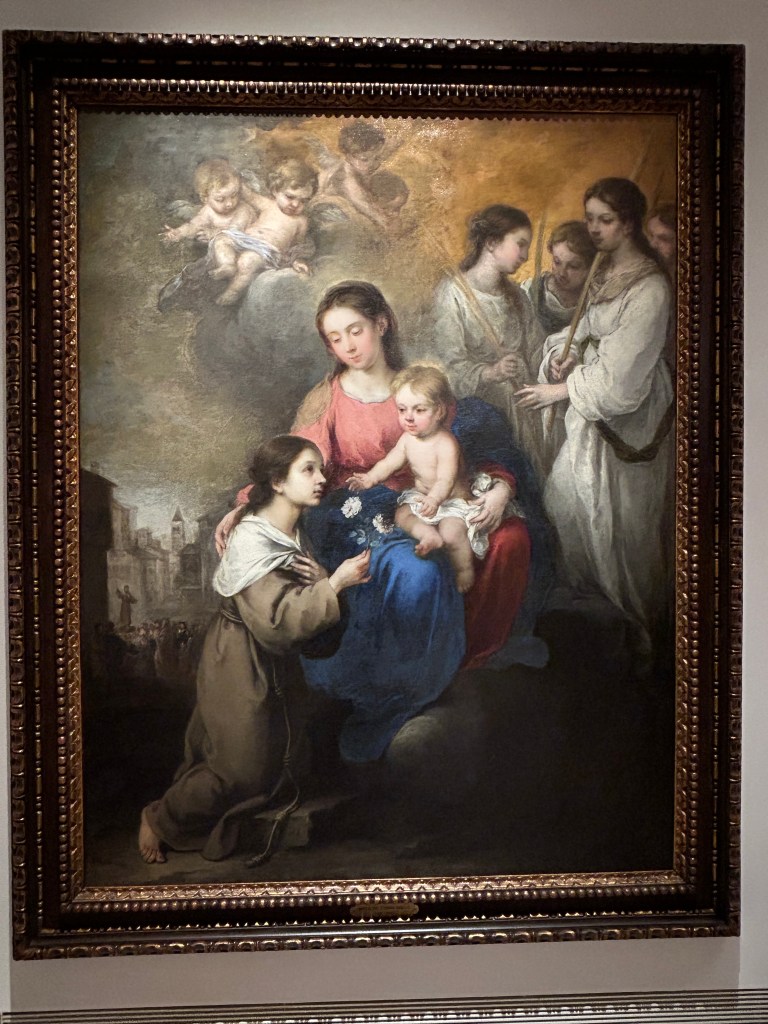
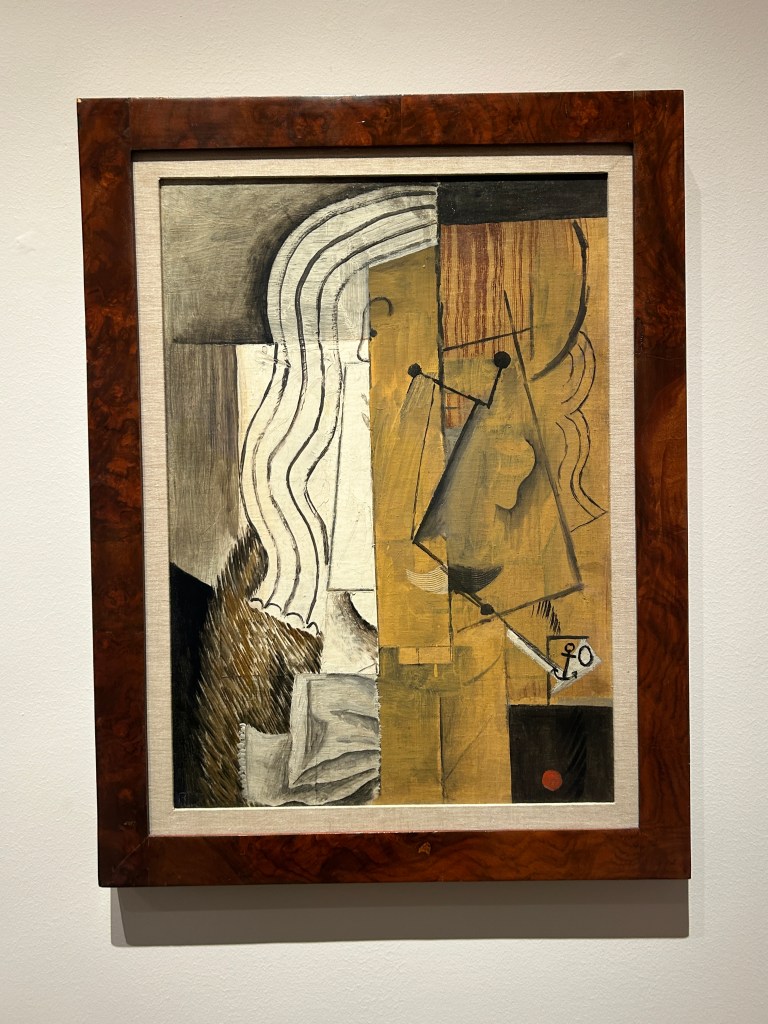
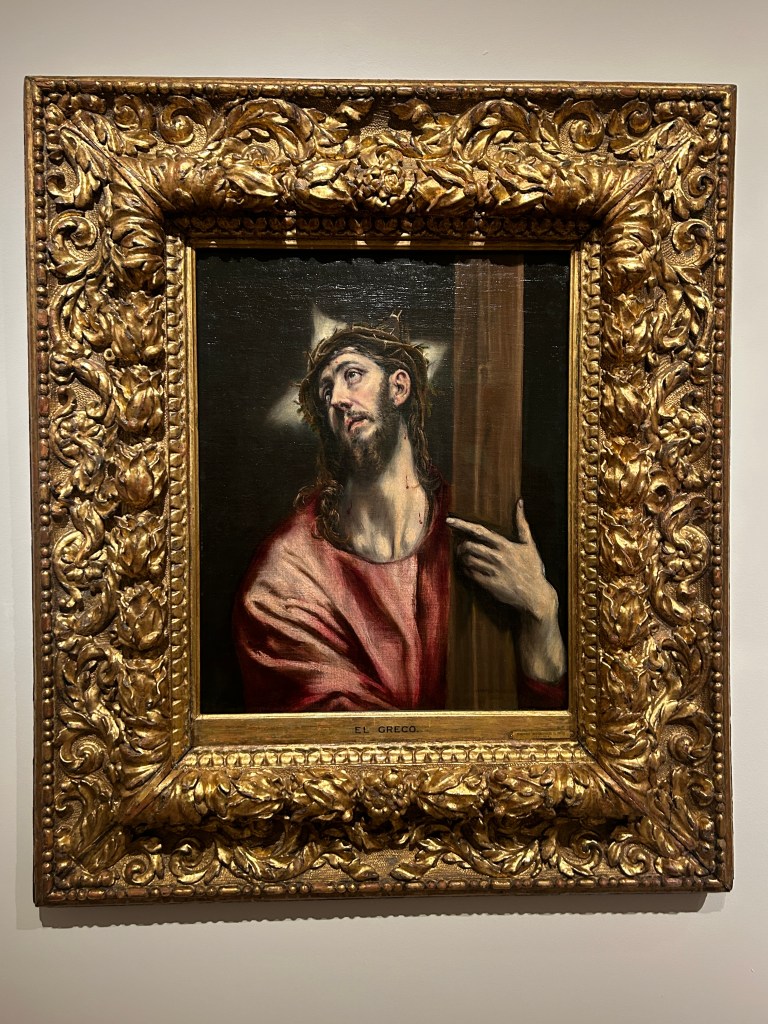
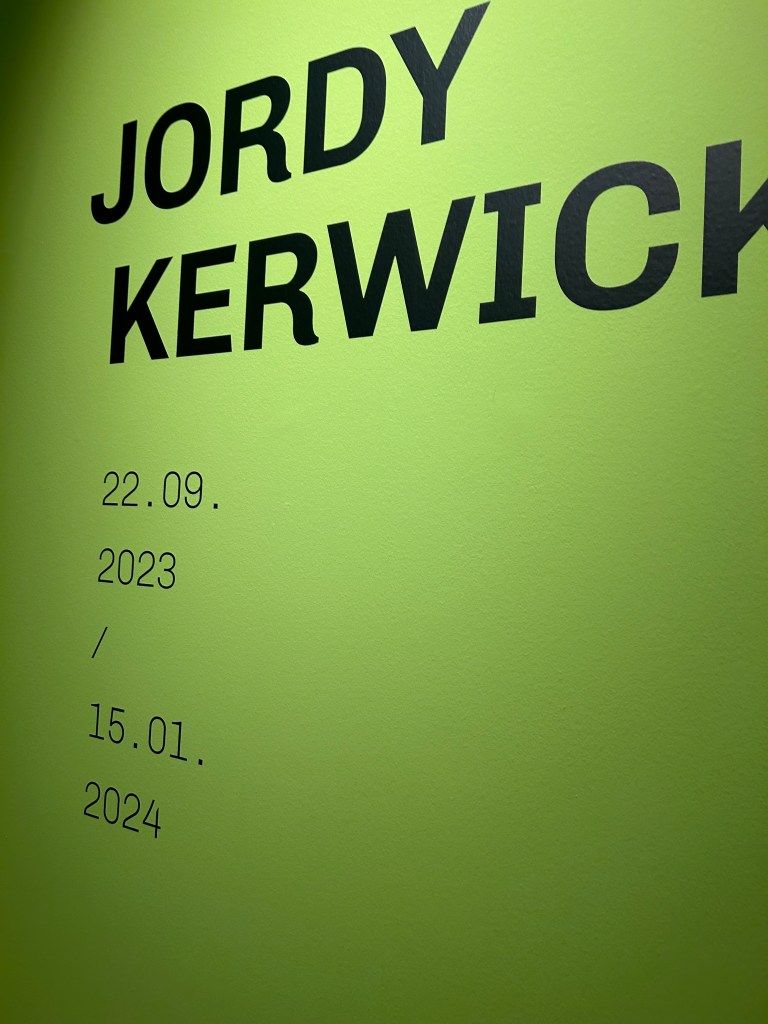
Special Mention 2 for Level 1: Jordy Kerwick
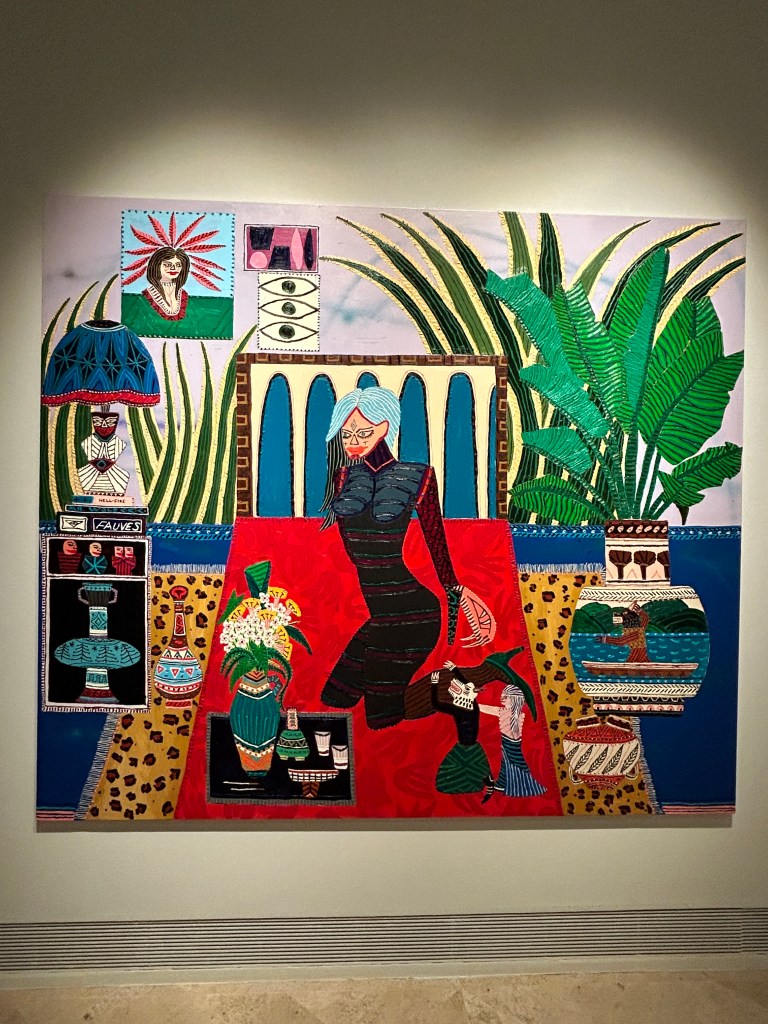
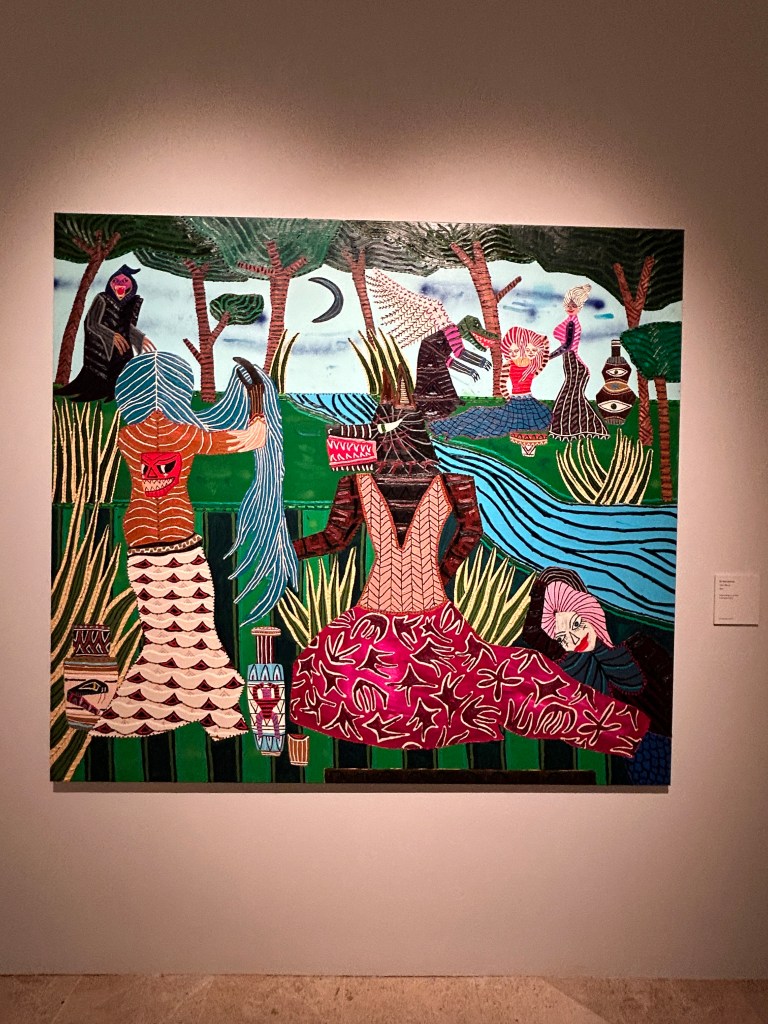
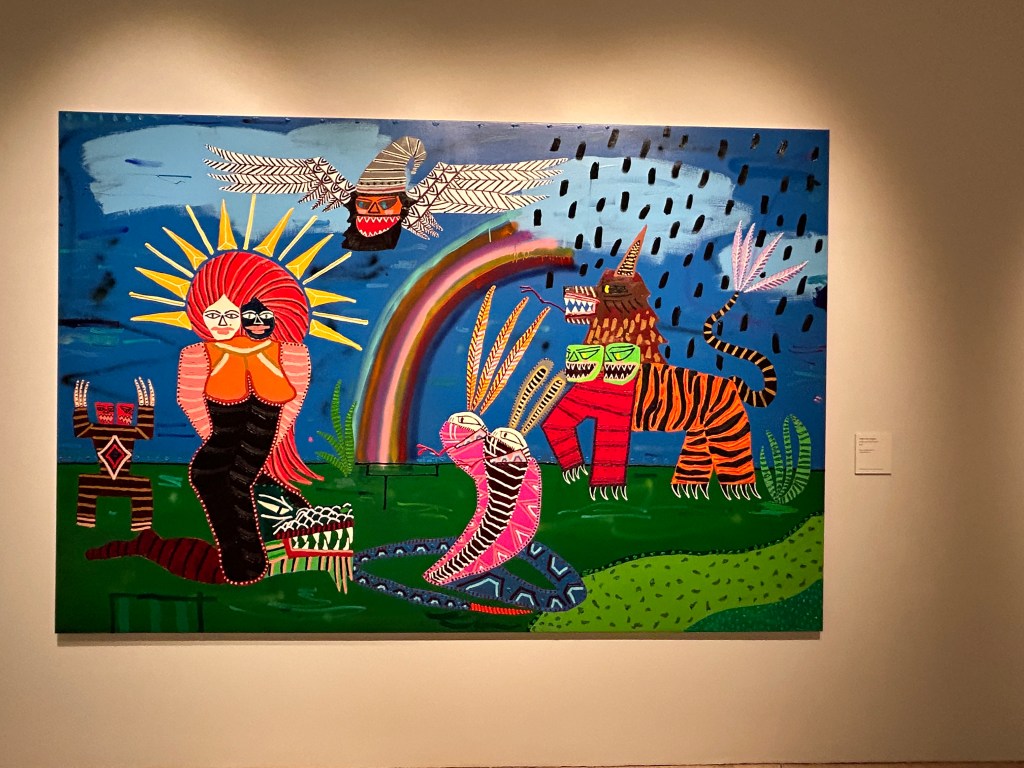
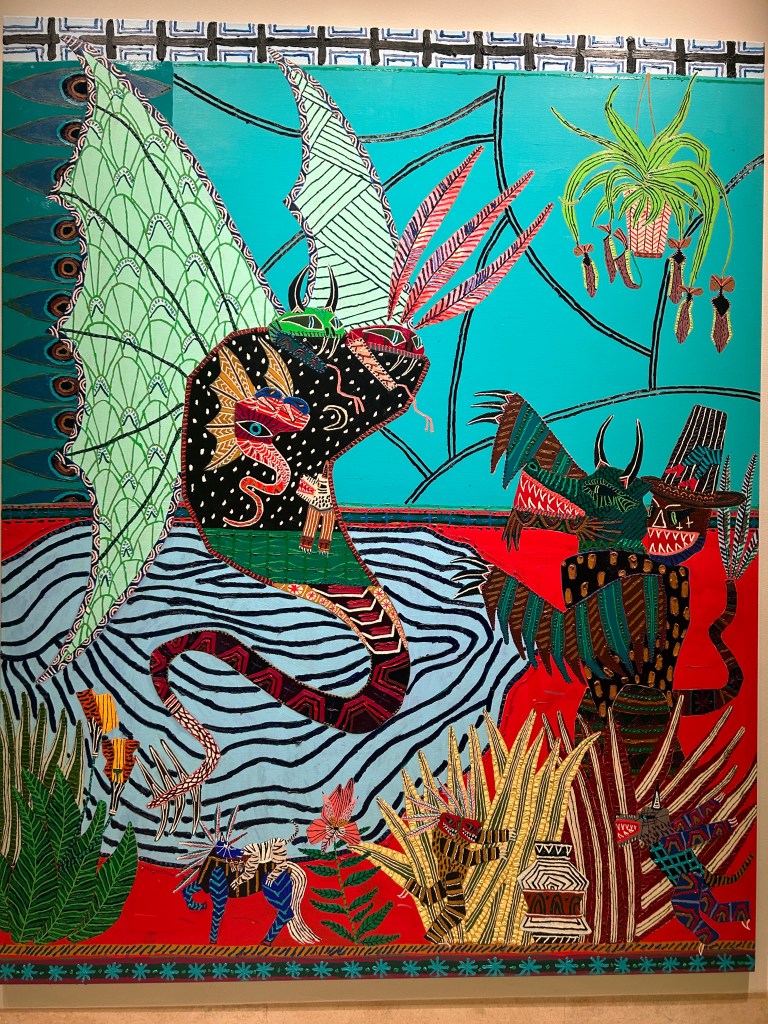
Adjacent to the section on Picasso was Jordy Kerwick’s paintings which featured a range of epic narratives through jungle-like mythological creatures in bold colour palettes.


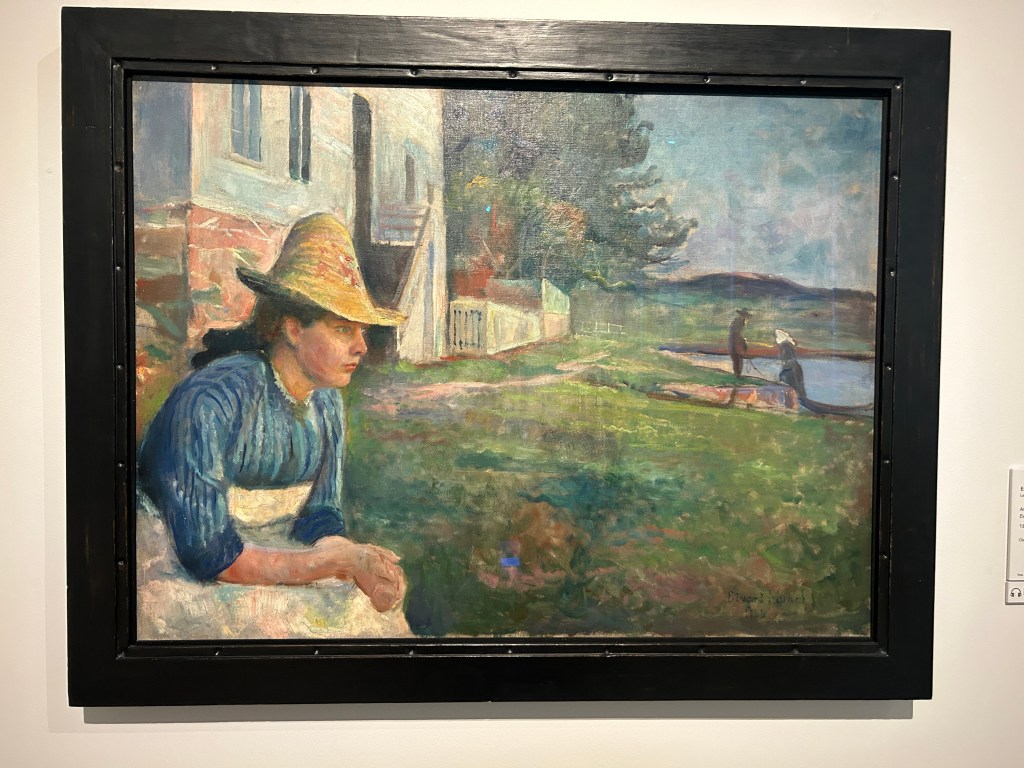
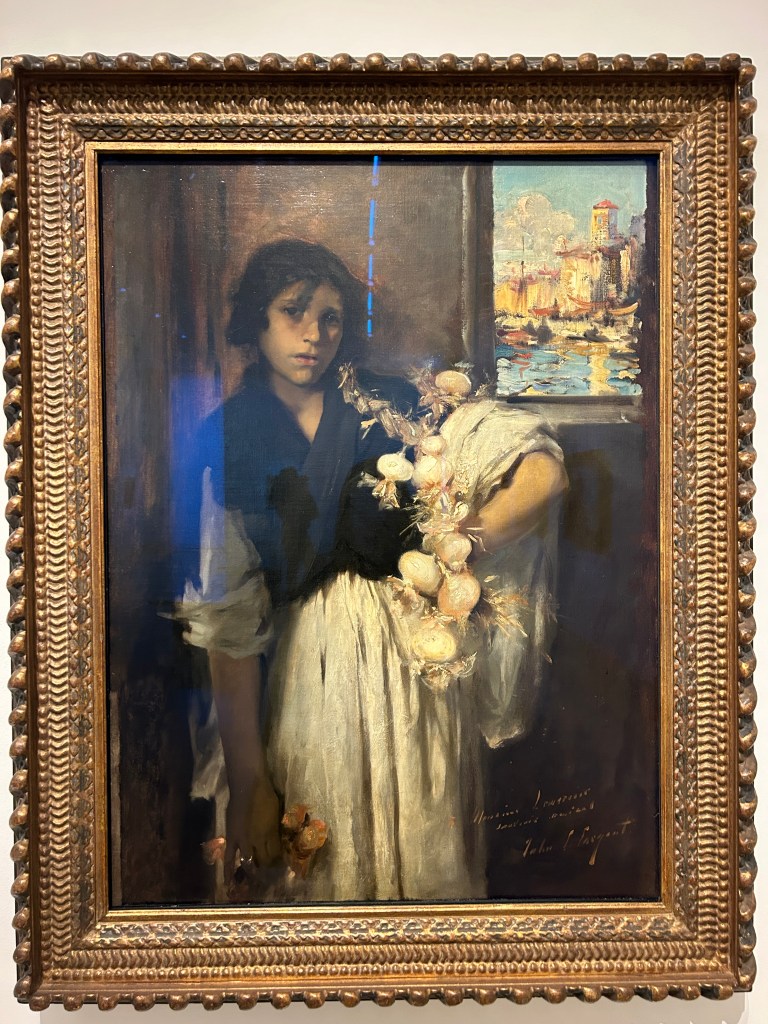
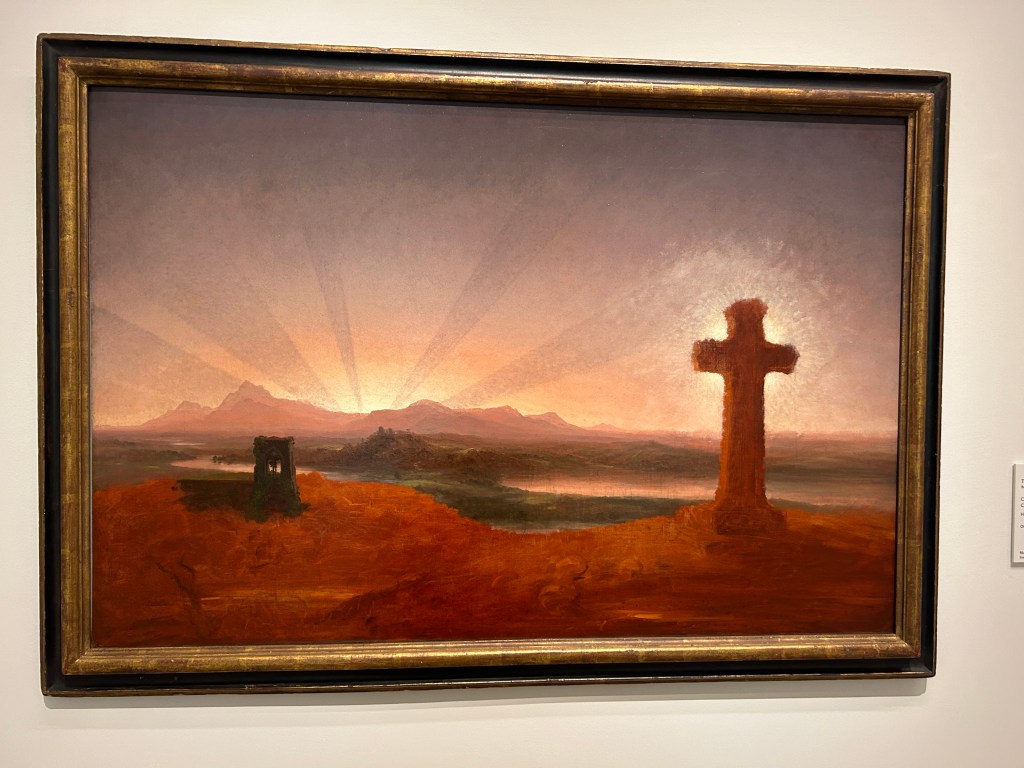
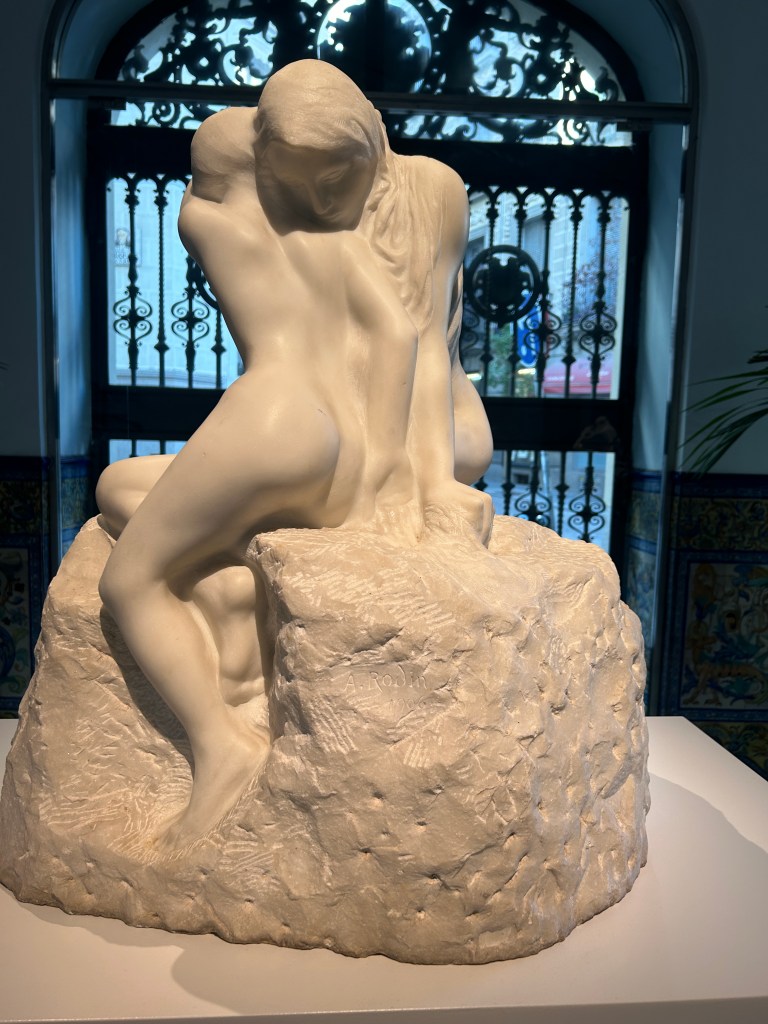

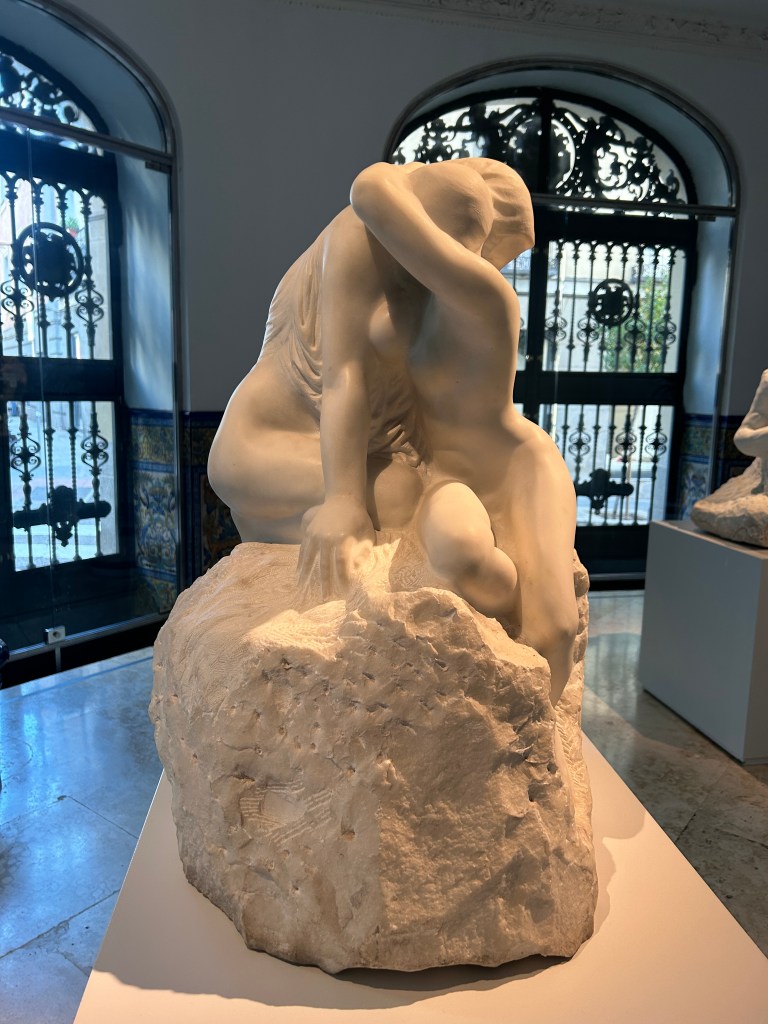
Level 2
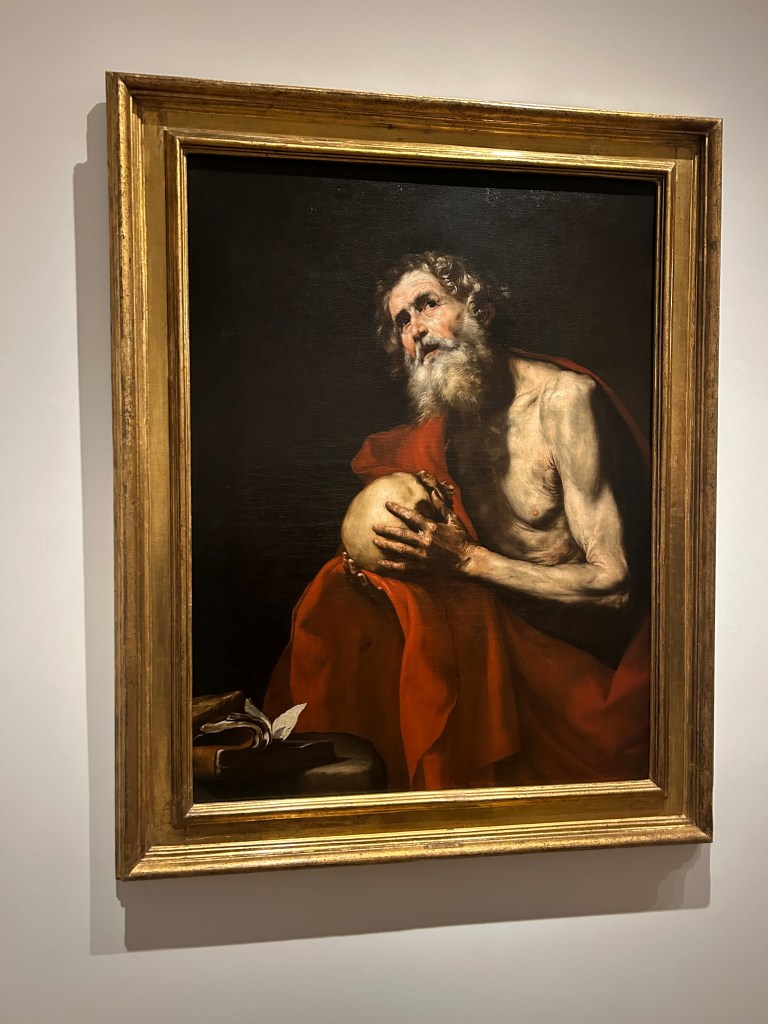
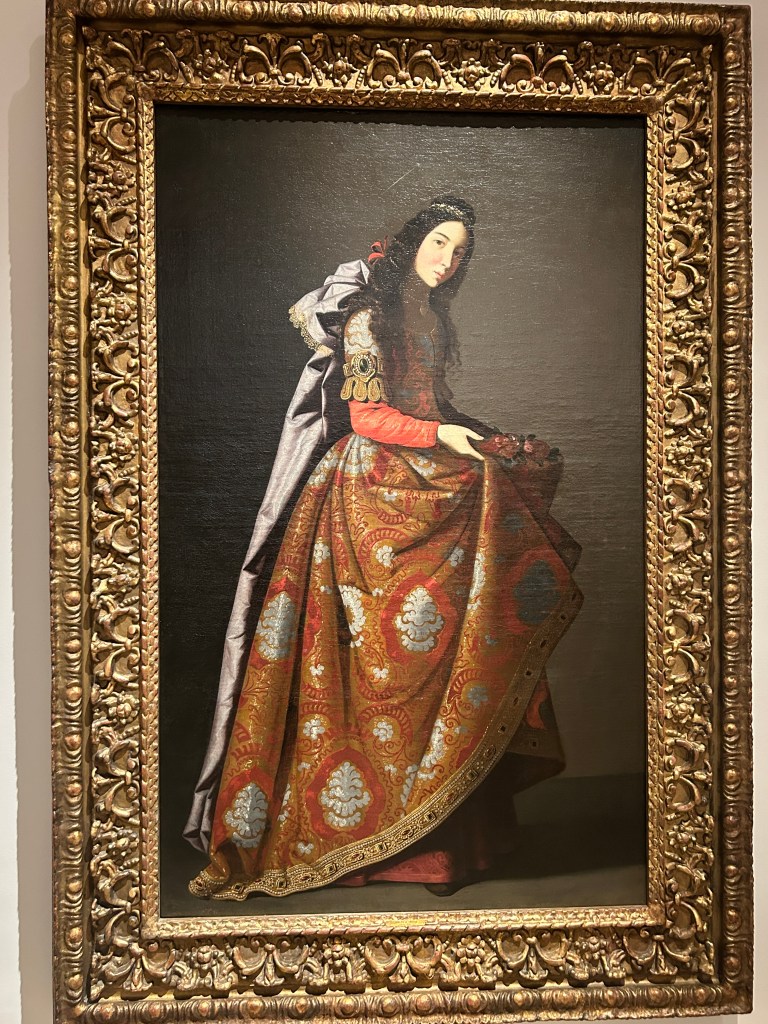
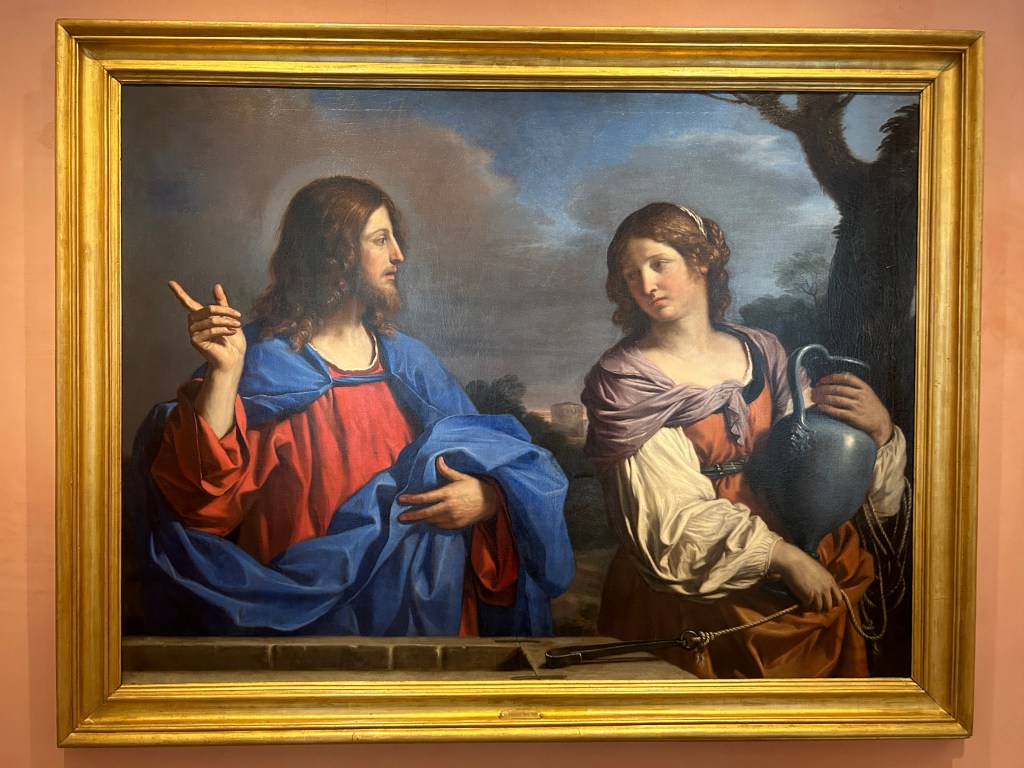
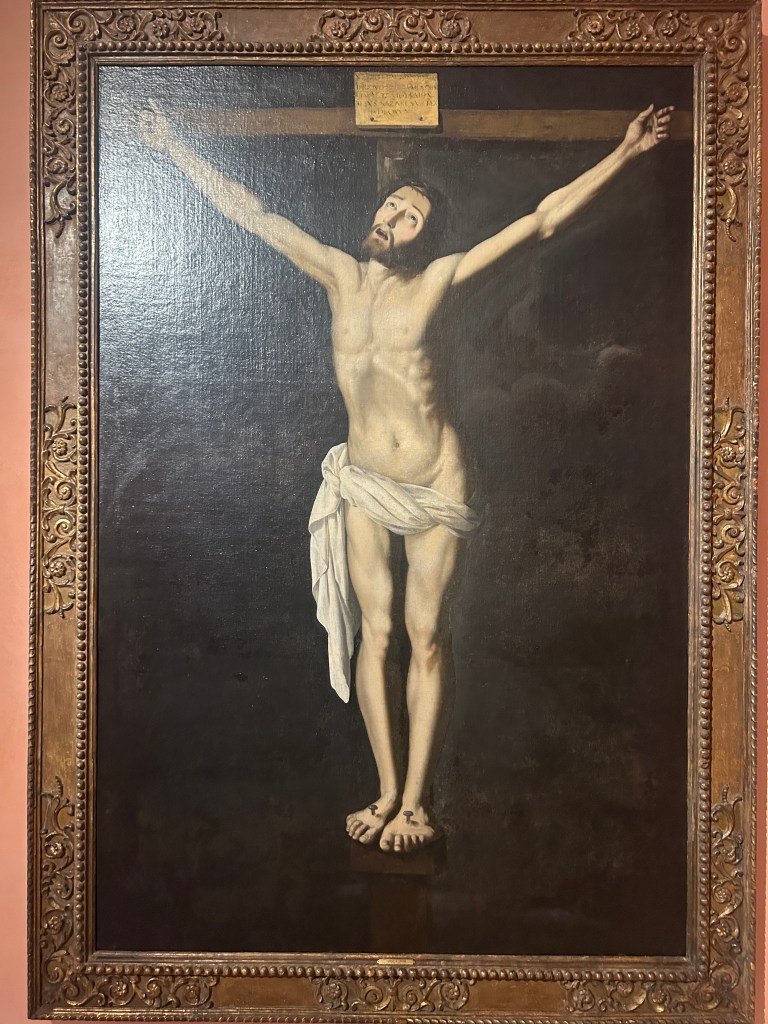
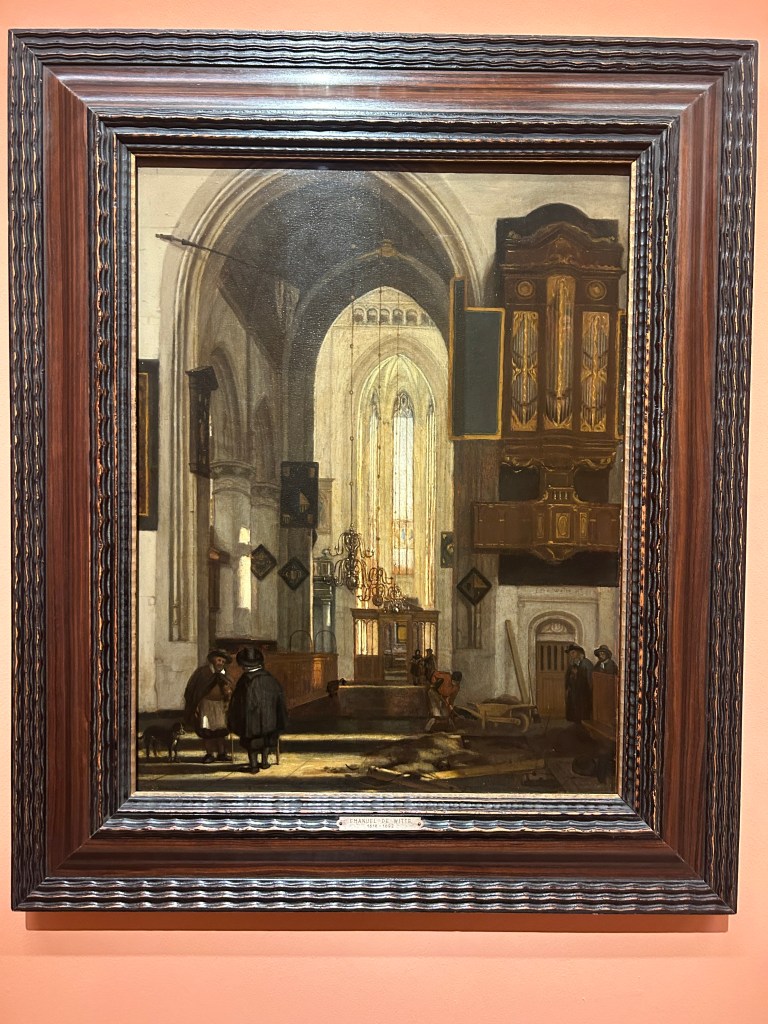
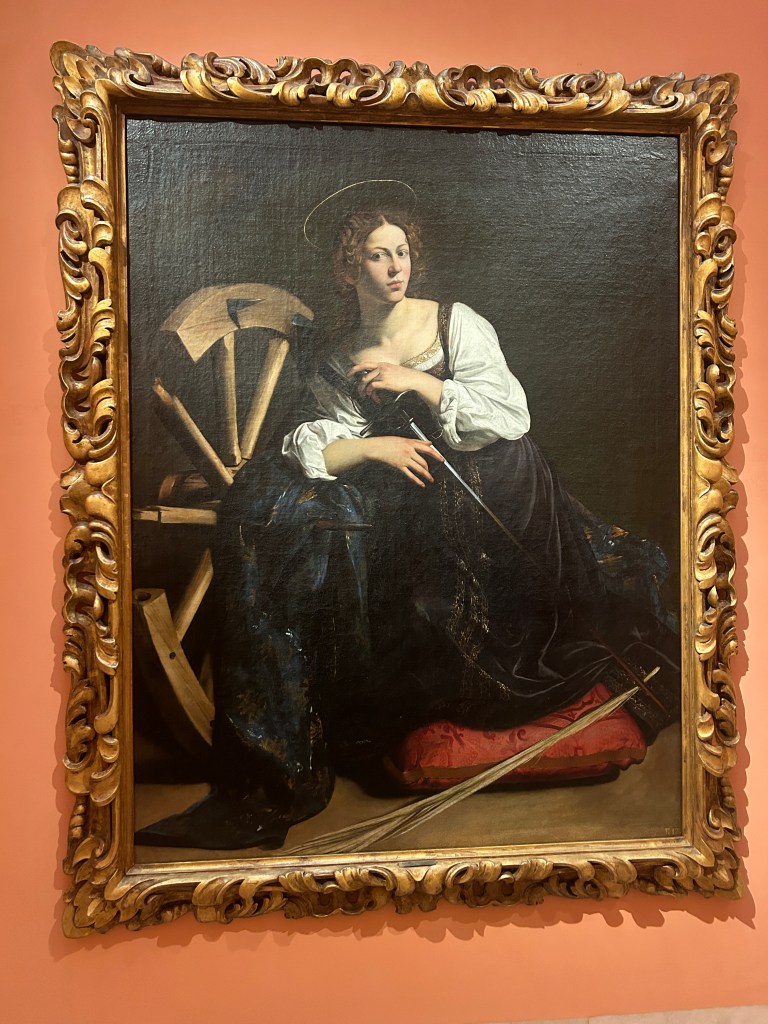
Level Two features paintings from the 14th Century to the 19th Century. I would say that medieval artefacts were featured heavily here and formed the bulk of the collection. My personal favourite was the Baroque masterpiece ‘St Catherine’ by Caravaggio. What? He is my favourite artist. Of course I am biased.
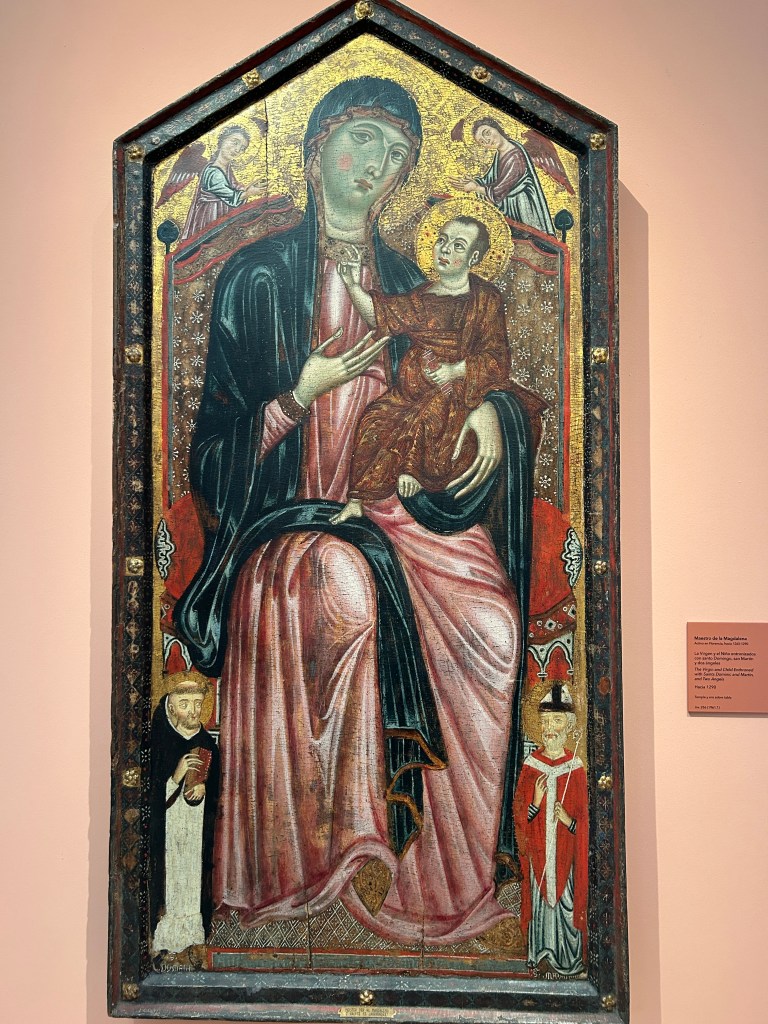

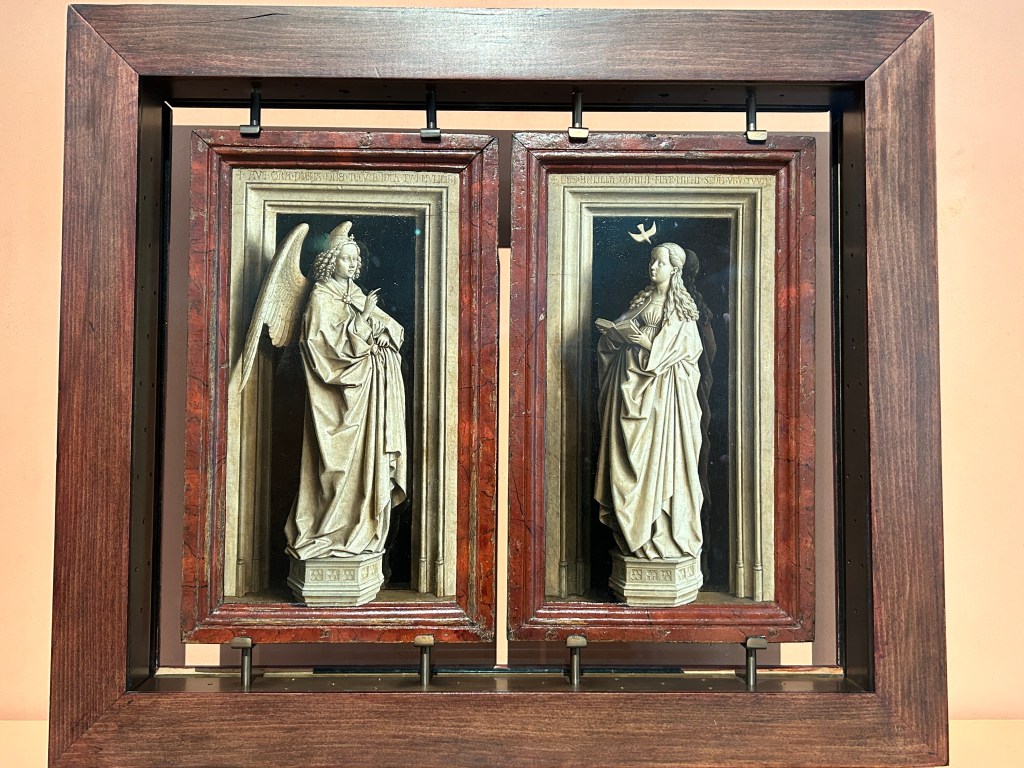
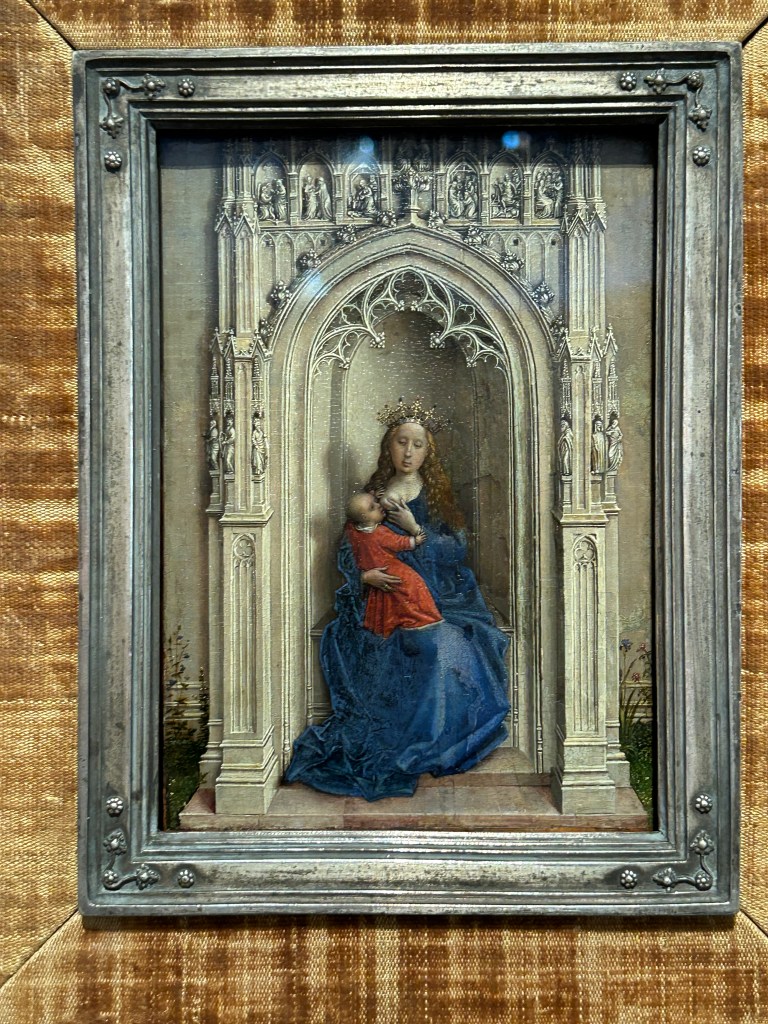
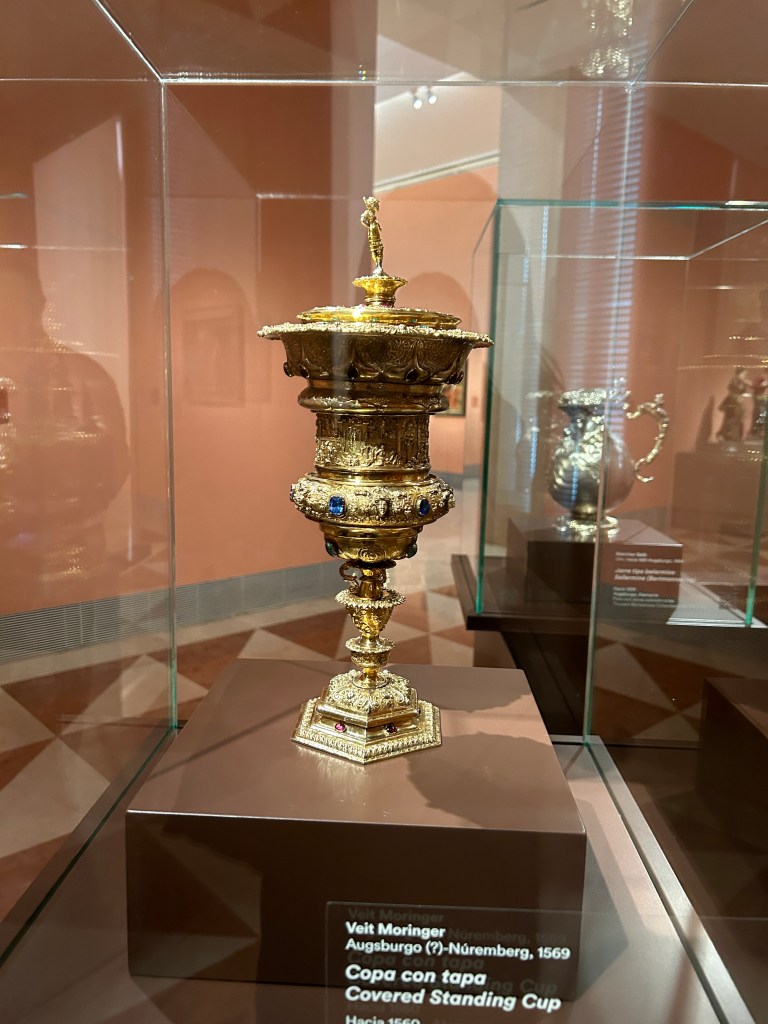
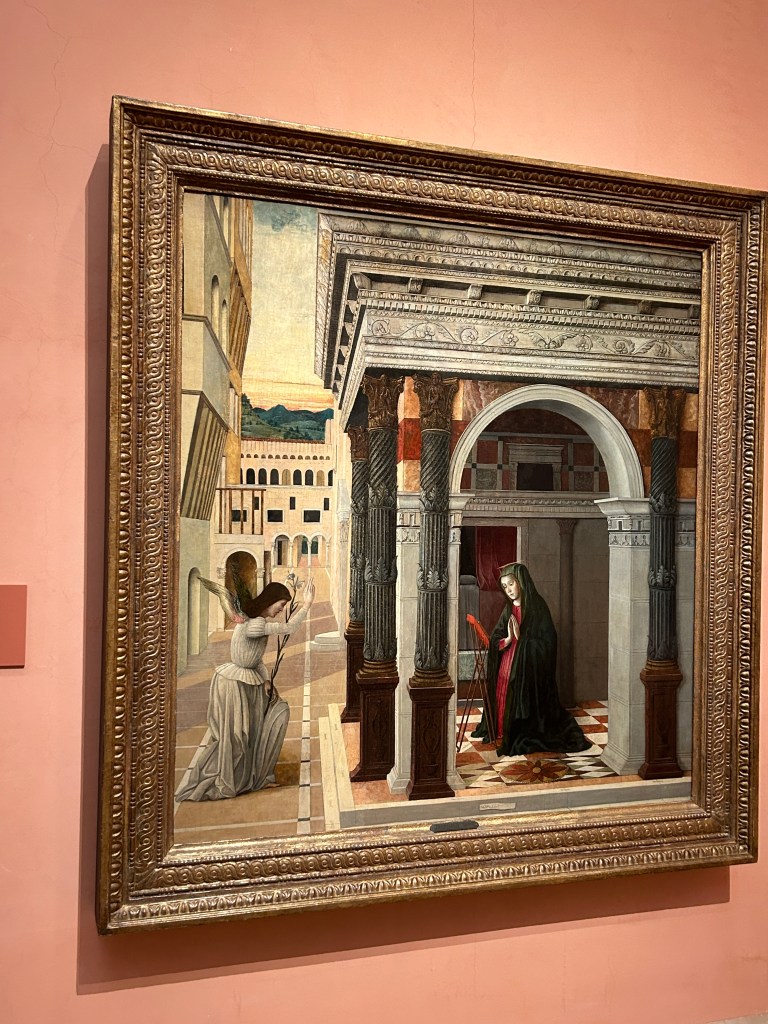
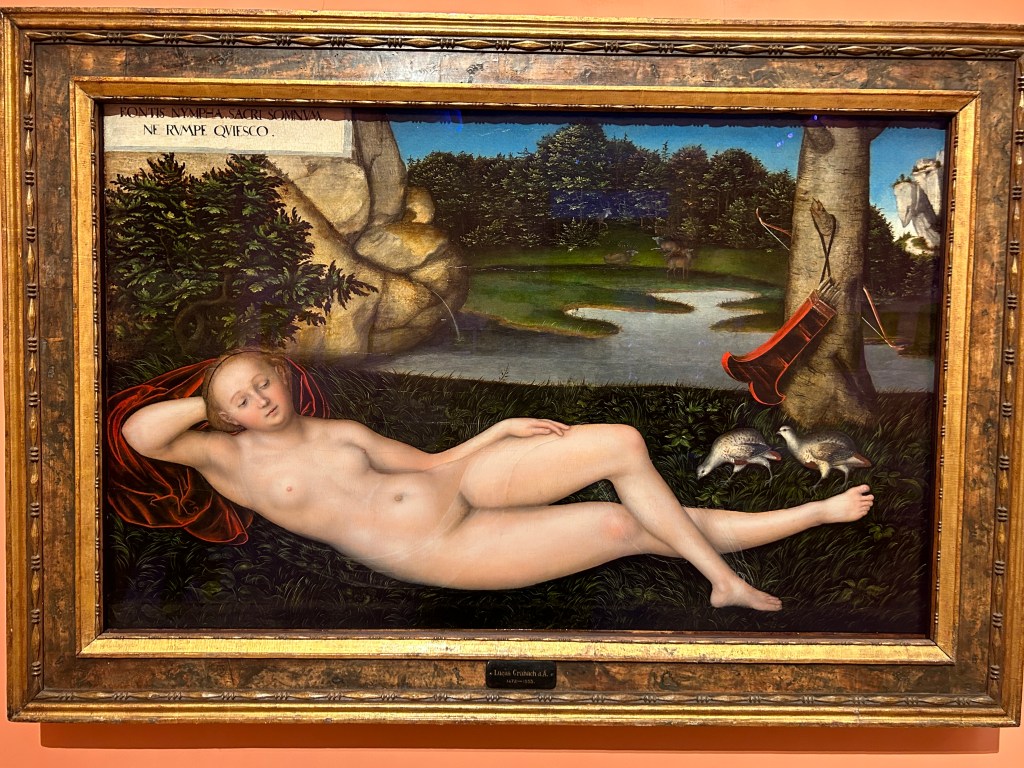

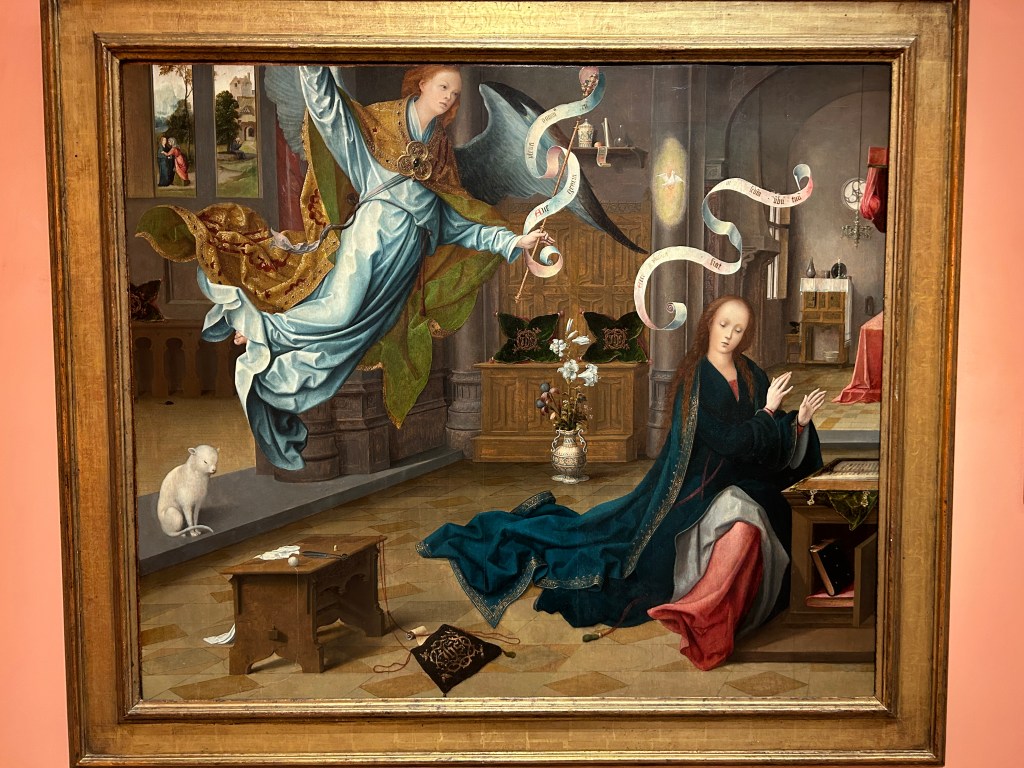
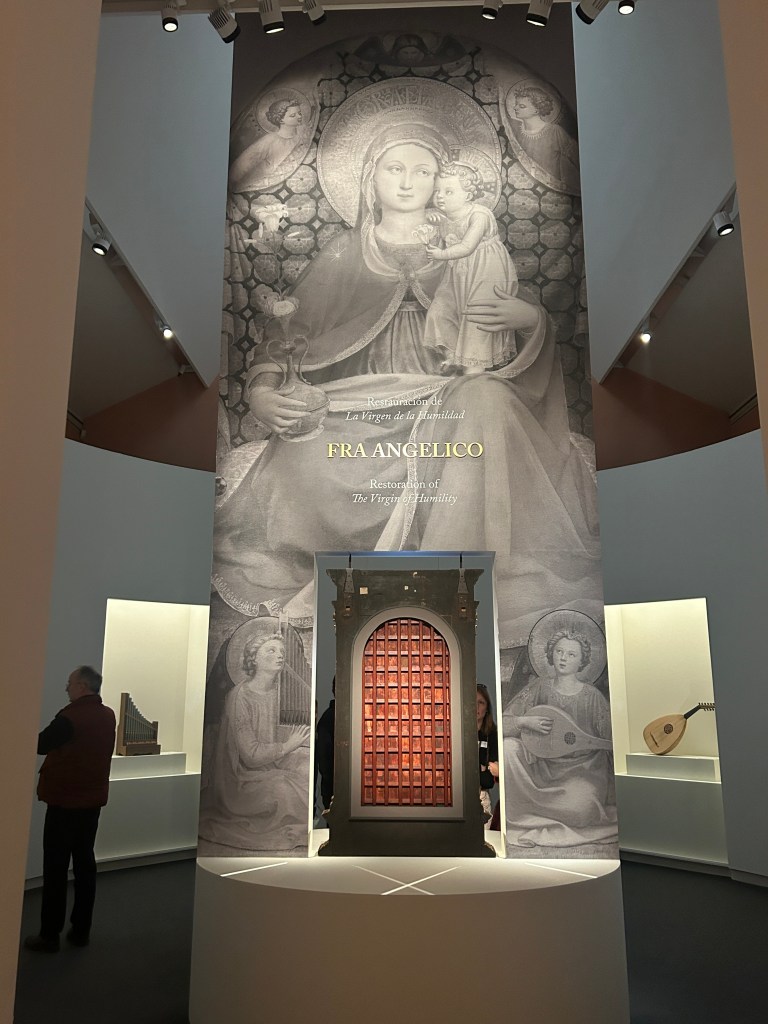
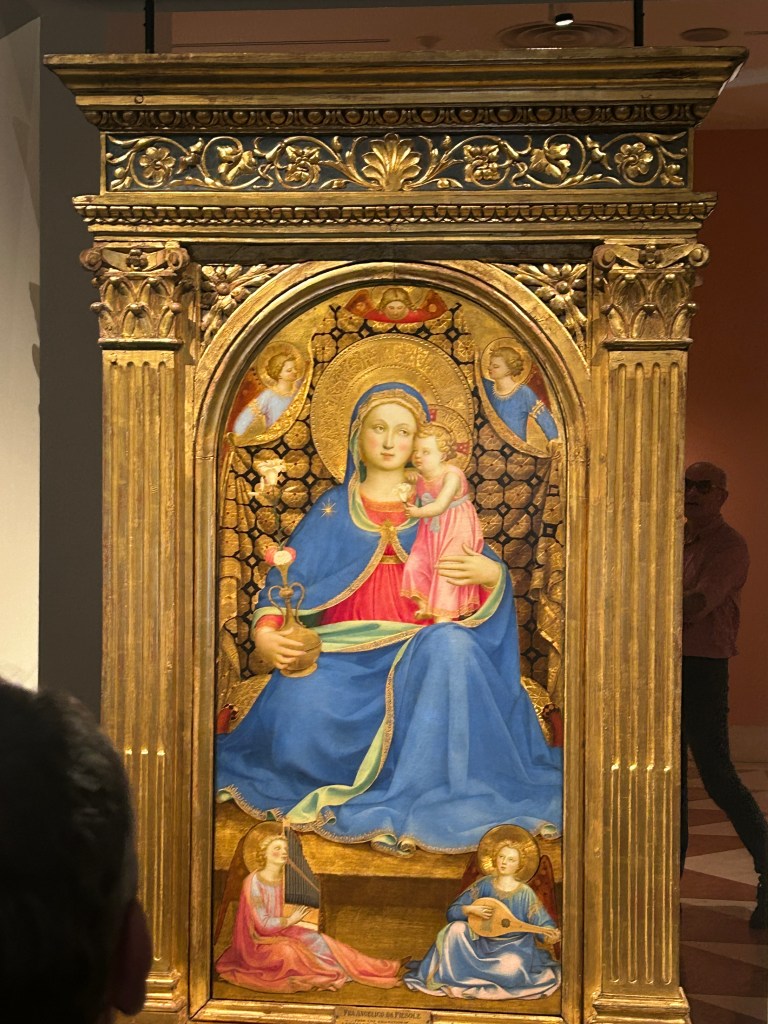
Special Mention for Level 2: Restoration of Fra Angelico’s Virgin of Humility
There was also a section reserved for the restoration of this beautiful altarpiece by Fra Angelico. Videos were played regarding the restoration process. The altarpiece itself was displayed in all its splendour through strategic placement as well as impactful lighting.
All in all, if you are strapped for time and have limited time to visit a museum ‘en Madrid’, I believe that the Thyssen would be the one to go to with its impressive collection of paintings from names worth their weight in gold. Its scale (you probably need 2-4 hours to finish the tour) would also be more manageable. I spent the same amount of time at the Prado as I did at the Thyssen and came out feeling lost and as if I barely scratched the surface of the museum although this was not due to poor organisation but the sheer monumental collection the latter houses. If you are still not convinced if this place is worth 13 euros, entry is free on Mondays where you can have this artistic experience gratis.
 writingaboutpaintings
Leave a comment