This exhibition explores the fascinating parallelism between Southeast Asia and Latin America in our mutual common identity and shared aspirations. The aftermath of colonialism for us that culminated in artistic heroes on both sides of the world challenging the narrative and resulting in the building a sense of special fellowship.
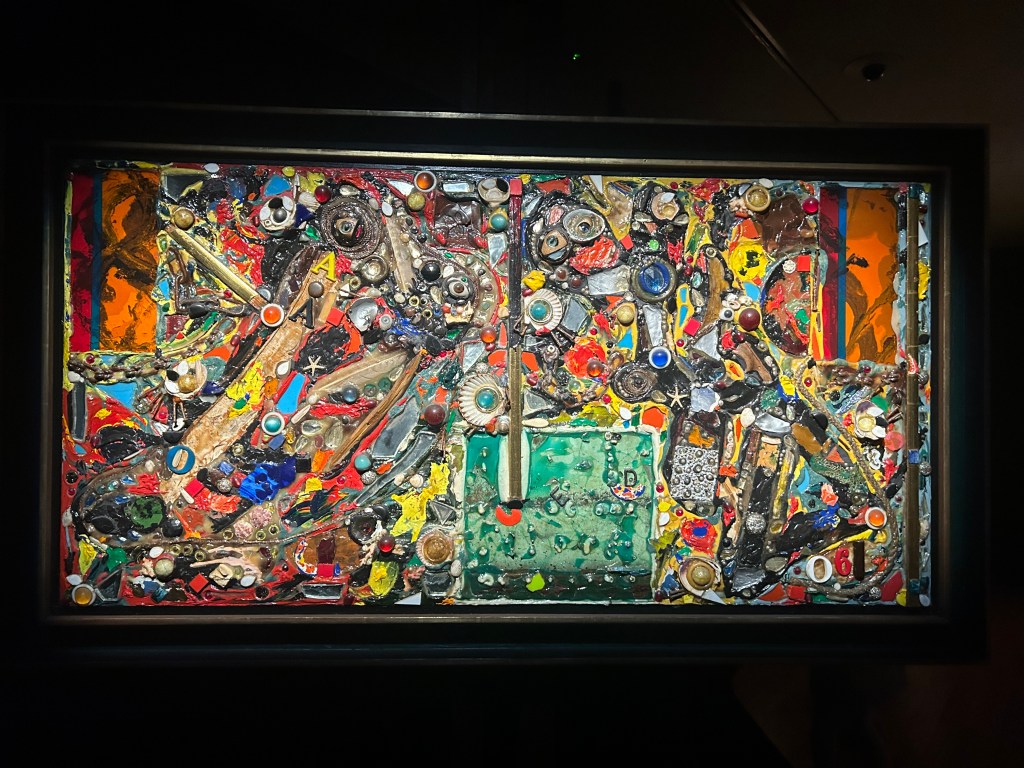
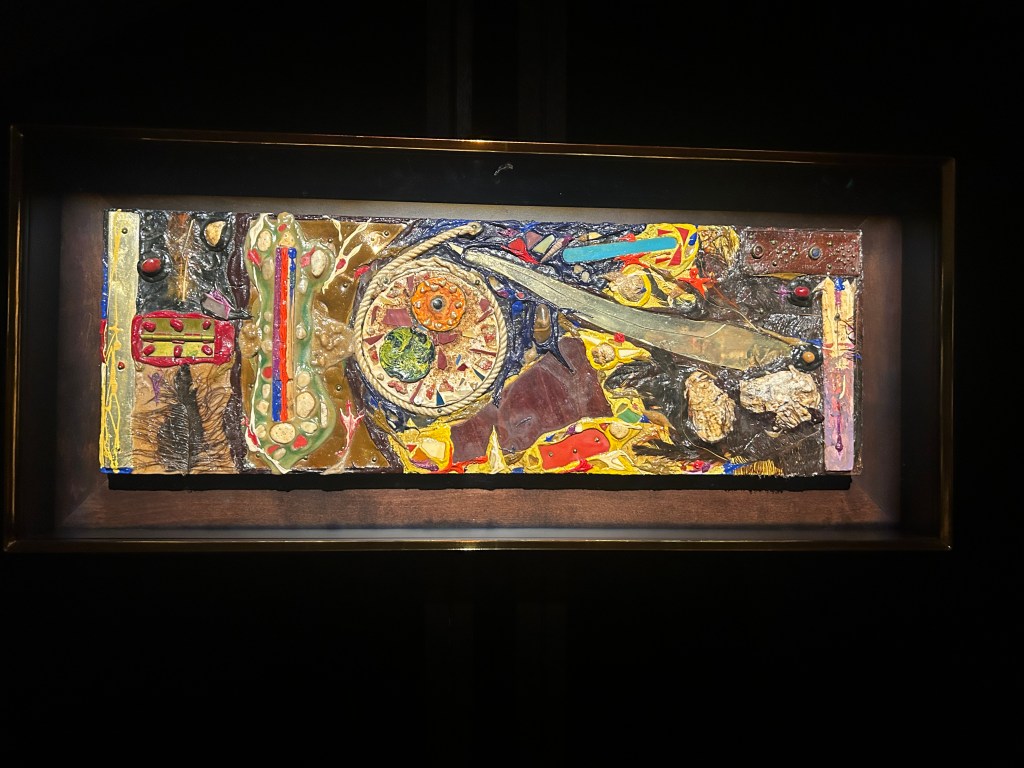
Offering more than two hundred items on display which range from paintings, performances and sensorial installations, this gem of an even is housed in Singapore’s National Gallery. Admissions are priced at 15 SGD for citizens and 25SGD for foreigners although for some reason, the stars aligned and the exhibition was open for all FOC on the day of my visit. Engaging, thought-provoking, meticulously curated with attention to fine aesthetic details, audio guides were not offered neither was there a need for them. The visitor experience is impeccable yet simple, complete with section labels consisting of texts that were reader friendly even with the Saturday crowd that was there with me on the day of my visit.
The Myth of the Lazy Native
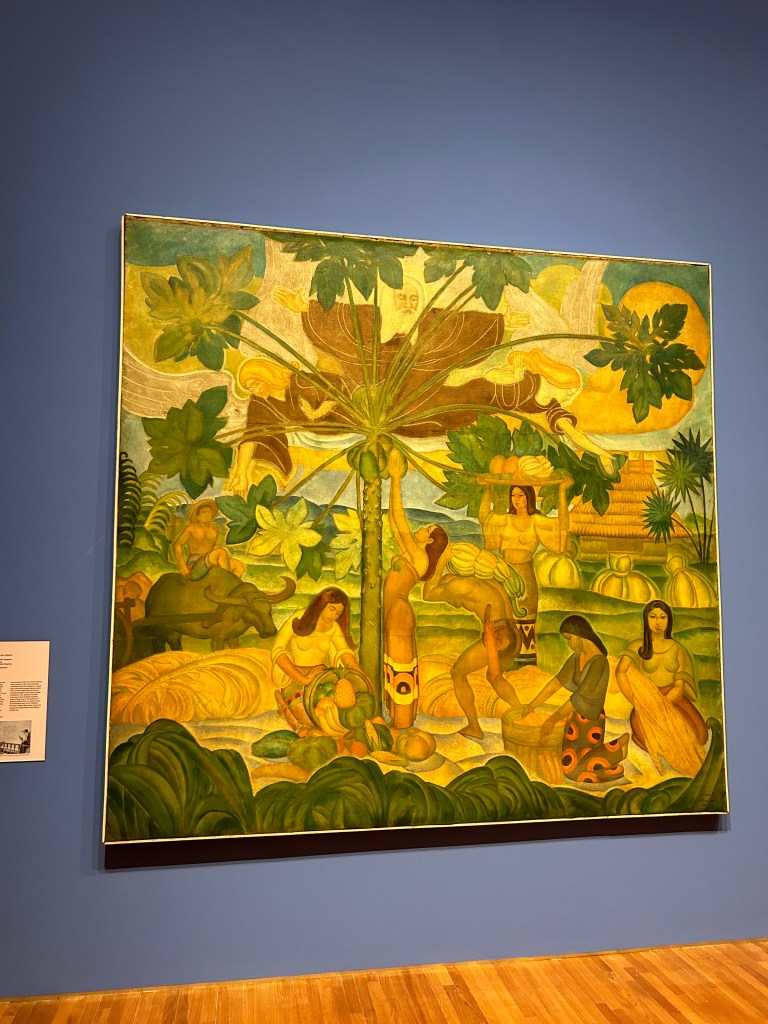
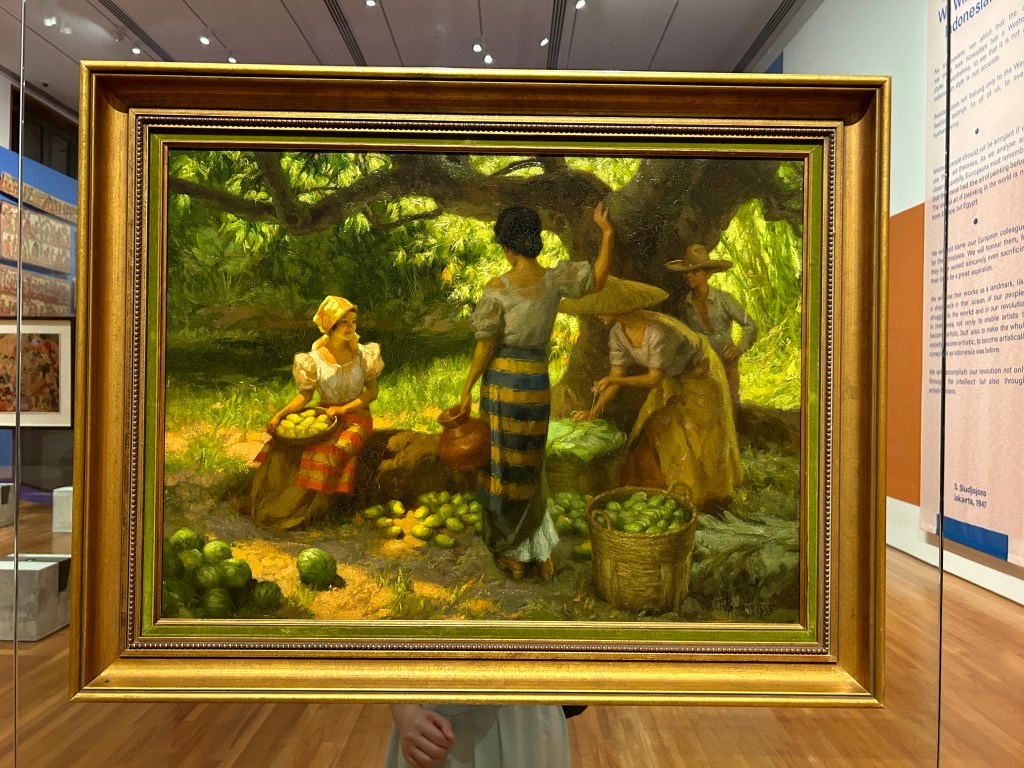
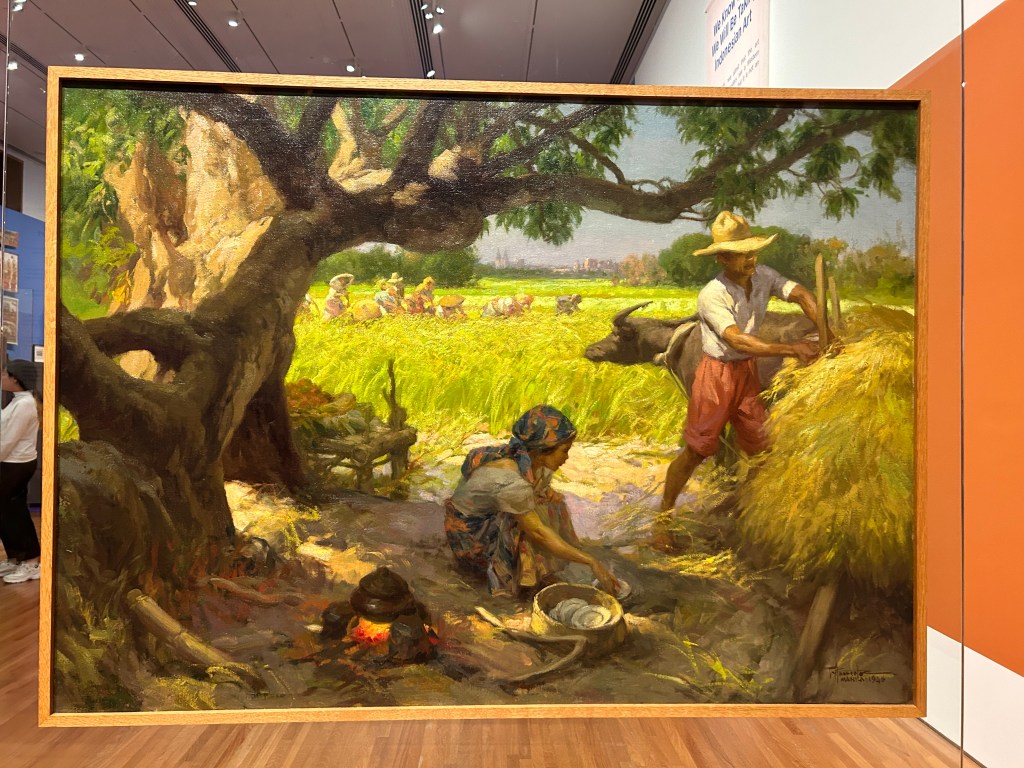
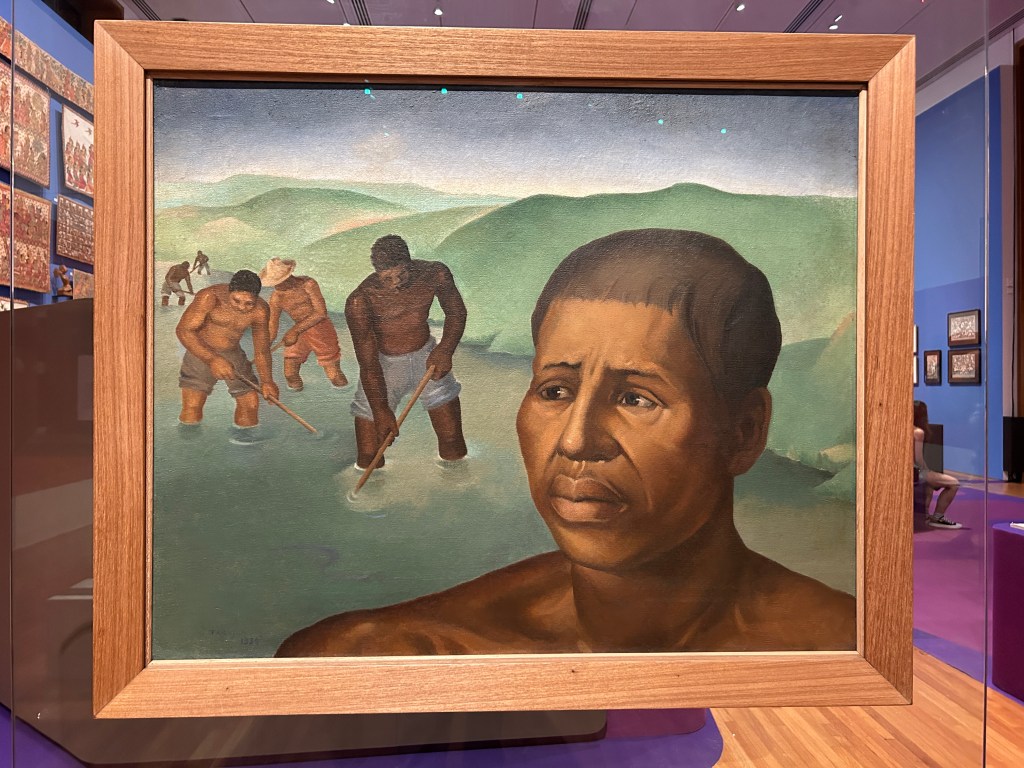
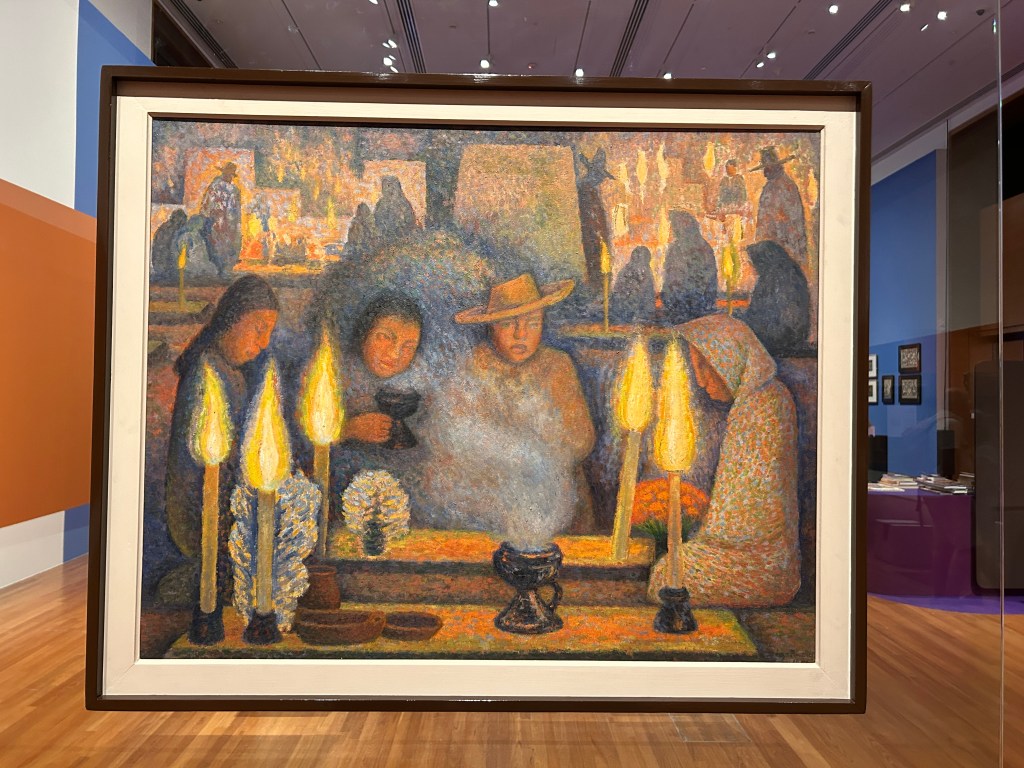
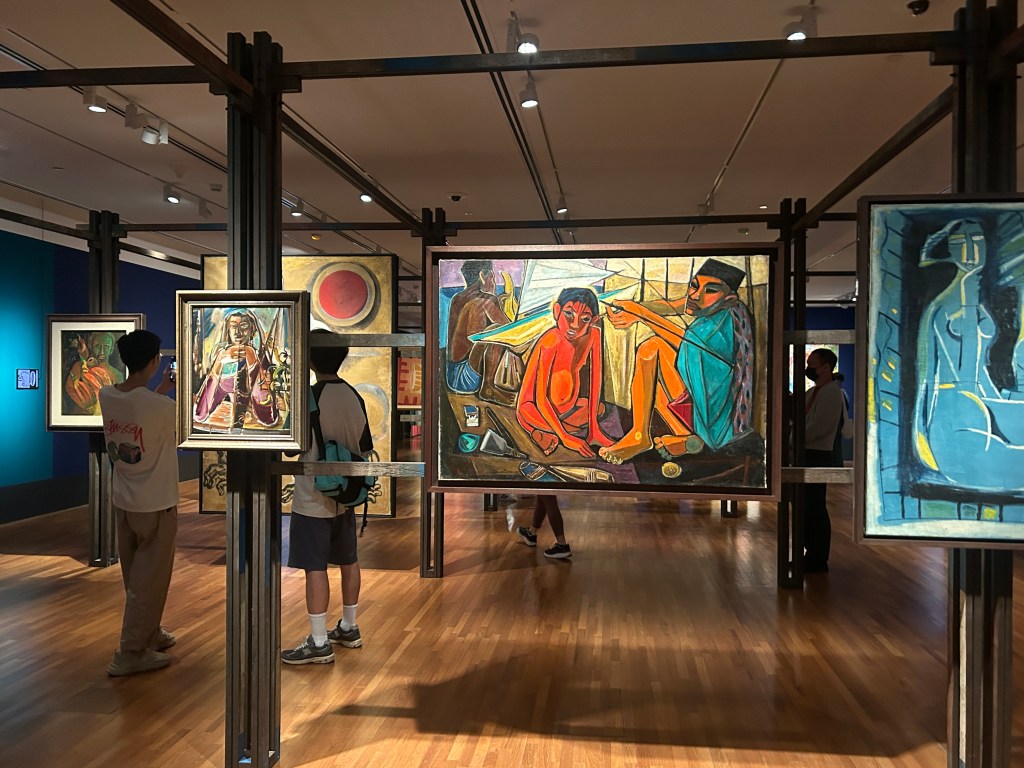
The visitor is welcomed by this opening section (forthrightly titled, I must say) where artists in the 1920s ventured on a journey in challenging stereotypes of the native. The use of lush colour palettes in many of the paintings really perked me up on that rainy downpour on that fateful Saturday. Propped up against equally balmy-hued walls, the wall-artwork combination rejuvenated my senses through the vibrant interplay of colours.
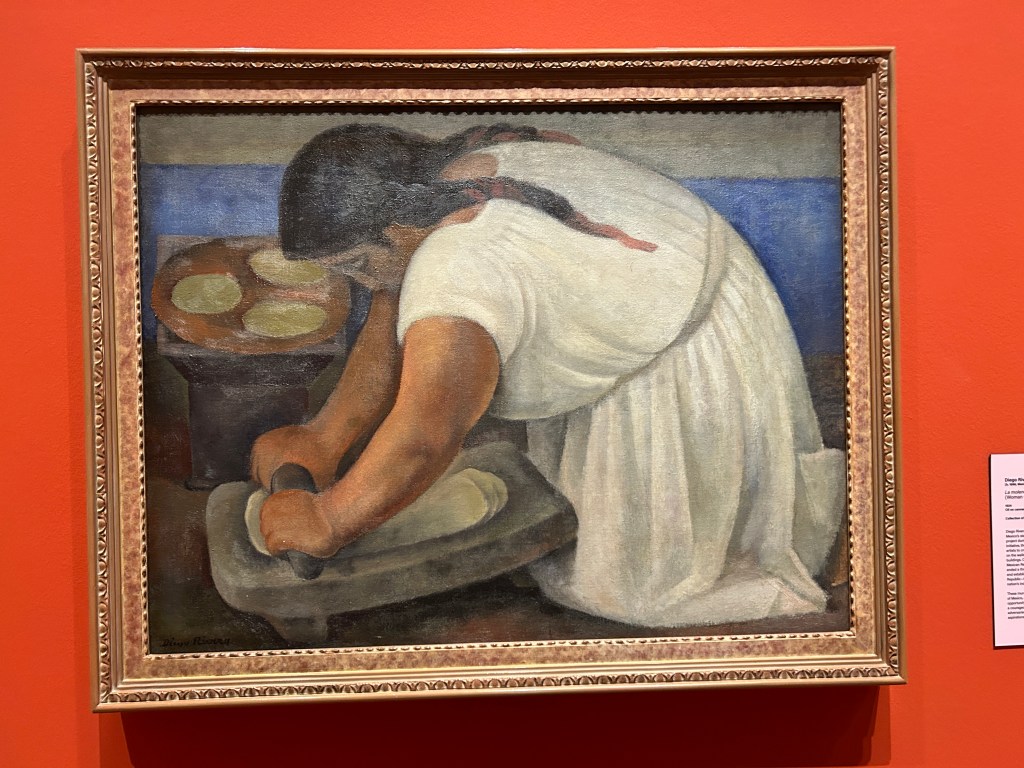
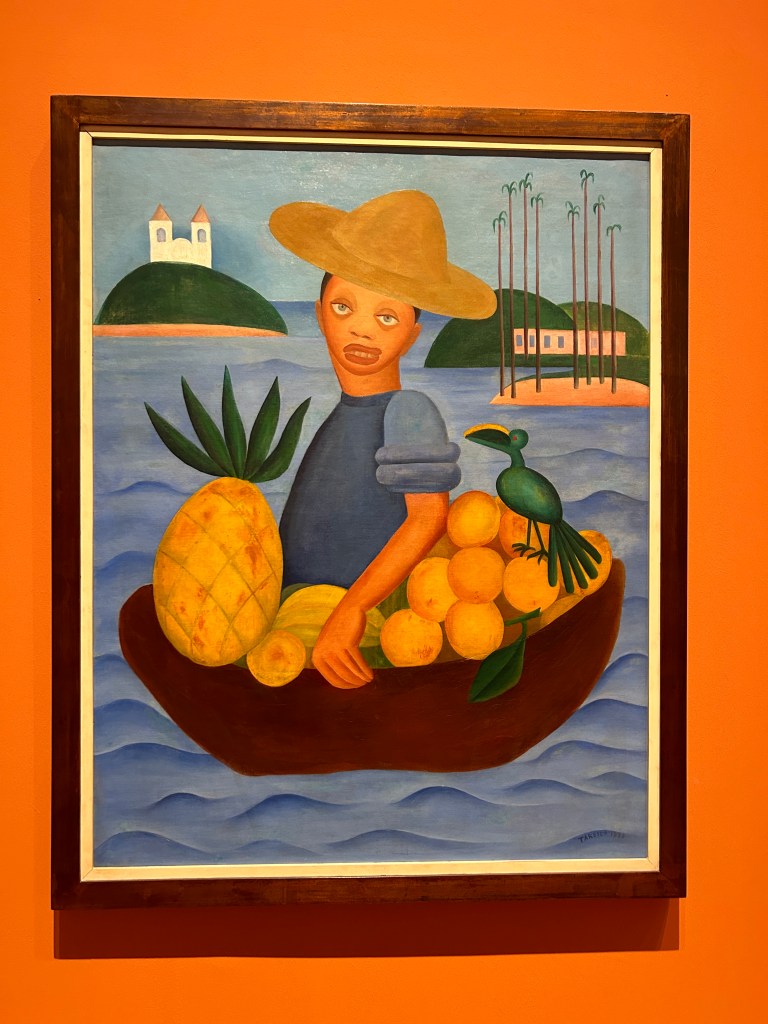
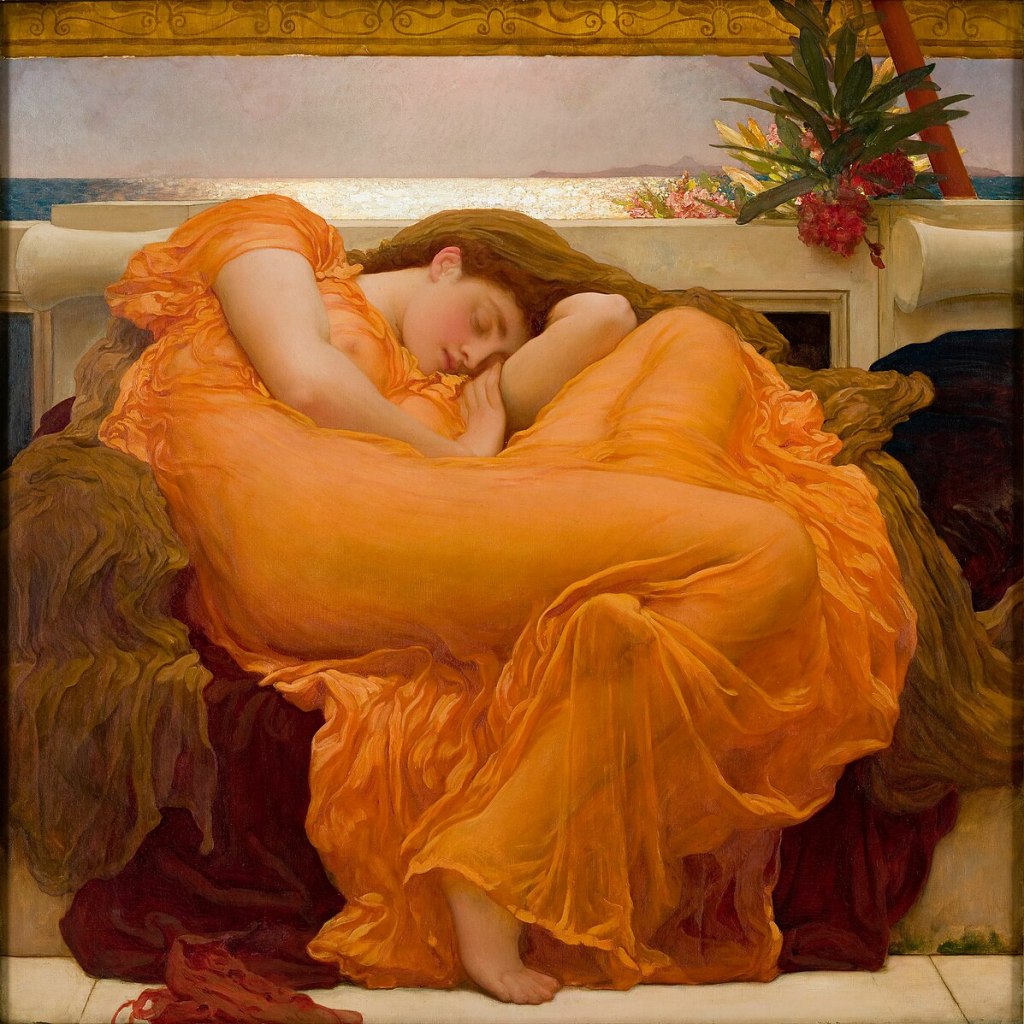
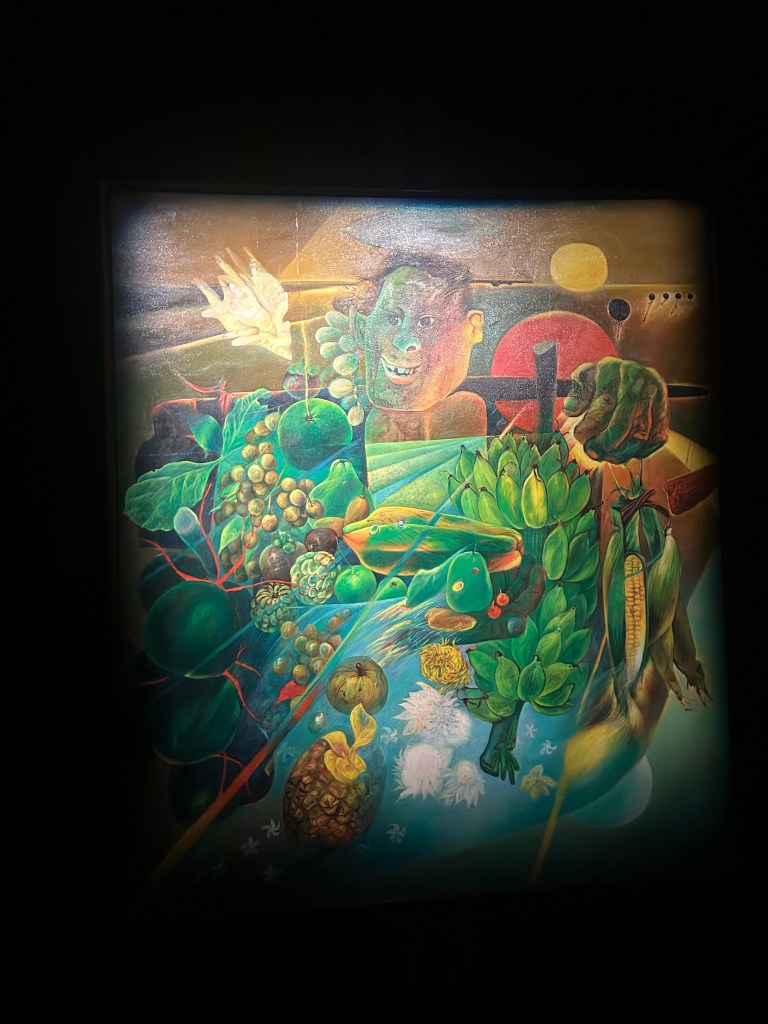
One of the key pieces that caught my eye here was Tarsal do Amaral’s The Fruit Seller, I especially adored the use of rich zesty orange hues of the painting calling to mind another swealtering masterpiece seen in Sir Frederic Leighton’s Flaming June. Orange is really is arguably my least favourite colour. No pun intended, but it has indeed always usually is truly grating for me to behold. To be able to attract me so intensely to this colour through astute artistic planning is nothing less than ingenious. Another work that caught my eye was Diego Rivera’s Woman Grinding Maize. The celebrated painter had always been sympathetic to his countrymen who lived from hand to mouth. His painting is a nod towards the ardous nature in the traditional handling of Mexico’s staple food and the labour the woman has to endure just to make pittance.
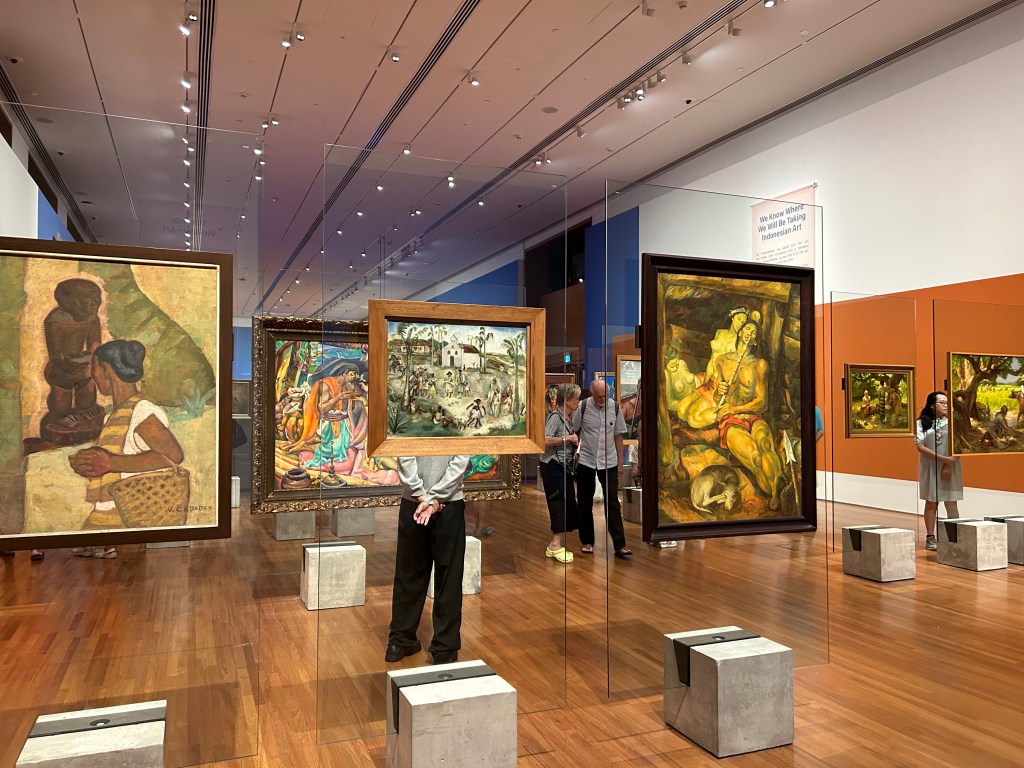
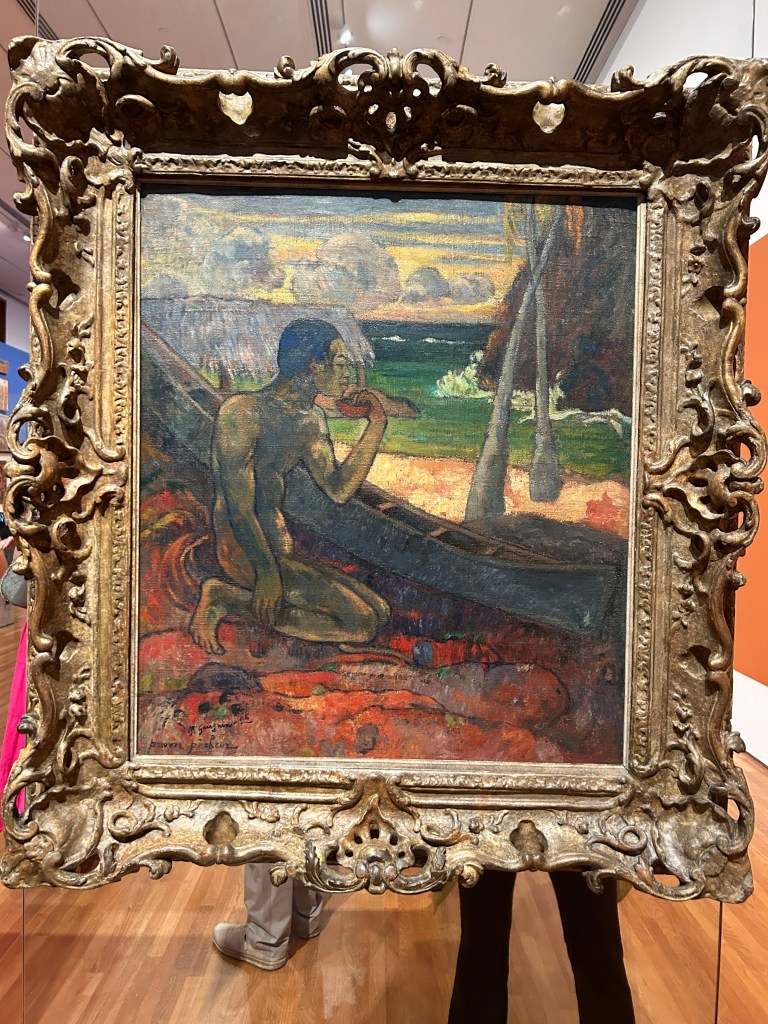
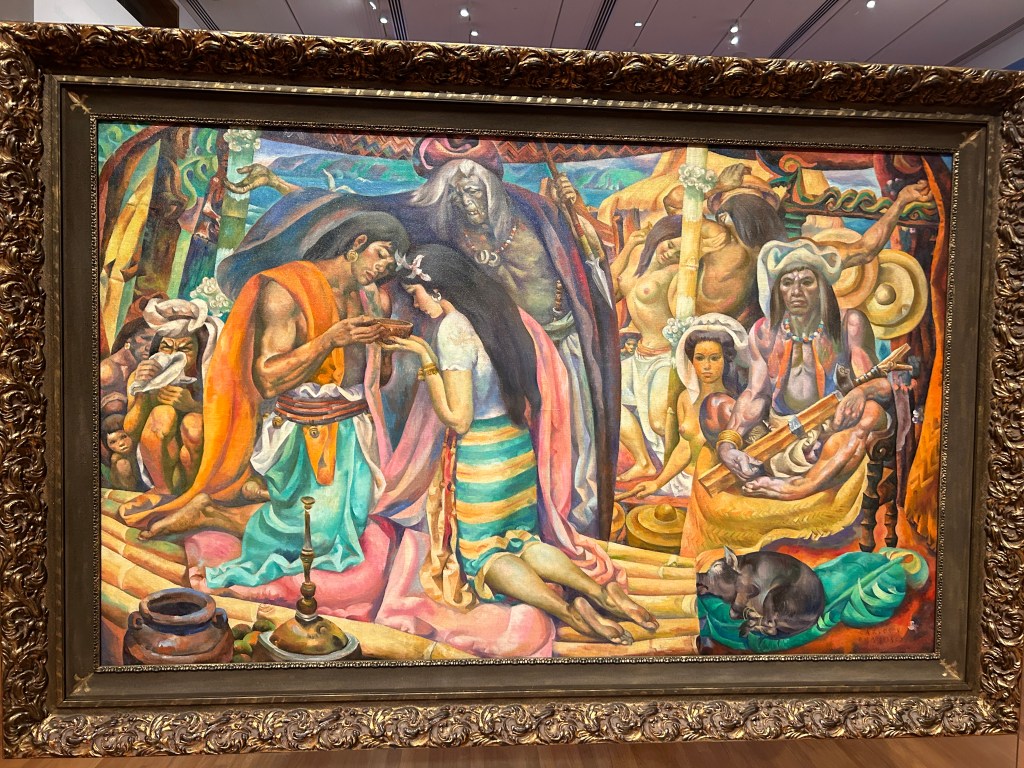
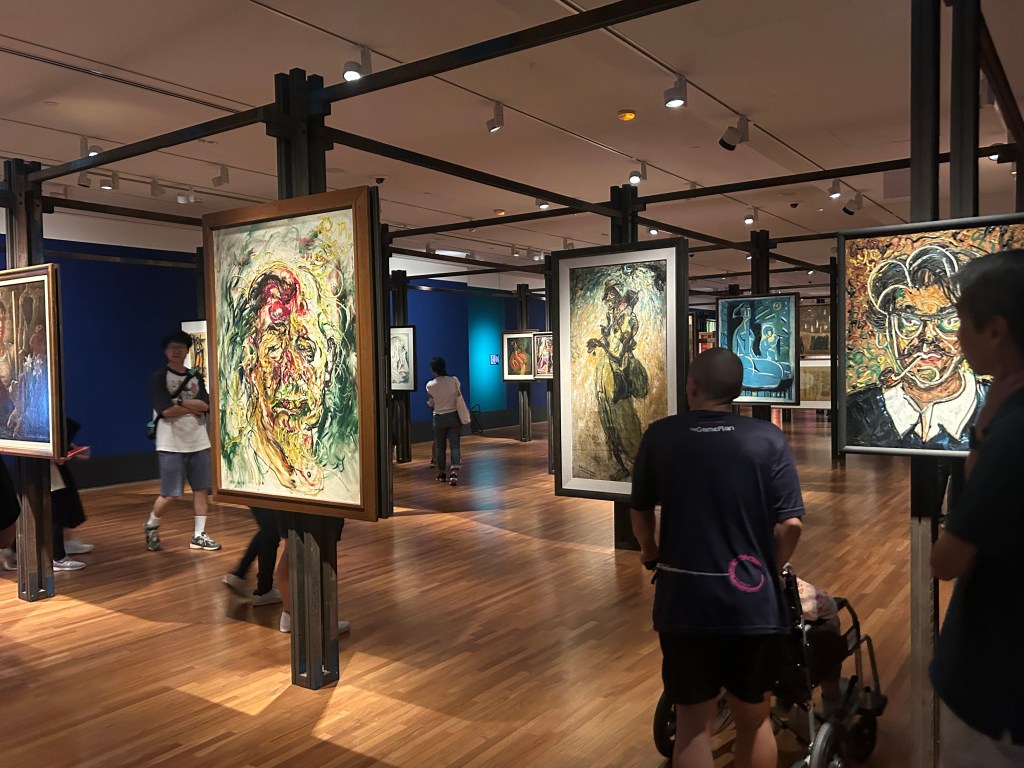
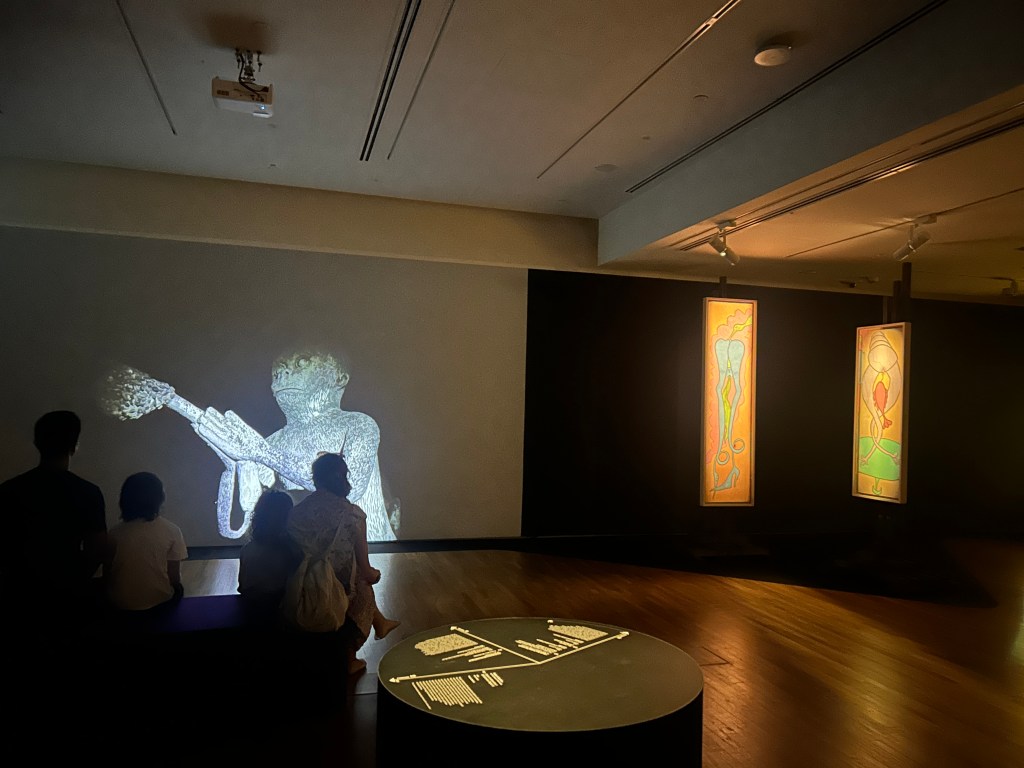
The area ahead at the opening section was curiously the exact opposite of the colour assault of the summery walls one experienced when nearer to the entrance. The works here are mounted on transparent crystal easels (seemingly suspended in the air) based on Brazilian artist Lina Bo Bard’s concept. These crystal easels was originally part of a groundbreaking concept utilised at Sao Paolo’s Museum of Art to remind museum goers to break down the barriers of the venue, and to ensure that art is liberated and within reach for the individual. The WOHA (Singaporean based architectural company) was employed to bring the idea to life right here in Singapore . This establishment significantly holds a track record of designing futuristic buildings focus on infusing skyscrapers with natural elements. Of course, such a concept is not a novel one. For instance, Spanish artist Antonio Gaudi is a stark example of being the forerunner who infused nature with his architectural plans which culminated in his masterpieces in Barcelona. What is interesting though, about WOHA is that this company’s portfolio included many of the nature-inspired buildings in on local soil, including the very ones right in my neighbourhood. I truly applaud the concept of the crystal easels as a very novel presentation style never seen before (unless you have been to the Sao Paolo Museum of Art, of course). It did take me awhile to figure out that the artwork labels were mounted directly behind the painting. It was definitely a facepalm moment. But hey, you live and learn.
Library of the Tropics
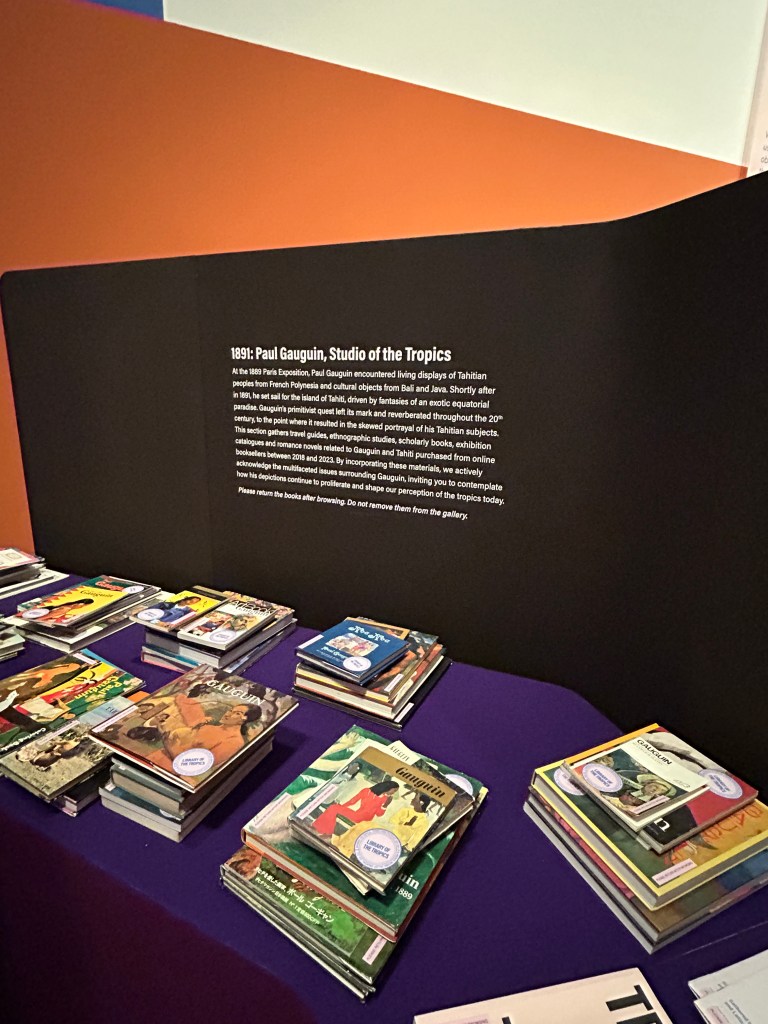
The proceeding zone brings the visitor to an interactive space that is an interesting blend of diverse items on display including books, films, posters and cultural objects.


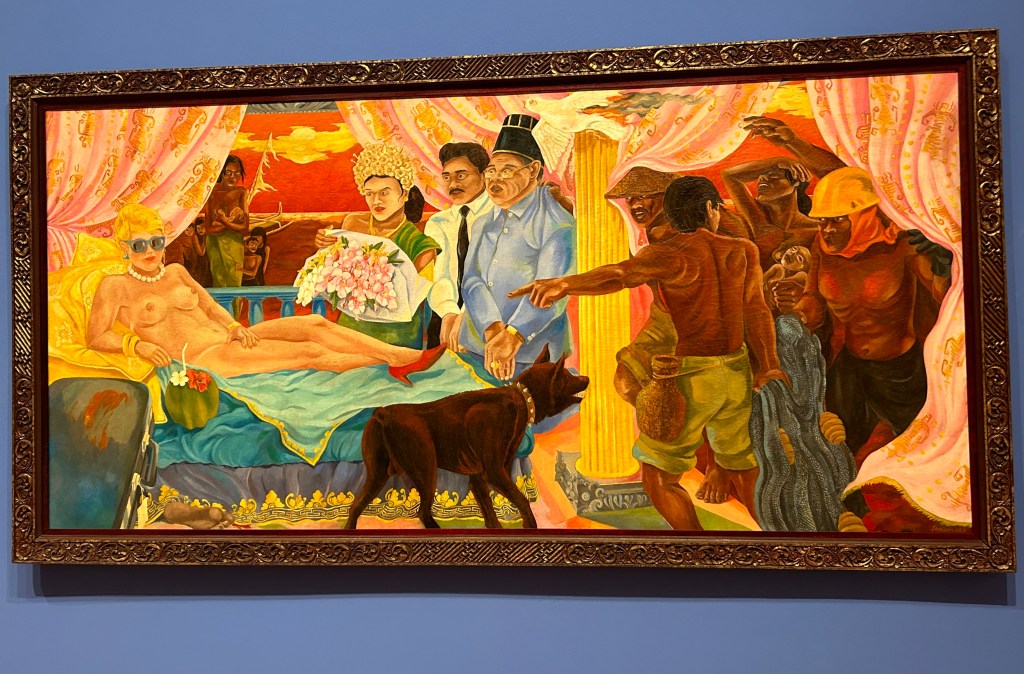
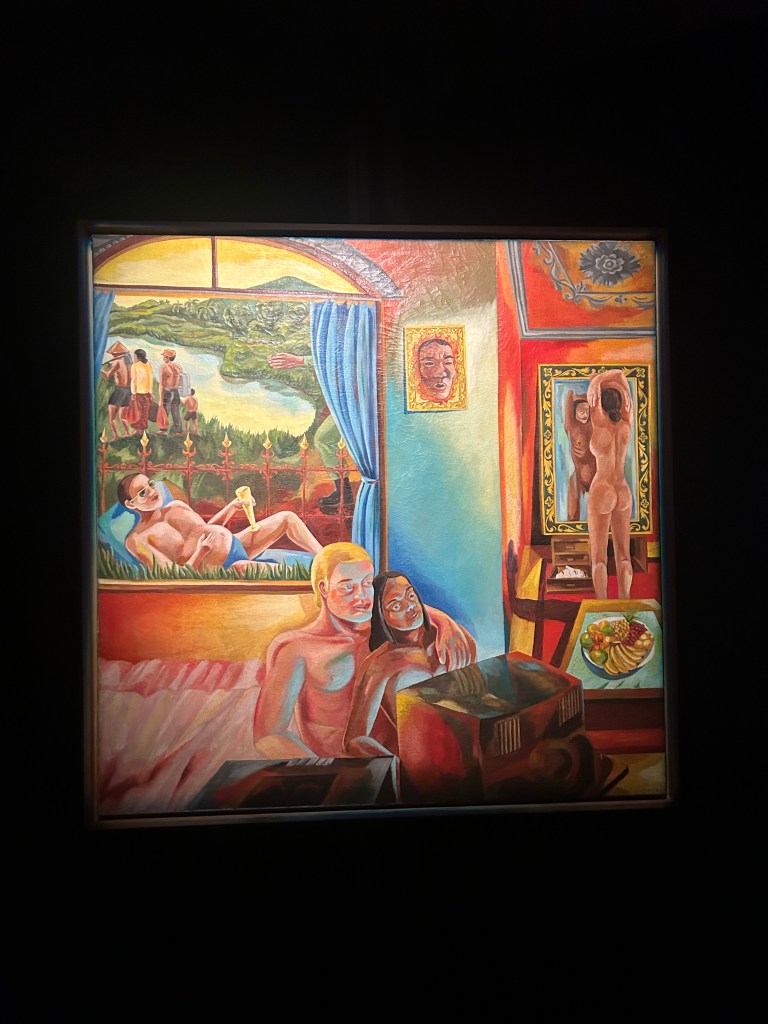
Majestically propped up on an opposite wall near the Library of the Tropics is Smear Siahaan’s Olympia. Epic in scale and featuring a traditional iconograhy of a reclining woman that has been seen repeated in countless masterpieces throughout the history of Western Art, the grandeur of the work’s scale contrasts with the whimsical bright summery colours and satorical portrayal of a blond woman who is seemingly in the act of being pleased by the locals. She sits as if on a throne and almost looks as if it’s her birthright to be in that position of royalty, yet looking mildly ridiculous in her nudity and touristy sunglasses.
This artwork is in fact what I call a parody of another artwork that was itself another appropriation. Edourd Manet’s iconic Olympia was itself a statement slash protest on Titian’s reclining nudes. Manet’s version explores the idea of female objectification and representation in line with western artistic tradition. Siahaan’s adaptation of Manet’s painting acts as an extension of that, a rebellious protest of Asian subservience to Western Capitalism while making a resounding statement at the same time that it was finally the end of the power of Western Art.

Earth of Mankind (Self-portraiture)
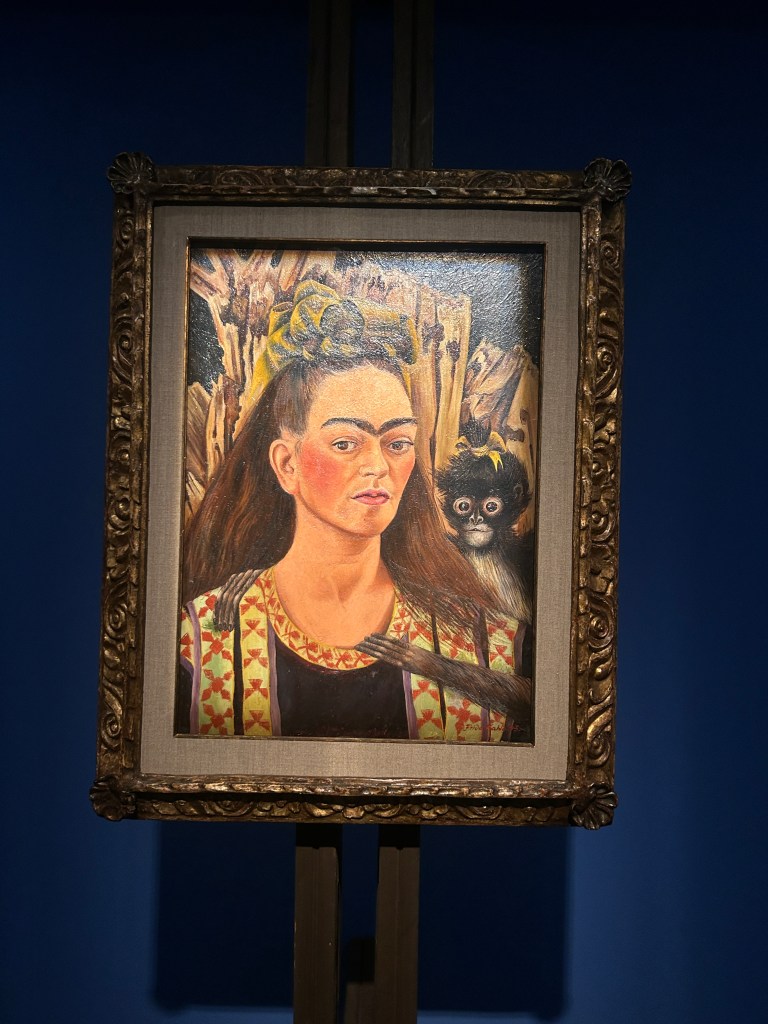
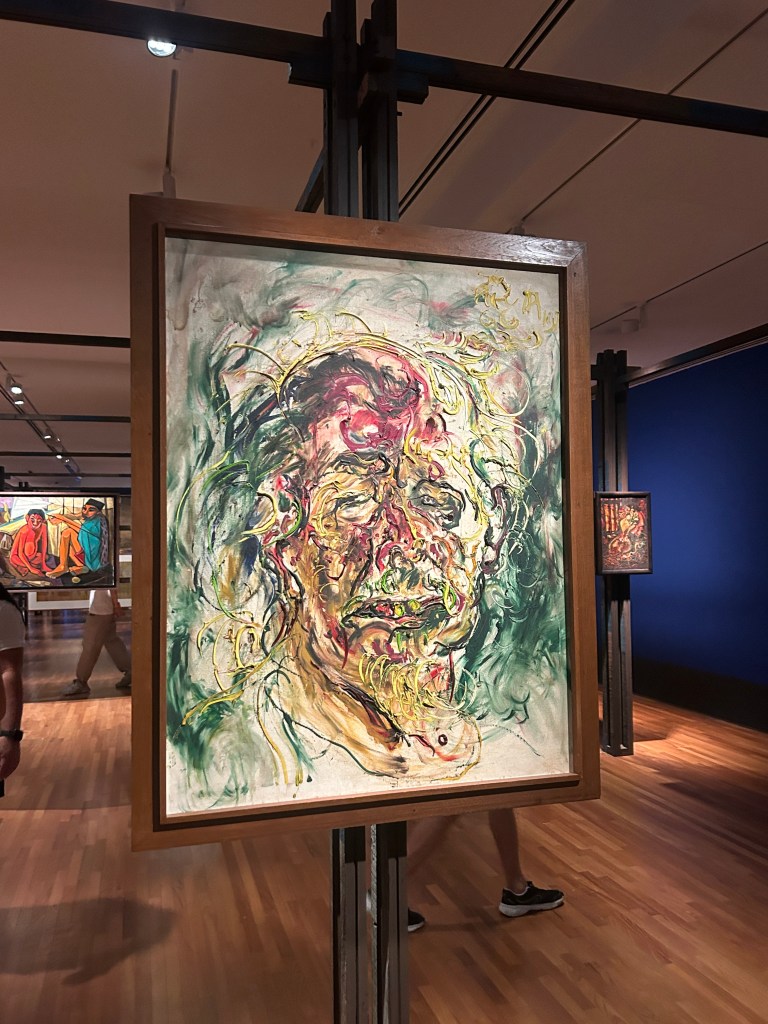
Exploring the 1940s, this area recounts the transformation that was beginning to dawn that came with new independence. With this seismic change, the self-identity of individuals were thrown into a state of being in flux and there was a process to be able to internalise and search for one’s self-identity within this new reality. To reconcile anything related to the self, one usually turns to self-portraiture naturally as the first port of call which is the highlight of this section. There one finds a star-studded lineup of portraiture by celebrated artists including Frida Kahlo and Affandi and their urgent search for their selfhood both in the individual domain as well as within a broader national context.
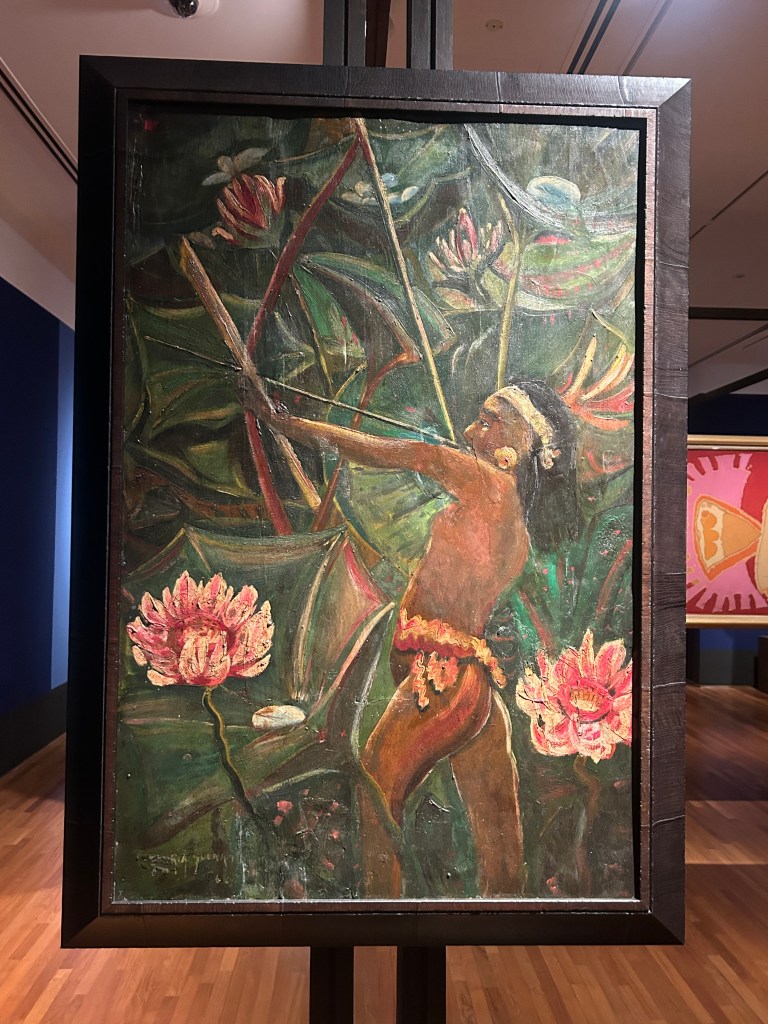
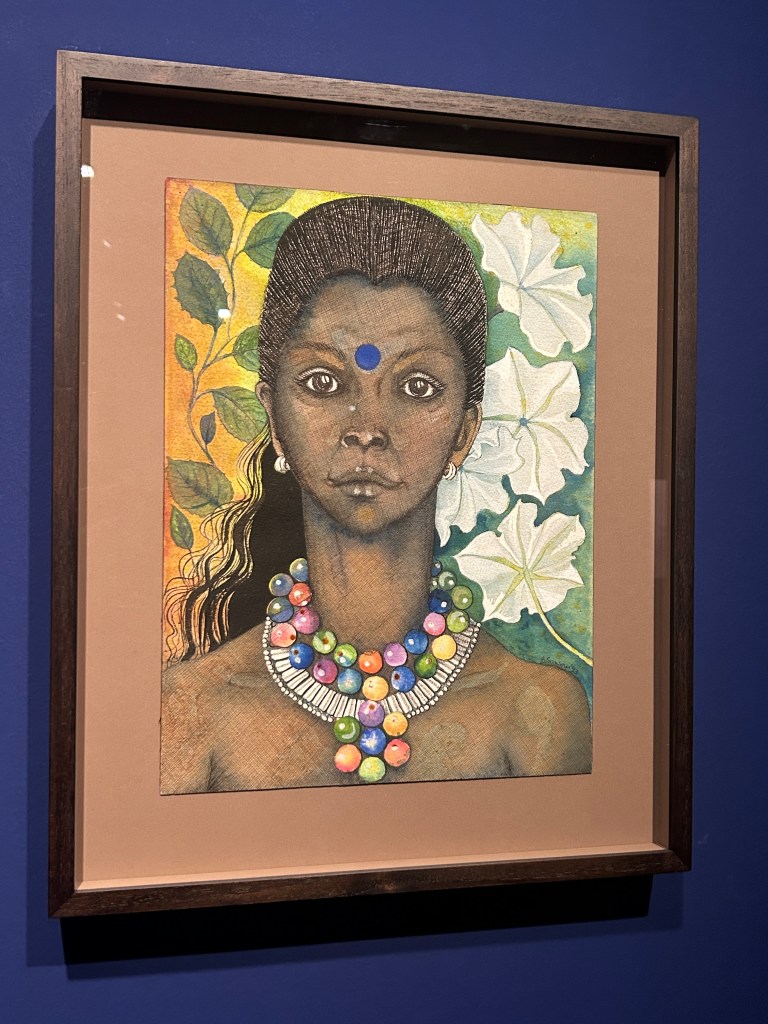
The Subversive (Installation section)
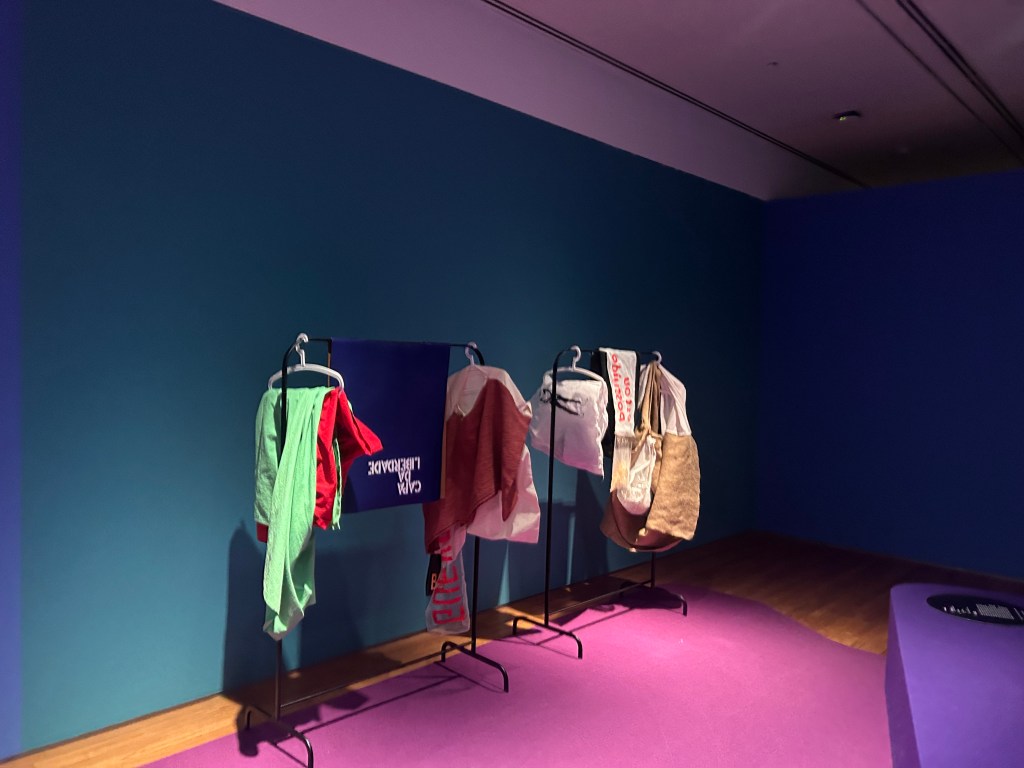
Moving forward chronologically, this group of exhibits focuses on the modern era during the 20th century and the artists’ continued efforts in breaking through old norms. The items on display here significantly consist of several installations which is not surprising given the moment in time they were created where more novel forms of self-expression were embraced.

Tropicalia (Finale piece)
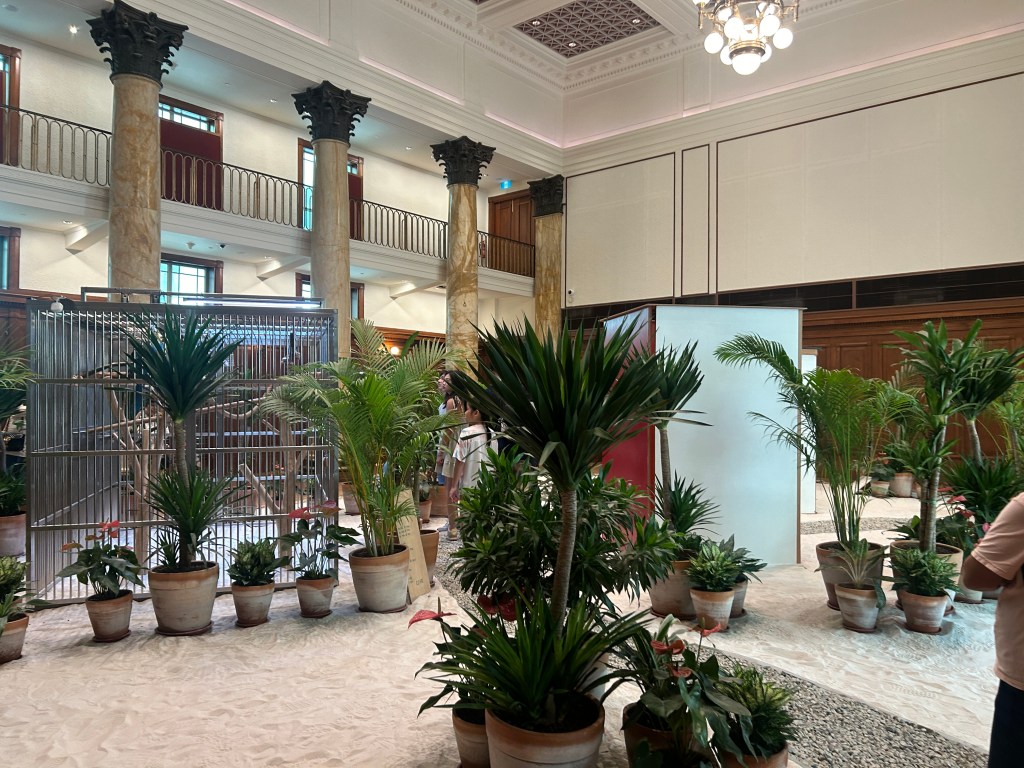
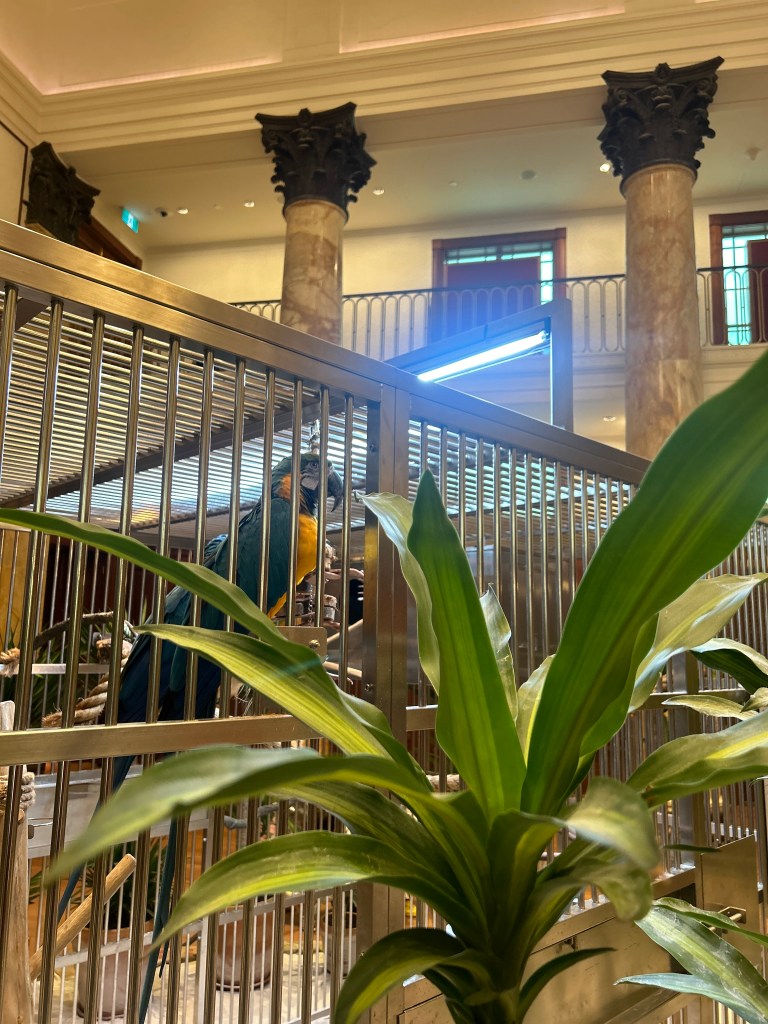
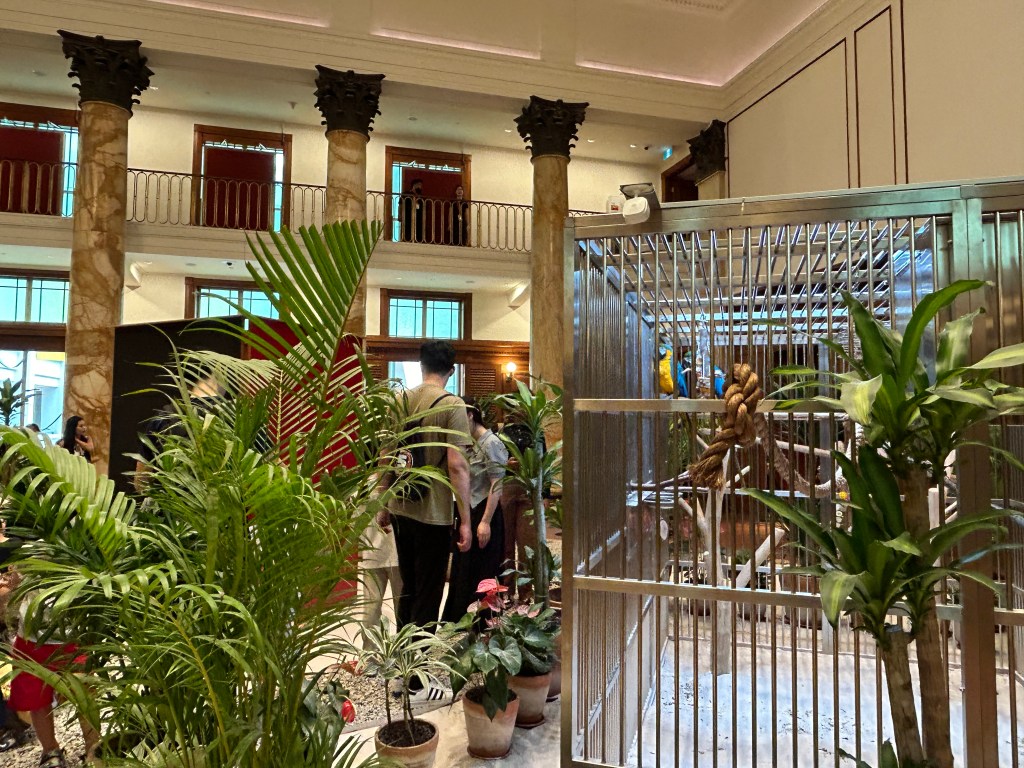
Helio Oiticica’s Tropicalia (1967, remade 2023) is an engaging piece of immersive installation that questions cultural and artistic norms by intertwining Brazilian culture with contemporary art. Here, a lush tropical setup complete with luxuriant greenery, a sandbox and two screechy cobalt macaws was set up on site. Latin American art in the 1960s was trending in the Neo-Concrete style, with its constructivist style coldly alienated by the reality of the social tension enveloping the continent. Against this gritty backdrop, the installation is an attempt to forge a brand new Latin America through verve and vitality, by engaging all the senses1. With its refusal to conform to the constraints of the museum space that it is contained in, the sharp contrast is highlighted manyfold when placed against the severe austerity of the location of the former Supreme Court of Singapore (If you weren’t aware before, the National Gallery was formerly a courthouse). Sometimes I guess the message gets sent across just that much more effectively through the likely mixture of hyperbole and irony. After all, to quote André Gide, ‘The work of art is the exaggeration of an idea.’ Touché.
Overall, I did find that this exhibition was masterfully curated no doubt through gargantuan teamwork given the scope of topic covered in addition to the massive range of display items on hand. I am just not sure if the multimedia nature of the exhibition justifies the price tag of 15SGD or even 25 SGD if I were to compare entering the Prado for 15 Euros or the Louvre for 22 Euros where the scale and scope of such museums are on a entirely different level altogether. Perhaps the pricing should be readjusted?
 writingaboutpaintings
Leave a comment