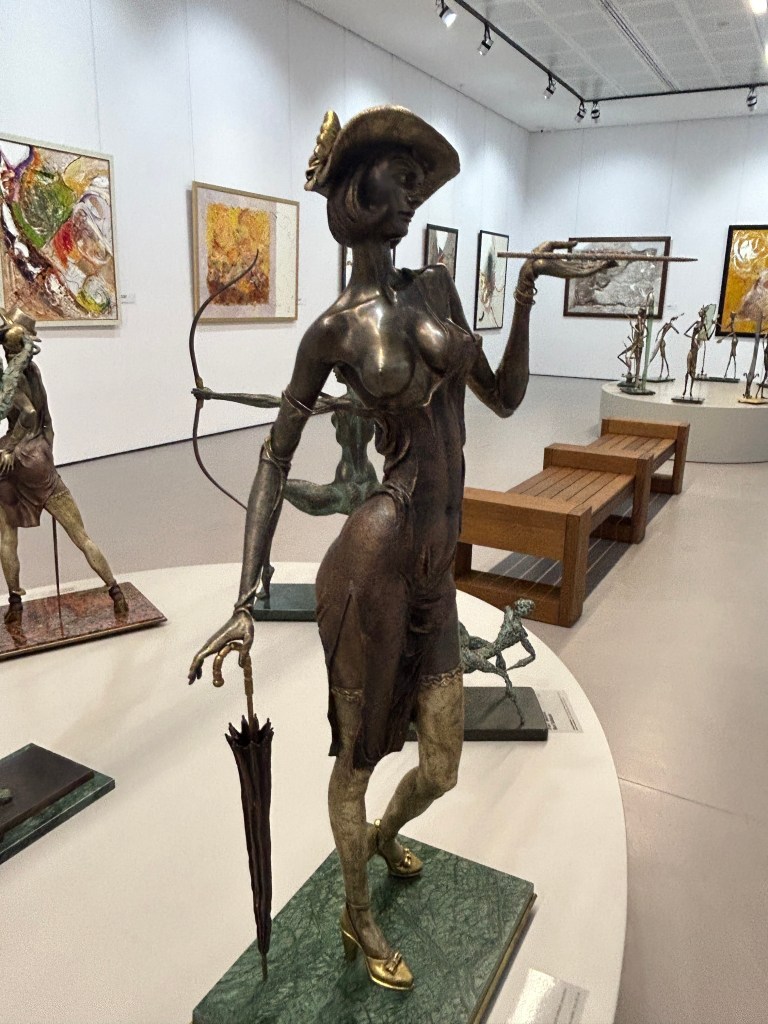
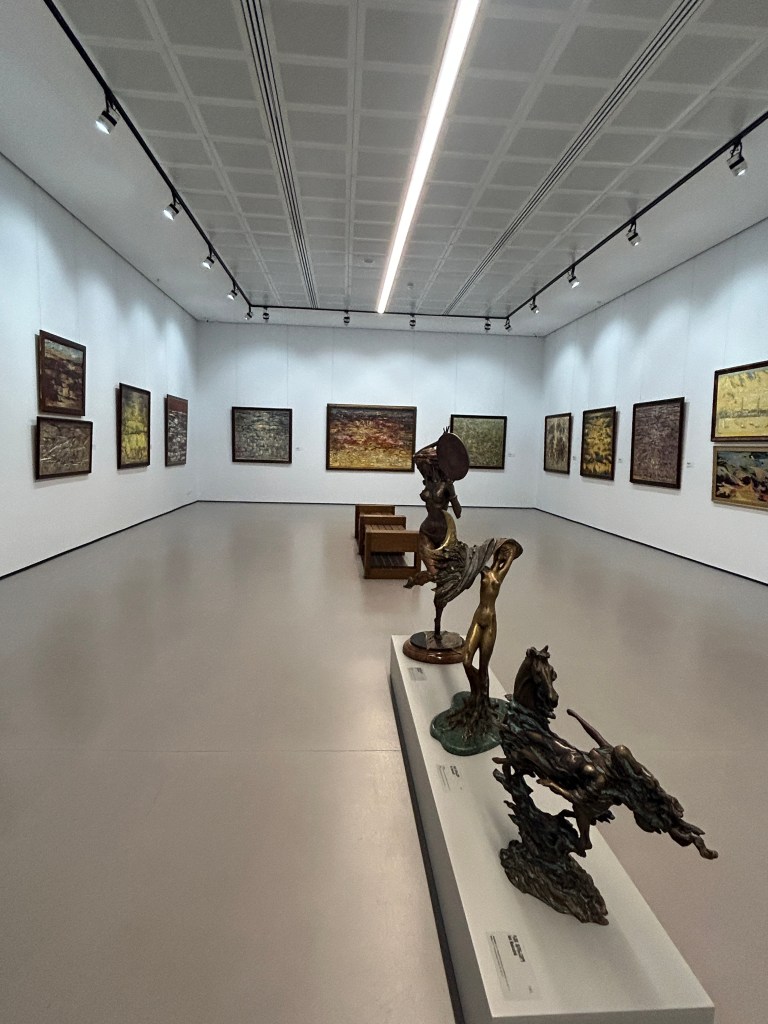
The Museum
I found myself in the enigmatic city of Tsibilisi during my latest vacation. The Caucasus country has always had a reputation for its safety and natural beauty.I was intrigued by this experience even though I wasn’t ready for the cold that my skin took weeks to recover from. On my initial days there, I was incredibly exhausted from the daily tours I over ambitiously booked on my first eight days there, and mentally noted to myself that I needed to set aside the last two days there to check out the museums which I am pleased to report that I ultimately did.
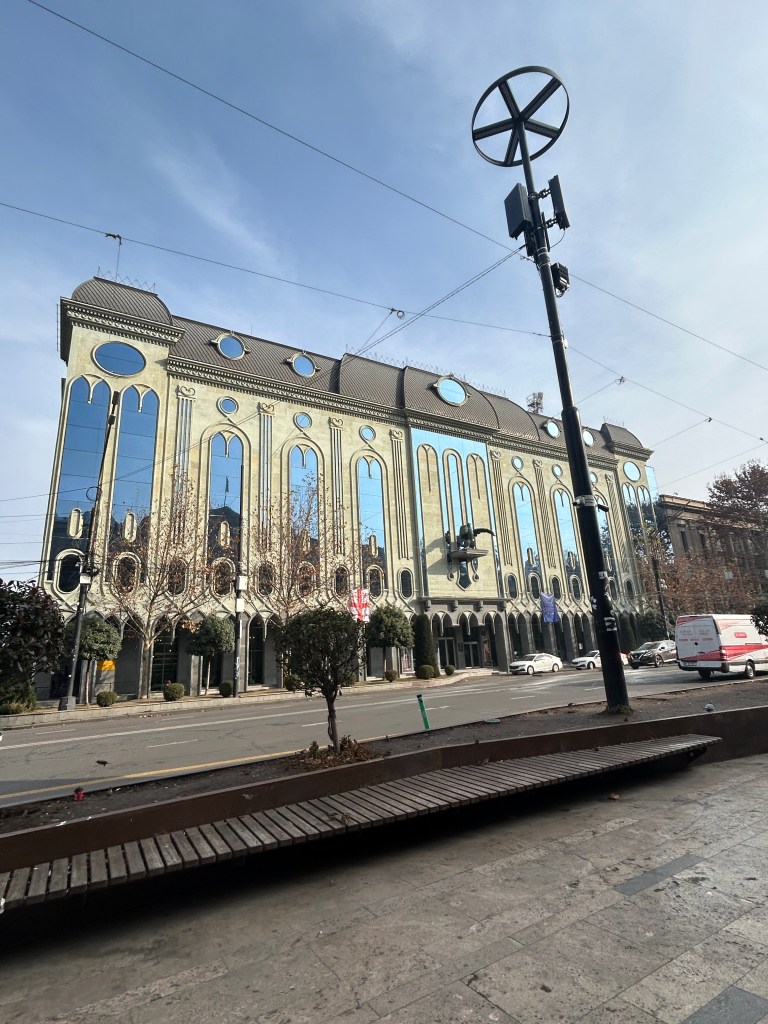
Museum Day was on my ninth day in Georgia after an early morning hike with my newfound Georgian friend Beka. Initially torn between the National Gallery and the Georgian Museum of Fine Arts (as they were situated next to each other on the same street facing the Parliament), I initially chose the former as it is the only museum where one can find original paintings by Pirosmani, but found the place to be mysteriously closed. All’s well that ends well anyway as I’d have to say that going to the Georgian Museum of Art was not an inferior alternative at all and I really enjoyed myself.
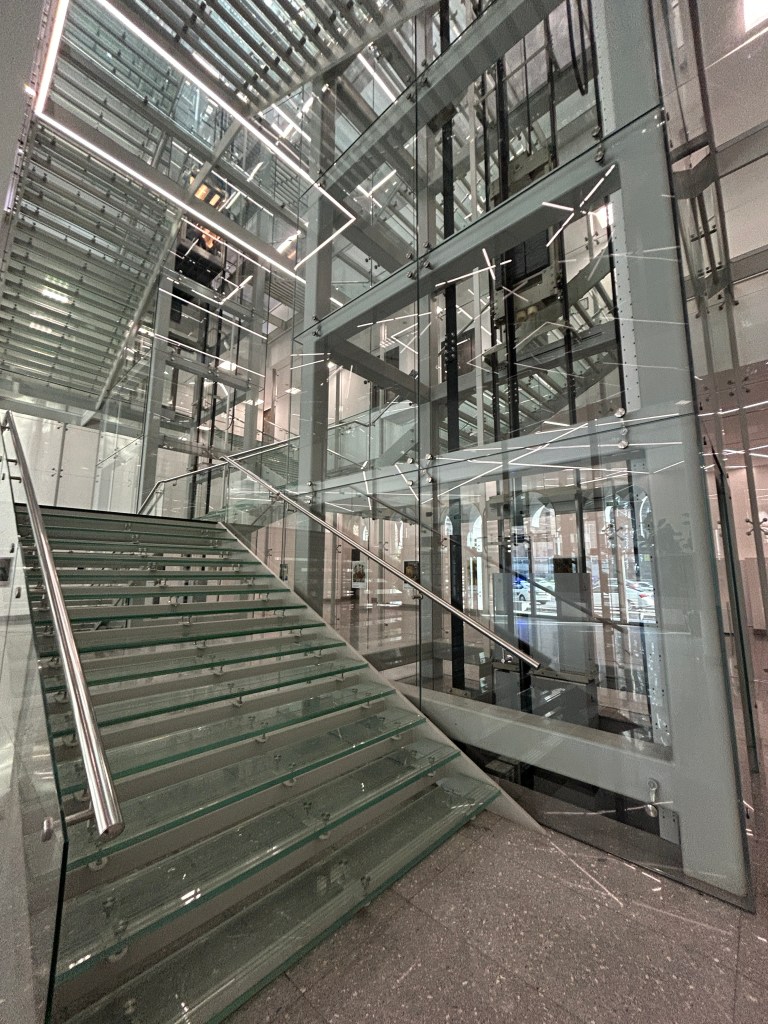
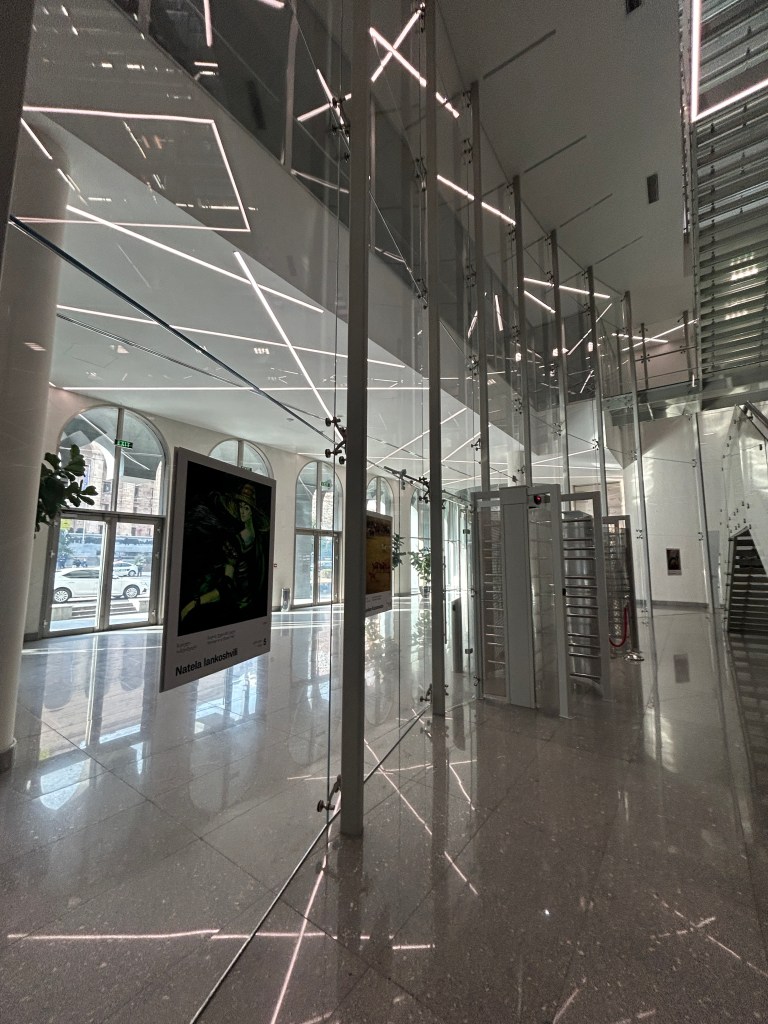
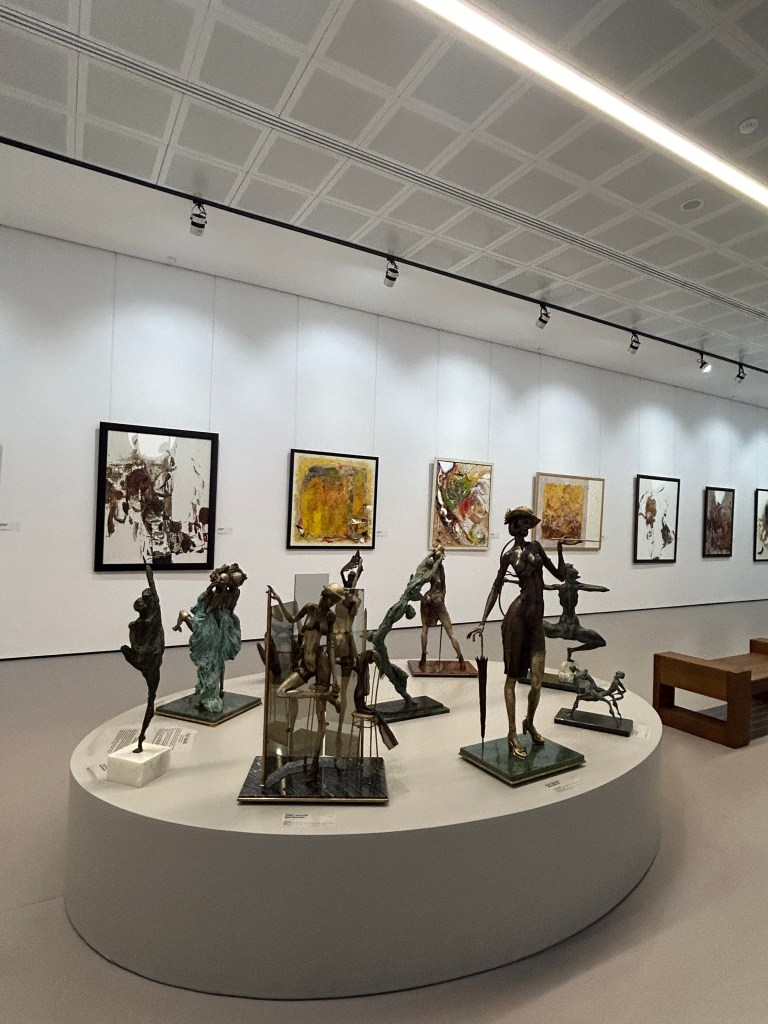
Entering the establishment, I found myself in a beautiful modern building that modern, clinical and accented with ethereal transparency where the building almost dissolved into its surrounding with glass floorings and walls. The facilities were also impressive complete with advanced see-through lockers that were idiot-friendly for technological dinosaurs such as myself. After getting my belongings out of the way, I found myself with three whole floors of amazing array of pieces from modern Georgian painters and sculptors from the last century to eagerly navigate. The museum experience itself was seamless, eliminating the need for an audioguide. Each artist and section offered a comprehensive introduction to each artist featured followed by their works mounted neatly in an exceptionally user- friendly experience. Entry is priced at 18 Georgian Lari (which more or less 6 euros at this point of time), and is considered pricey in proportion with the standard of living in Tsbilisi. However, I feel that it was worth the price due to the location , artwork variety featured as well as spanking new facilities available in the building.
Some words on Georgian Modern Art
There is unfortunately not as much information as I would like to find on the Internet about Georgian Modern Art which I feel is a great pity for the innumerable stories that have been told by the amazing talent through their visual narratives. These masterpieces deserve far bigger recognition and appreciation throughout the world not least because of the interweaving of the Georgian experience with a uniquely native visual language and artistic choices. Conflict, pain, strife, struggles are unfortunately experiences the average Georgian has tasted. As my tour guide Luca mentioned, Georgia is a country that has sadly rarely seen times of peace. From these challenges however, they gave rise to a people who possess unwavering courage and willpower made of steel. Art here takes on a multiple -faceted role as it does anywhere else of therapeutic support, statement-making and a visual record of the country’s journey. This is done through the usage of vivid palettes, emphasis on nature, folk elements, historical recounts and above all, their Christian foundation as a source of inspiration, making Georgian Art uniquely what it is today.
As they say, a picture paints a thousand words. Without further ado, I would rather let you see these artworks rather than go on endlessly describing them. A range of different artists will be featured here. One can tell that each artist is unique, but the same thread binds each individual as a Georgian with the same identity and the unified desire to a better life. Indeed, as Chuck Palahniuk once said, you’ll need to suffer to make any real art. With each artist, you might find fragments of the tortured soul within their methods which ultimate make these statements of the Georgian experience an authentic and meaningful one.
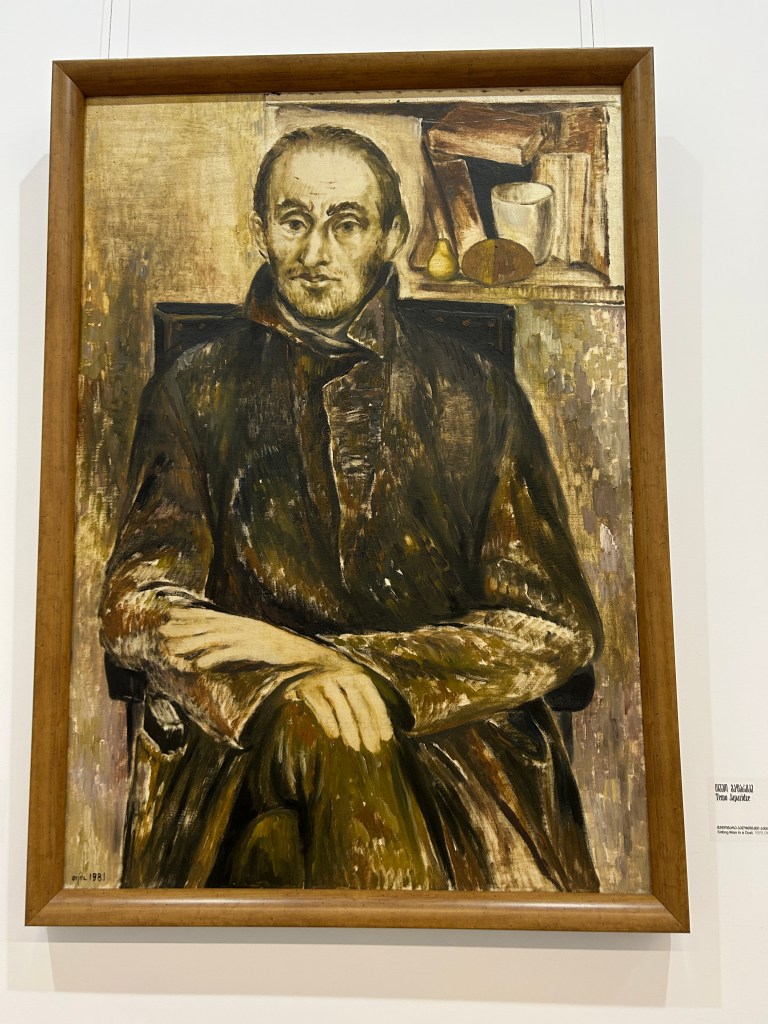
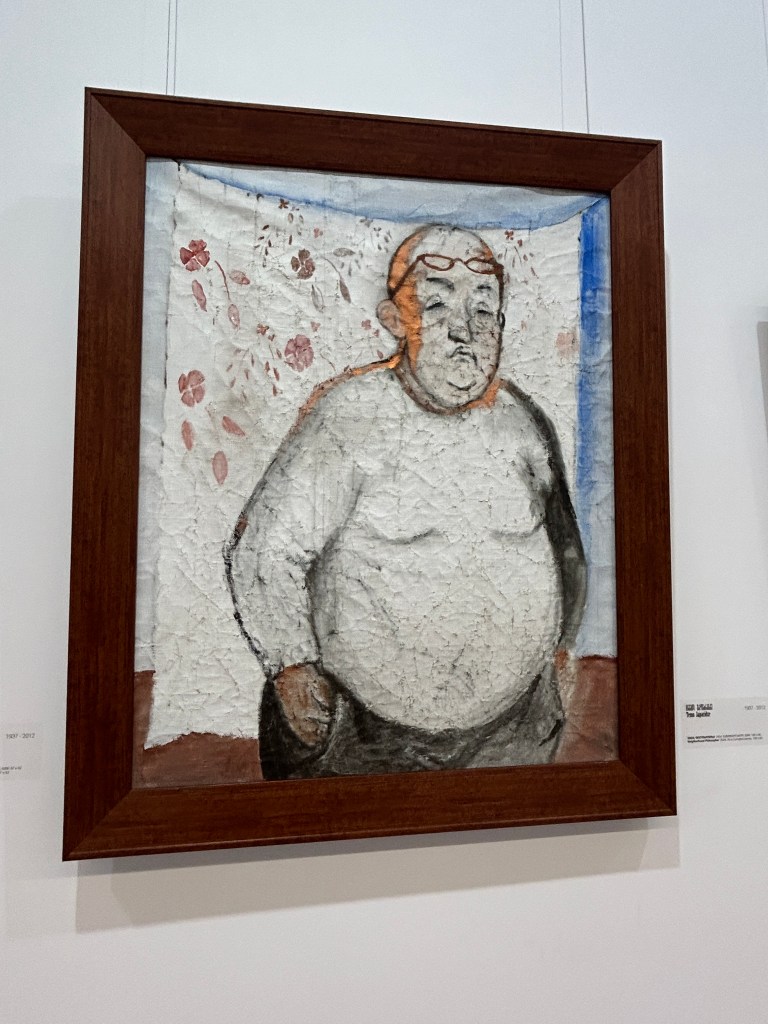
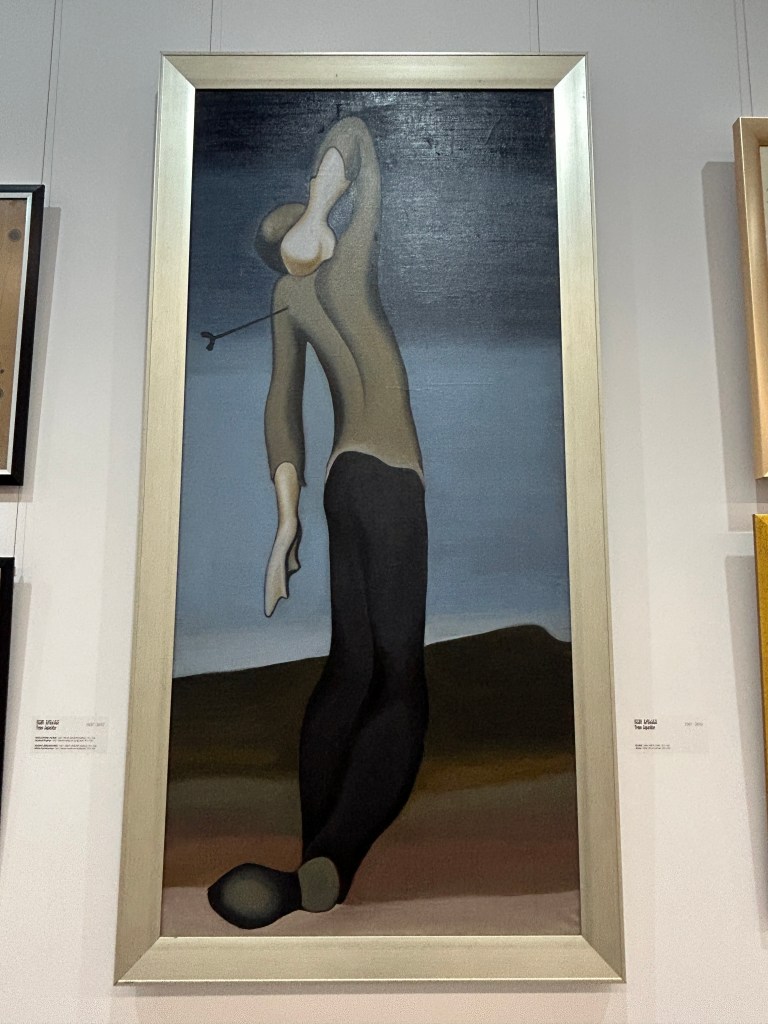
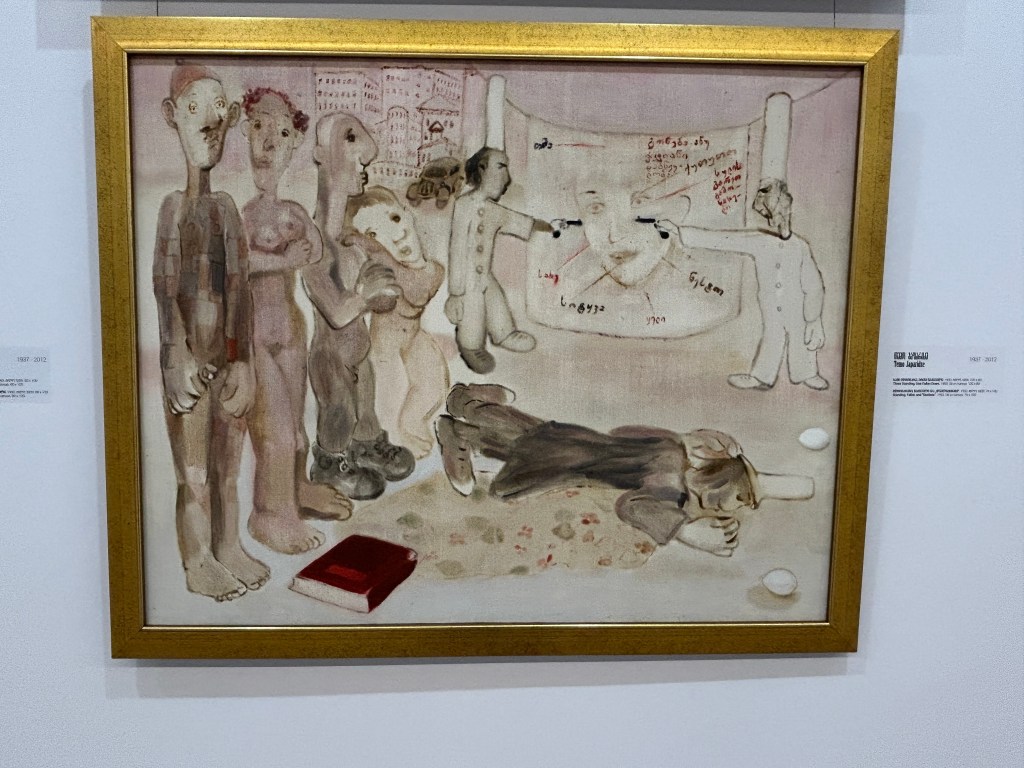
Temo Jarapidze
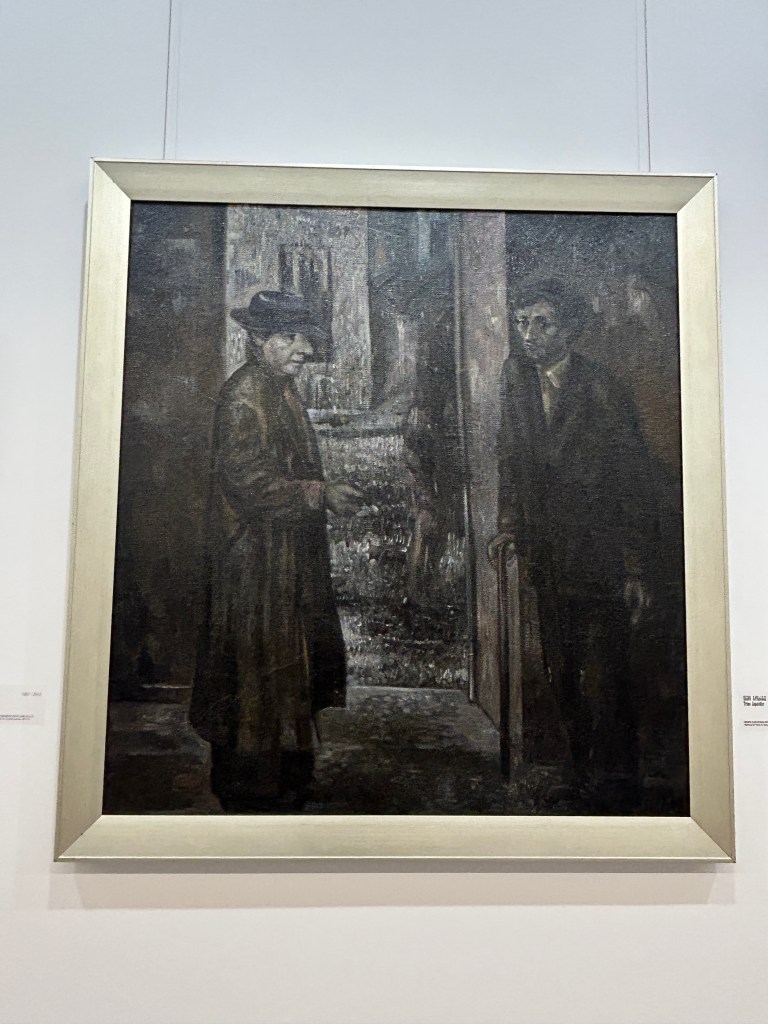
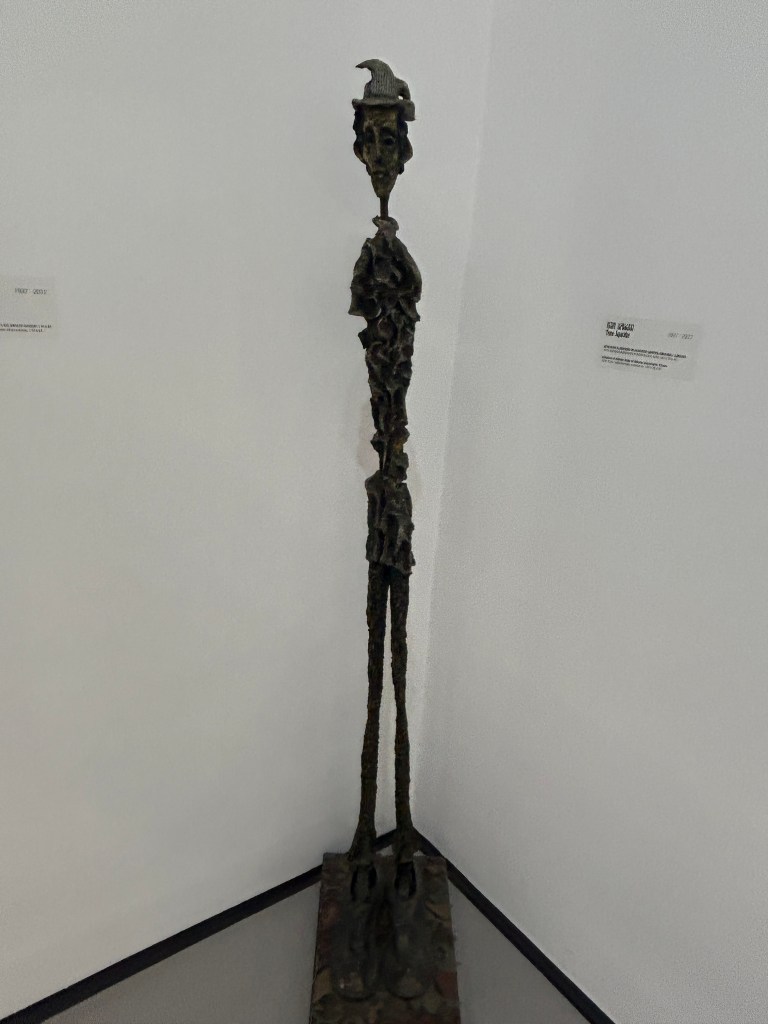
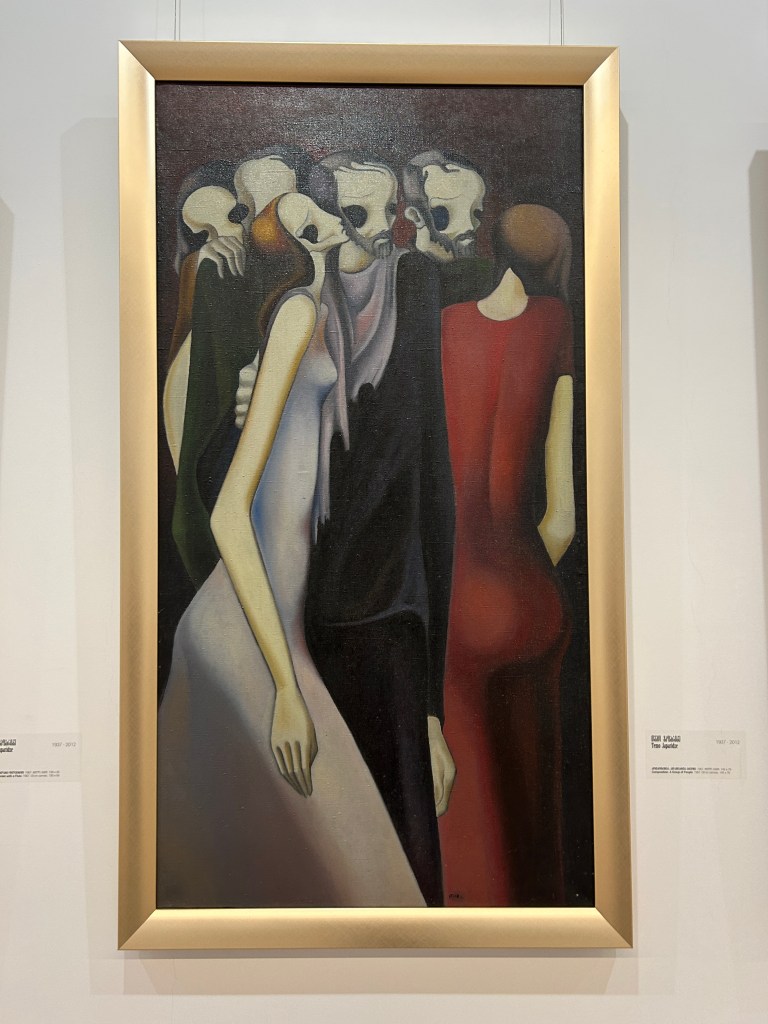
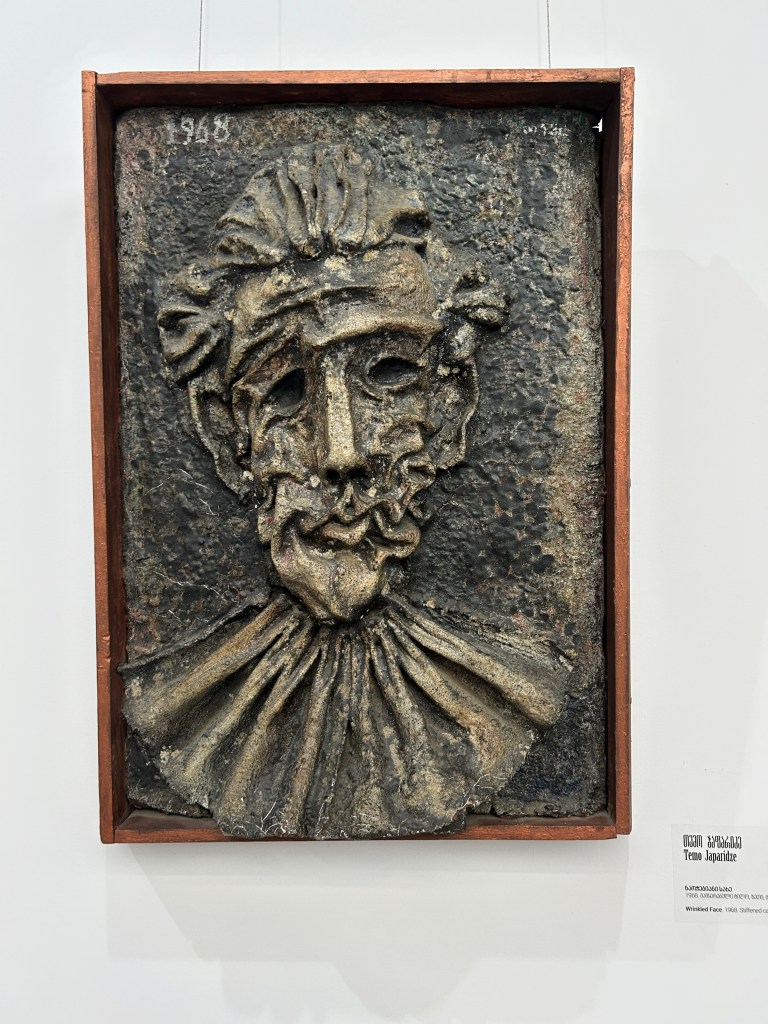
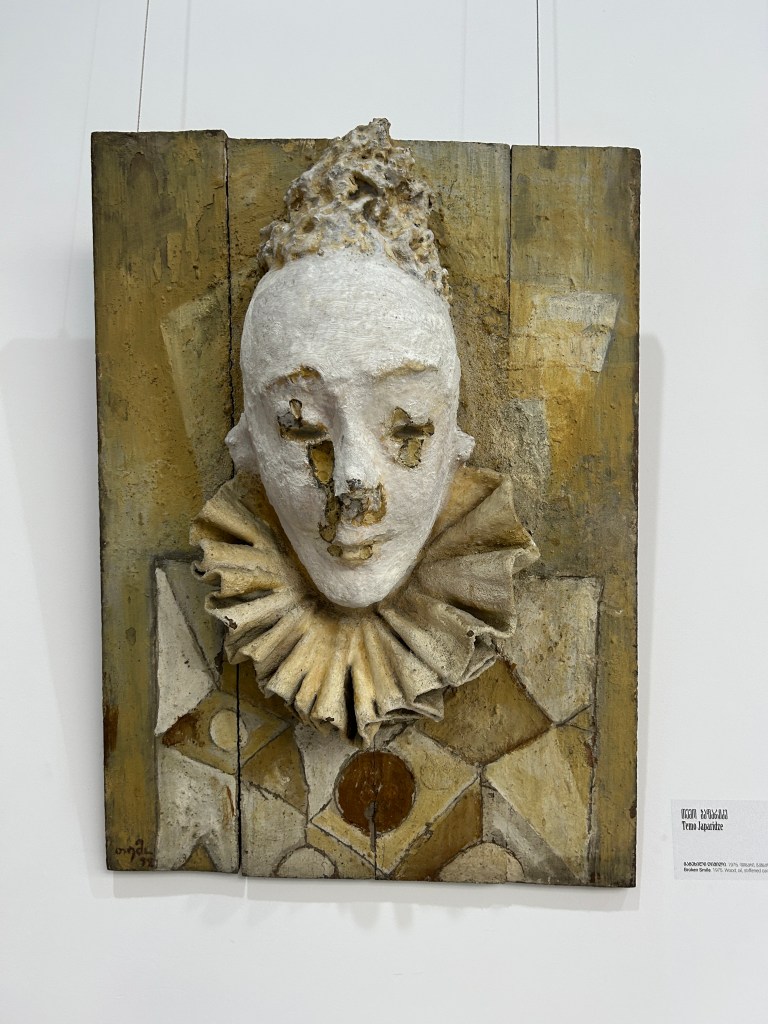
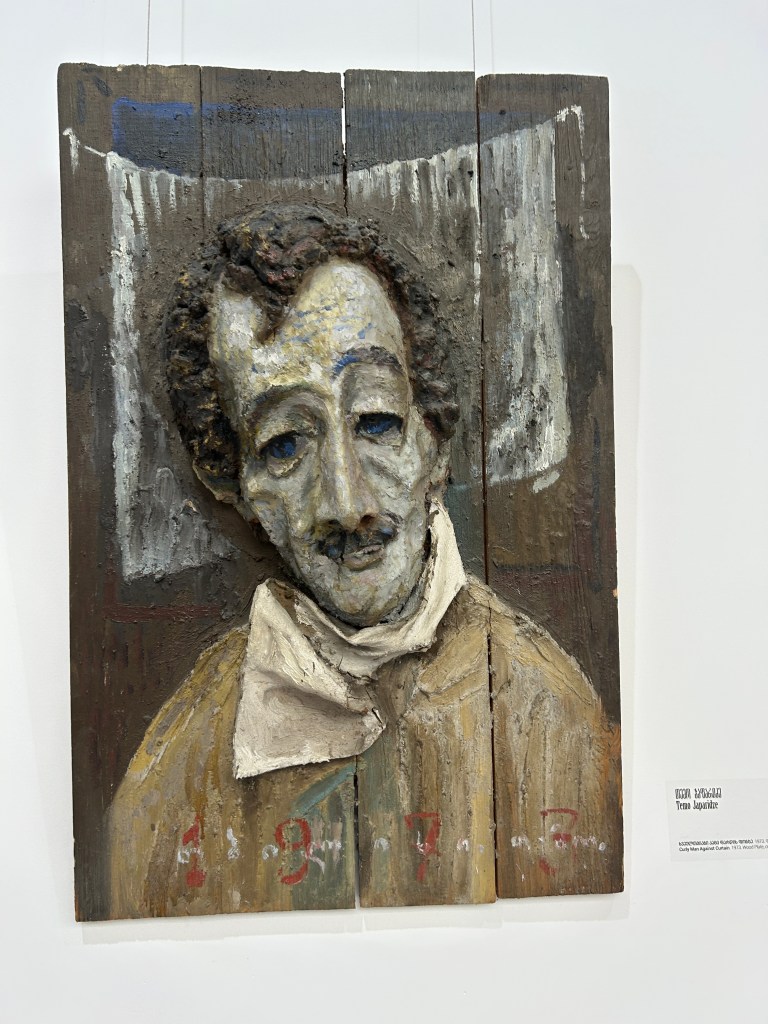
The works of this nonconformist sculptor and painter is multi-faceted. His ouvre is associated with “formalism and bourgeois art” by the masses. These types of leanings were notably then considered a non-conformist art category in the Soviet Union. Featuring drawings of items, spatial objects, assemblages, spatial objects and other, Temo Japaridze is regarded as the groundbreaking artists in Georgian Fine Art scene. The master’s collection also features a variety of elements such naivety, psychology, lyrical realism, existentialism, expressionism and, at the same time, conservative vision which makes for a fascinating comtemplation by his audience.1

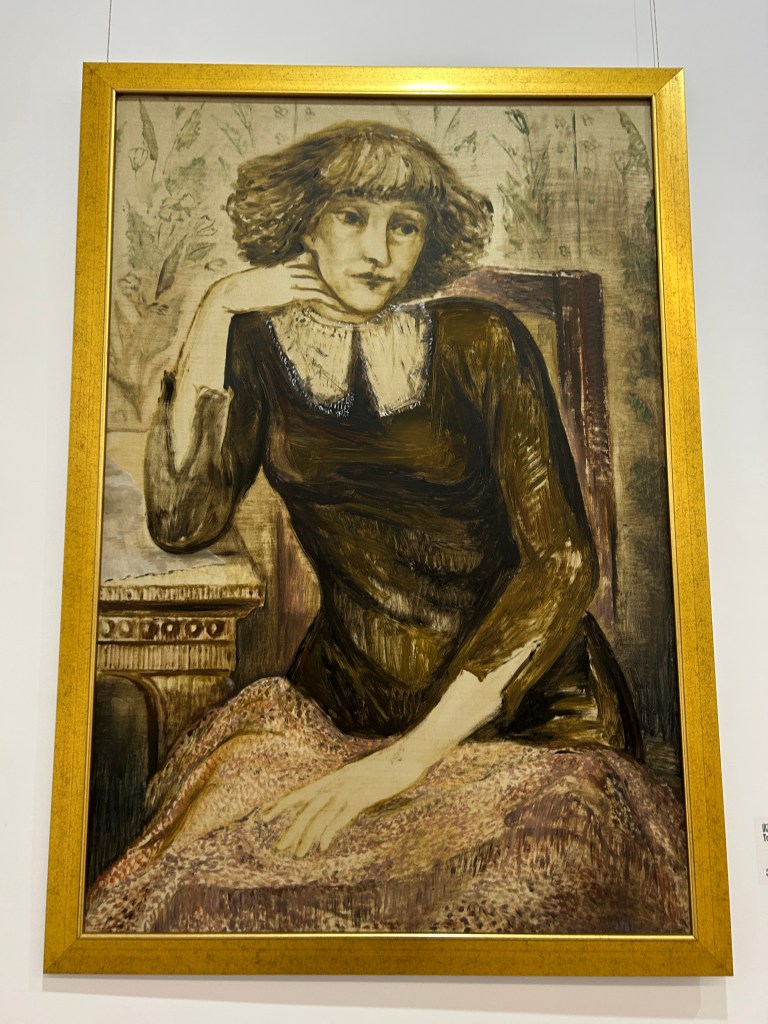
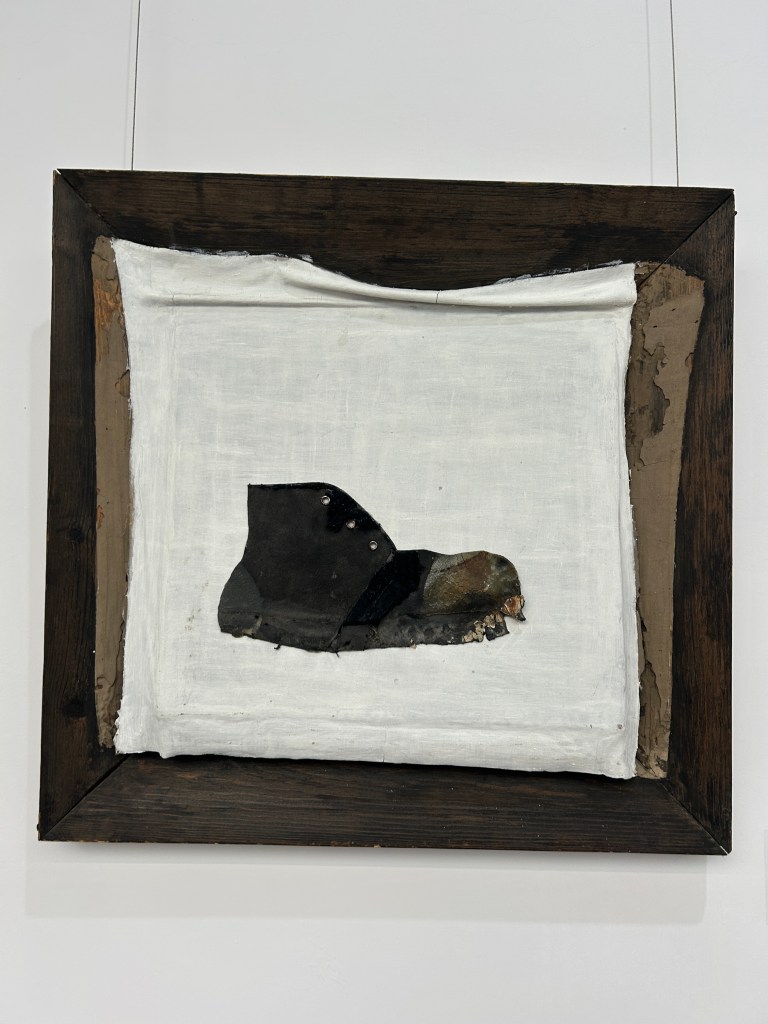


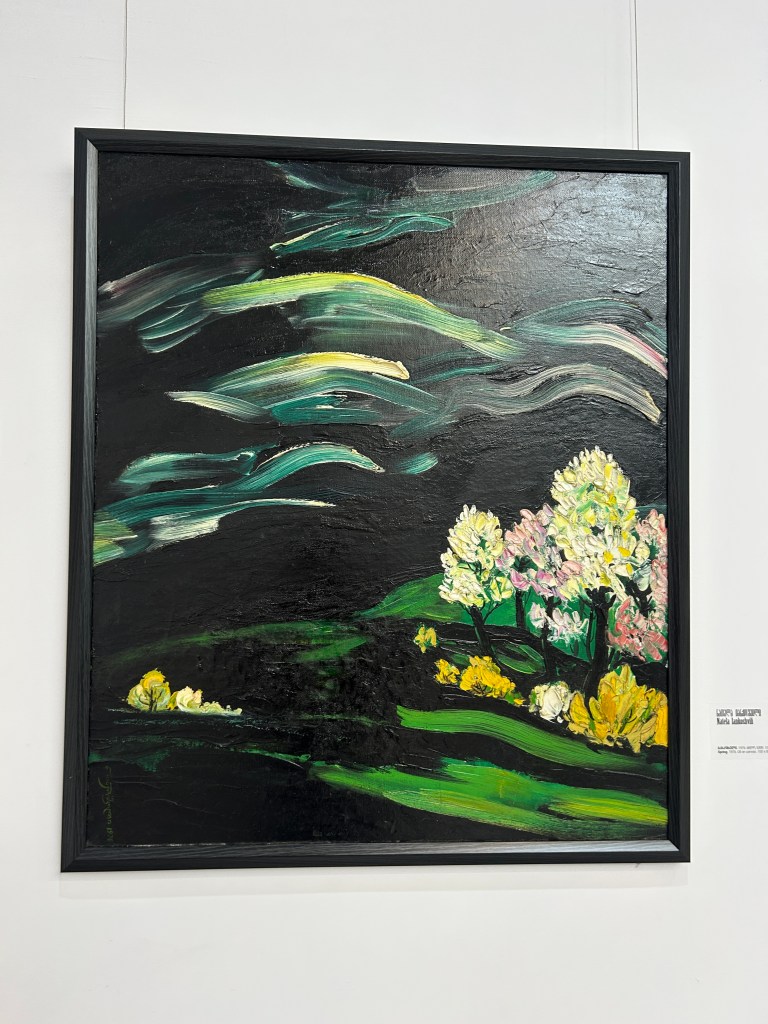
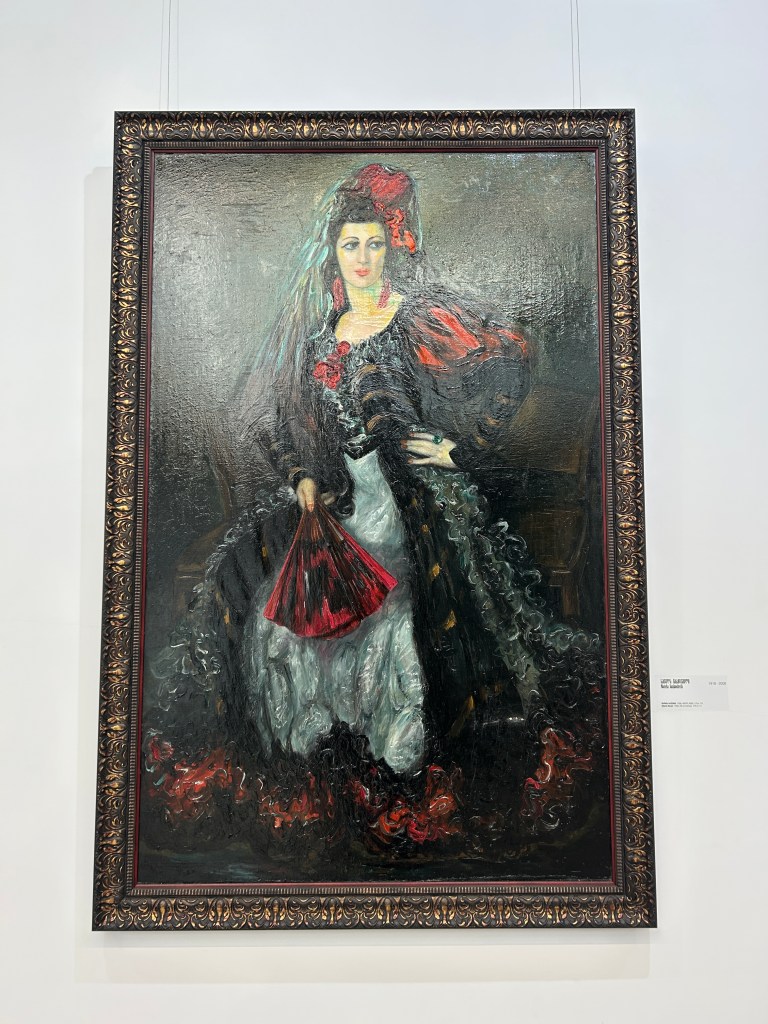
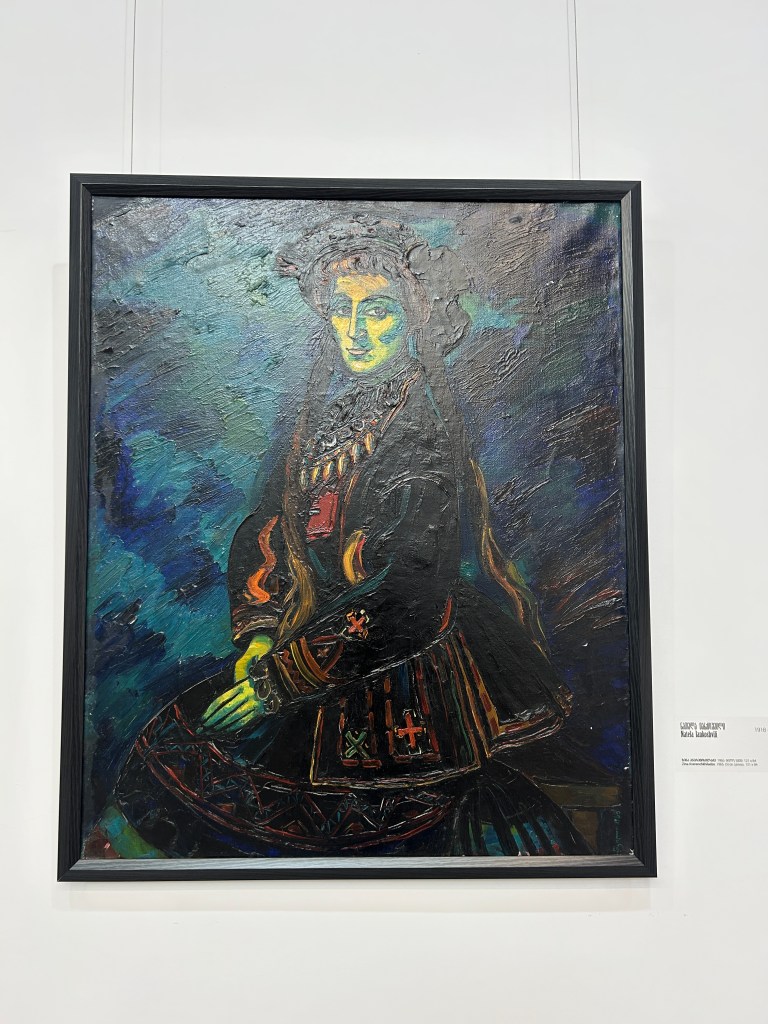
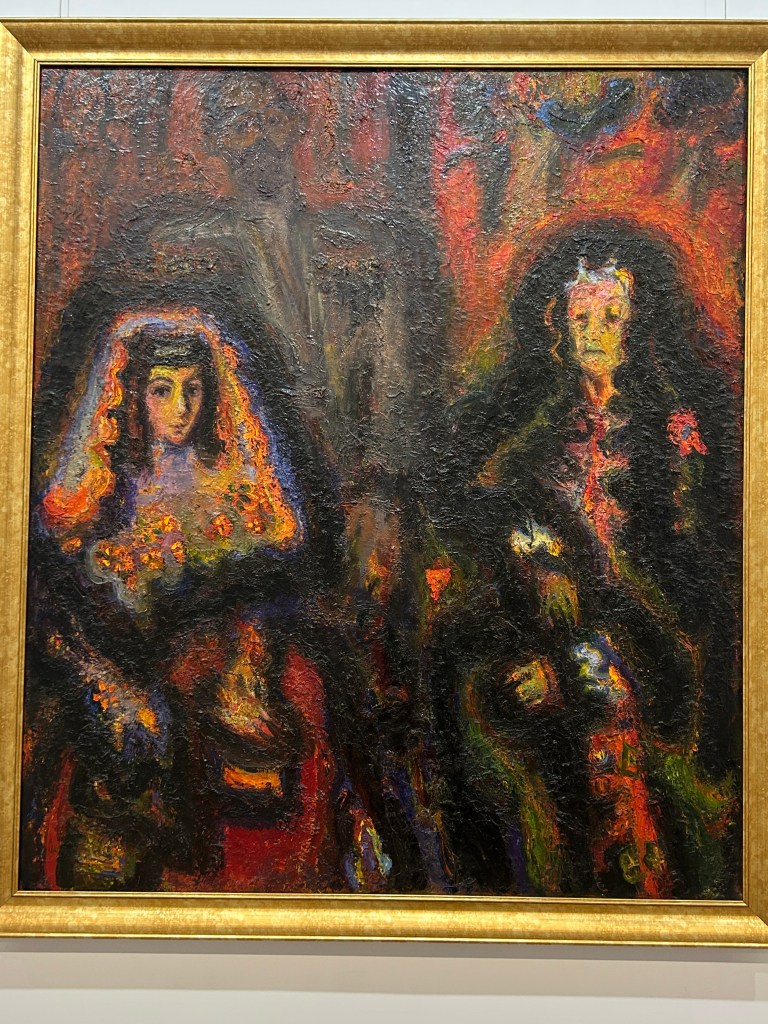
Natela Iankoshvili
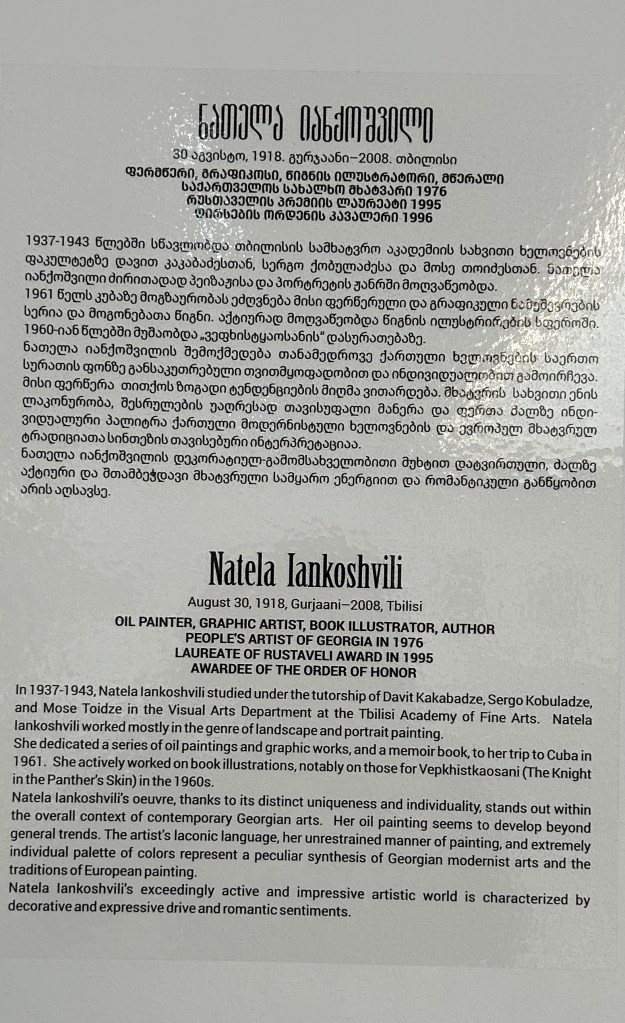
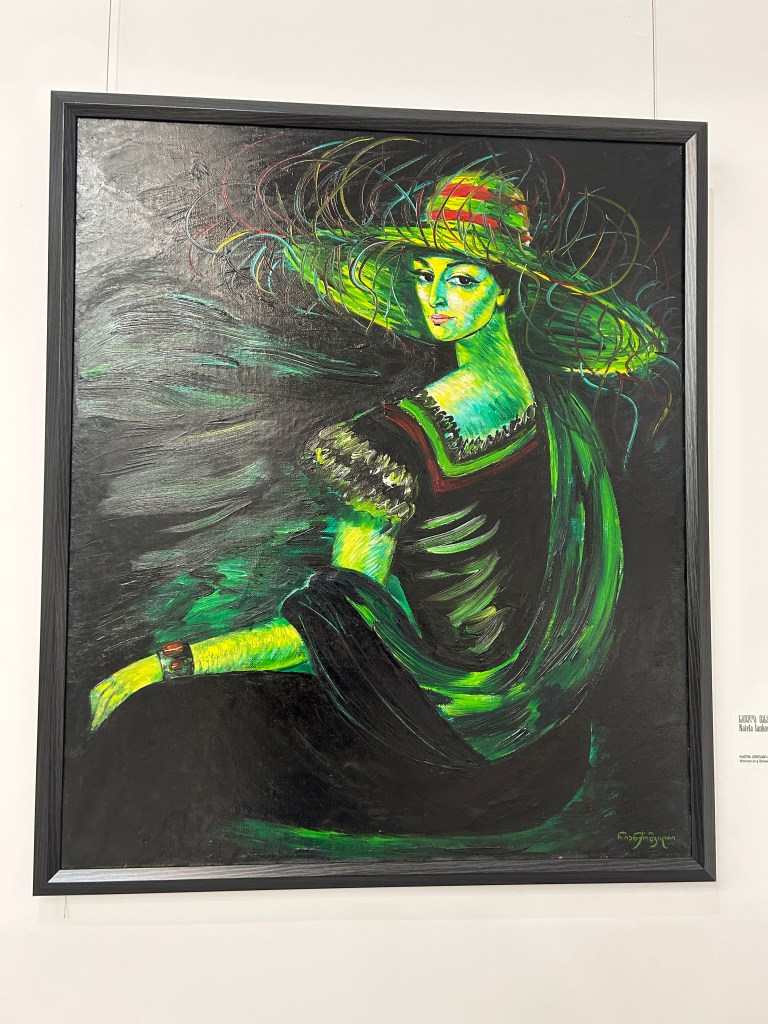
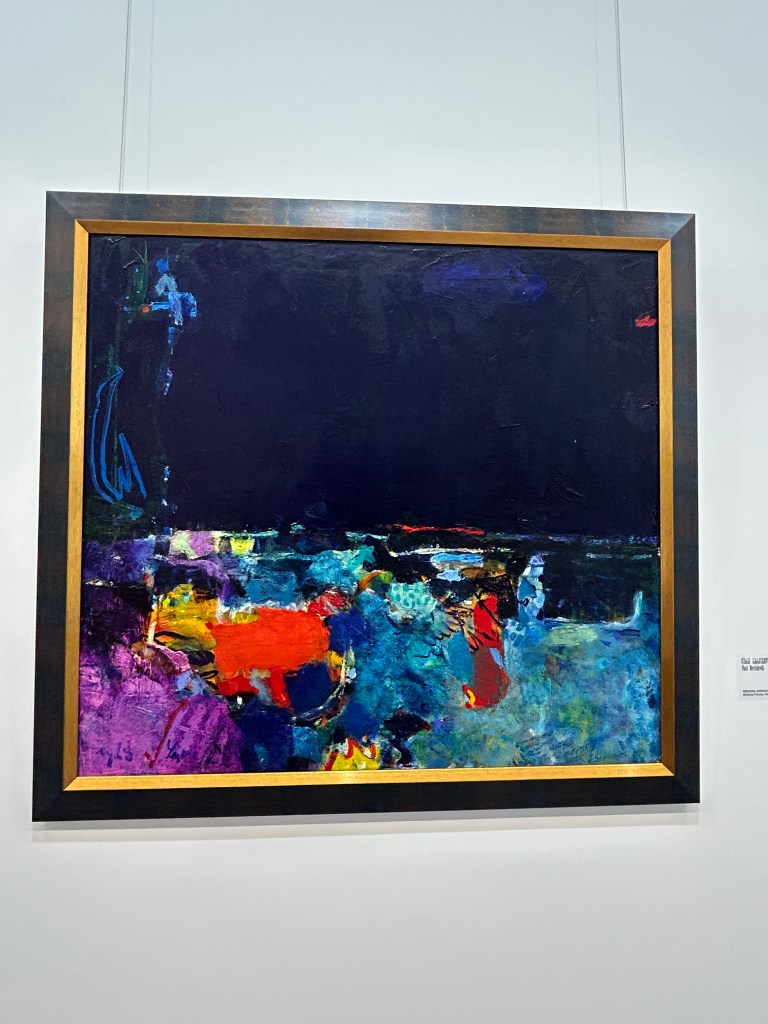
Natela Iankoshvili (1918–2007) is reputated to be the most distinguished female modern artist from Georgia. She never conformed to social realism even though she saw her early formative years under the Soviet Regime. The virtuoso of her painterly strokes also calls to mind those of her predecessors such as Pirosmani, Gauguin and El Greco. She enlisted the use of black backgrounds, especially reminiscent of the modus operandi of her compatriot Pirosmani, which contrasted against the intense tones of her foreground which created a special jewel-like effect.2
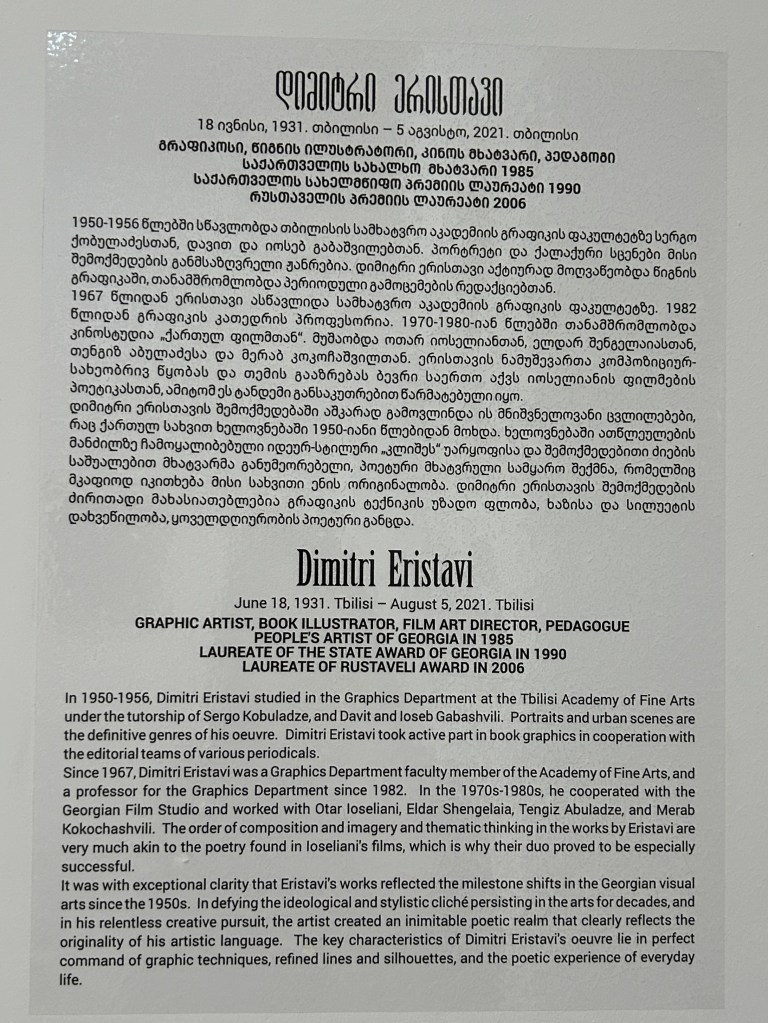
Dimitri Eristavi
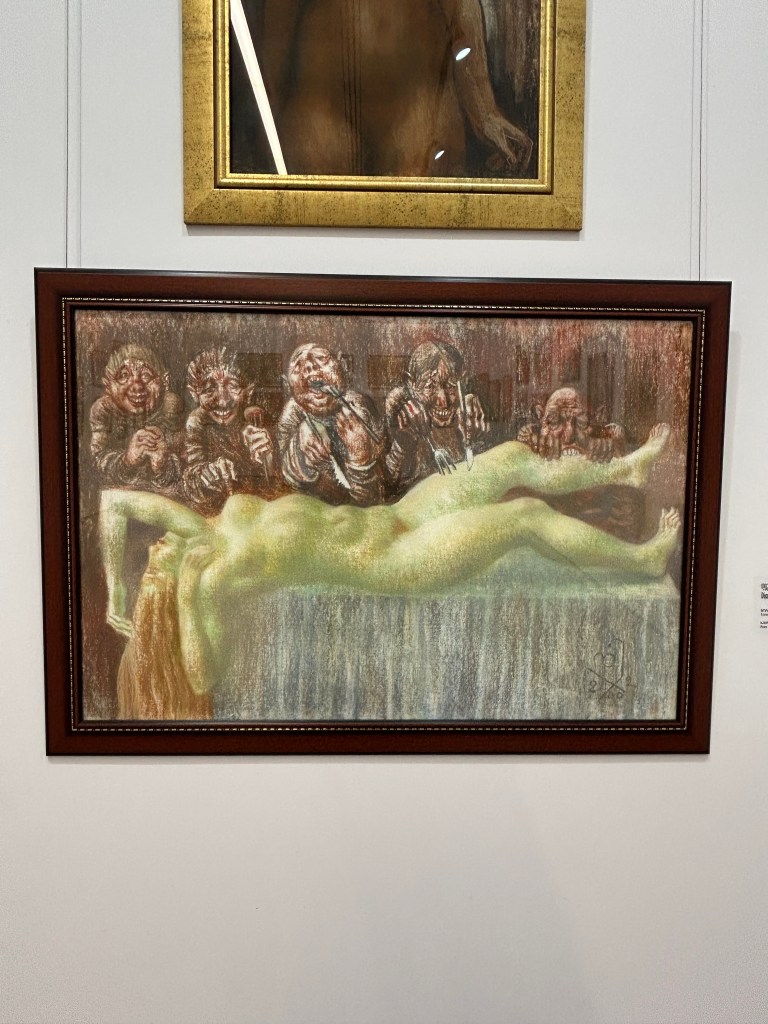
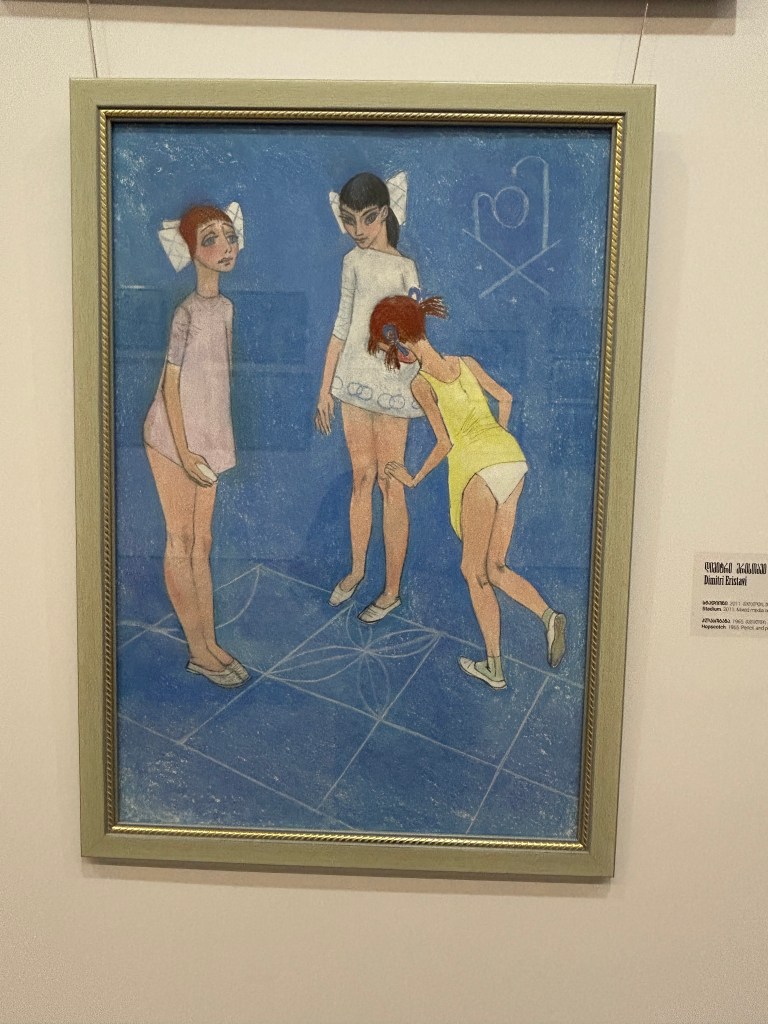
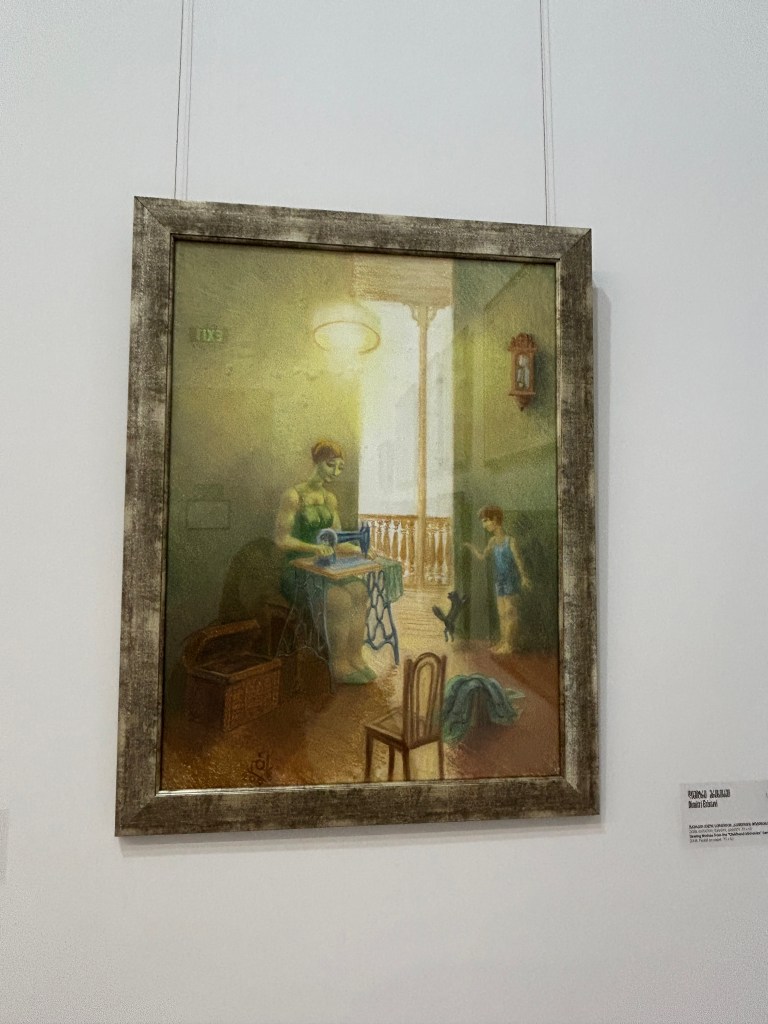
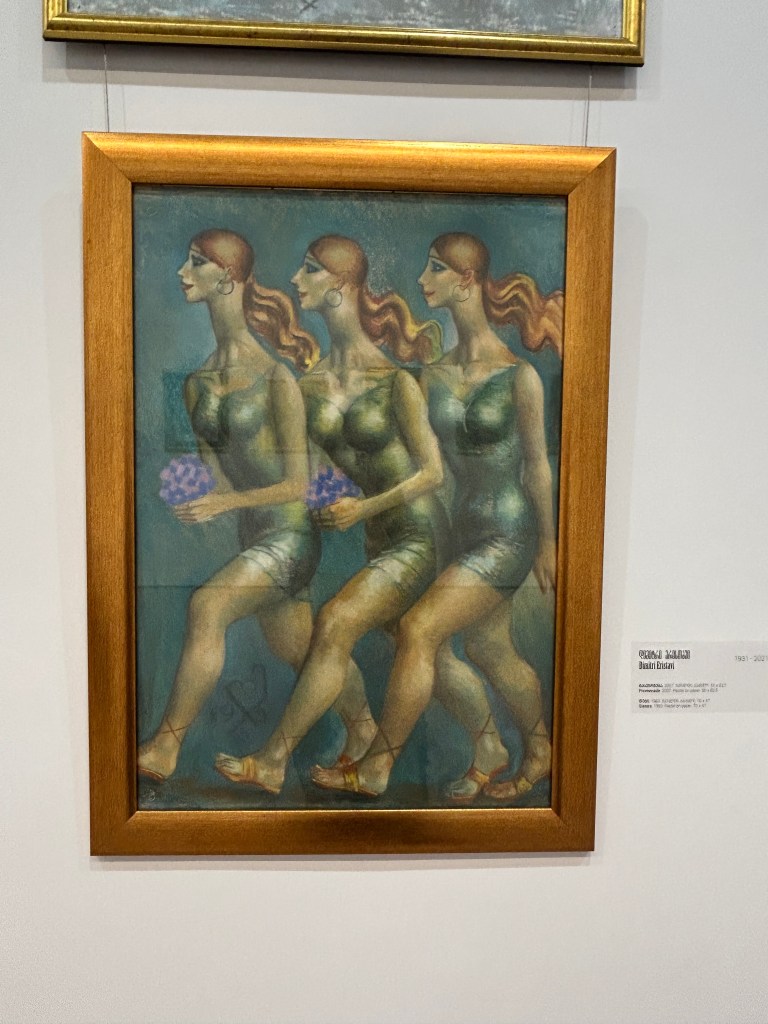
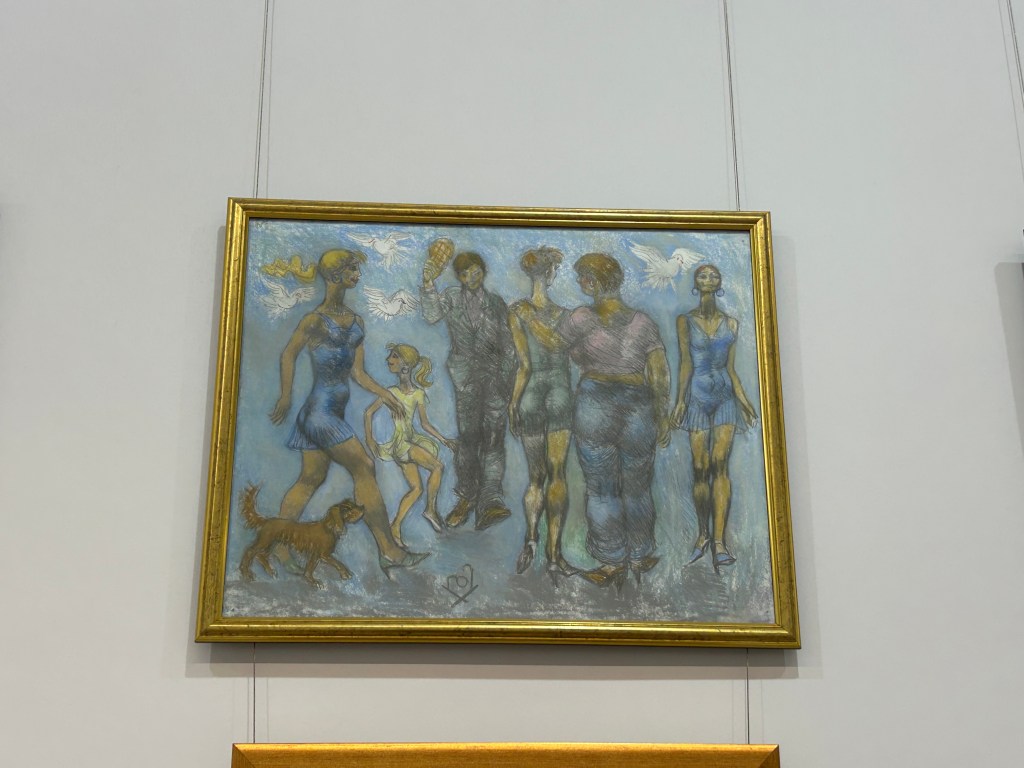
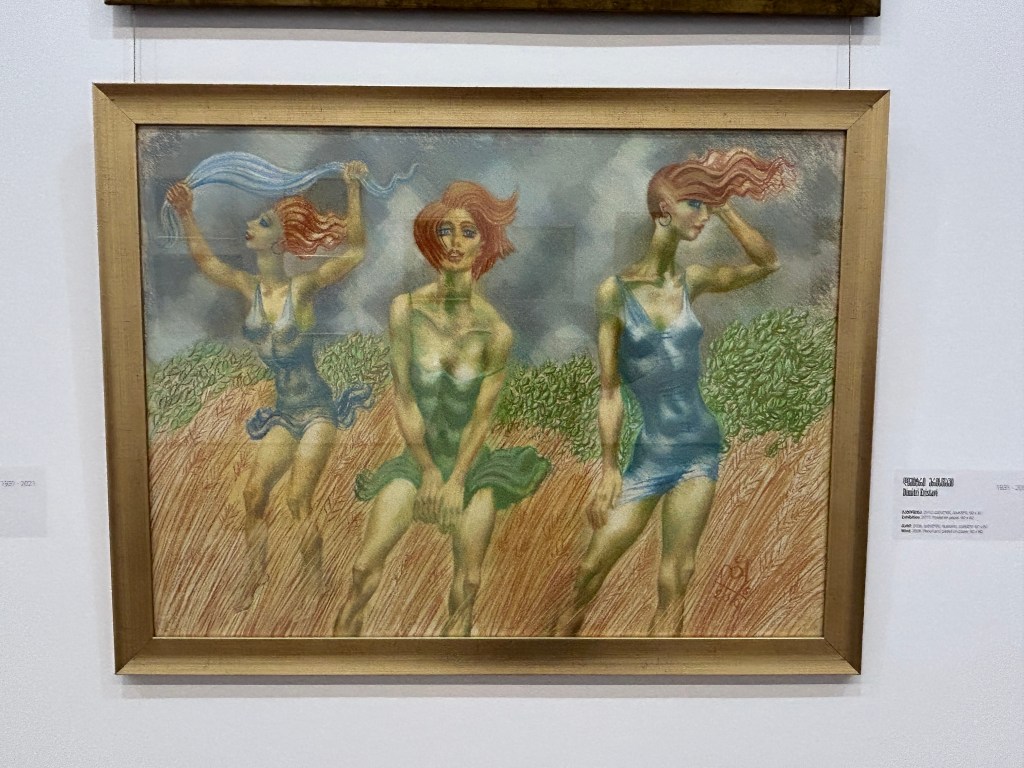
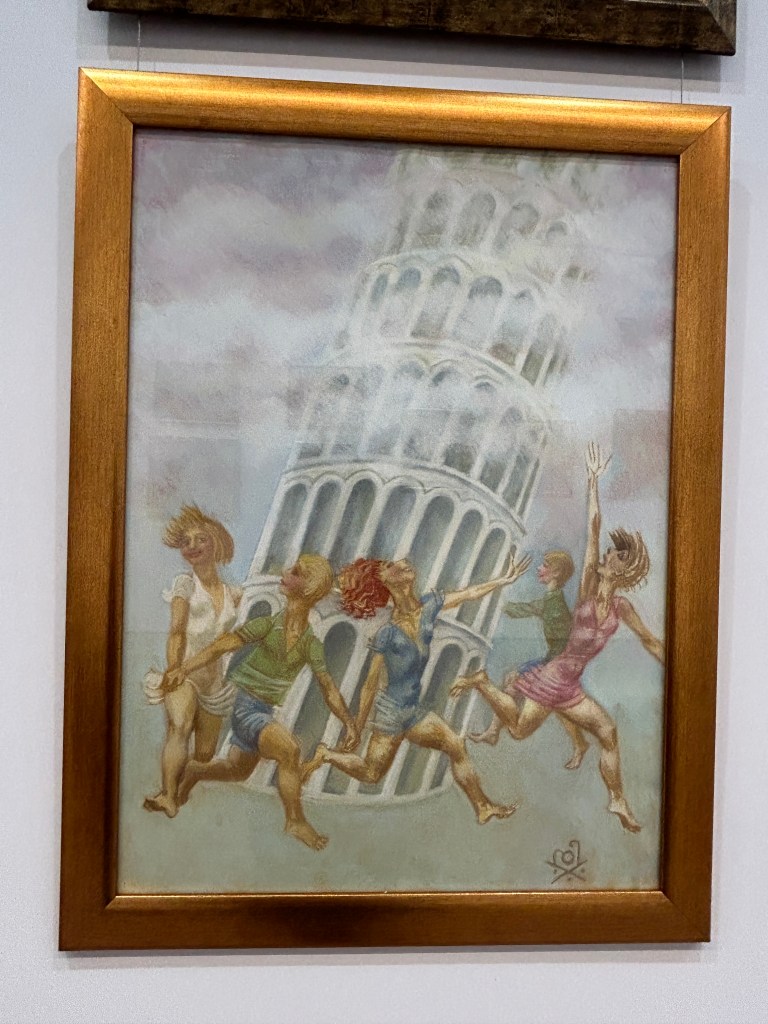
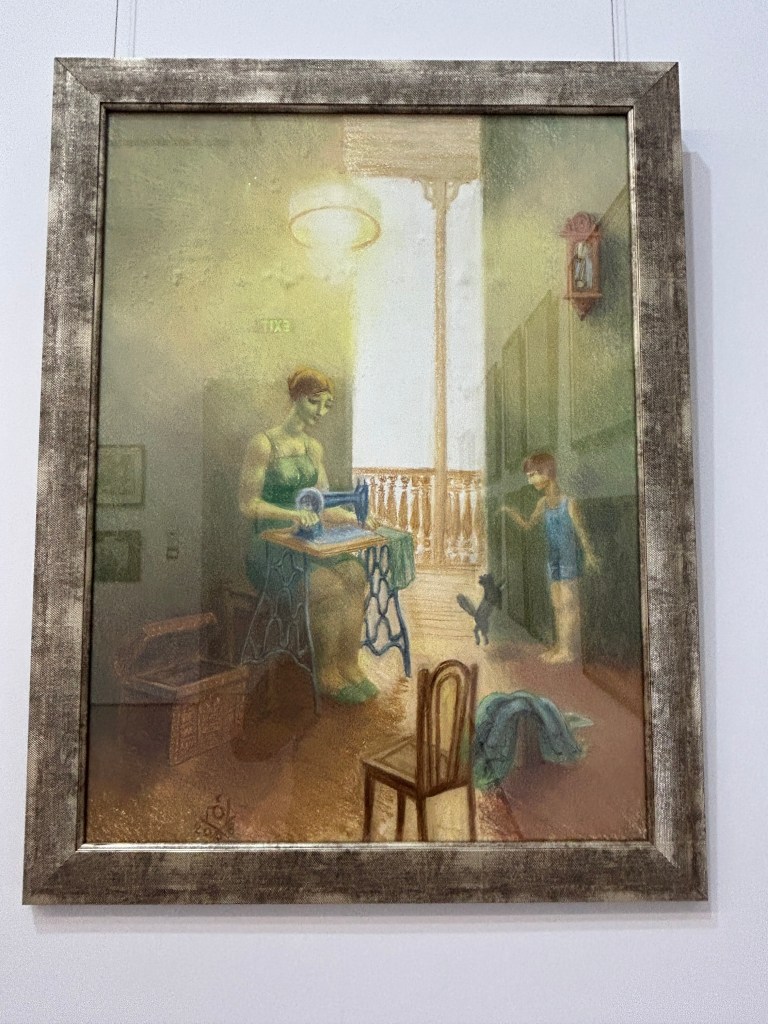
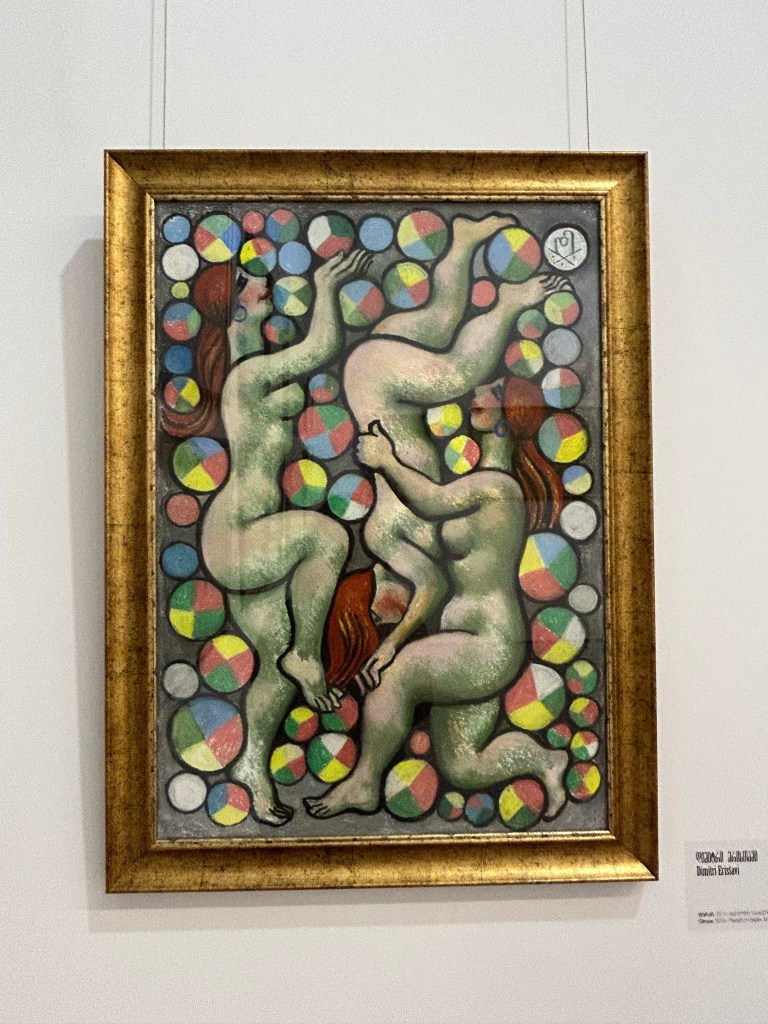
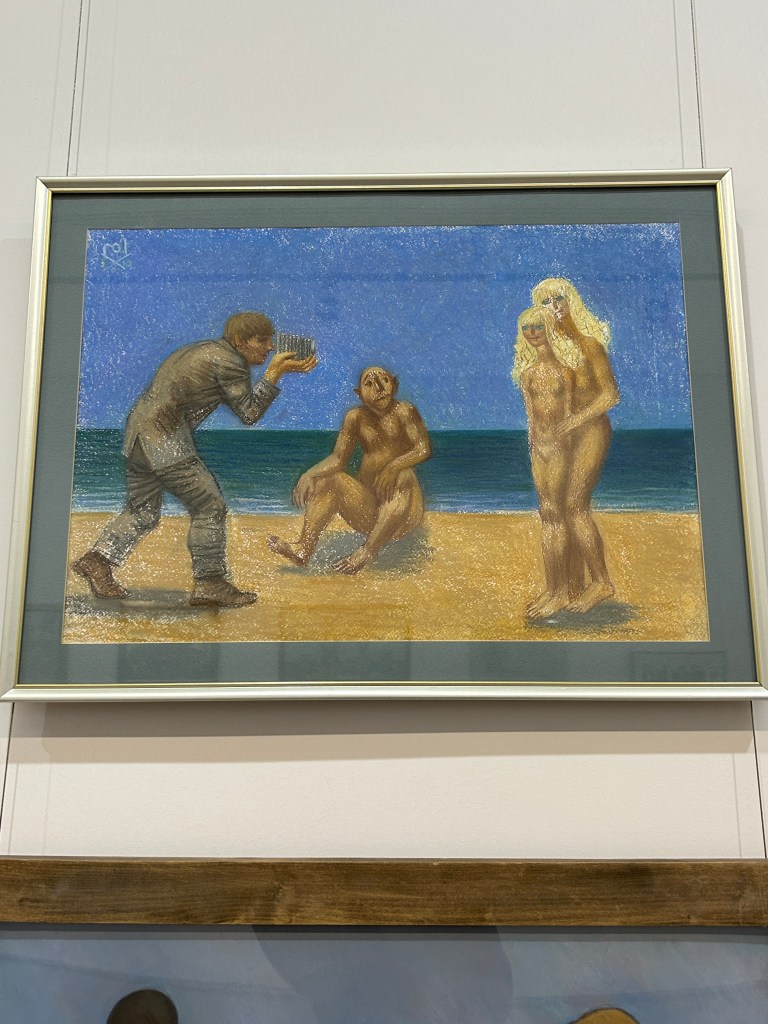
Painter and graphic artist, Dimitri Eristavi has a treasure trove of illustrative works to his name. He also worked in cinema as a set designer, and scriptwriter and was regarded for his virtuoso in easel , book graphic and poster artist. Obsessed with modern life, the artist returned to this theme time and again over the course of his life. Using pastels as his chosen medium, the artist also focused on producing a fine gradation of shades with incredible skill. Eristavi also regularly utilised a selected local color to generate expressive and clear design outcomes. Iconic dynamic drawn line-work is regarded as Eristavi’s main method of image creation. The line depicts the shapes and bestows tangibility, hinting at both rhythm and movement in the layout. These qualities are reminiscent of the characteristics of medieval Georgian frescoes which ultimately shows the artist’s commitment to the national artistic tradition. 3

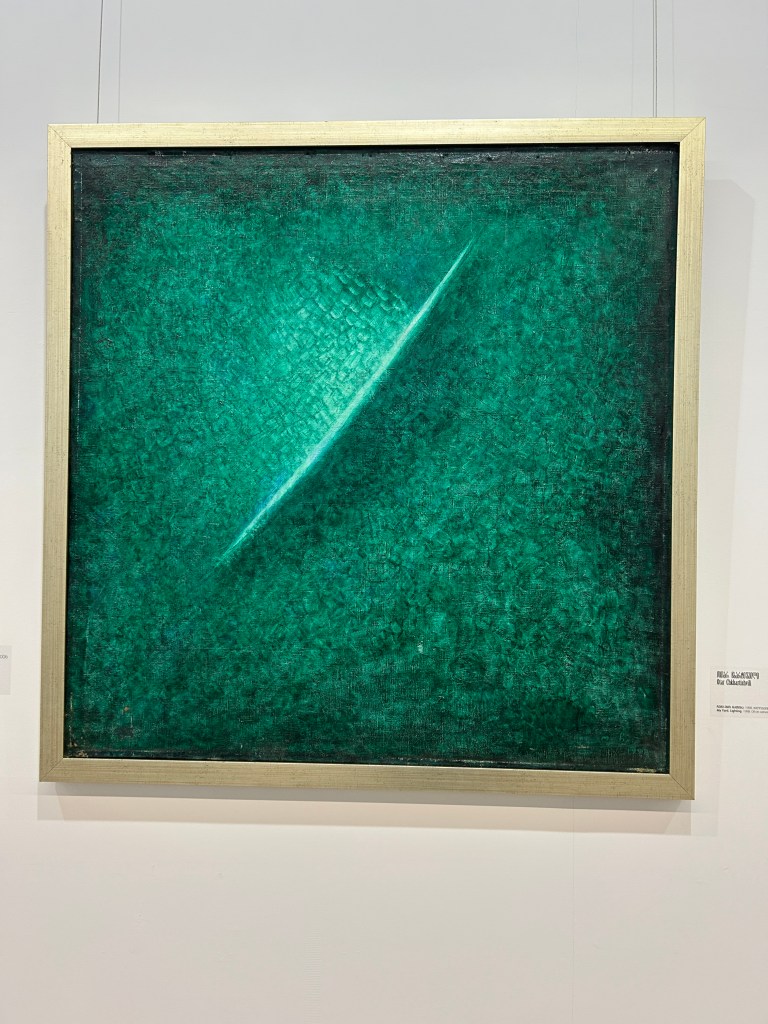
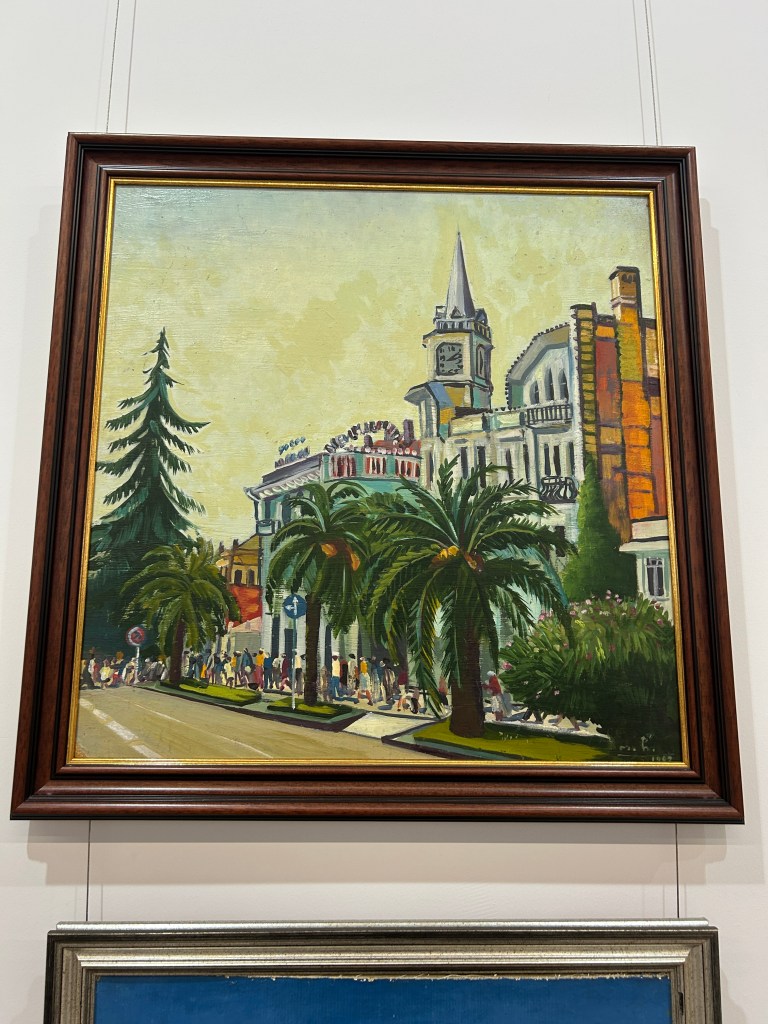
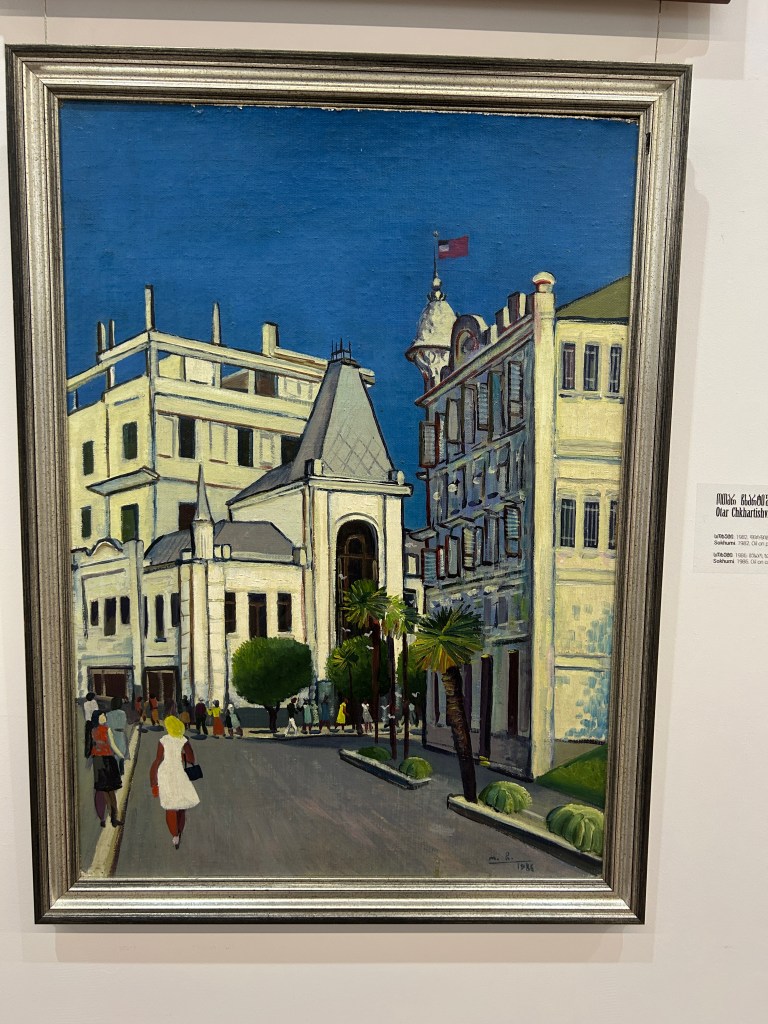
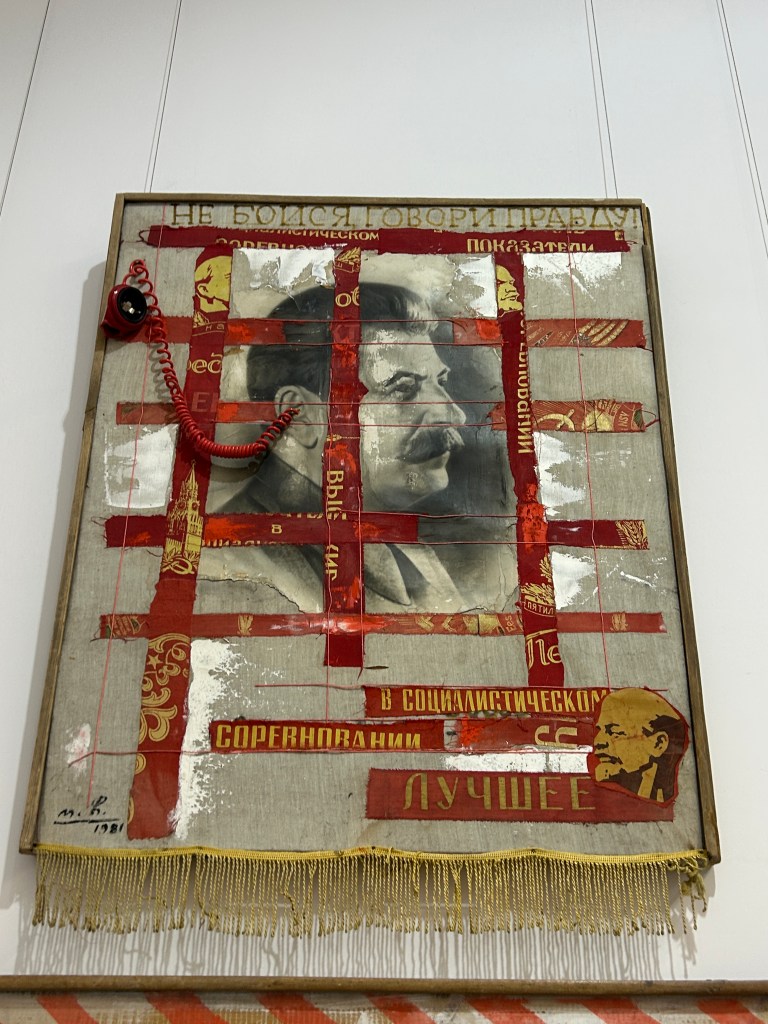
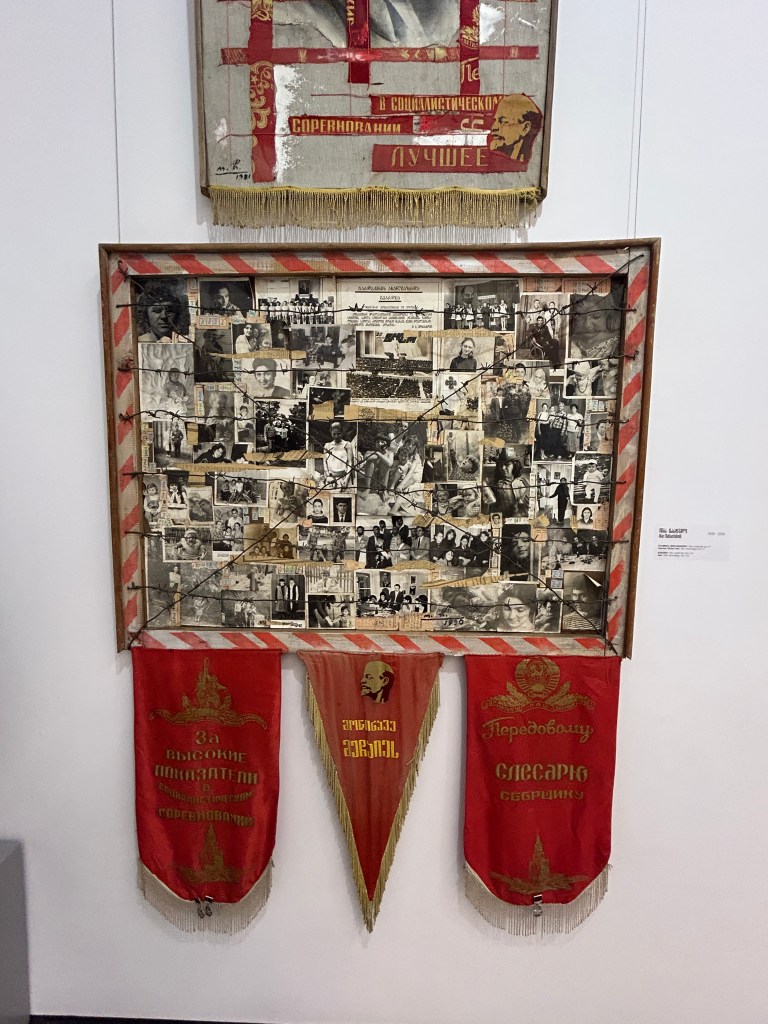
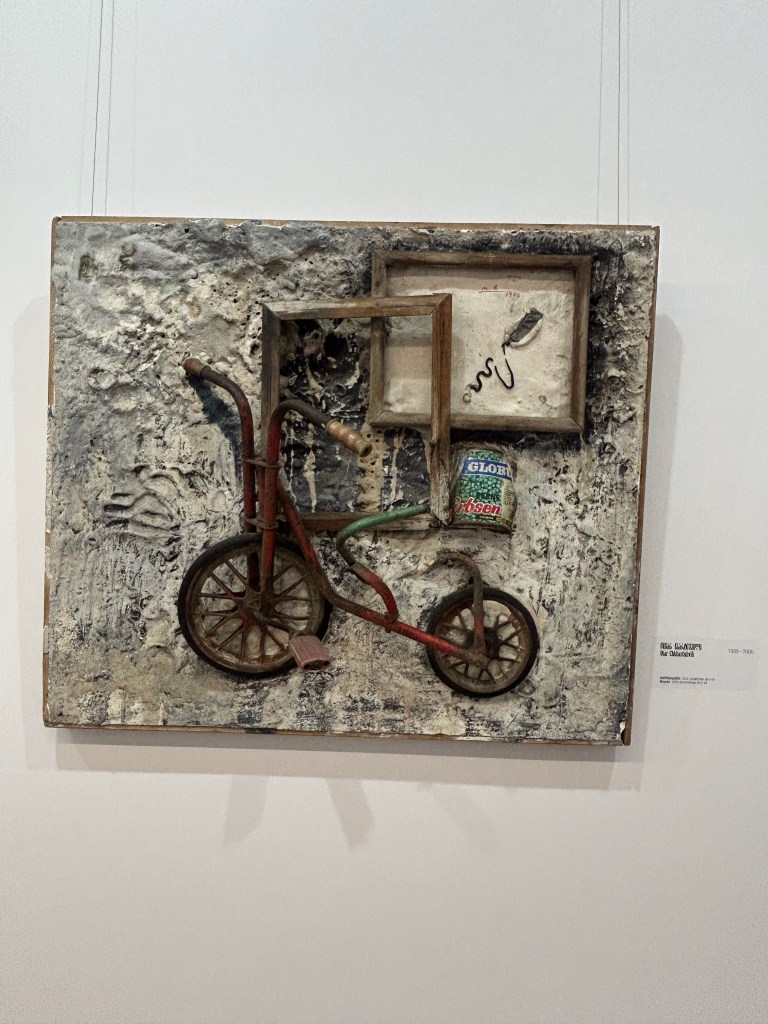
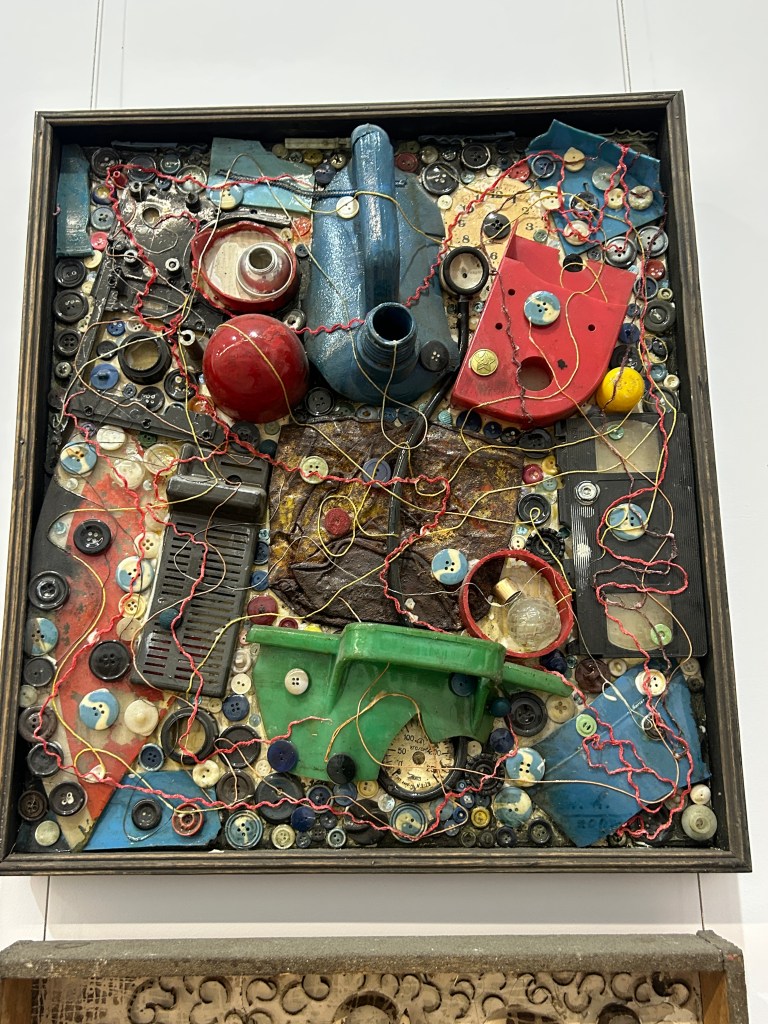
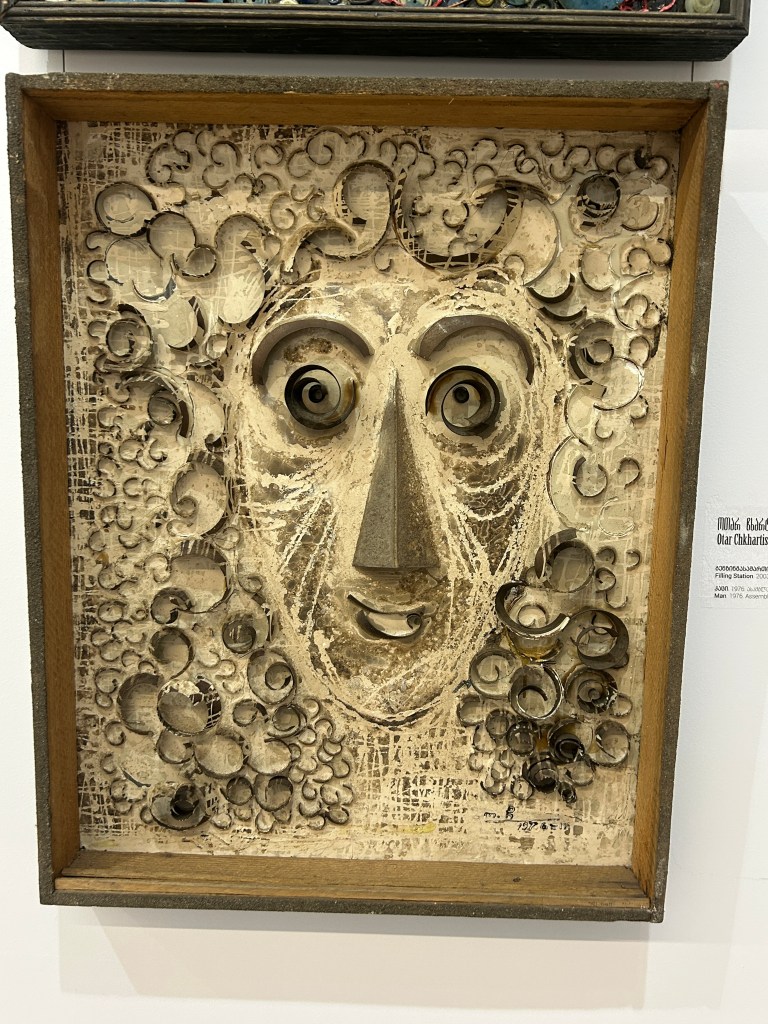
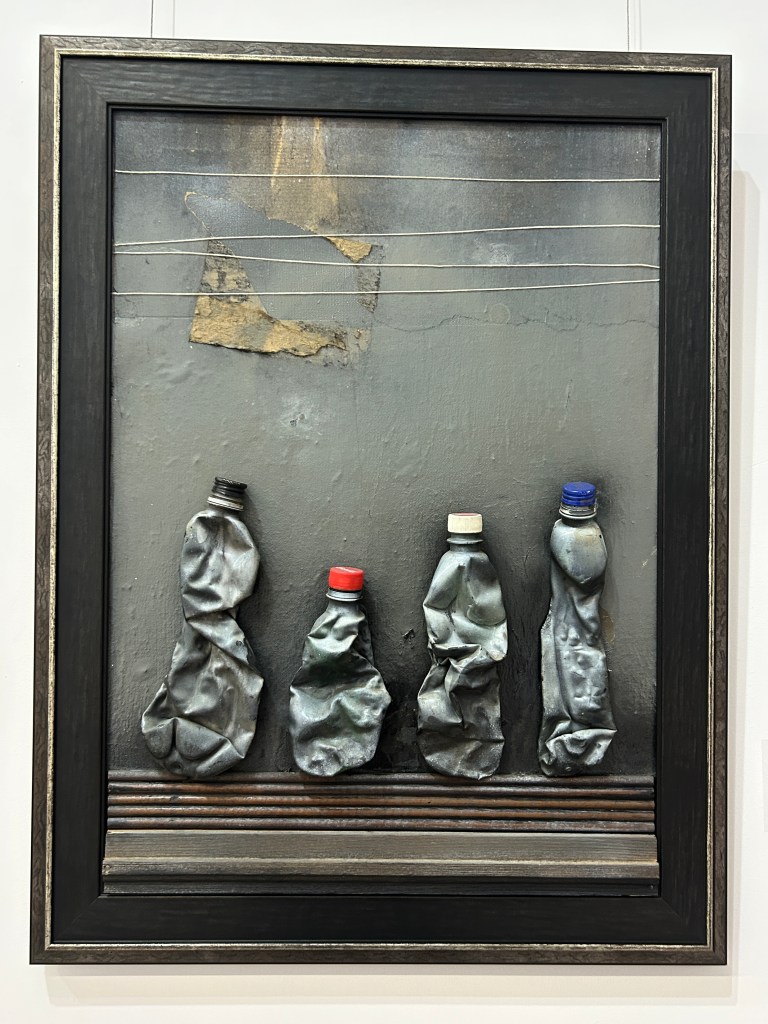
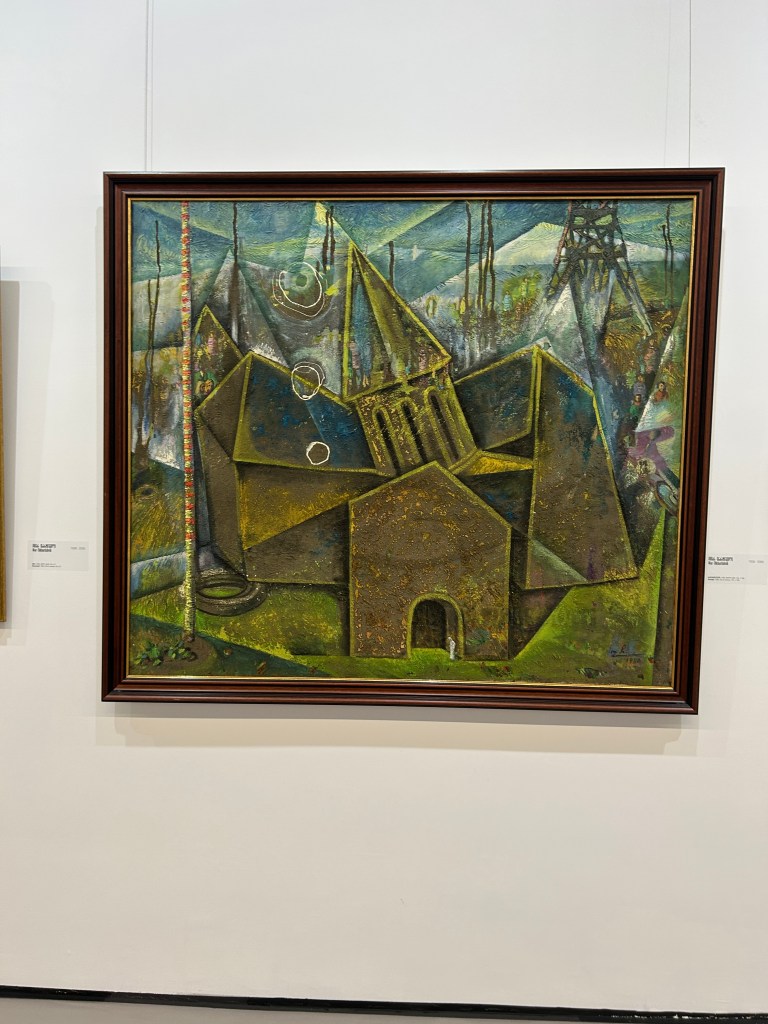
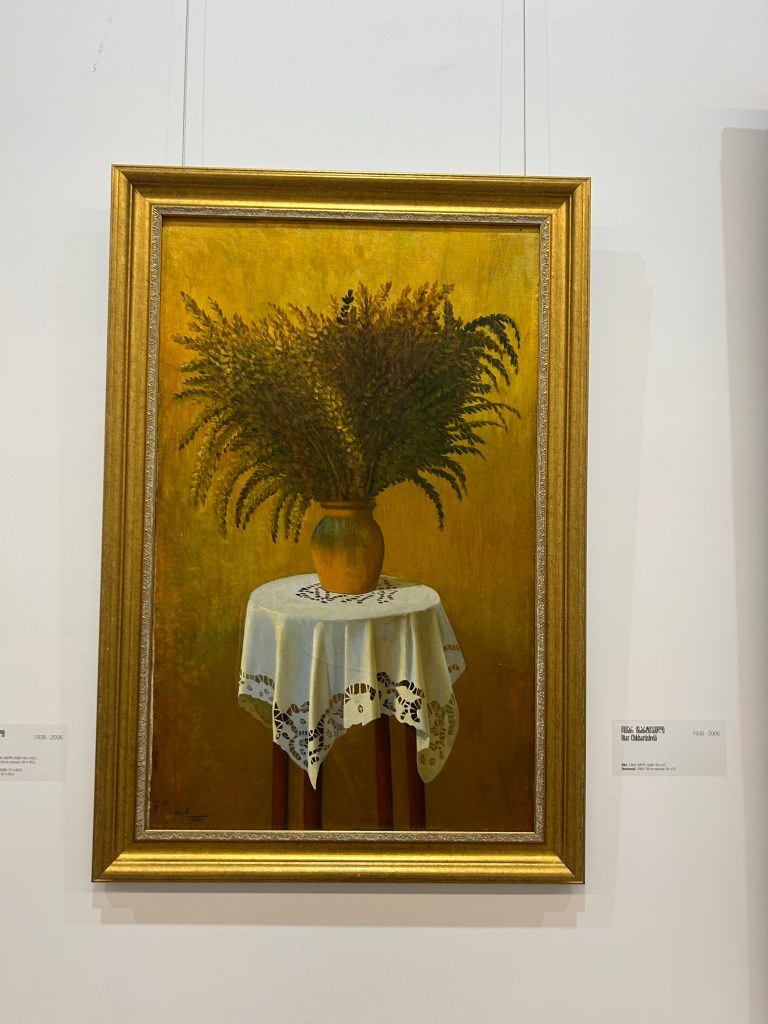
Otar Chkhartishvili
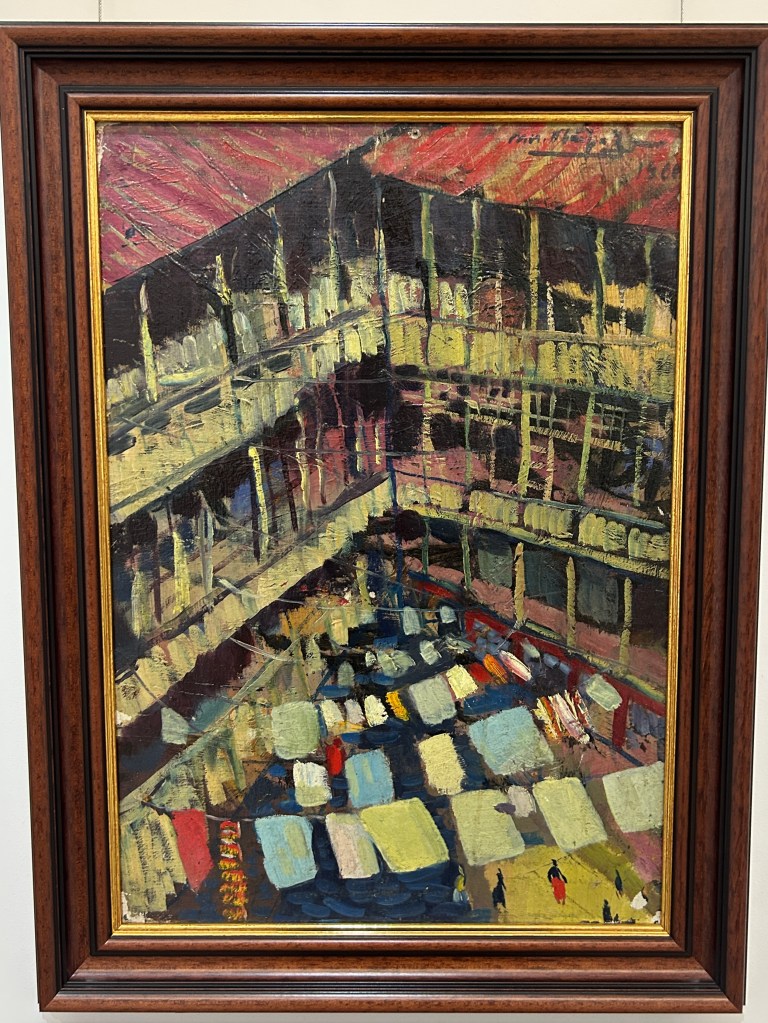
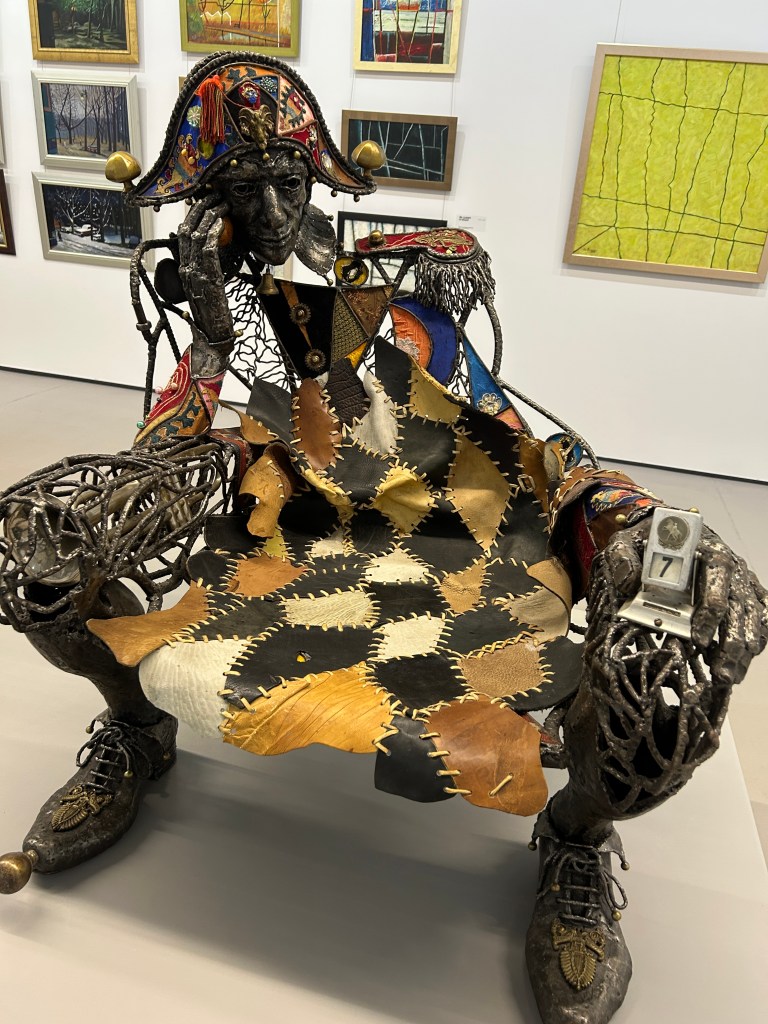
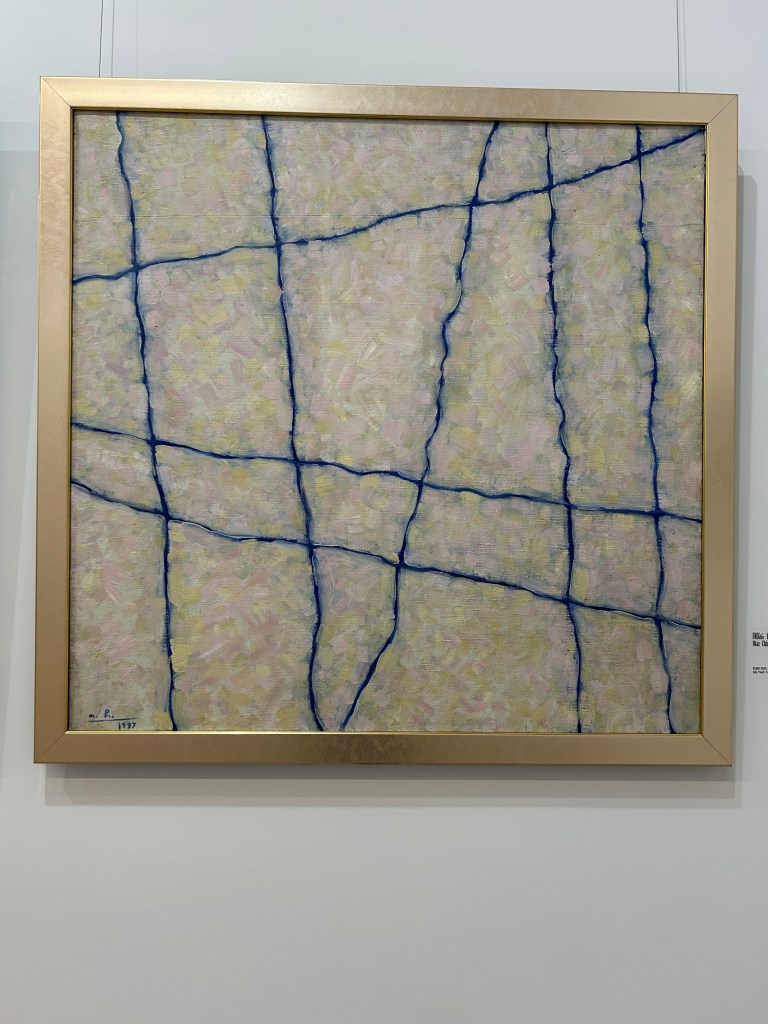
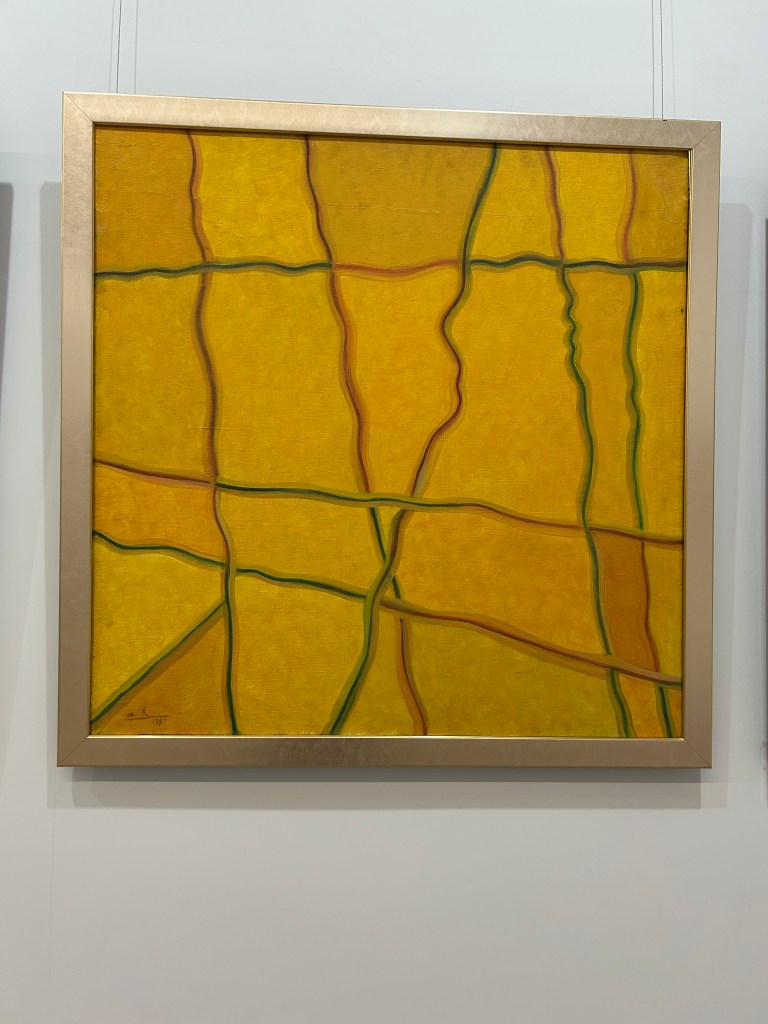
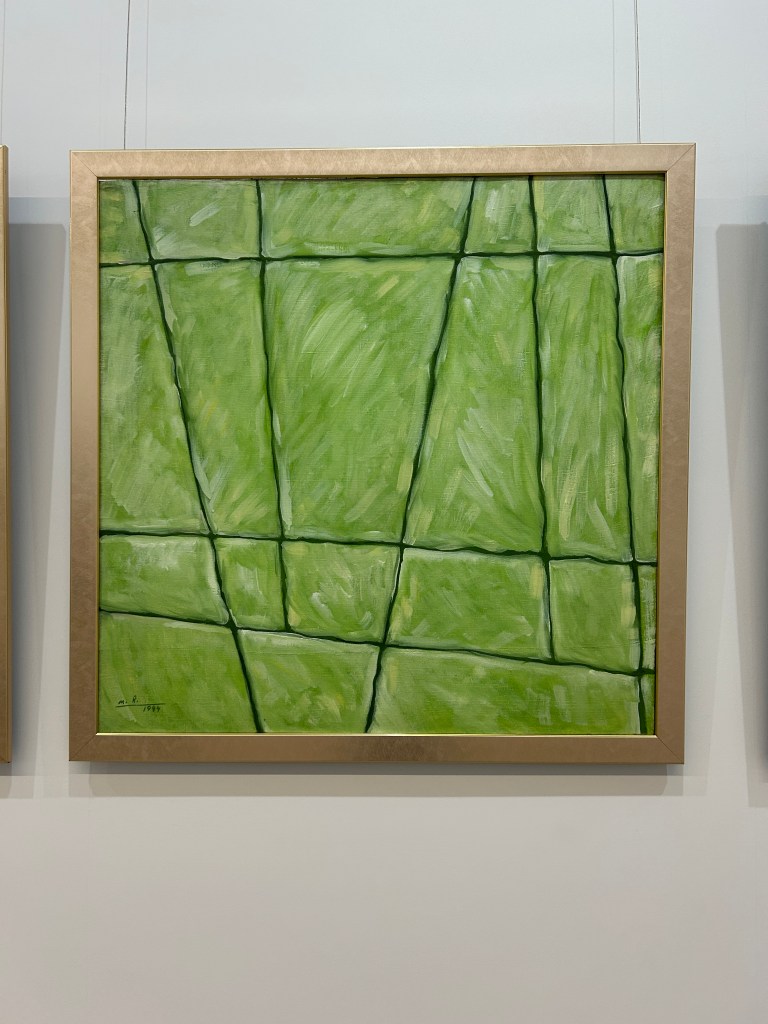
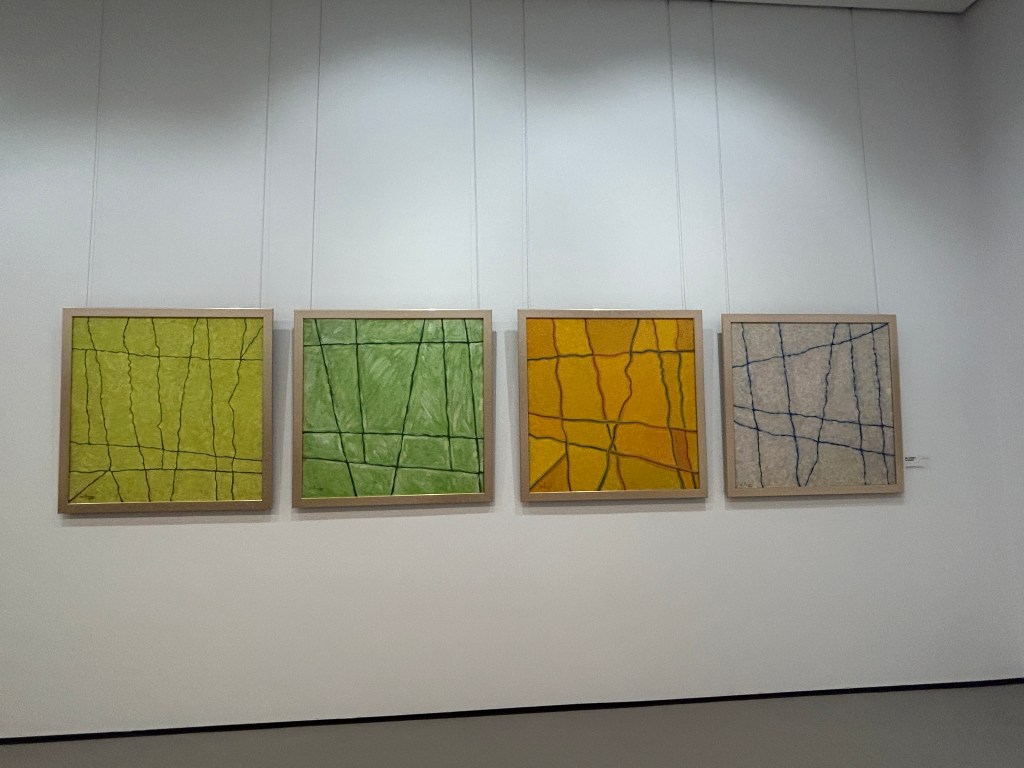
“From the late 1960s to the 1990s, I bore the cross of the anti-Soviet artist, and that’s why my art became a weapon against totalitarianism and atheism…” – wrote the artist in his autobiography. The abstract series “Four Seasons: My Yard” (1980–1998) is one of Chkhartishvili’s most lauded among all his creations. When the spotlight is moved from the aesthetic to the conceptual, an anti-formalist predilection appears in Georgian art for the first time. His methods include incorporating unconventional materials and objects, usually being displaced within an unfamiliar setting, rejecting the core tenets of social realism and academic dogmas. The artist’s focus concentrateson his search for a visual methodology that demonstrated a ‘modern mood rather than ideology’.4

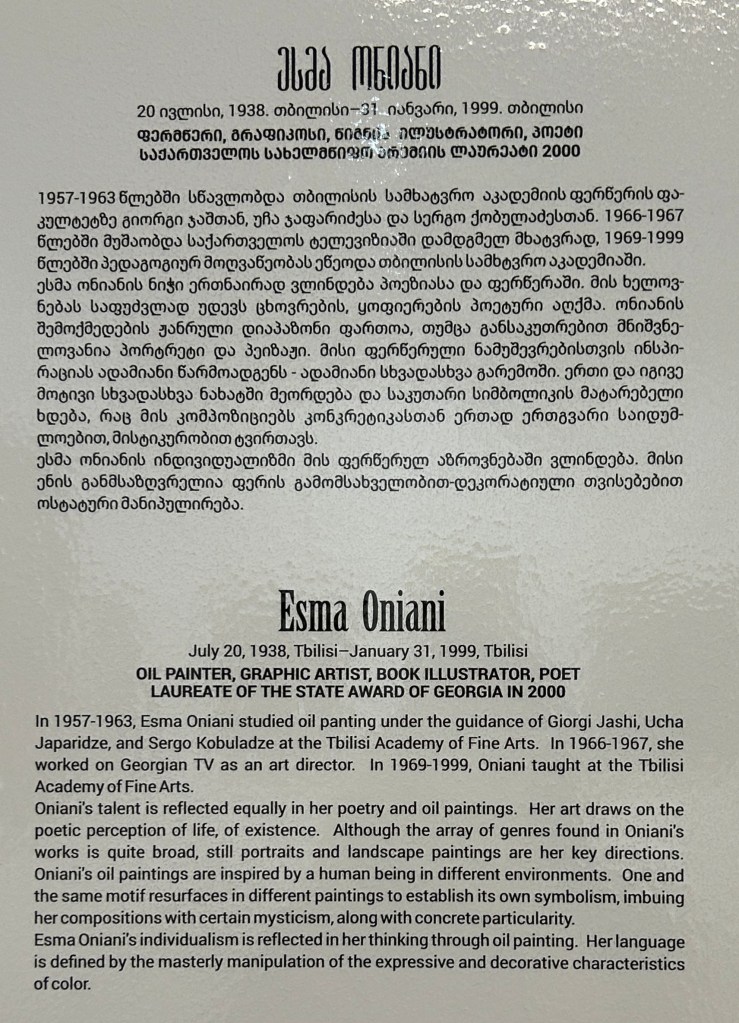
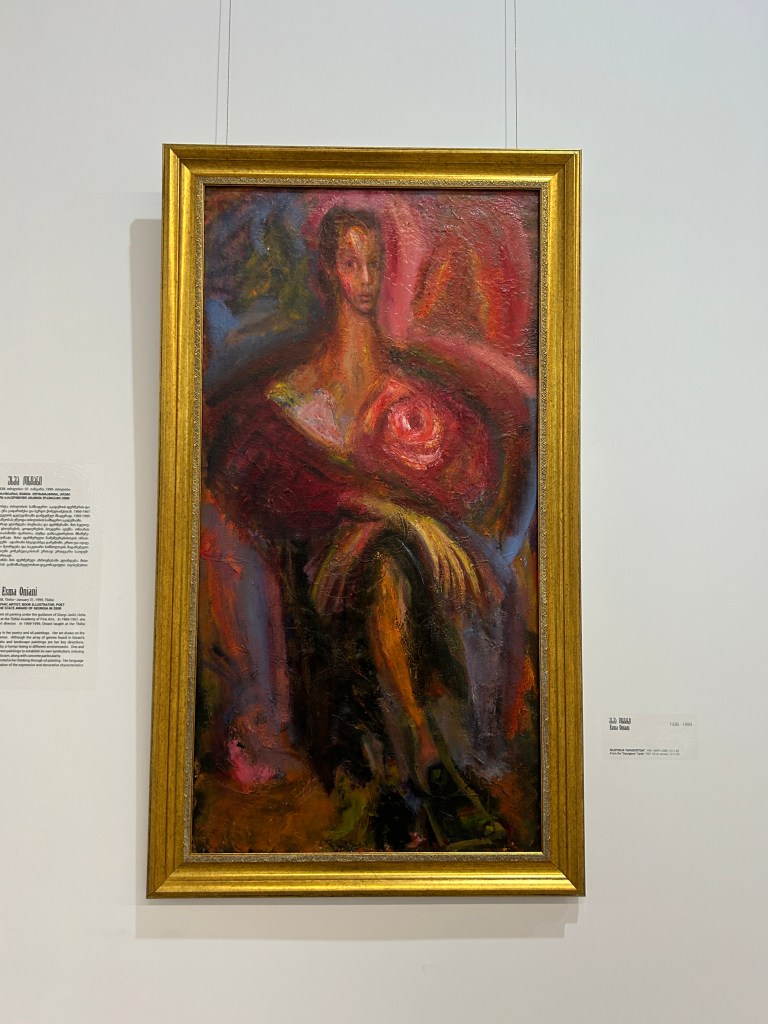
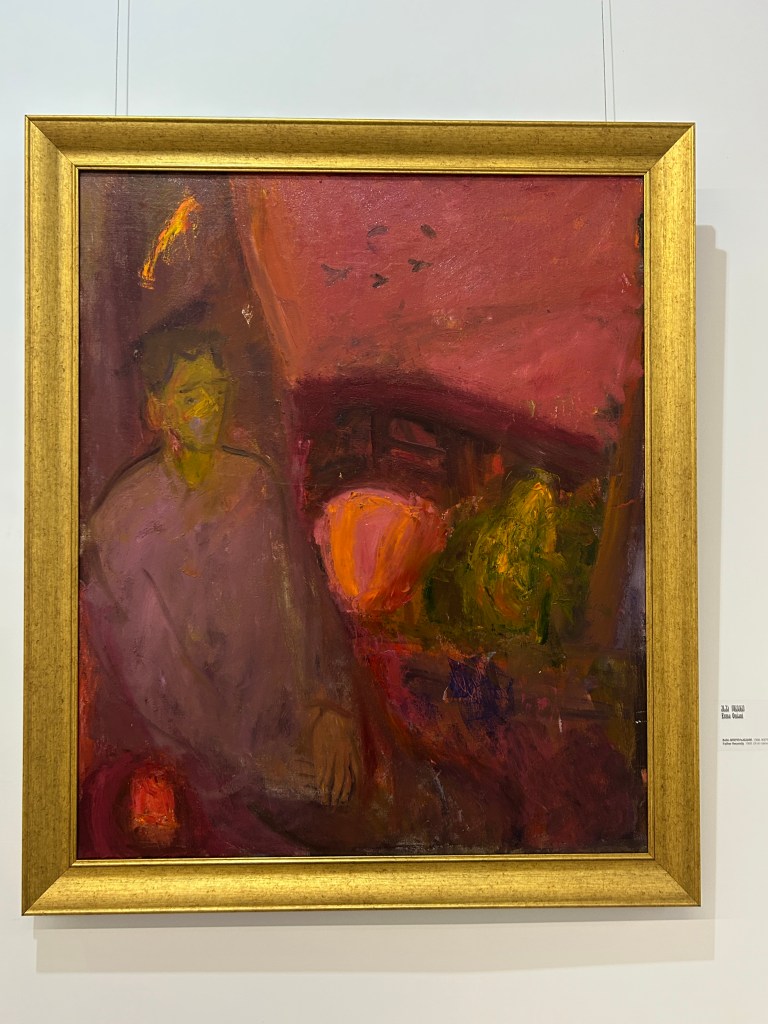
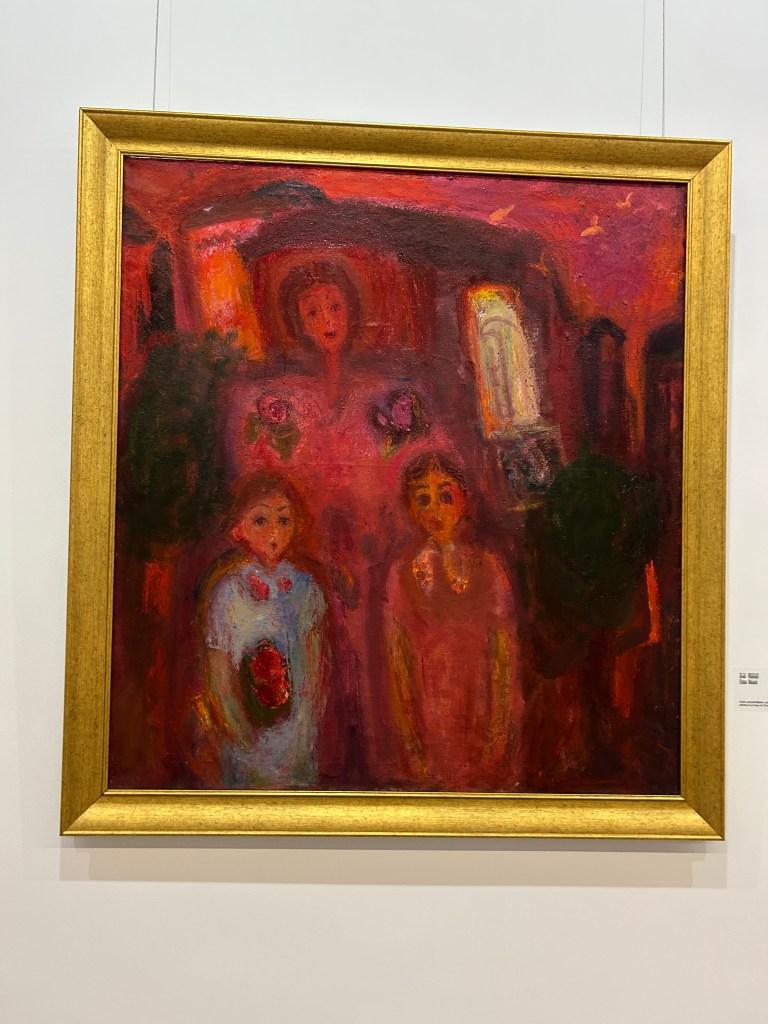
Esma Oniani
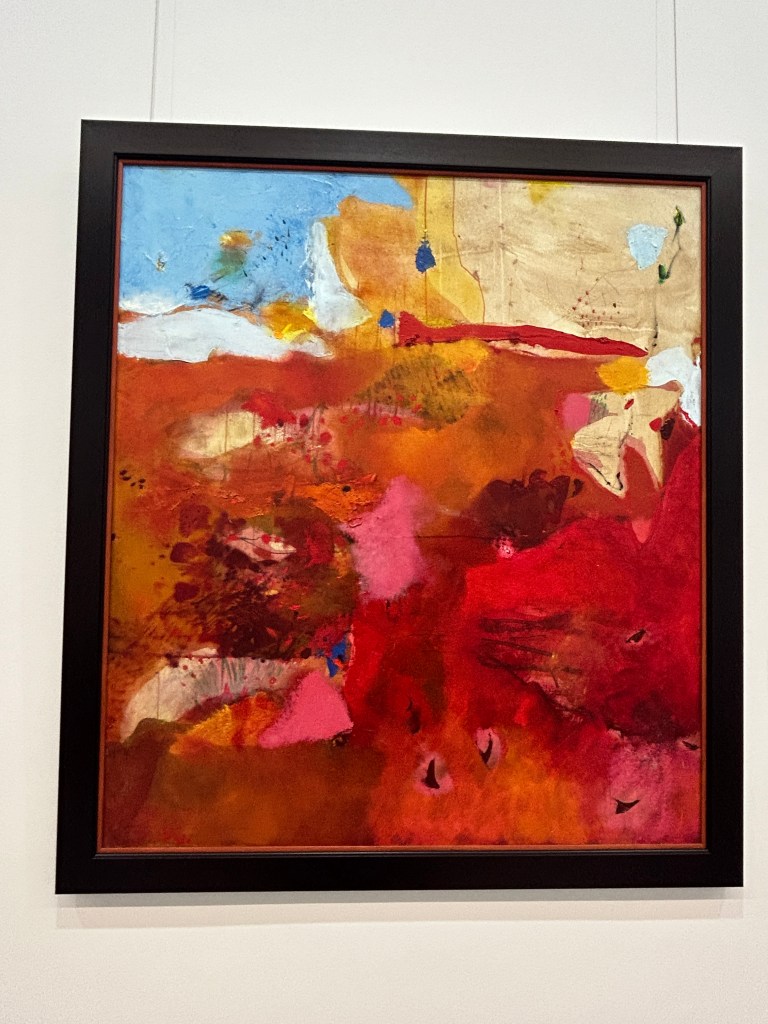
Recognised as an accomplished poet, painter, essayist and illustrated a great number of books, Oniani’s poems and essays were first published in 1968 that stirred the then Soviet society, with its controversy surrounding bold pictures and her direct approach in discussing prohibited topics as religion and seeking of soul, erotic poetry as well as her odes dedicated to her motherland. Indeed, one can see her fiery spirit mirrored in the warm tones of her palette.
Yuri Berishvili
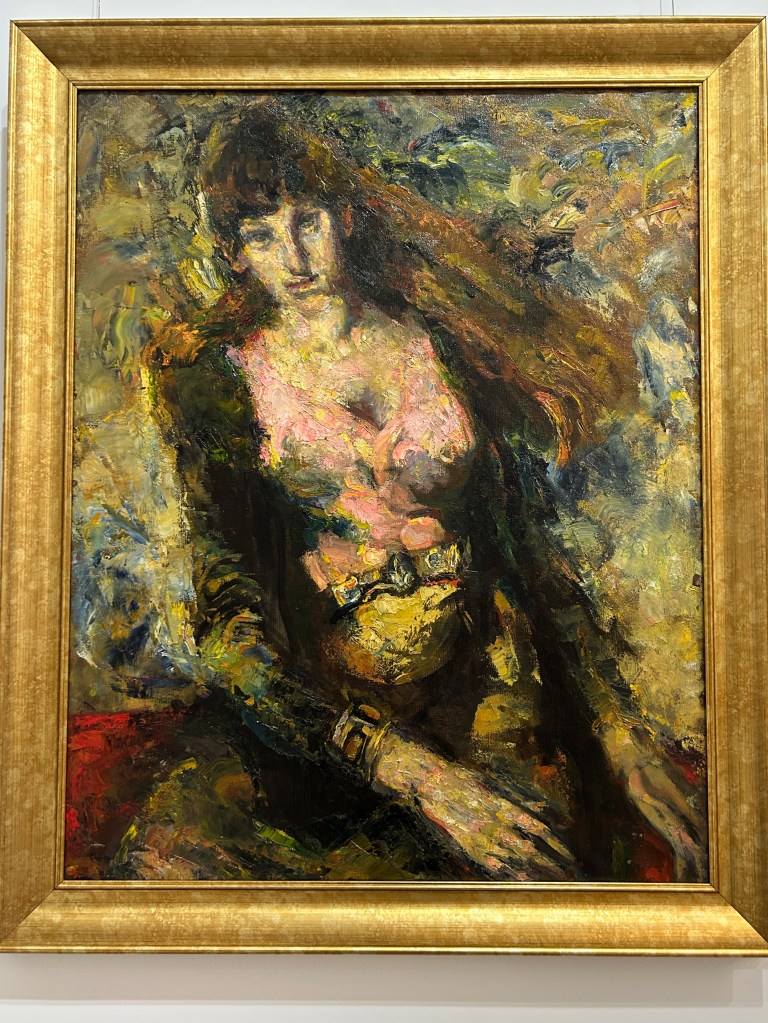
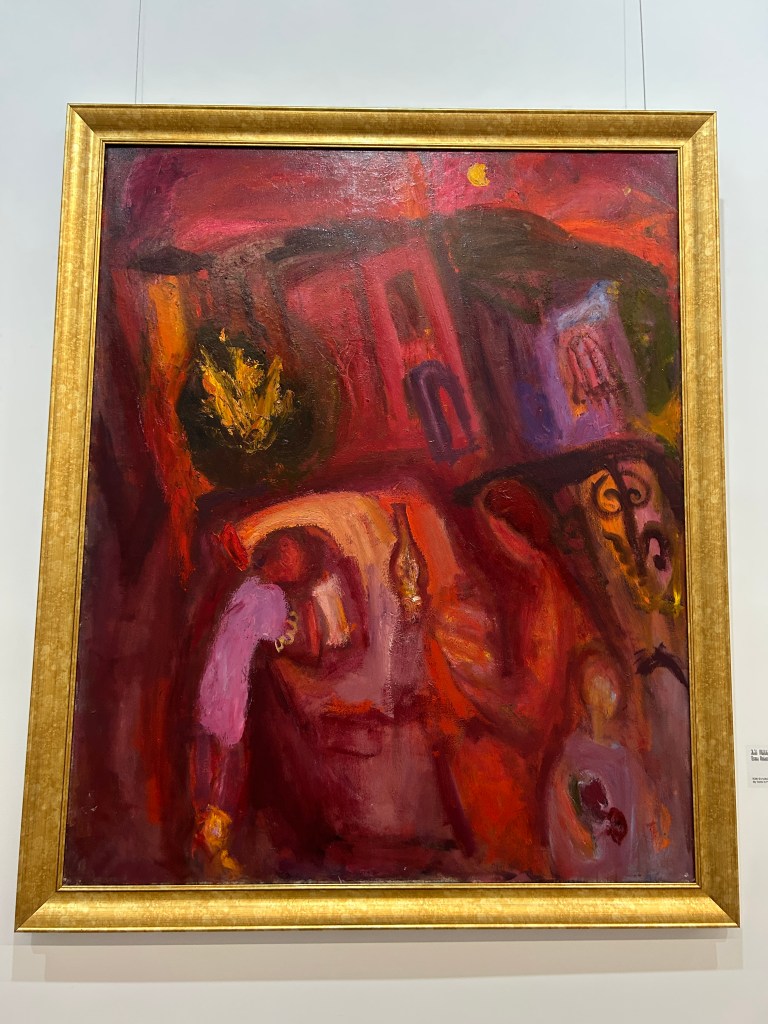
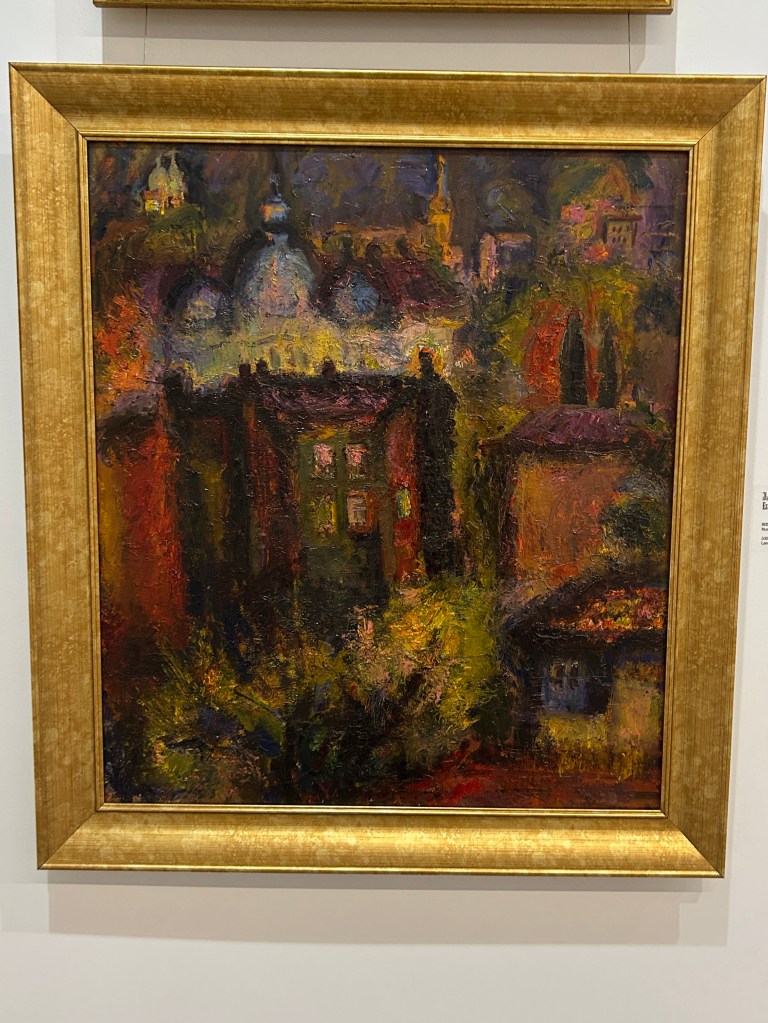
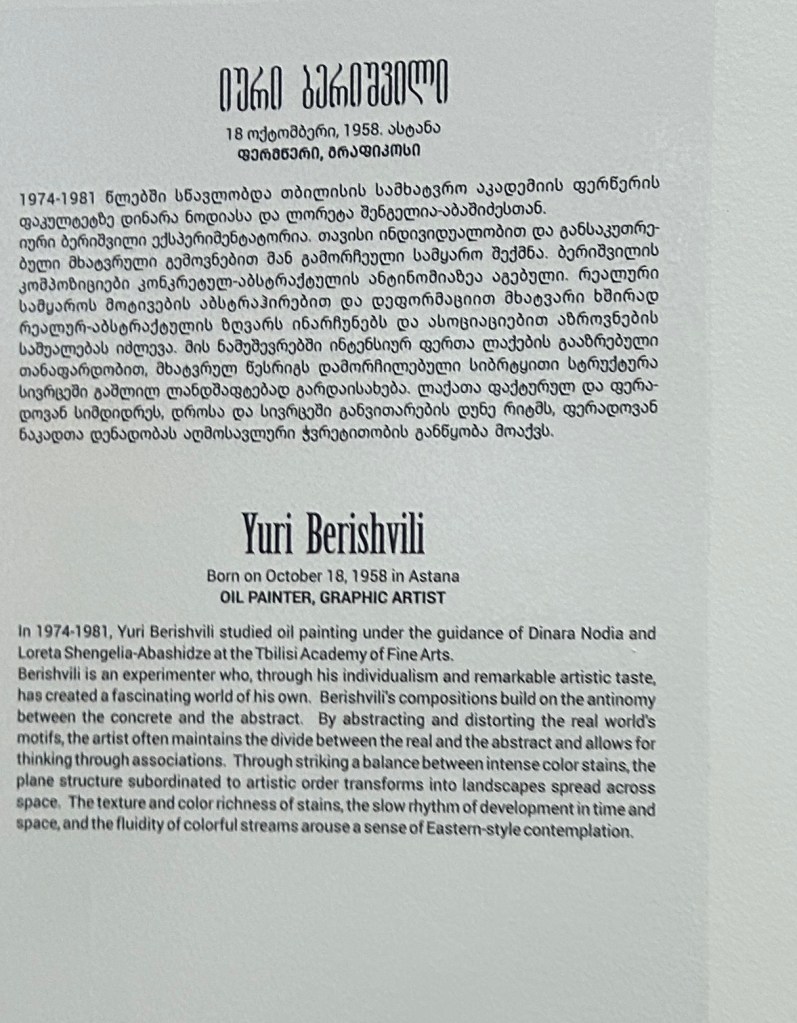
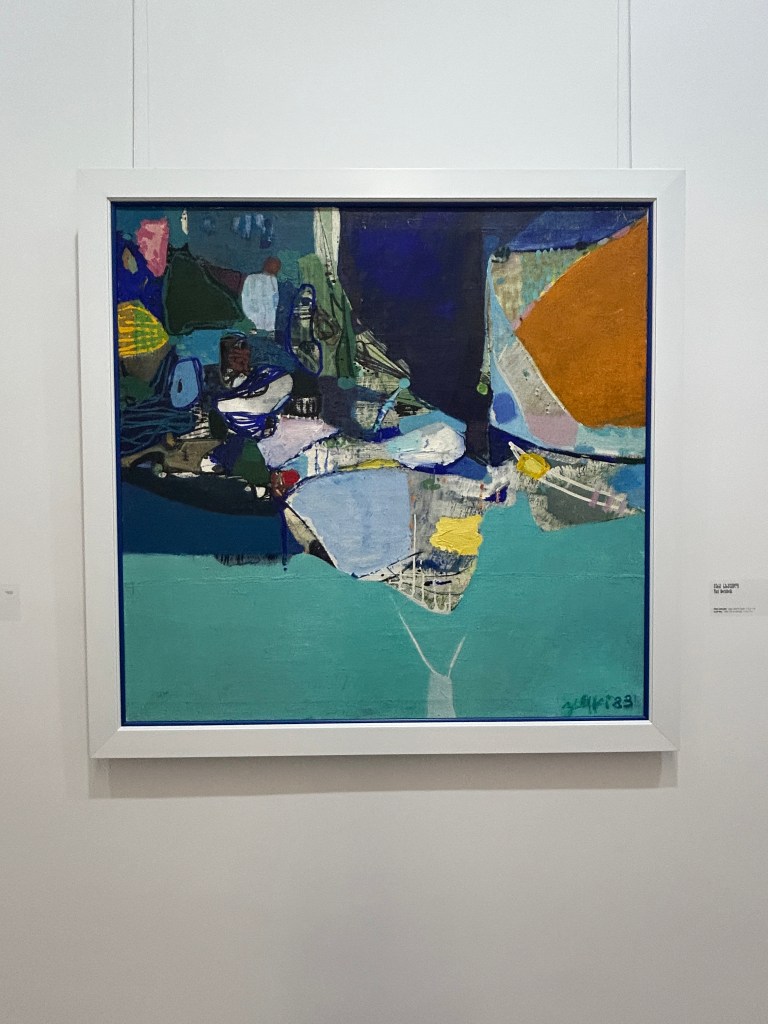
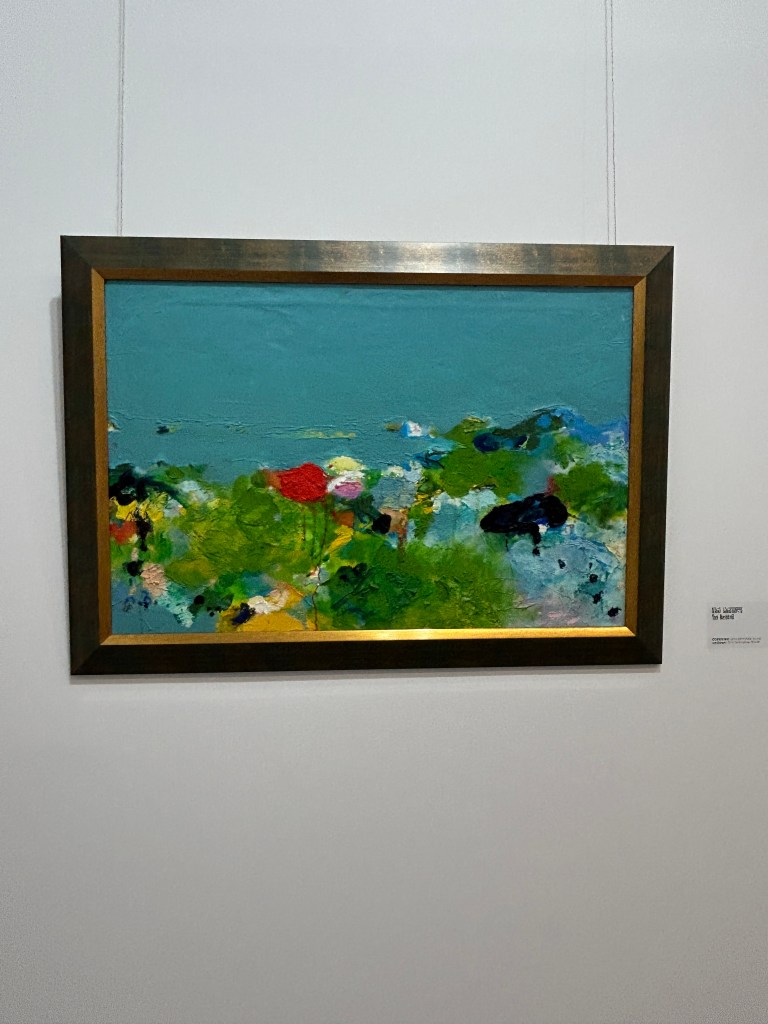
Yuri Berishvili is one of the foremost figures within the recent history of Georgian visual arts. His offerings contain rich material both down the journey of Georgian artistic development through the seeking of new boundaries, as well as propagating novel and alternative interpretations. One usually finds that figurative speech blends into abstract and vice versa in his paintings. These blurred boundaries and transformation reveal his creativity and talent as he manipulates form in his own unique way.5
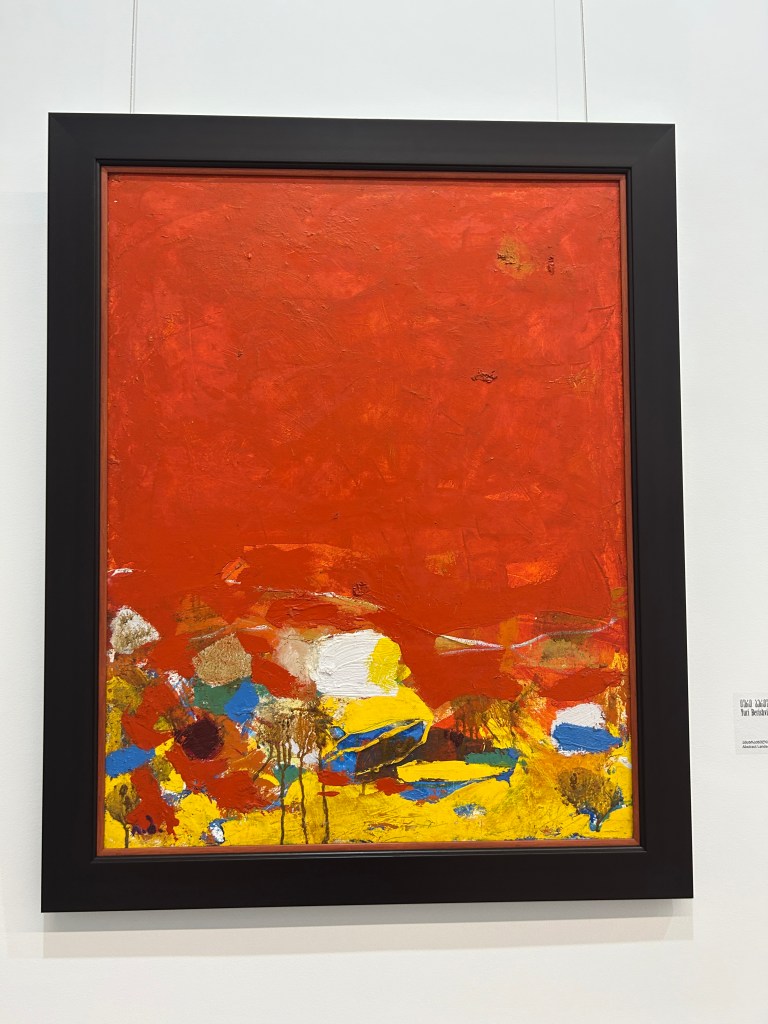
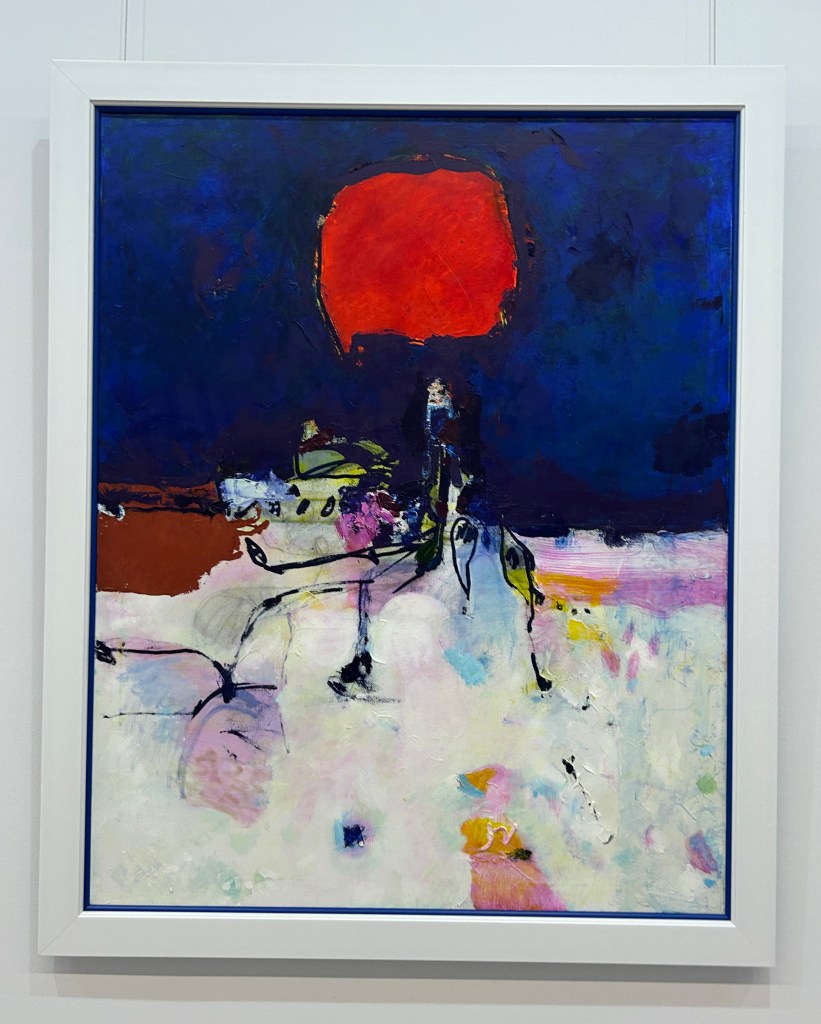
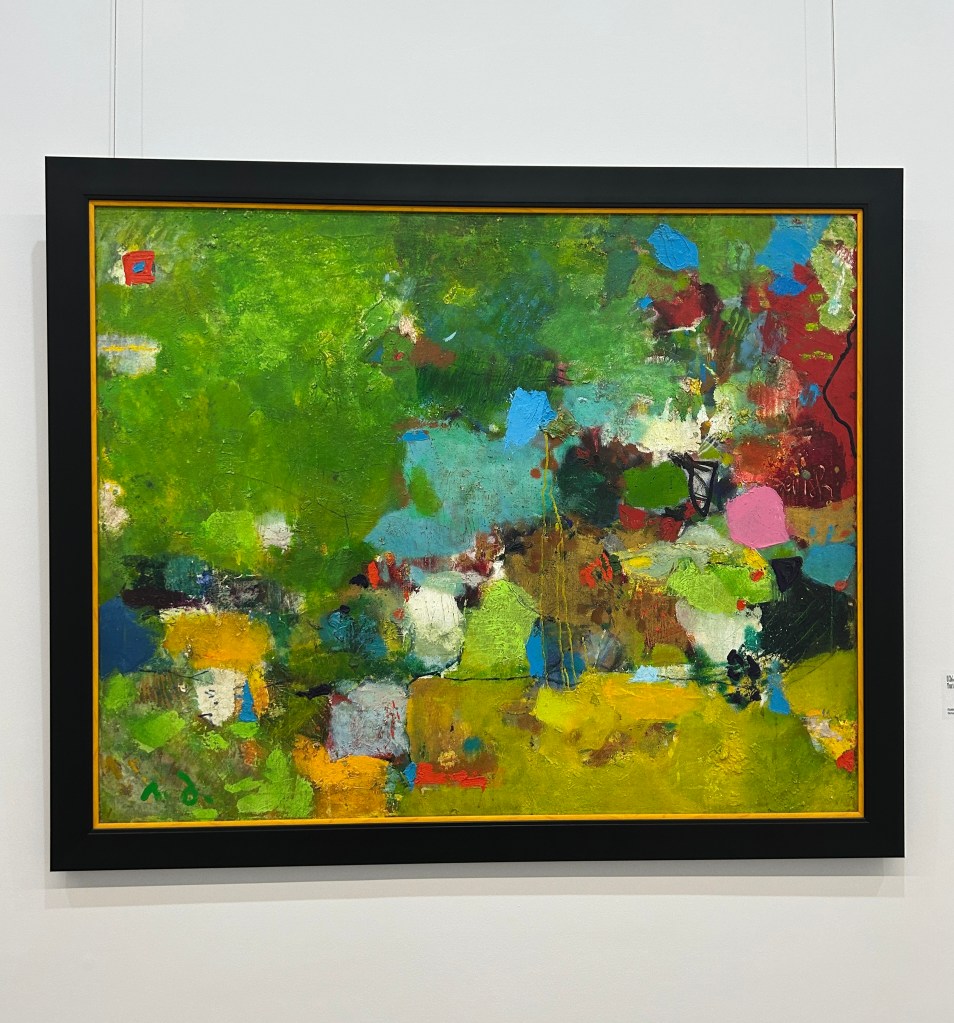
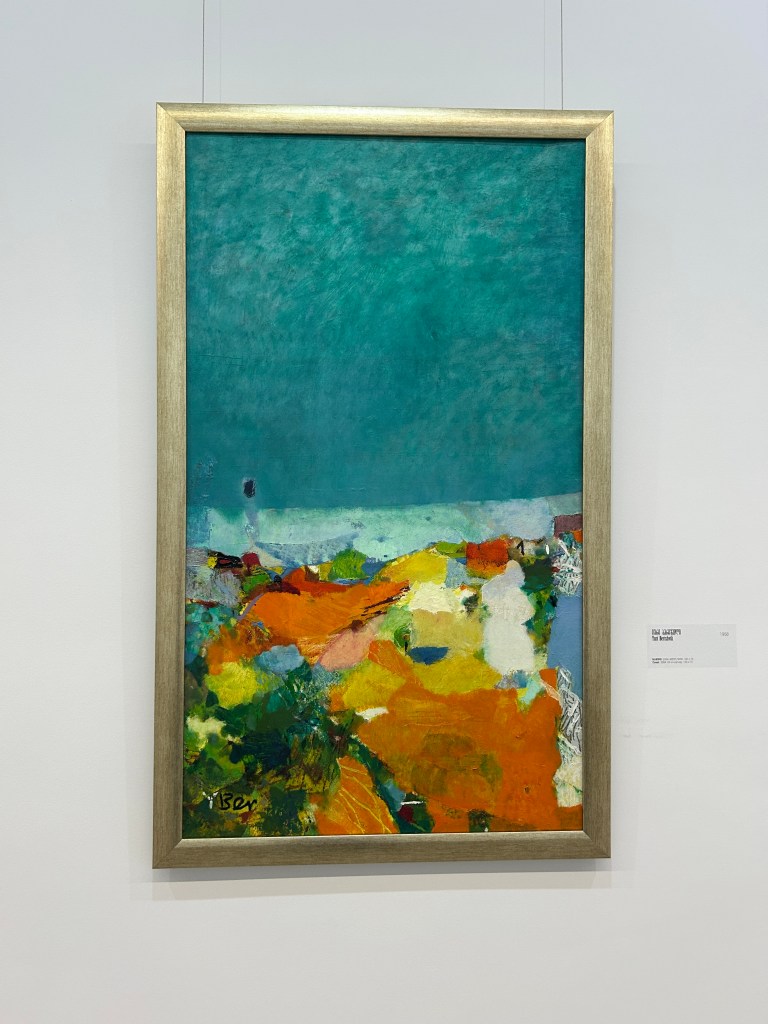
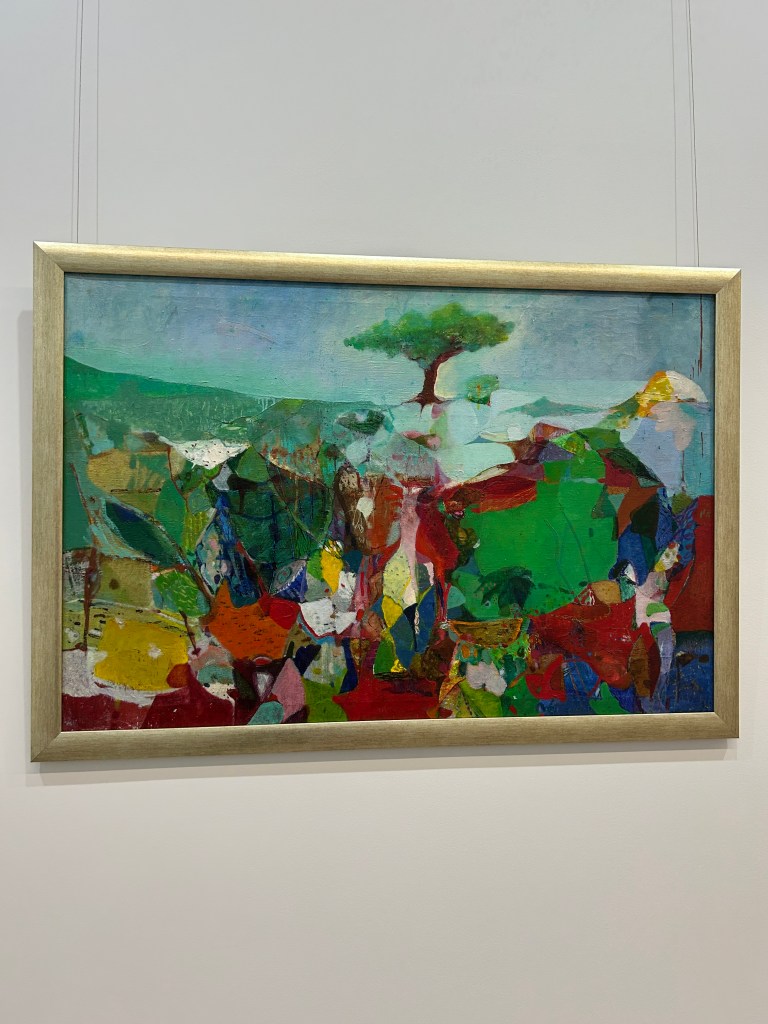
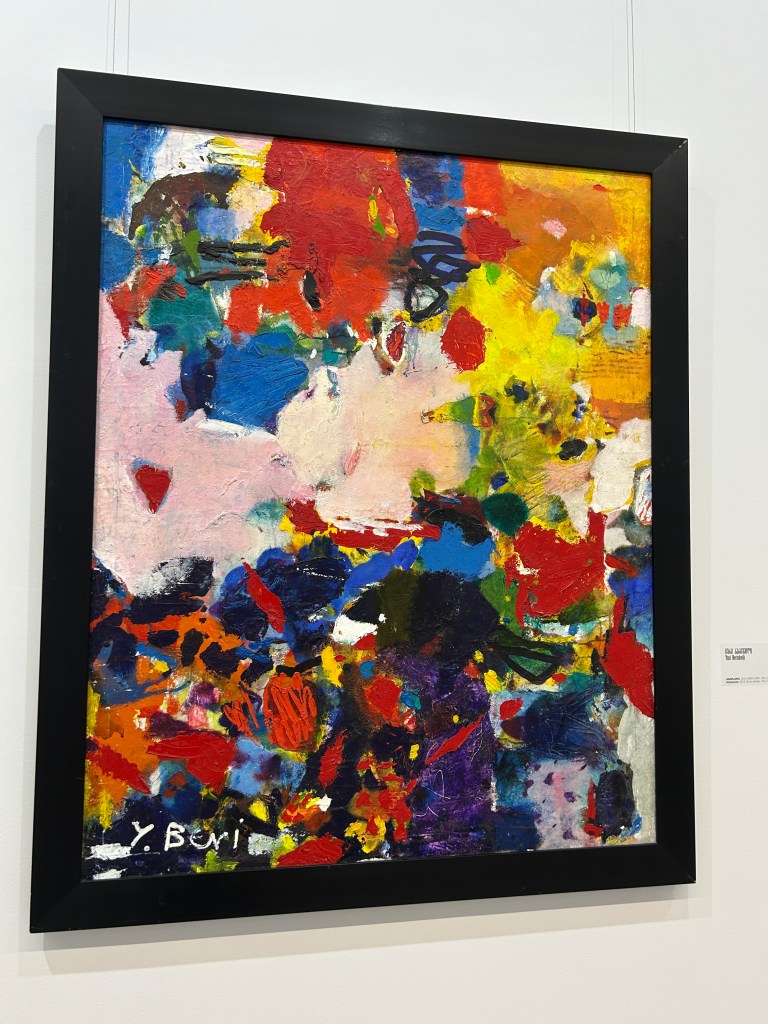

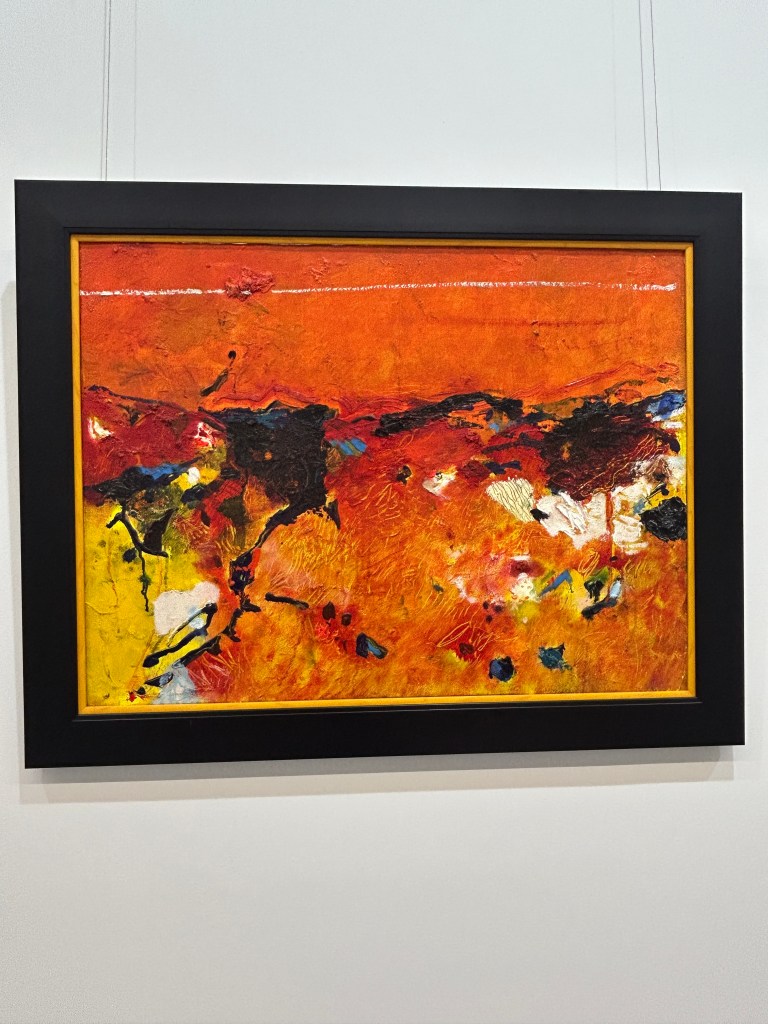
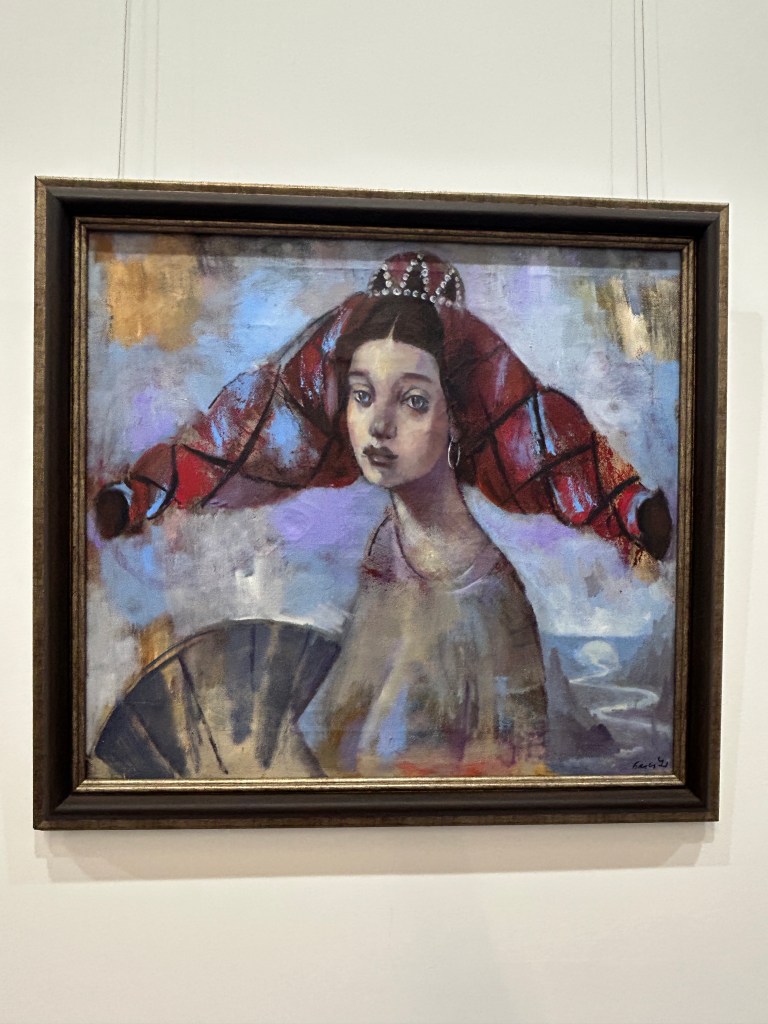
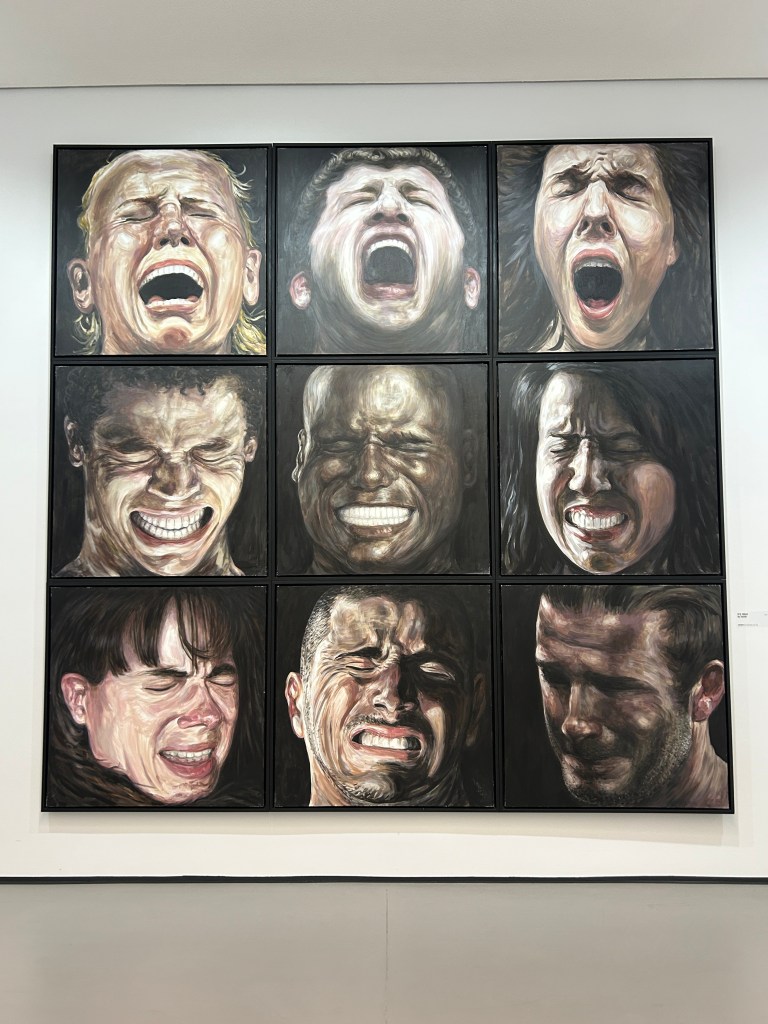
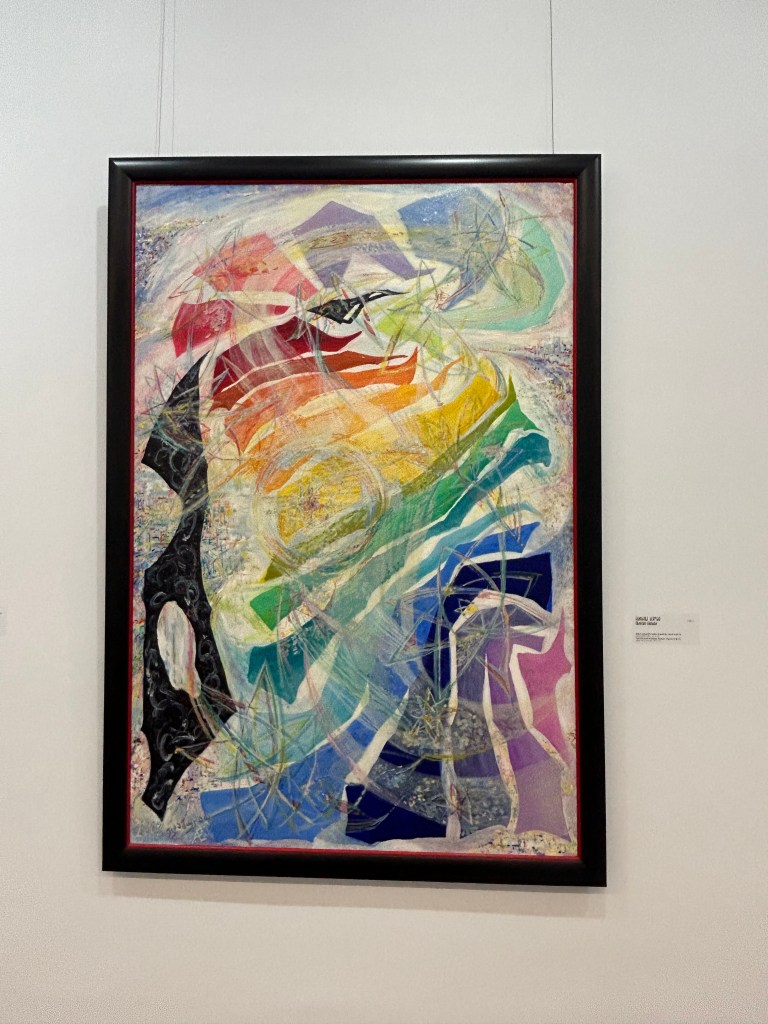
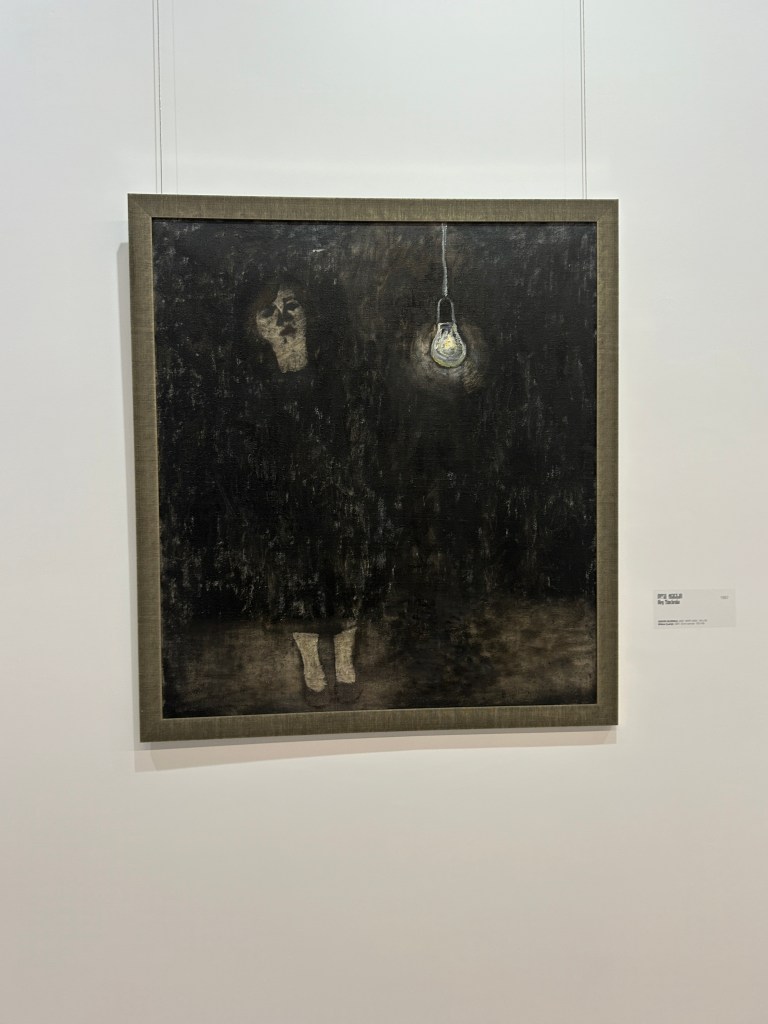
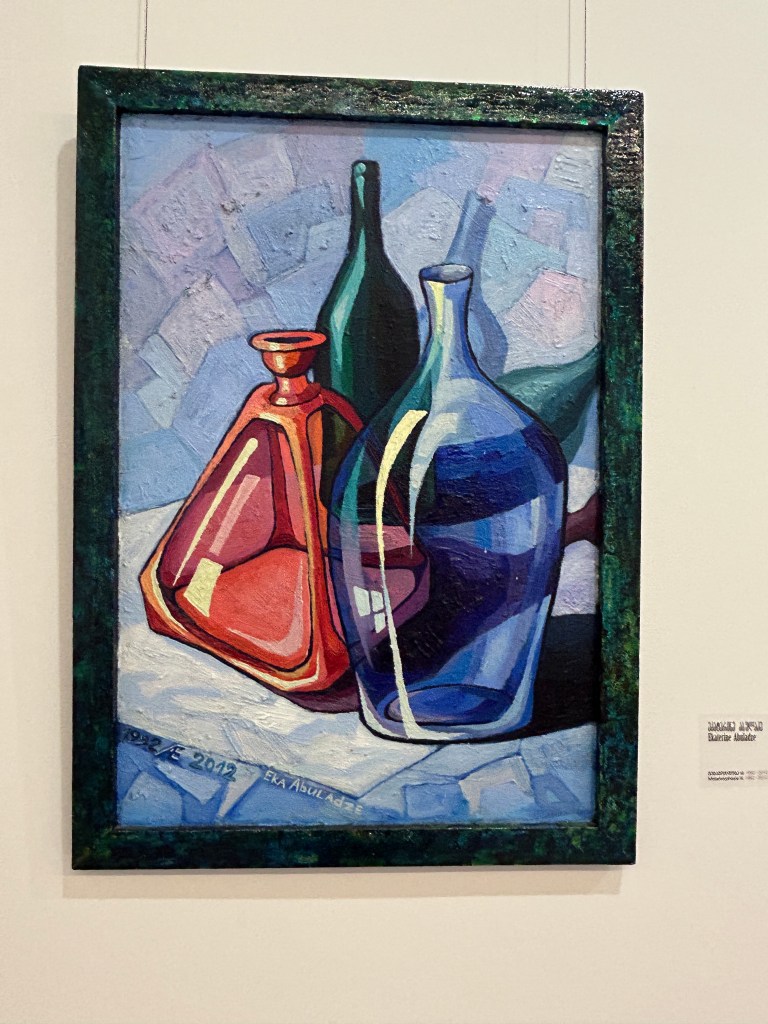
Other artworks that caught my eye

- https://art.gov.ge/en/portfolio/japaridze-temo/ ↩︎
- https://press.uchicago.edu/ucp/books/book/distributed/N/bo68159510.html ↩︎
- https://soviet-art.ru/soviet-georgian-graphic-artist-dmitry-eristavi/ ↩︎
- https://atinati.com/videos/657844737f5ded0038e9accf ↩︎
- https://art.gov.ge/en/event/yuri-berishvili-the-emperors-garden/ ↩︎
 writingaboutpaintings
Leave a comment