Armenian culture has thrived for over 3,000 years, infusing ancient traditions with modern creativity. While widely considered an off-the-beaten-path destination for travel, one who finally takes a leap to this country in the Caucasus will find a treasure trove of history, culture and art. This post looks to cover some main factors (amongst the others) that have directed contributed to this distinctive blend seen in Armenian culture, history and art.
Ancient Country
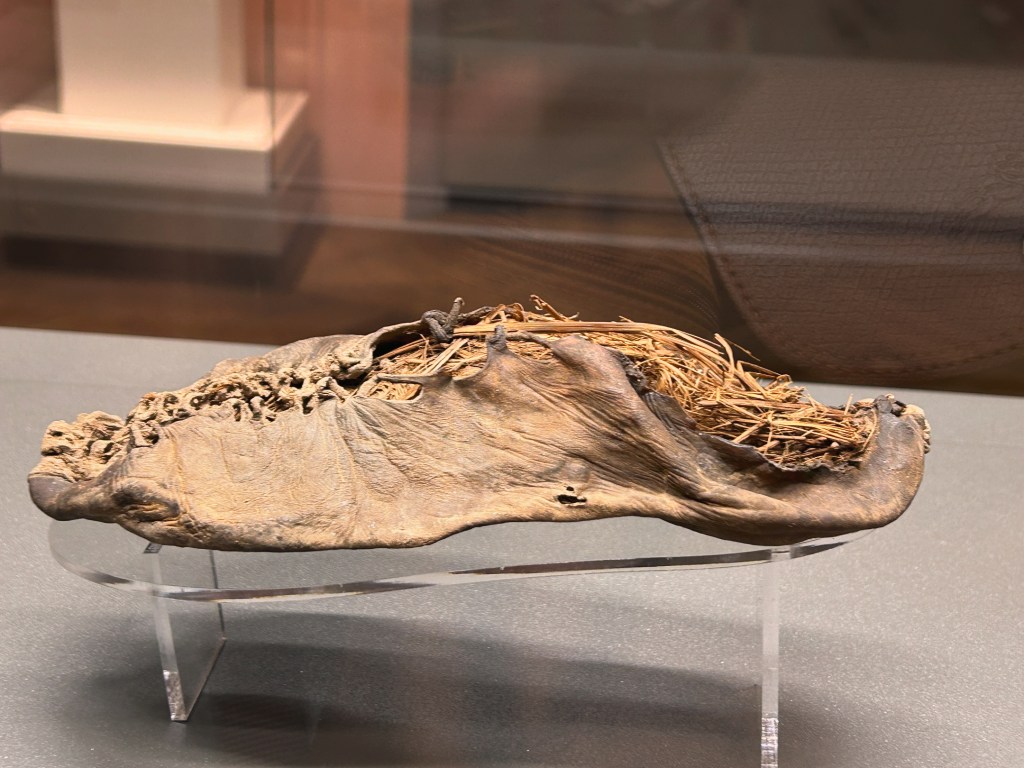
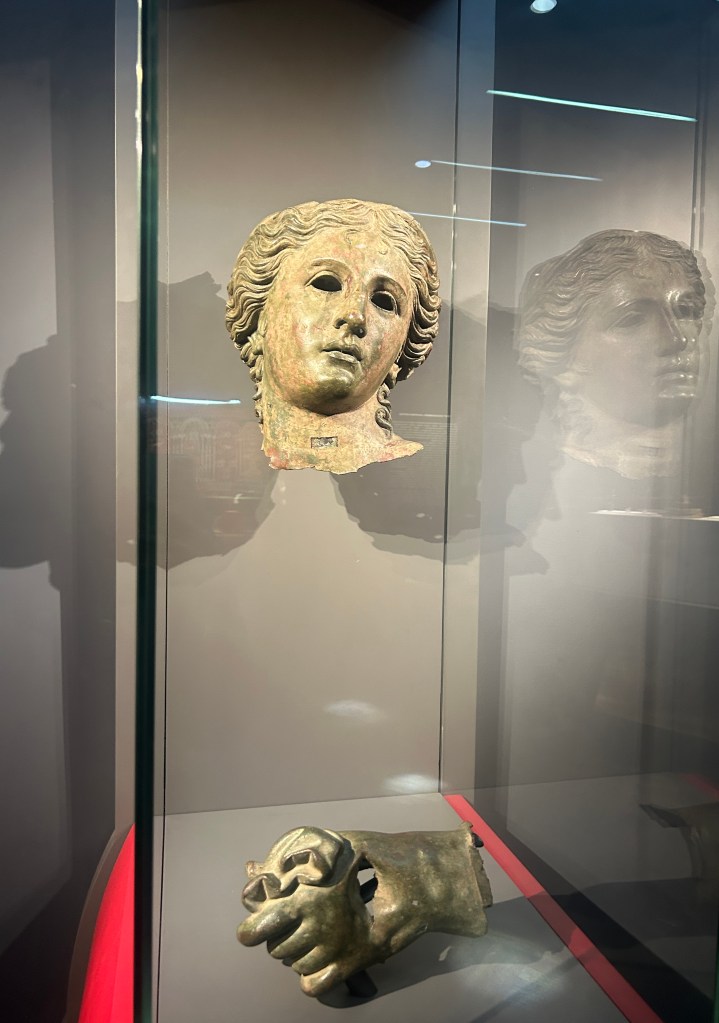
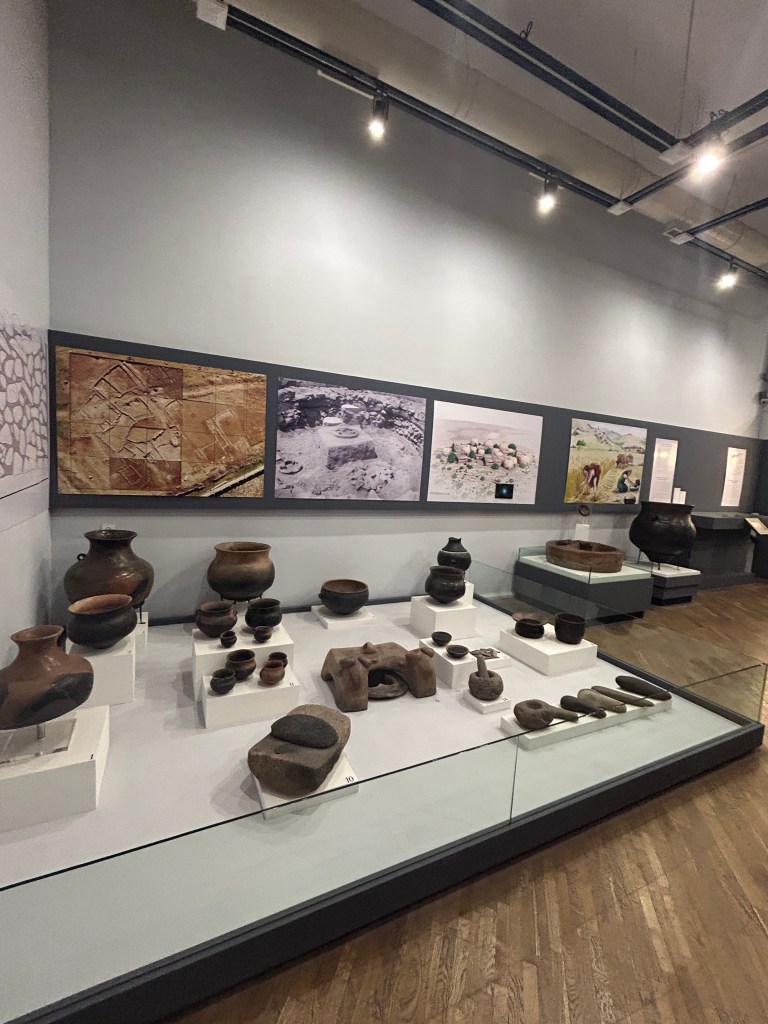
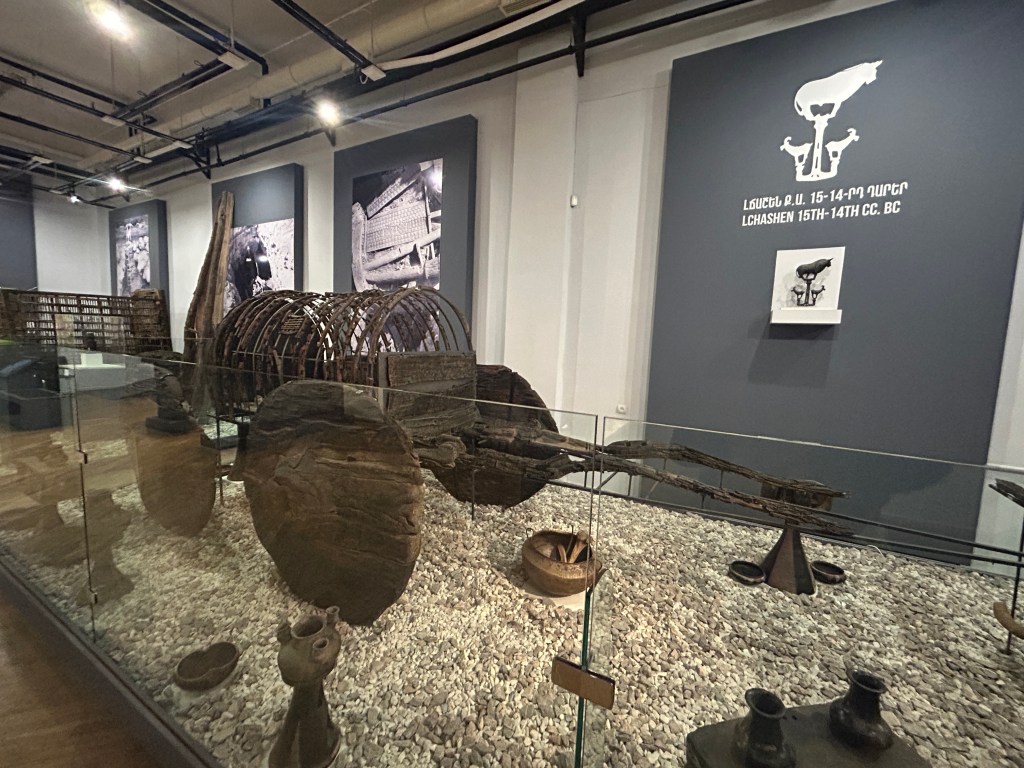
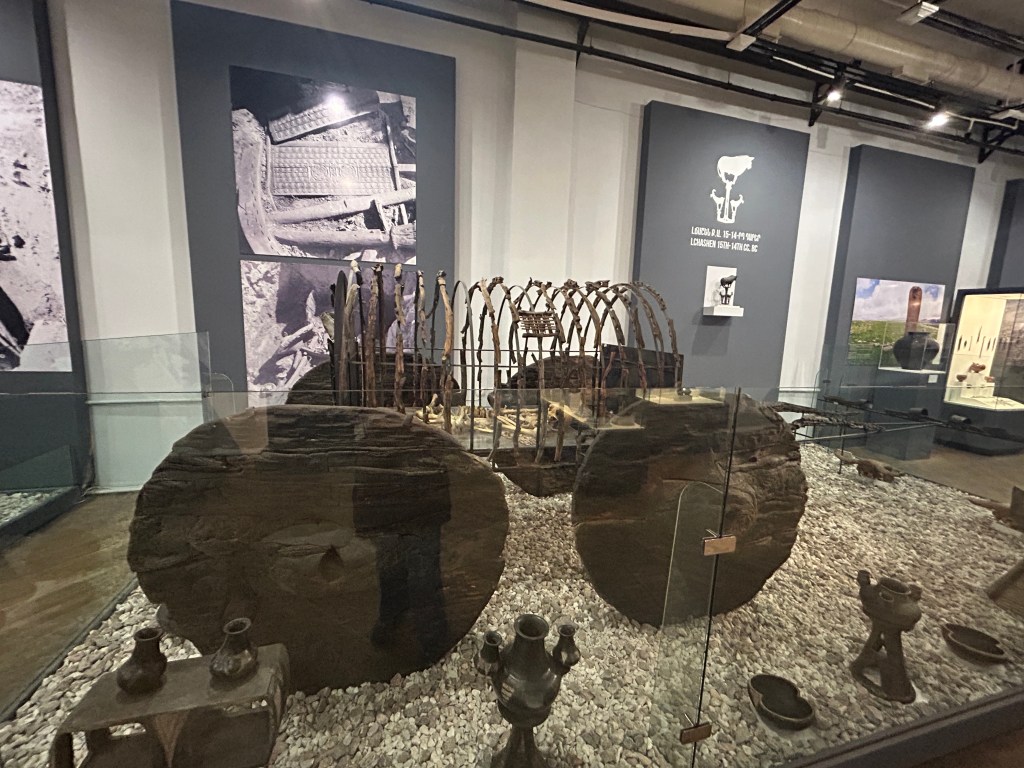
Some say that age is just a number, but for Armenia, it is the keystone on which their identity lies. Although not as famed as Greece, Rome and Egypt in the field of archeology to the general public, Armenia has proven to surpass, if not at least rival foreign counterparts. There have been archeological findings, old manuscripts and scientific research proving Armenia to be the very Cradle of Civilisation.1 Indeed, some of the oldest and finest in the world were excavated in Armenia, where an impressive lineup includes the world’s oldest leather shoe (5,500 years old), sky observatory (7,500 years old), depictions of agriculture (7,500 years old) and wine-making facility (6,100 years old). 2
Pioneer Christians
Also known as the first Christian country to adopt the world’s biggest religion way back in 301 AD, the nation’s unyielding biblical link is further fortified with the presence of the majestic sacred Mount Ararat, where Noah’s Ark has been widely believed to have come to a stop after The Great Flood. To be legitimately Armenian is to be Christian and this fact remains unchanged even within the widely spread Armenian diaspora where geographical distance does not change this deeply rooted belief. From manuscript illuminations monuments, monasteries, cross stones, folk art to modern art, Armenian Christian elements are omnipresent within the nation.
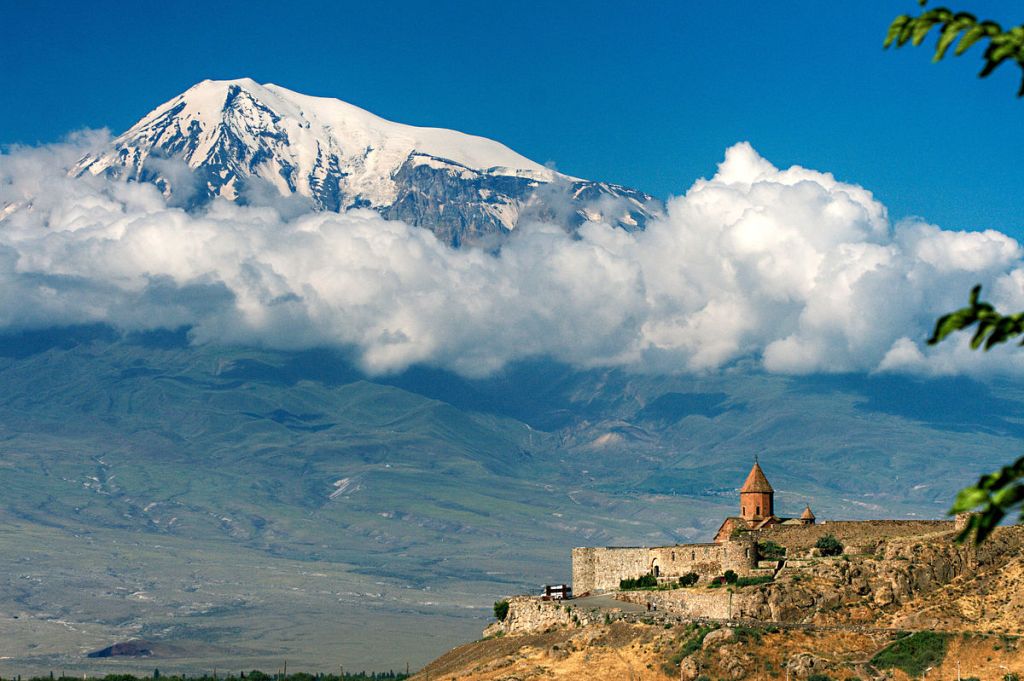
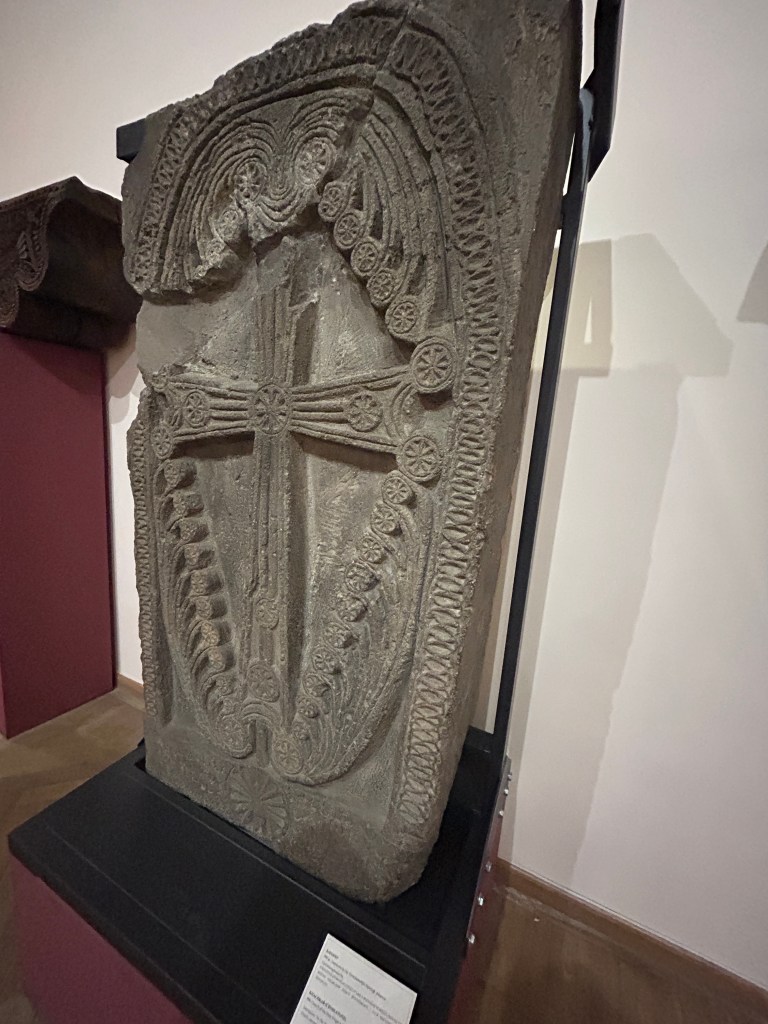
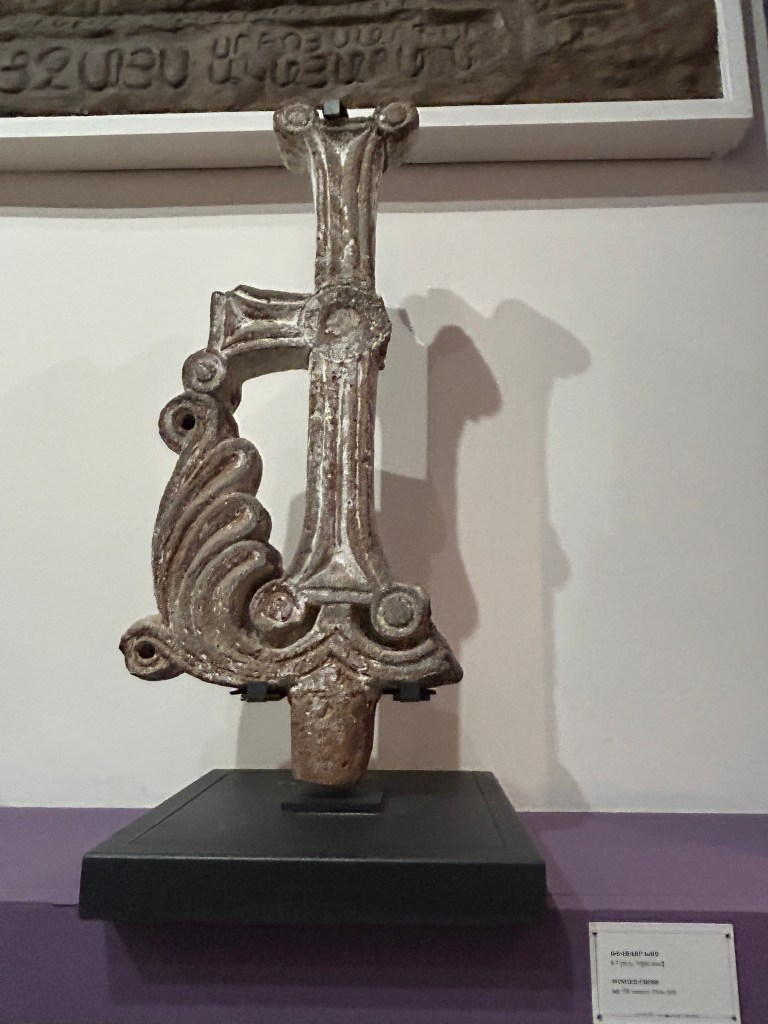
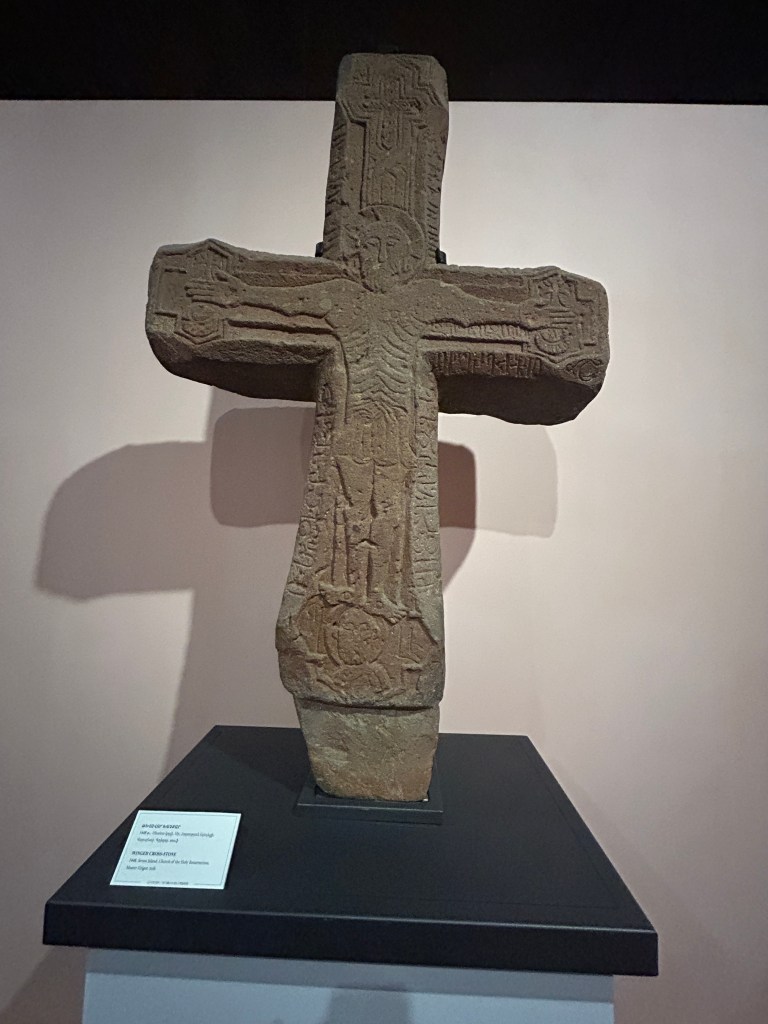
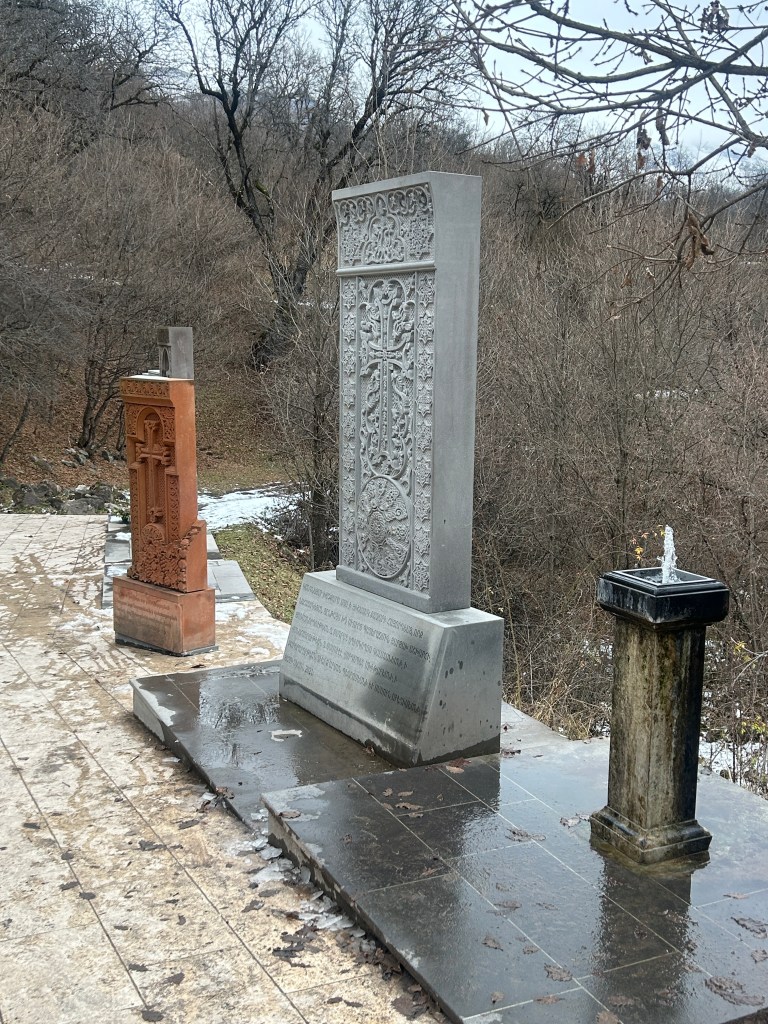
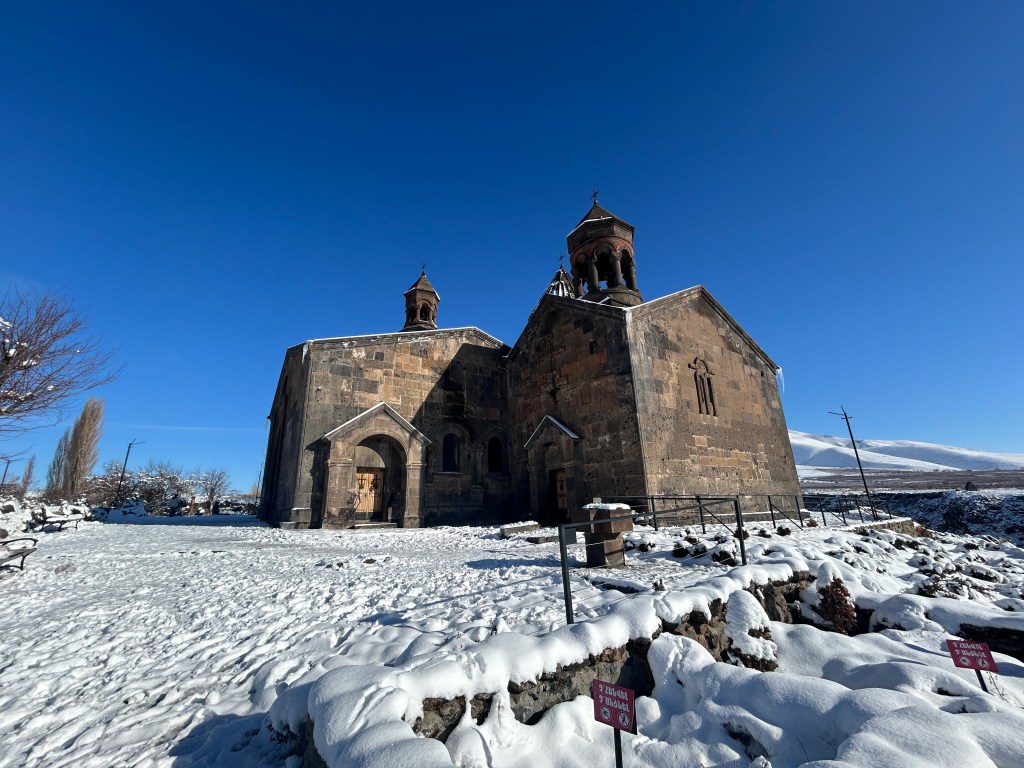
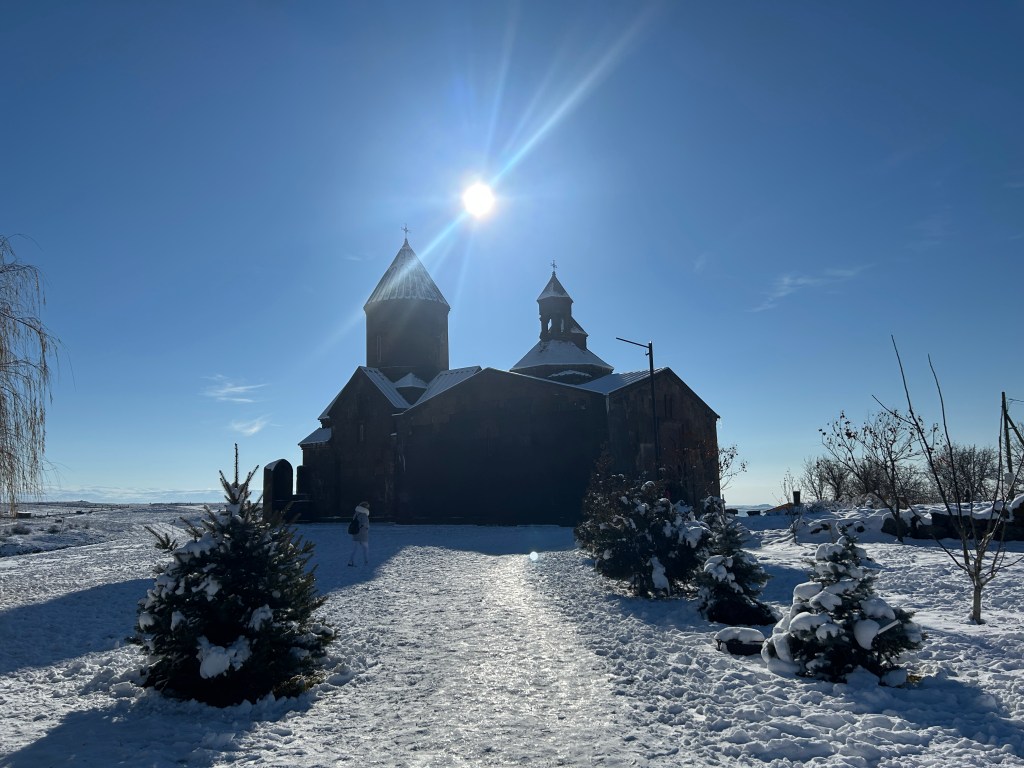
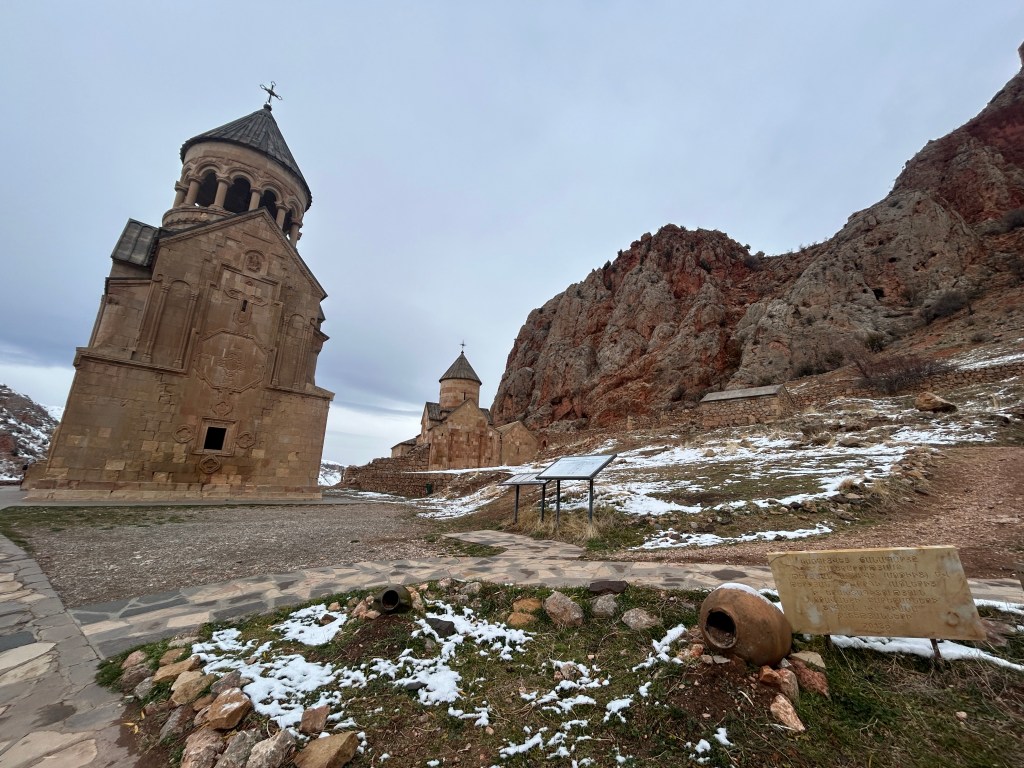
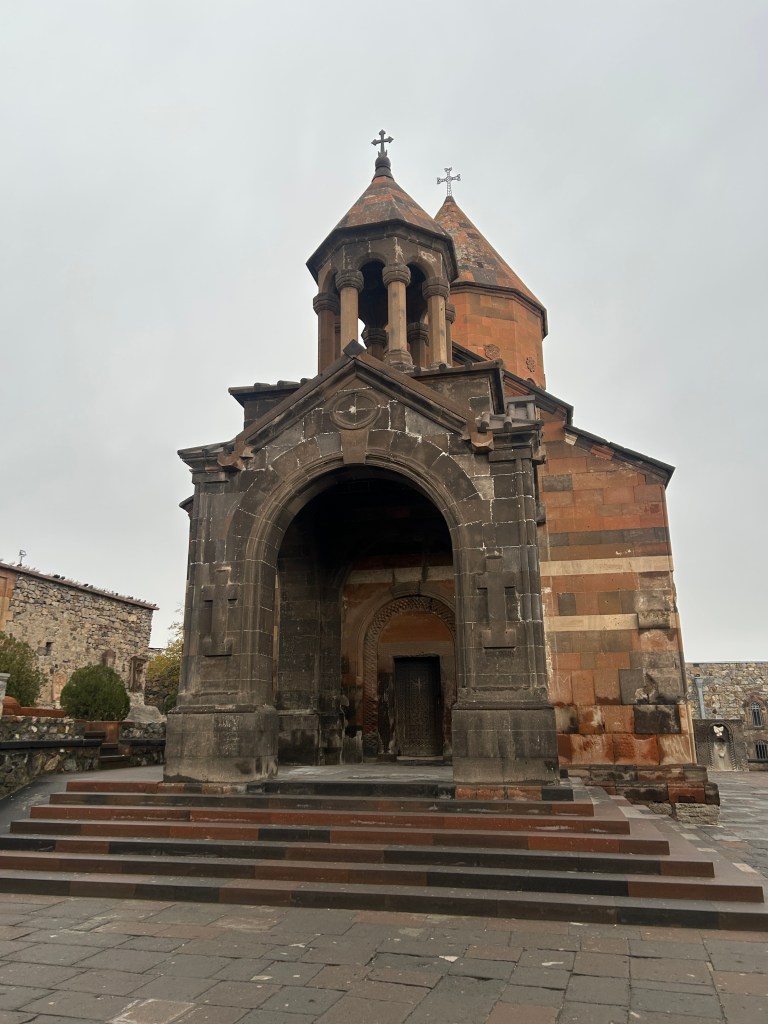
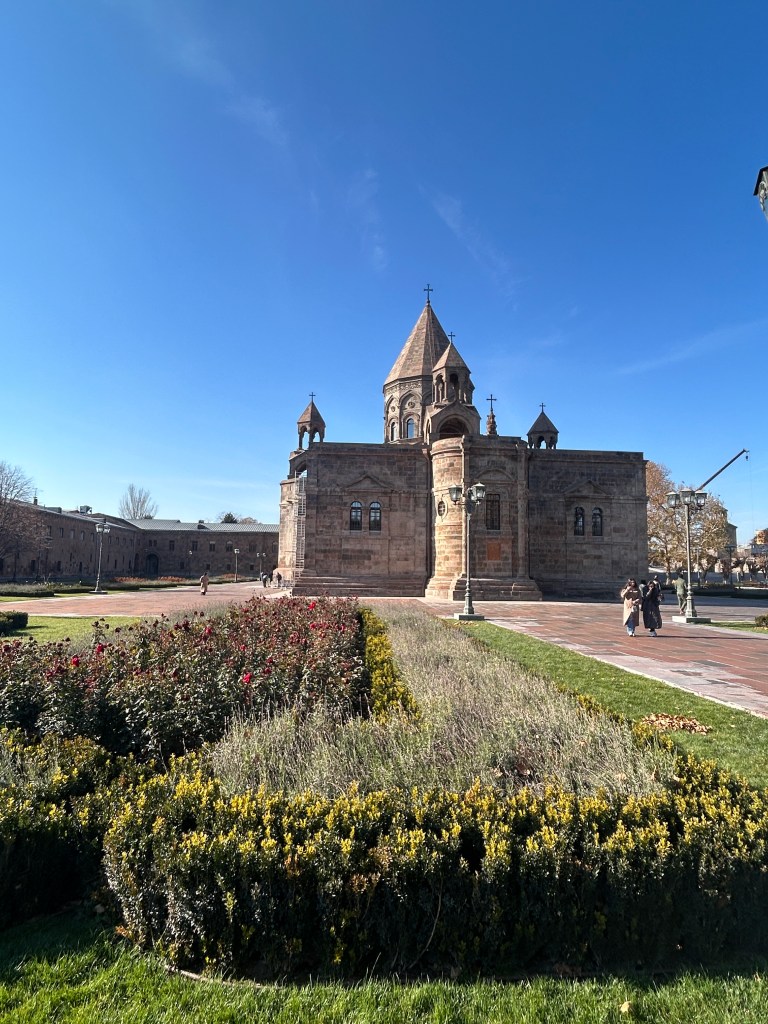
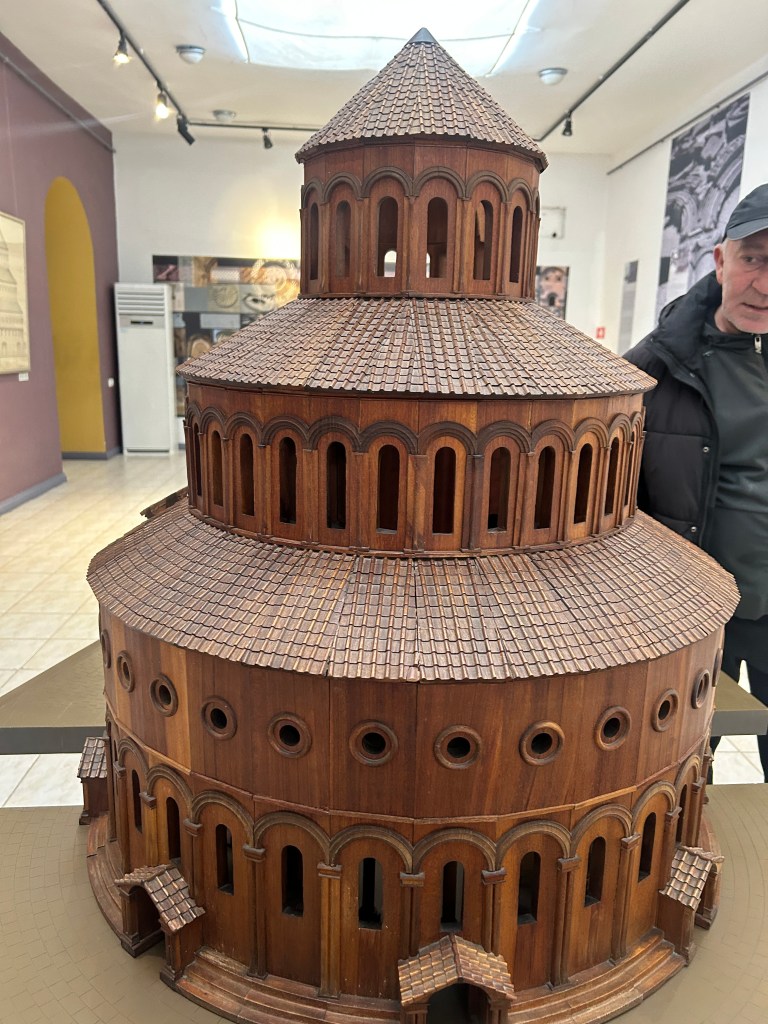
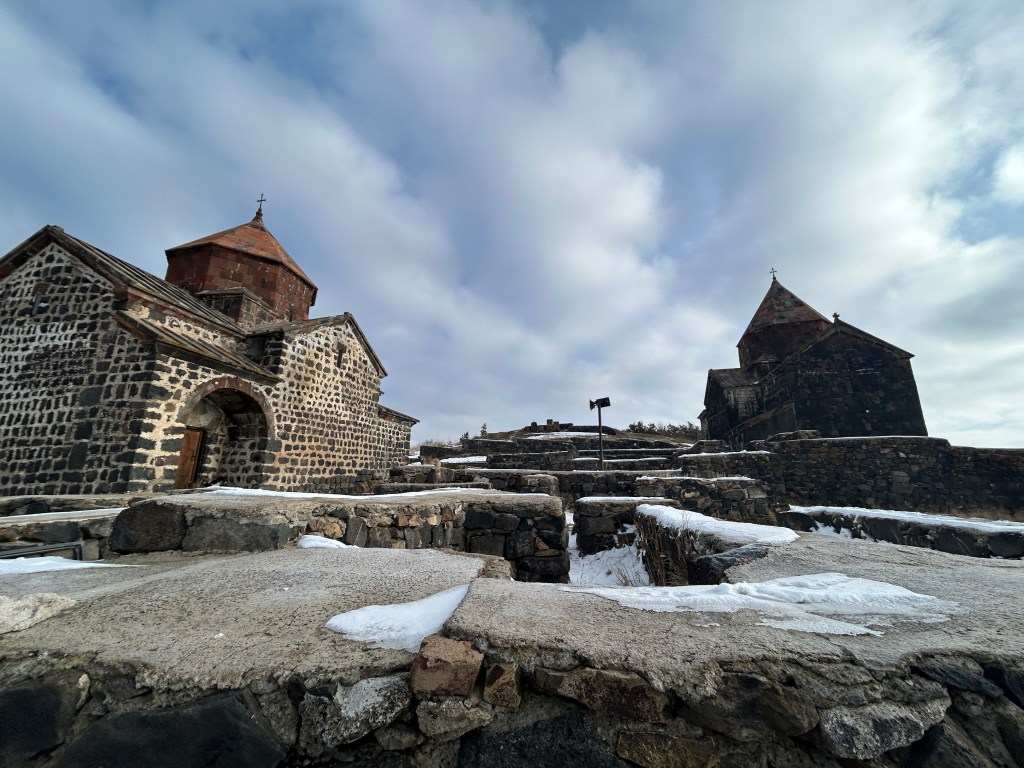
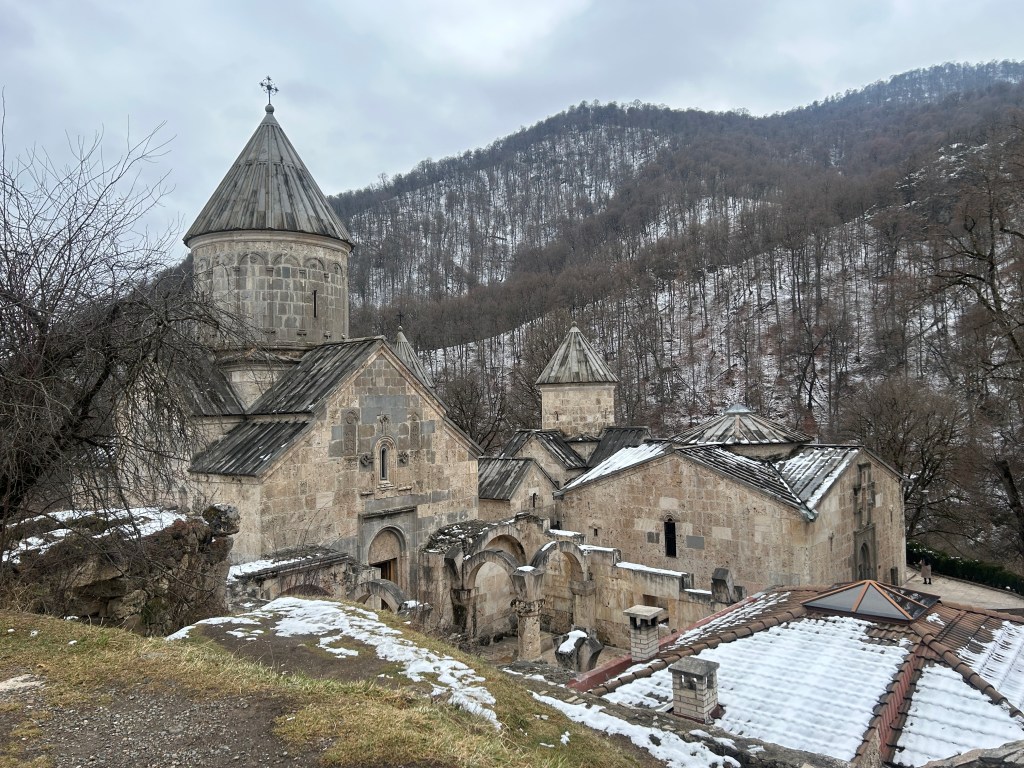
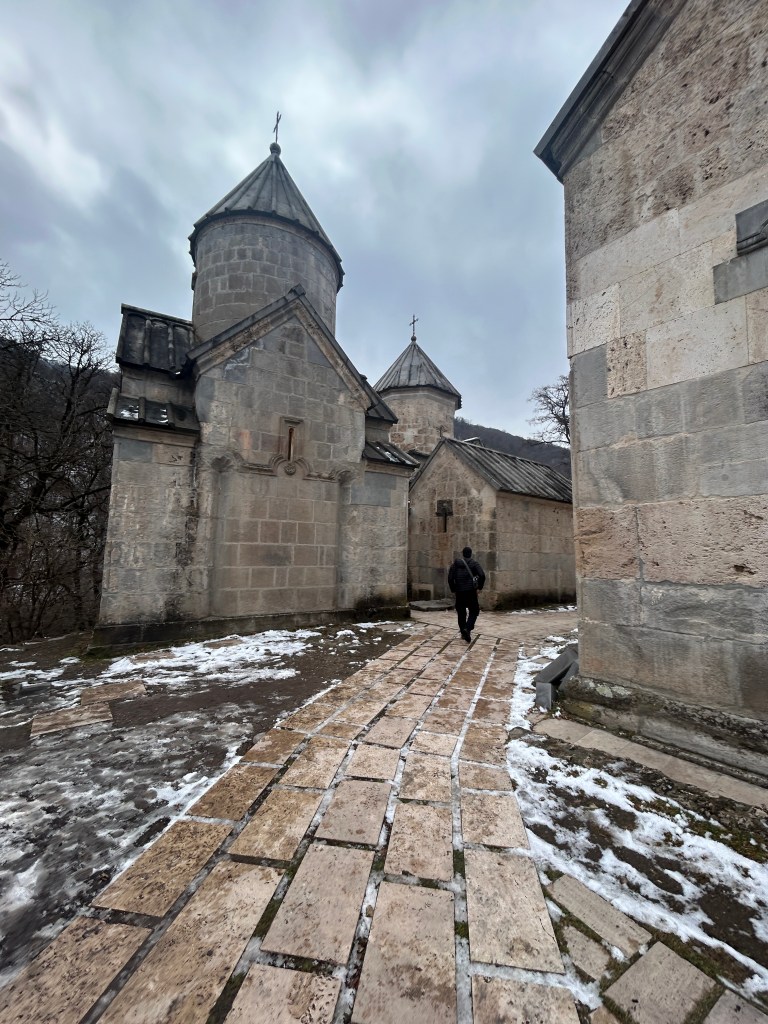
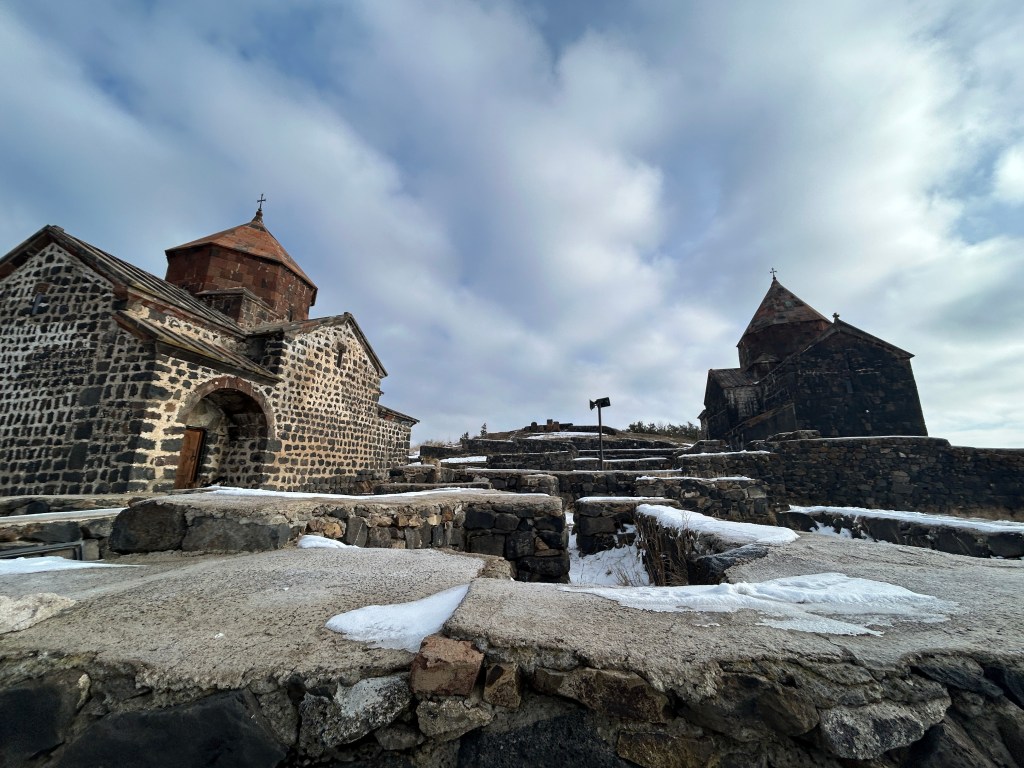
As a consequence of Armenia’s inextricable ties to their faith, a great number of monasteries are physically locations in remote locations either set against a beautiful natural landscape or even blended into them physically. Chapels or other parts of the building are sometimes carved right onto the rock surface. Various architectural elements such as ventilation, acoustics and light are frequently circulated through masterful carvings of openings. These holy buildings also house the distinctive Khachkars (cross stones) which number as many as 50,000 throughout the land. Despite their staggering numbers, each single stone encompasses its own hallmark pattern where no two are alike. Khachkar craftsmanship, as a consequence, is an indispensable legacy transmitted through families or from master to apprentice, teaching traditional methods and patterns, while also encouraging regional distinctiveness and individual improvisation.3
Nature
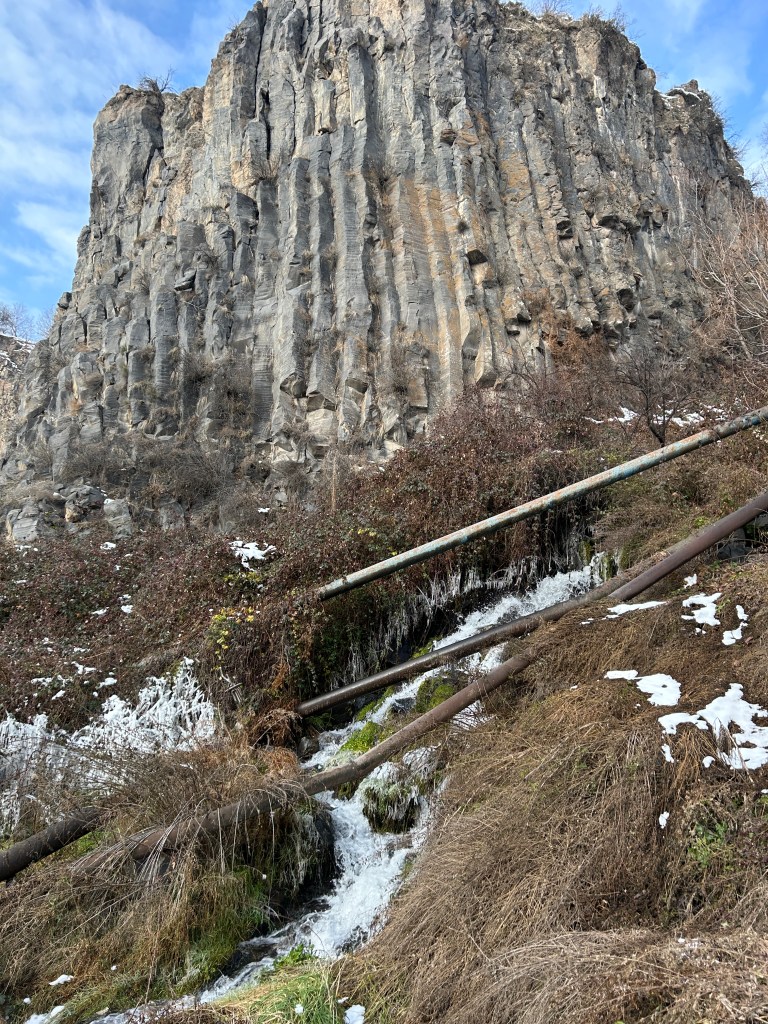
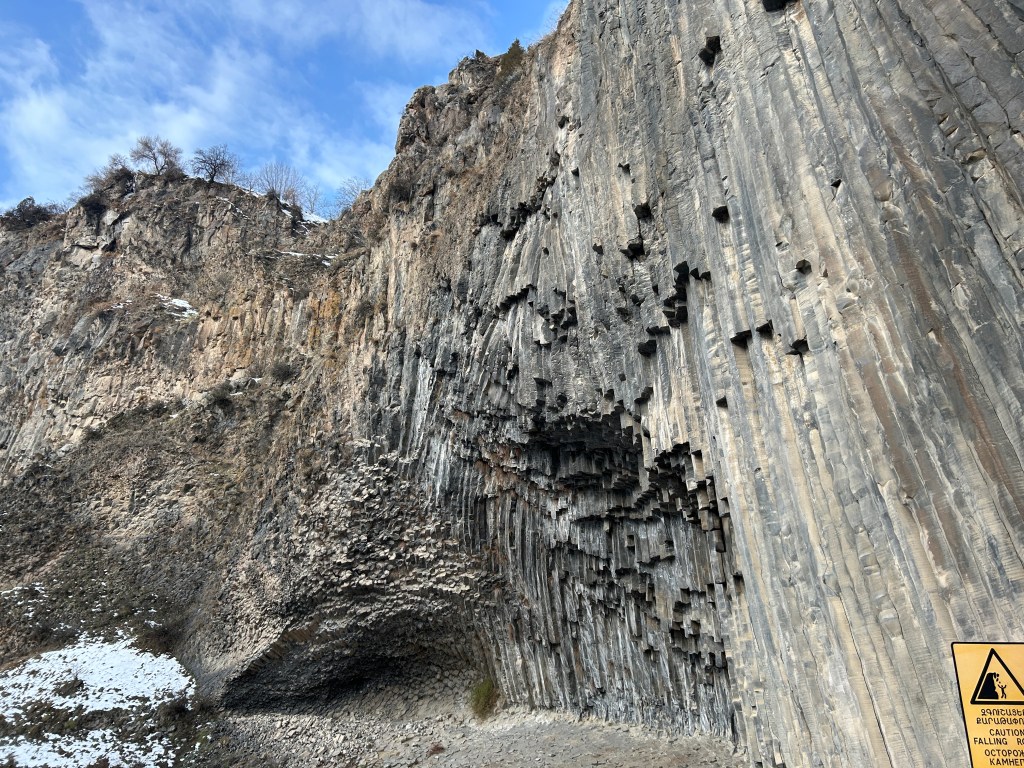
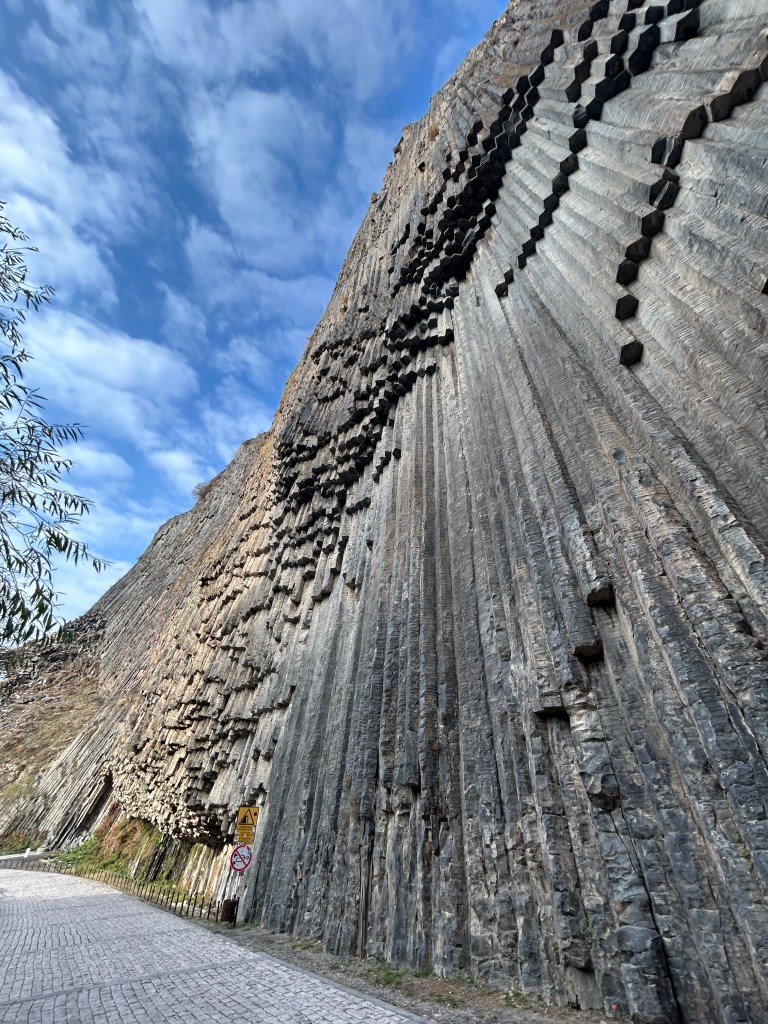
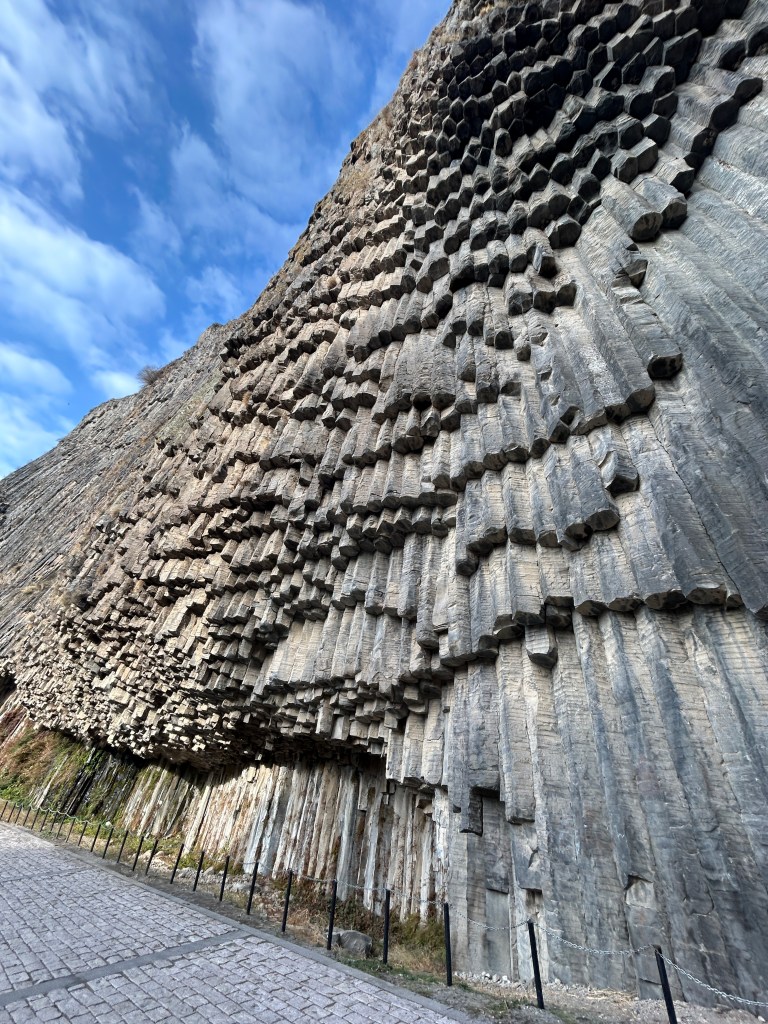
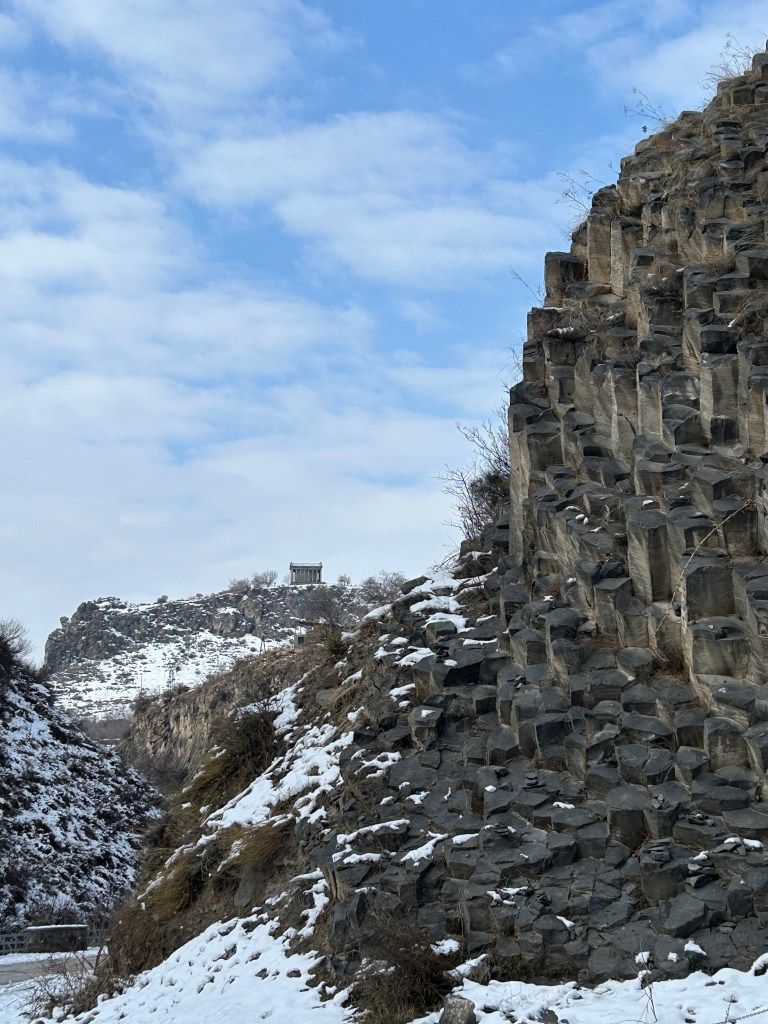
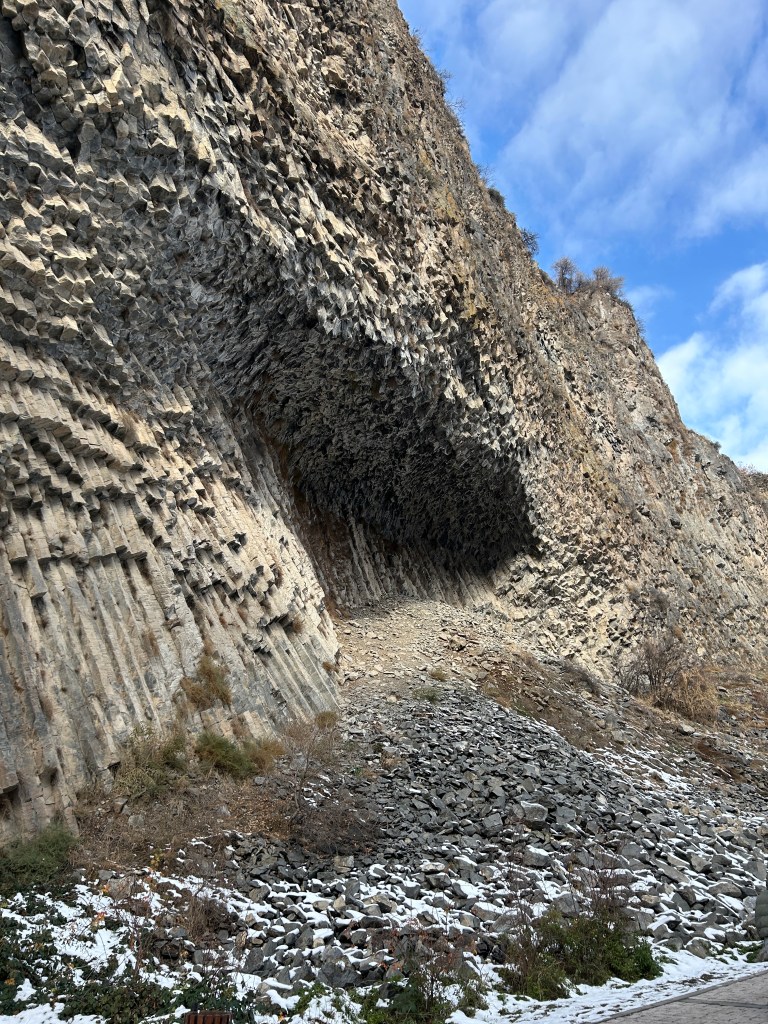

As seen from the monasteries’ integration into natural elements, one would be hard- pressed to be unaffected by the natural astounding beauty that echoes throughout Armenian soil. A prime example is seen in the Symphony of Stones, a captivating natural monument that was formed due to the collapse of the volcanic rocks. These gigantic stones hanging against the gravity resemble an organ, which explains why it is also referred to as “Basalt Organ Pipes”. 4
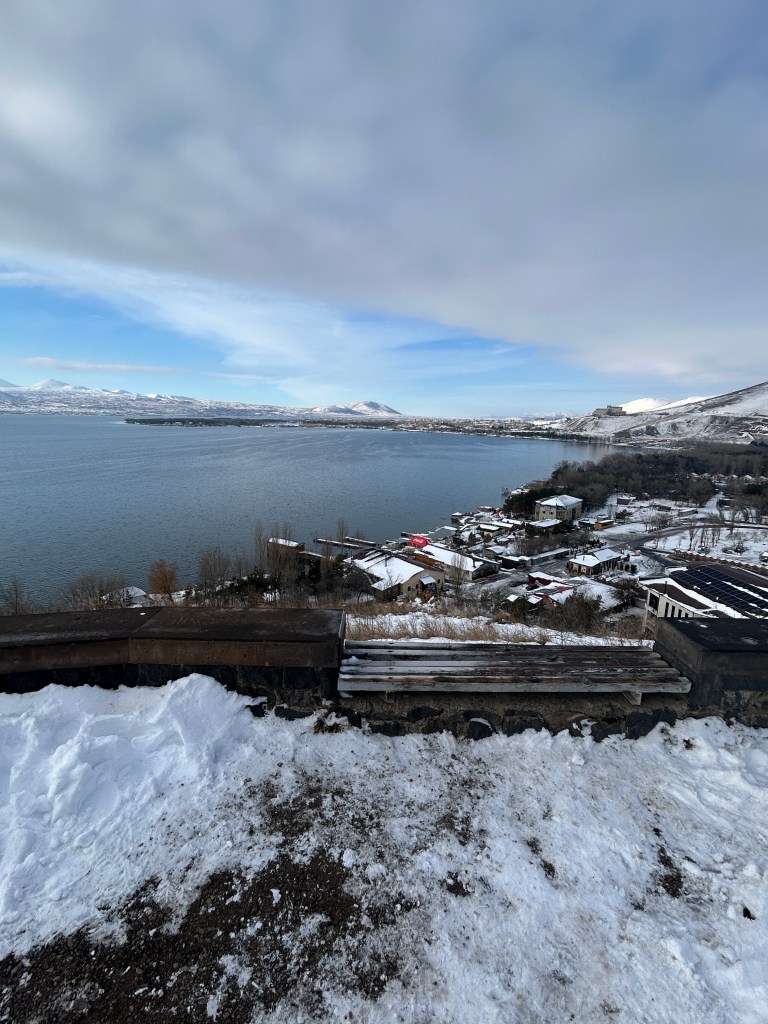
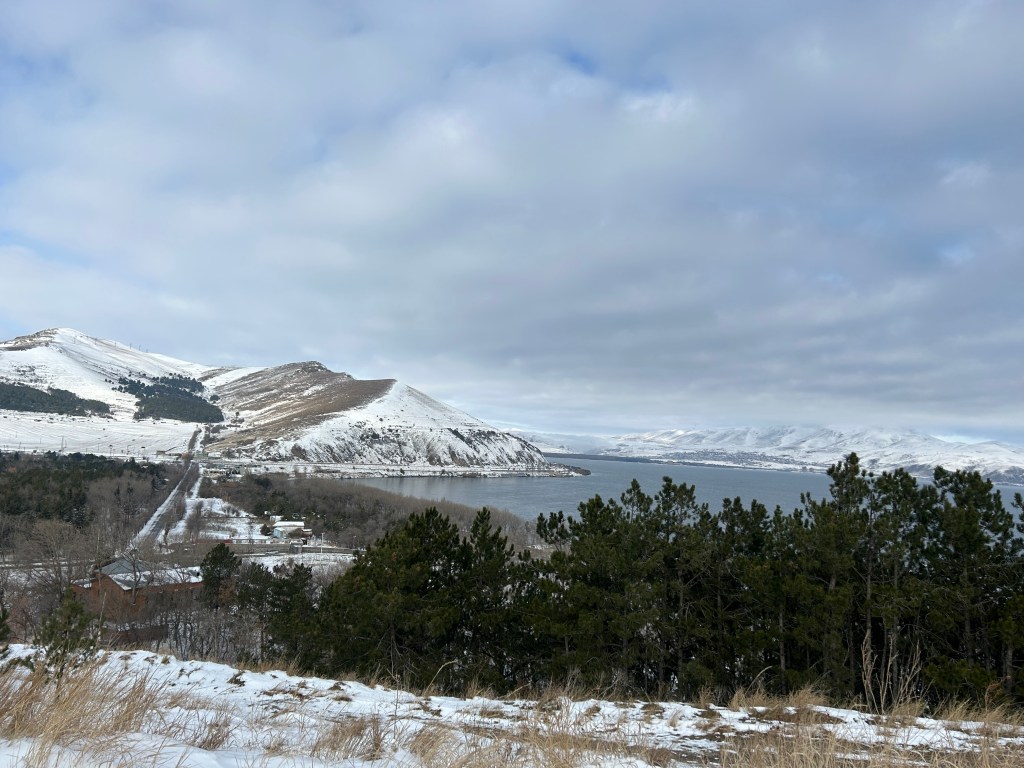
Armenian modern architecture most notably, has mimicked the verticality and alignment of the Symphony of Stones in design elements such as columns, facades, and geometric patterns. This organic monument has also sparked much inspiration in creative types which then subsequently stream into areas of painting, photography, art, music and etc. In a similar vein, Lake Sevan, an ethereal marvel complete with crystalline waters and a vast ecosystem, has been the inspirational wellspring of innumerable masterpieces from generation to generation.
Writing System
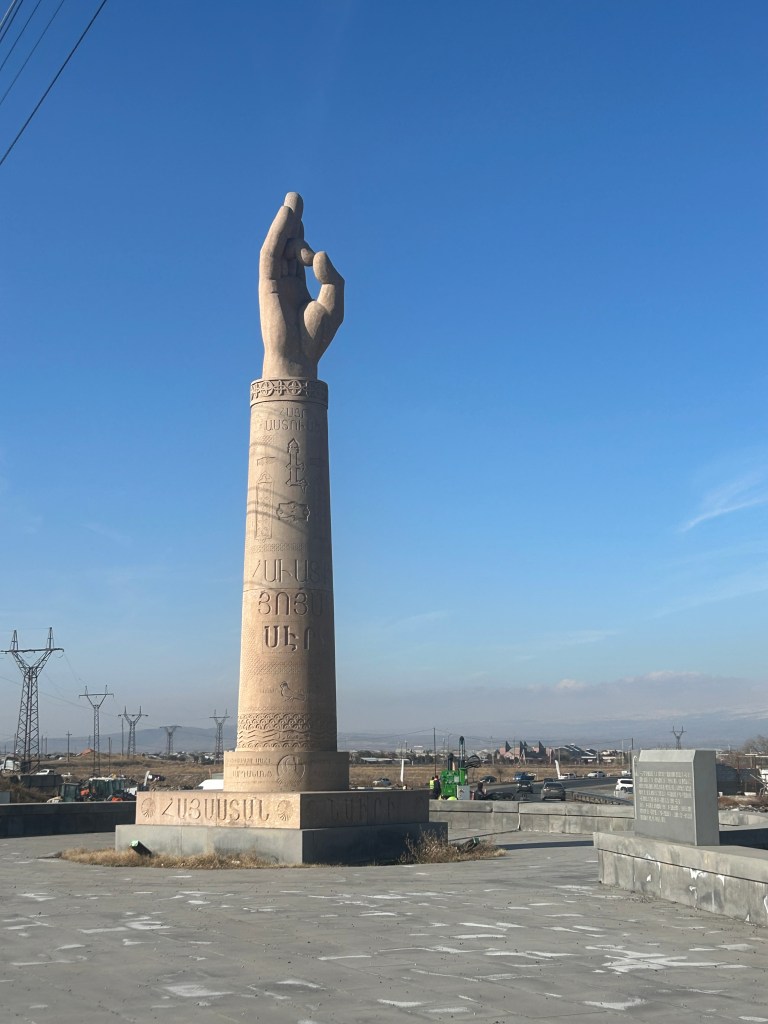
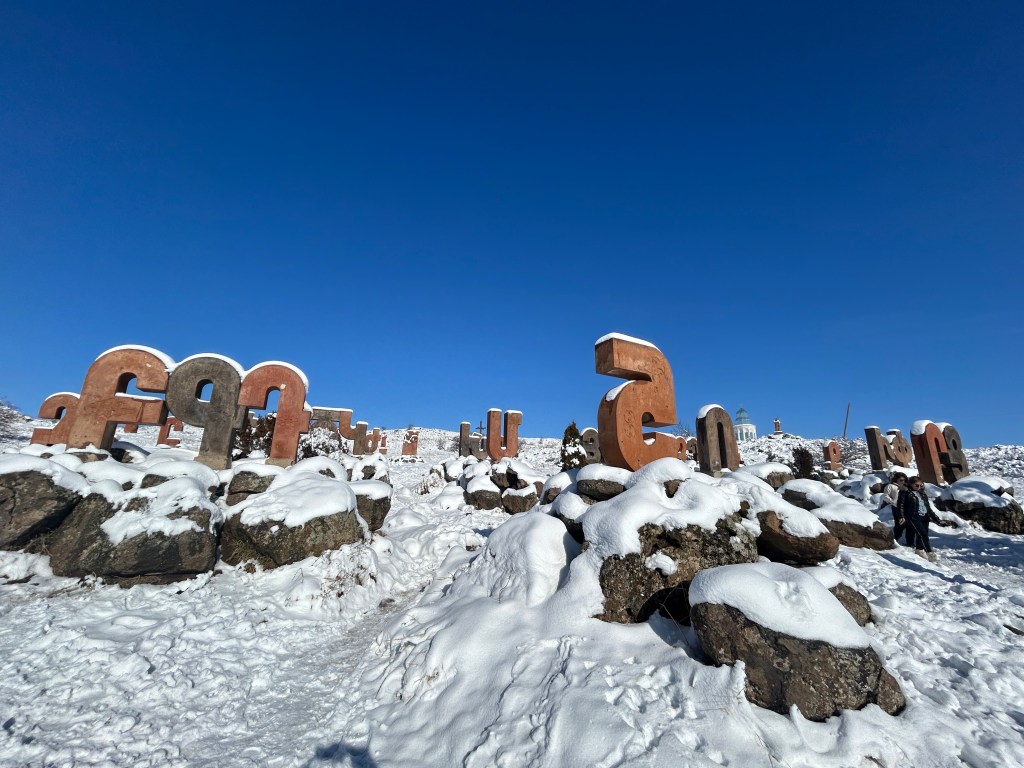
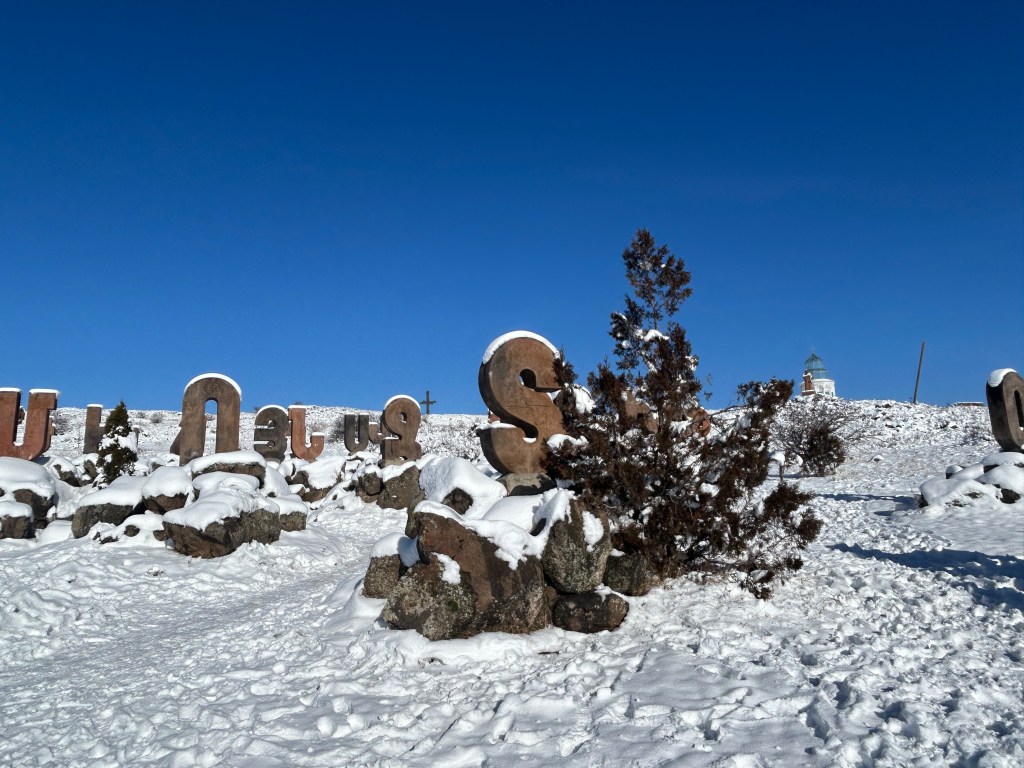
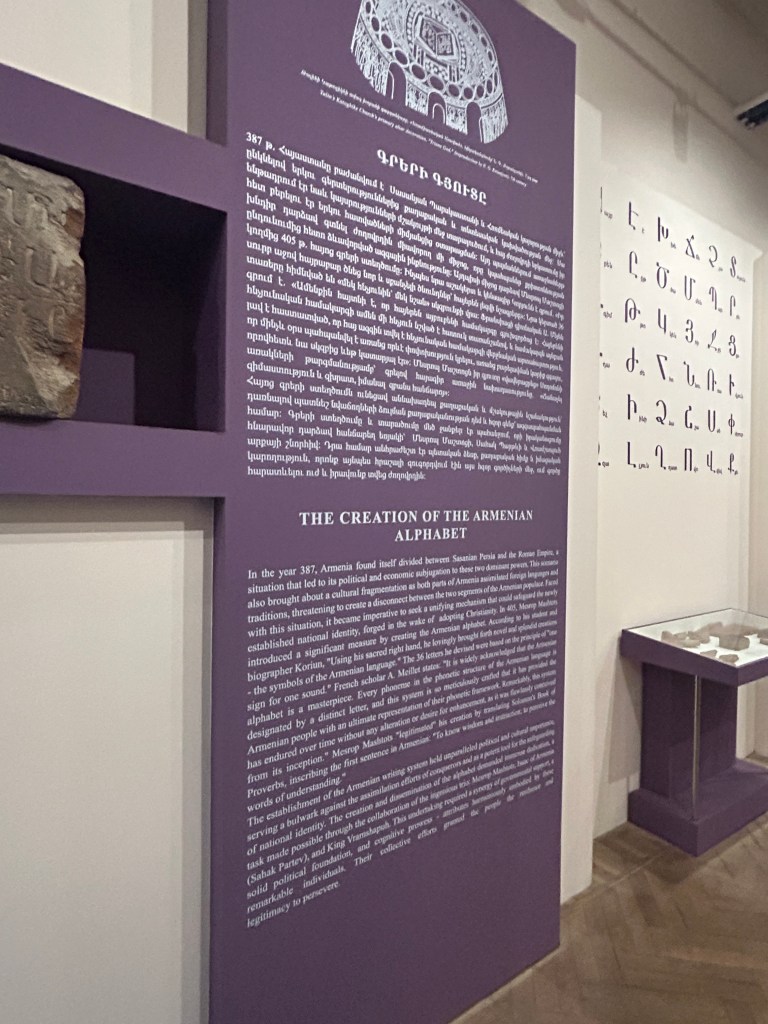
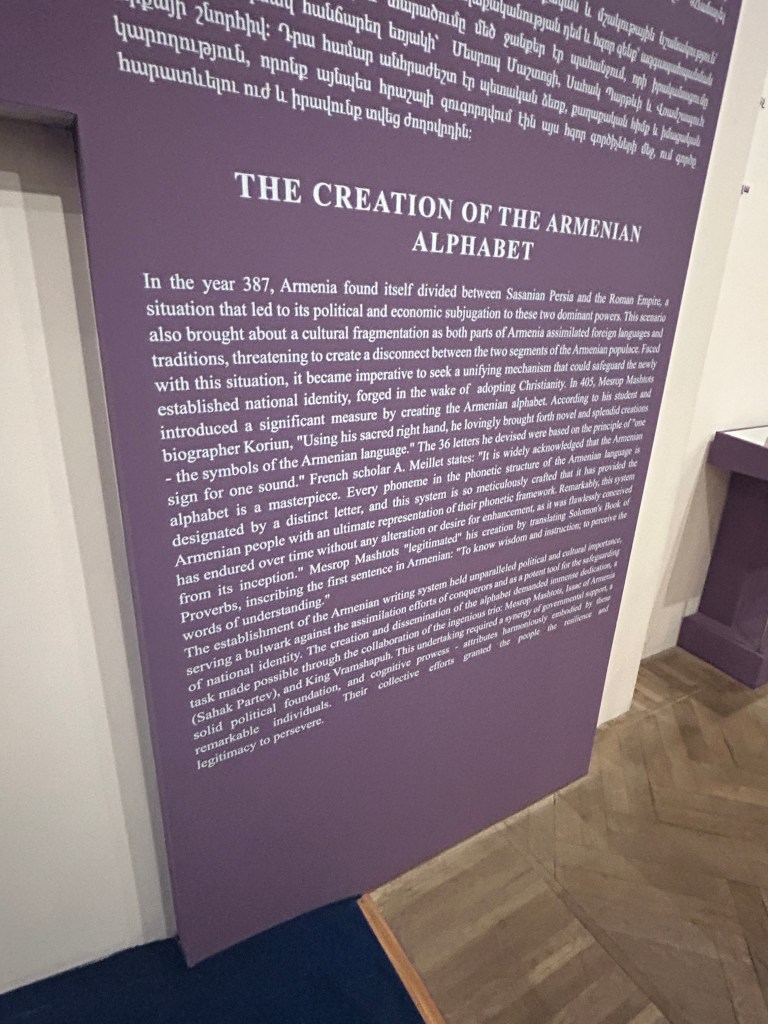
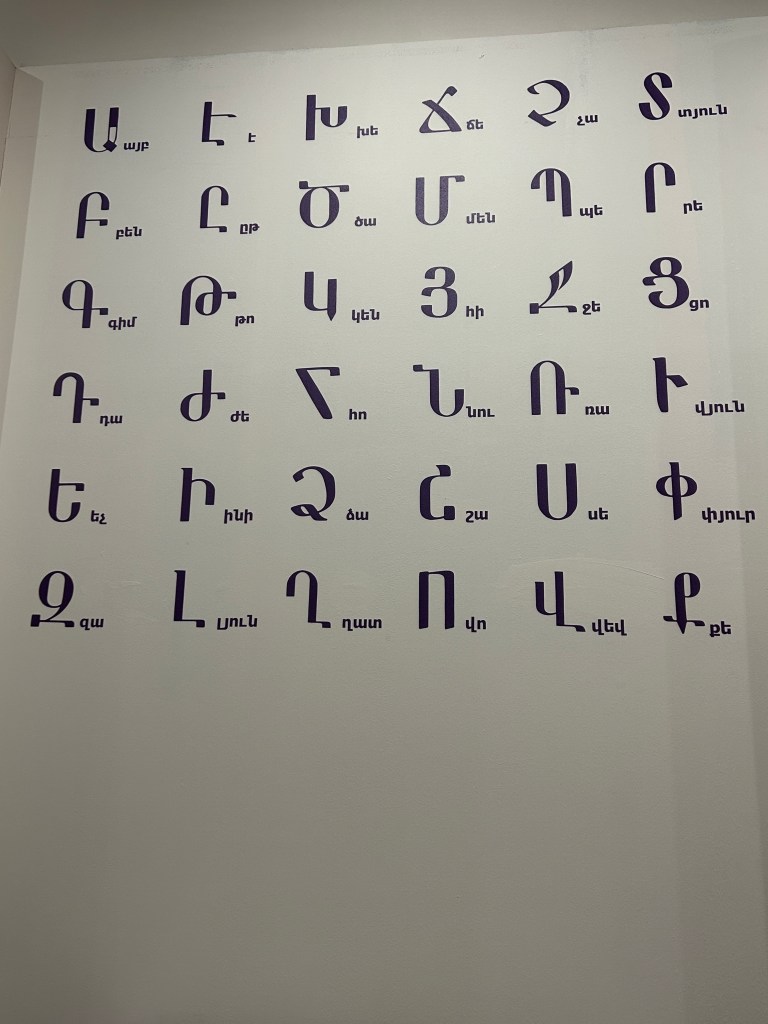
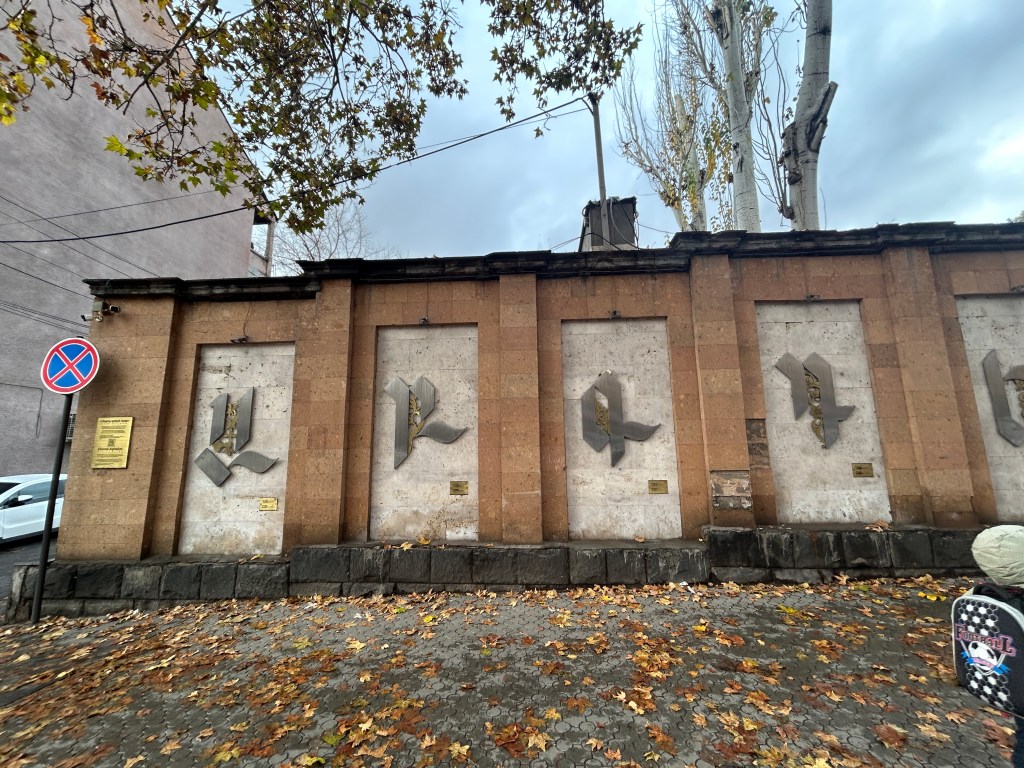
Another highly representative element of Armenian culture lies in their highly idiosyncratic writing system. Since their invention in AD 405, these letters have not only served their key function to record and communicate, but also function as numbers, cryptographs, riddles and handicraft patterns in folk art. Indeed, artists, carpet weavers, embroiderers, sculptors, linguists, calligraphists, jewellers also frequently feature these thirty nine letters as design elements .5 I, for one, have never seen a writing system so celebrated and integrated into so many aspects of art and society.

As the Armenian proverb says , the man who lives the longest is not as wise as the man who has travelled the most. I am not the wisest nor the most travelled, but I can safely say that I am just that little bit more knowledgeable about Armenia, which is in my opinion, one of the best kept secrets in the world. I have barely scrapped the surface, and this is my humble attempt at a broad introduction which is only a drop in the vast ocean of Armenian heritage, culture, history and art. I invite you, my readers to dive in and go on this quest to uncover a fascinatingly rich and vast culture that will definitely not disappoint!
 writingaboutpaintings
Leave a comment