Most people already know of Ancient Greece’s monumental contribution to mankind in terms of philosophy, arts, language, mathematics and politics just to name a few. As a nerd who is more linguistically gifted and into arts and history, science was never my thing but during my latest vacation in the Hellenic Republic, I stumbled upon this quaint museum that absolutely blew me away. Featuring exhibits from 2000 BC until the end of antiquity, this place highlights Greece’s contribution to the field of science and technology as well as their similarity with modern inventions of today. I was so impressed about this place and went home raving about it to my colleagues. A colleague was so fascinated by what I was sharing, she told me I had just gone for an enriching learning journey. She was right on the money. As Socrates once famously said that ‘education is not the filling of a vessel but the kindling of a flame’. My flame was kindled through several aspects of the positive museum experience. They are as follows.
1) Very well-organised and ‘digestible”.
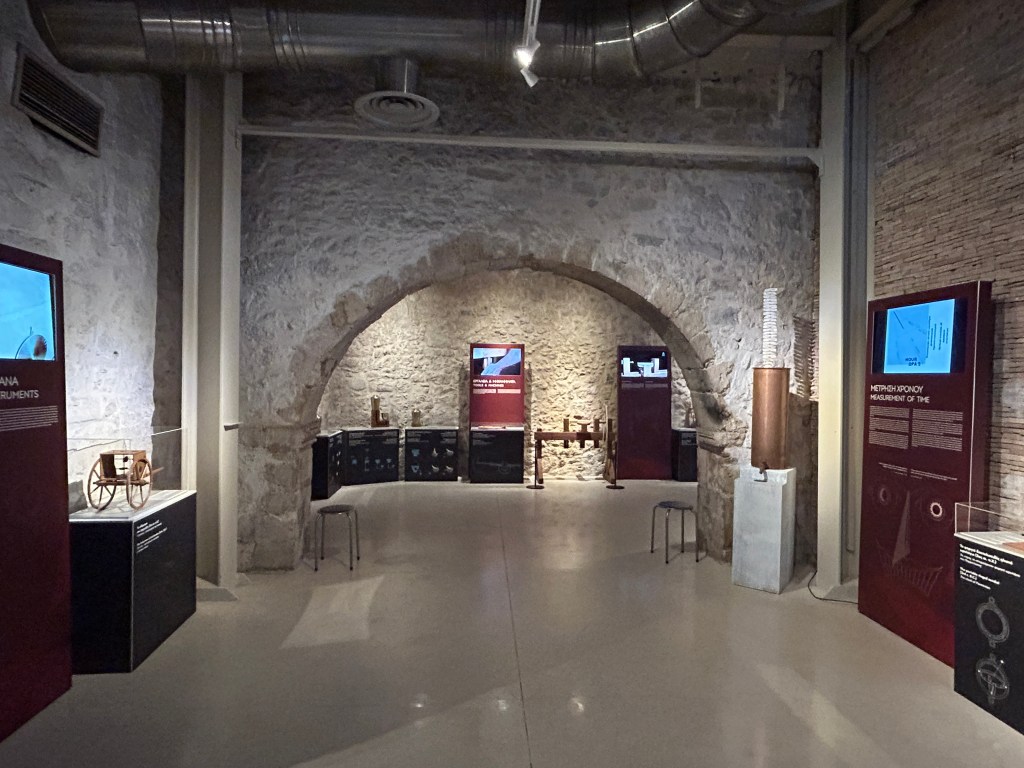
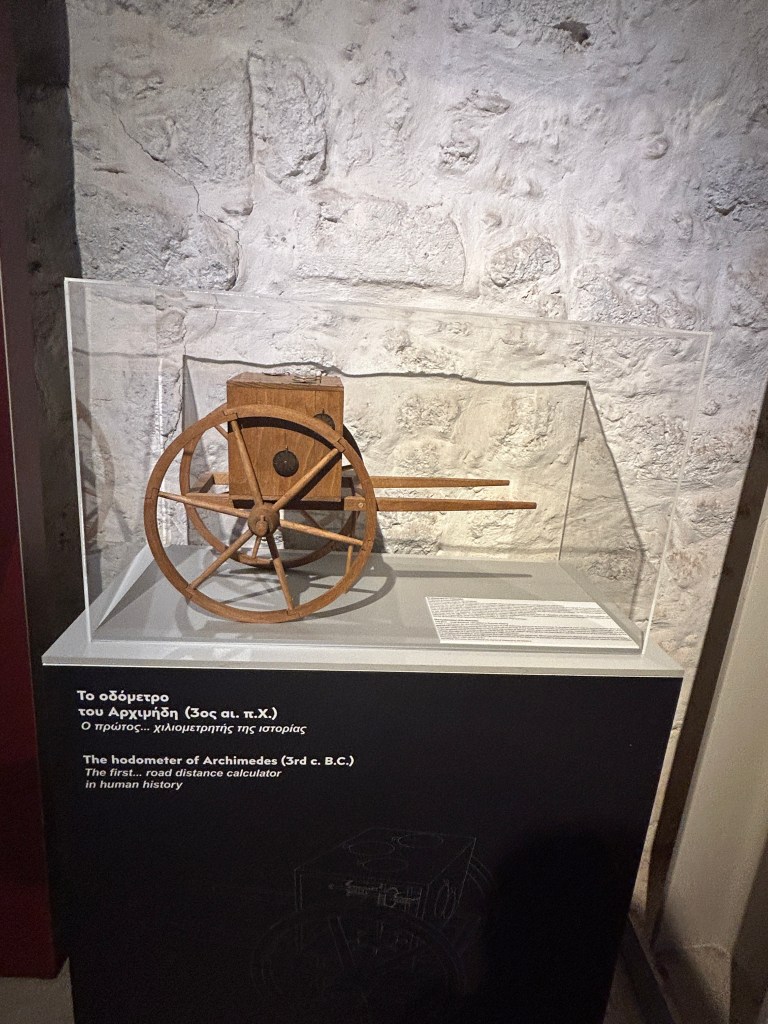
Museums were designed as a place of contemplation for the Ancient Greeks. Some places give the very opposite effect through the lack of organisation or by the sheer volume of the exhibit. Kostas Kotsanas was well-organised and had just the right amount items to engage my interest and whet my sense of curiosity.The items were non- repetitive in terms of each category of life and were greatly unique in their own way. Items belonging to athletic, military, naval, theatre, religious and everyday innovations were all representative of each section they fell respectively under.
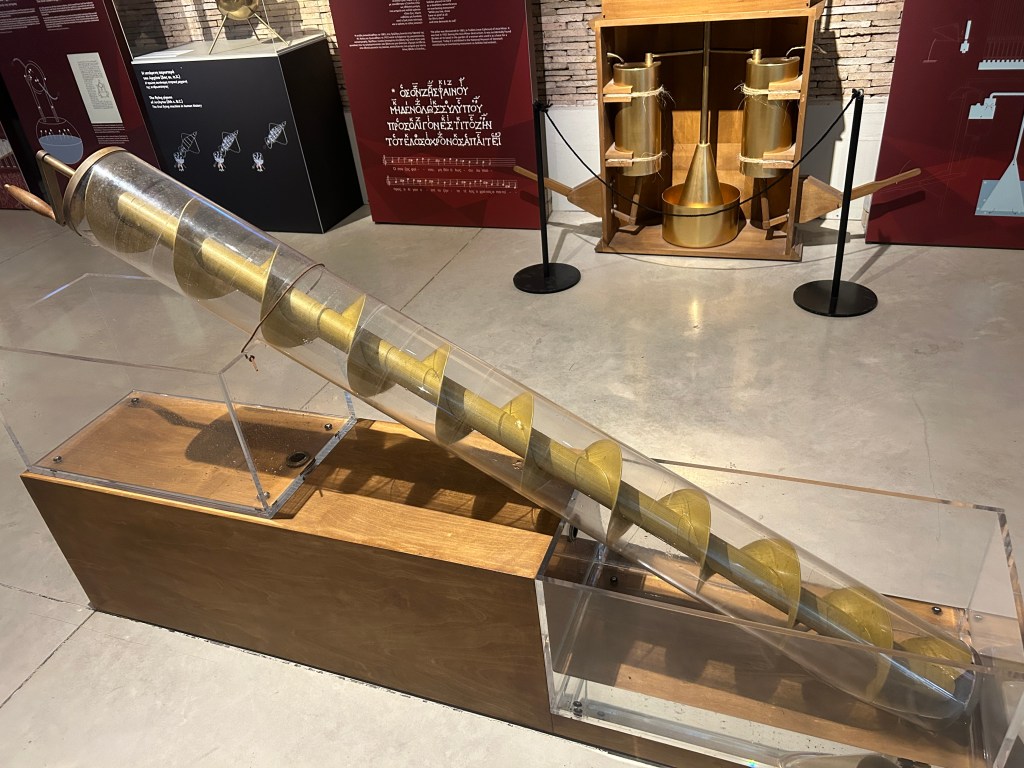
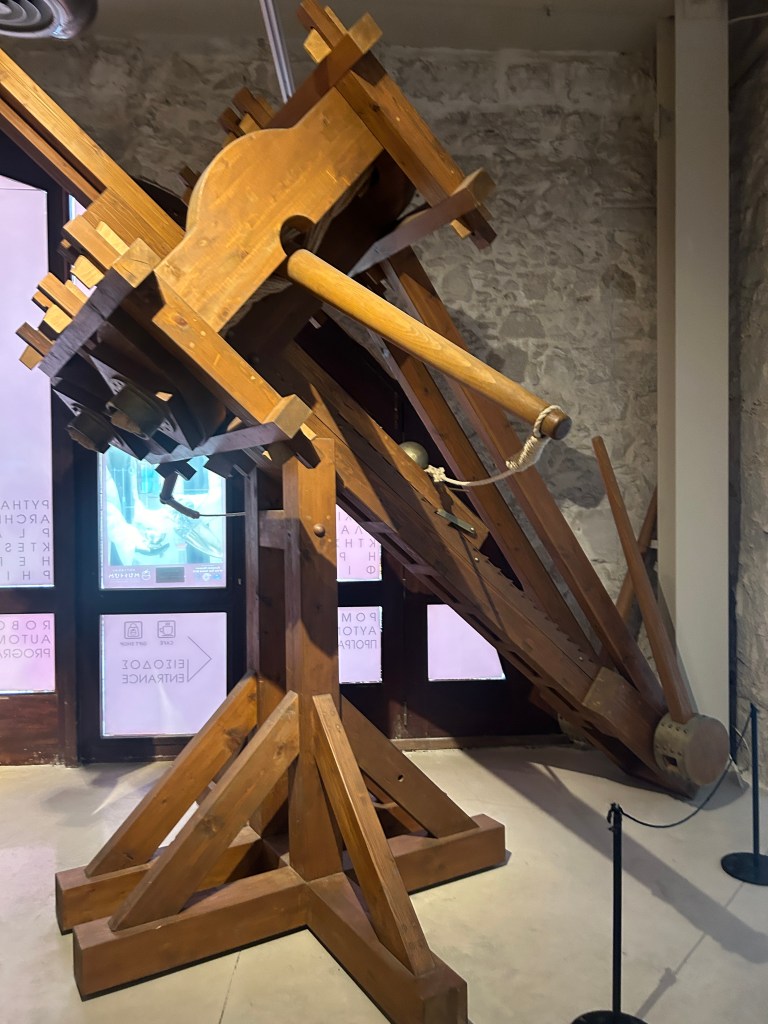
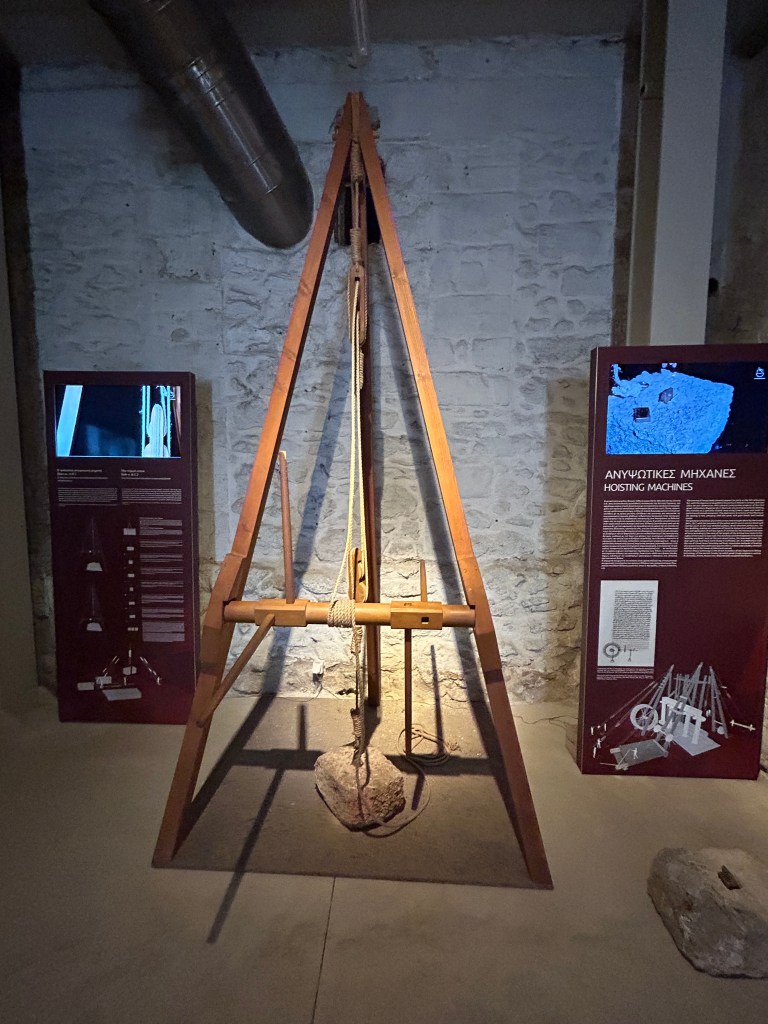
2)Live demonstrations.
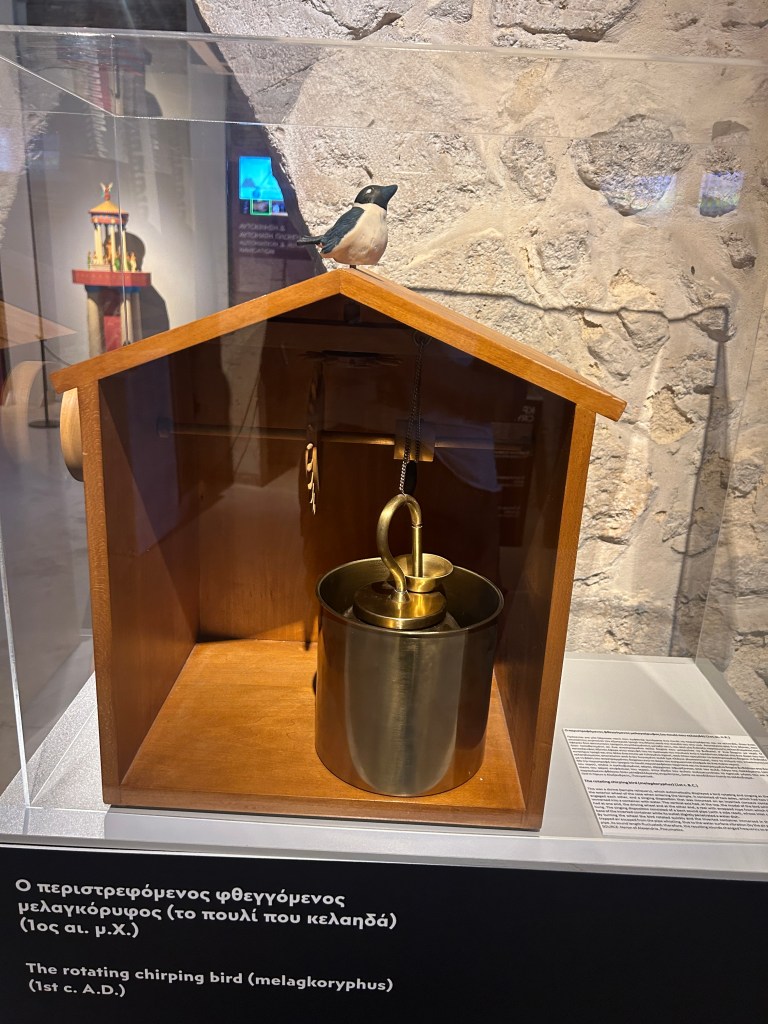
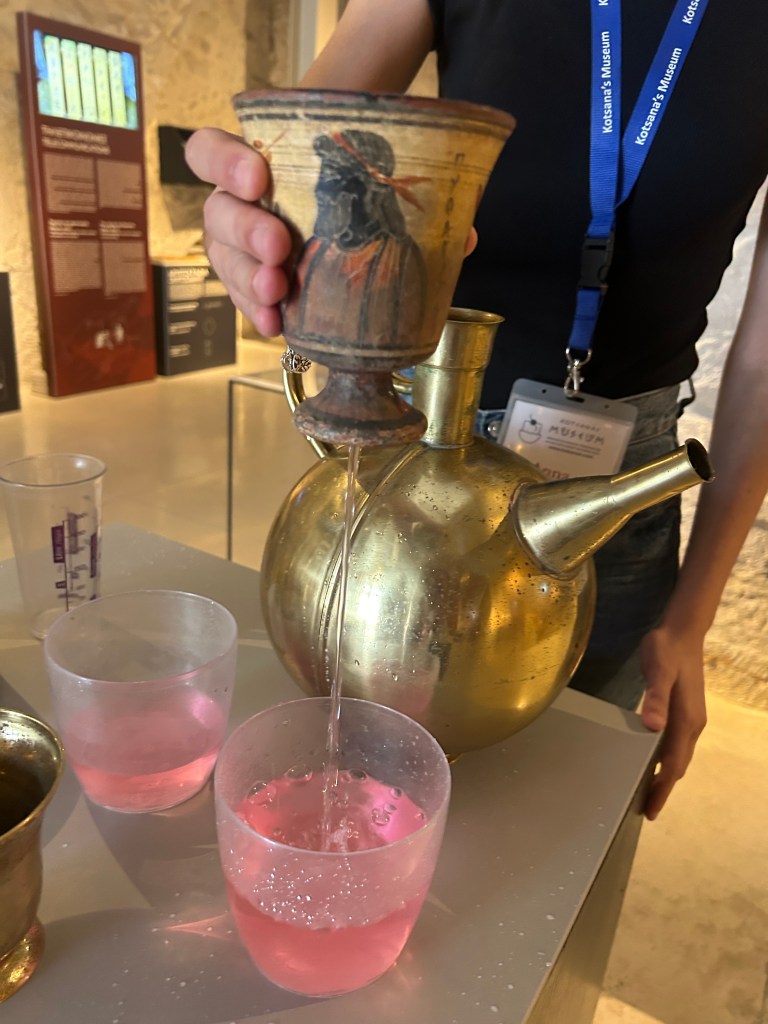
A pretty young Greek lady very politely approached me and asked me if I wanted to watch a demonstration. Of course I said yes. Worth a mention is what I call the Chalice of Moderation. Ancient Greek philosophy promoted that ‘everything in moderation’ was the way to go. Sounds familiar? That is because we still preach that today. Somewhere in the vessel, there was a demarcation where if one poured over that point, he or she would officially step into the excess. The gods would mete out their punishment by letting all the content fall out into the middle as can be seen in the image below.
3) Interactive and clear information presented through videos and clearly worded descriptions.
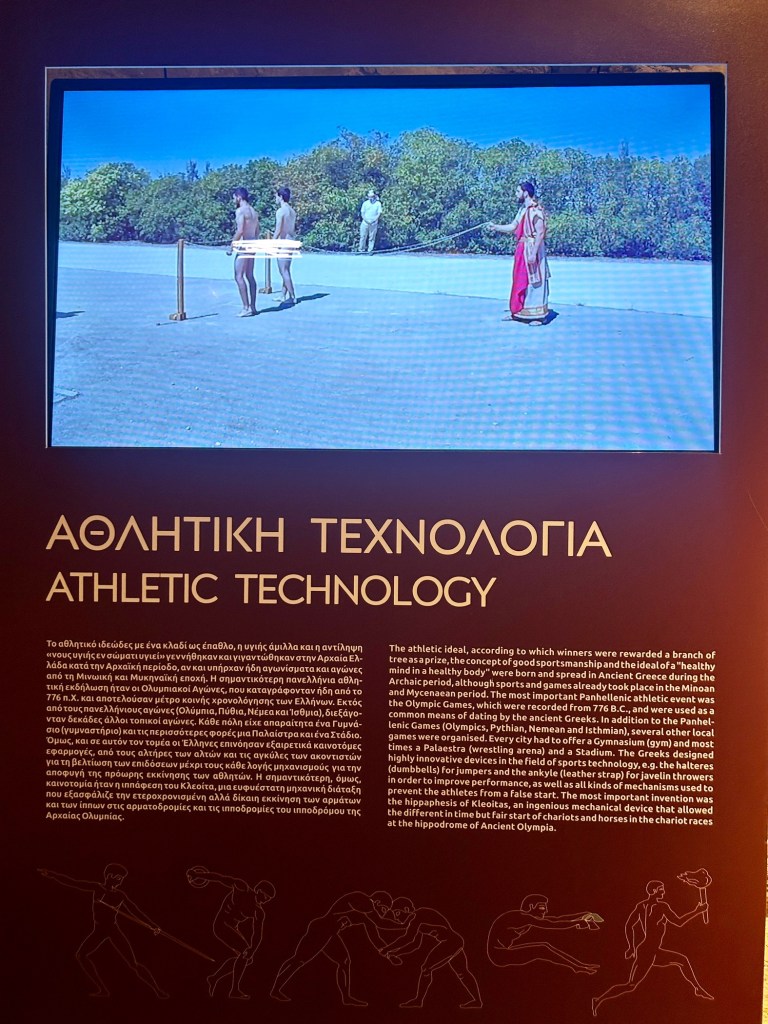
Each exhibit was accompanied by a video explanation as well as text description. The videos were very useful to understand and comprehend the science involved. While I was recording a video of the demonstration, a member of stuff told me I could look up some of the videos I was recording on Youtube. This was very useful when I returned home and was explaining to my friends about certain exhibits in this wonderful museum. Together we all marvelled at the crazy level of technology that existed back then ages ago.
4) Exceedingly interesting exhibits.
Robots
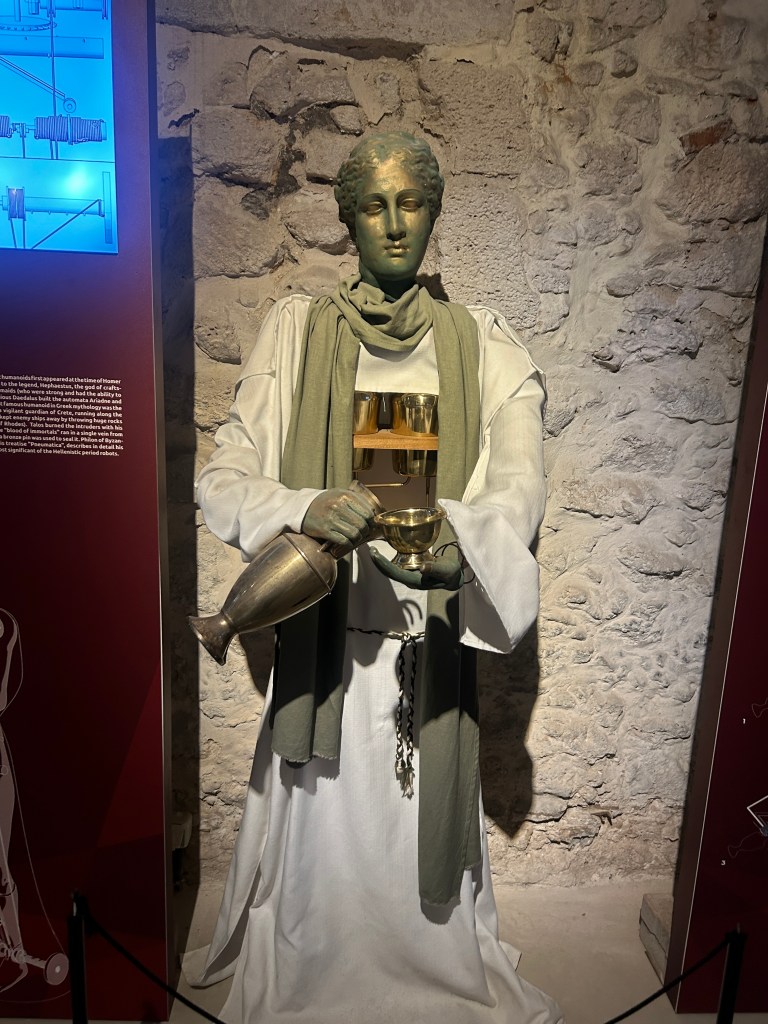
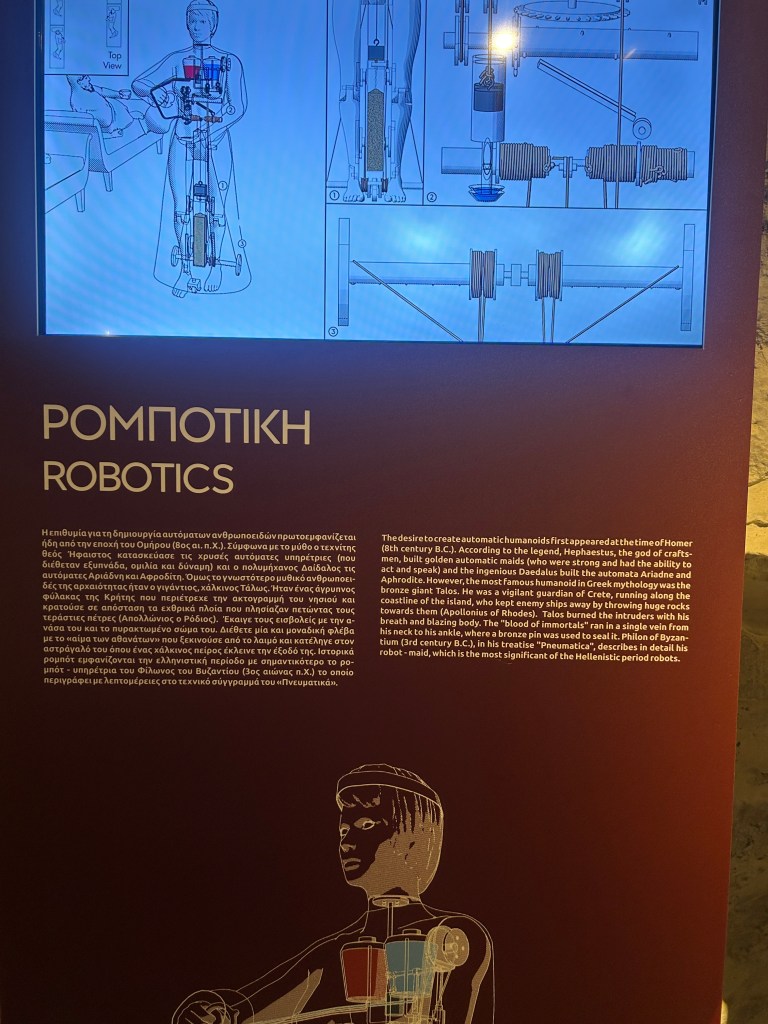
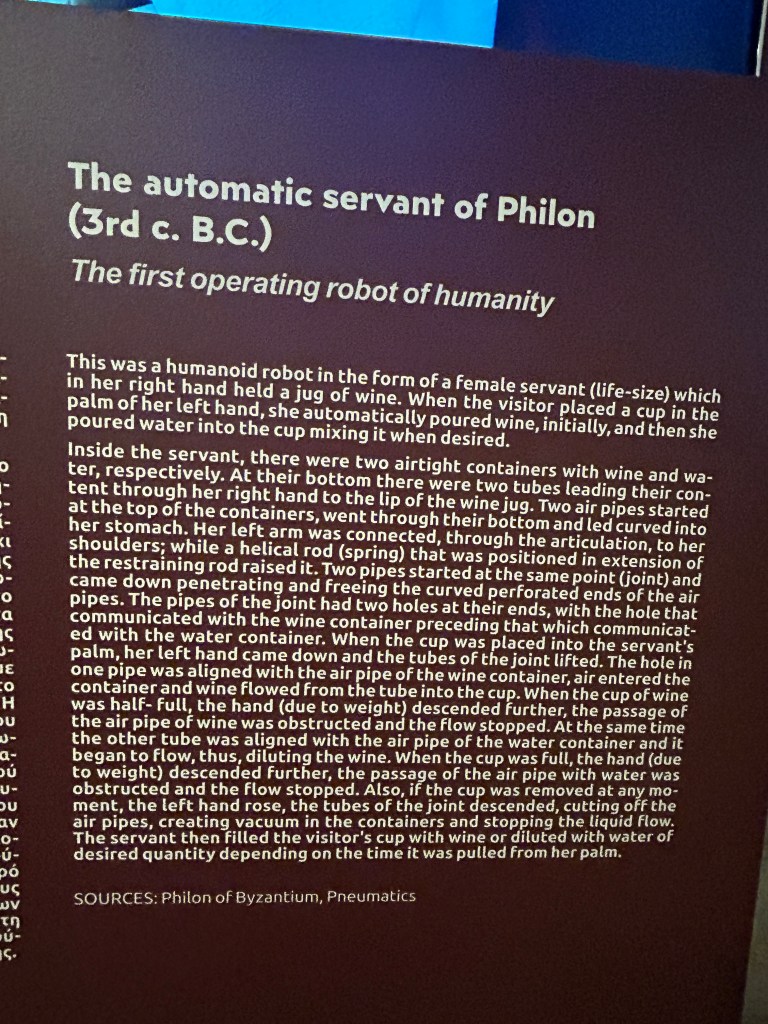
Did you know that the first robot in the world was found in Ancient Greece? The Automatic Servant of Philon from the 3rd Century B.C. acts as a waitress pouring wine for her masters. One even has a choice of either red or white depending on the mood of the day. Move over Japan, you are not the first people who dreamt up robot waitresses.
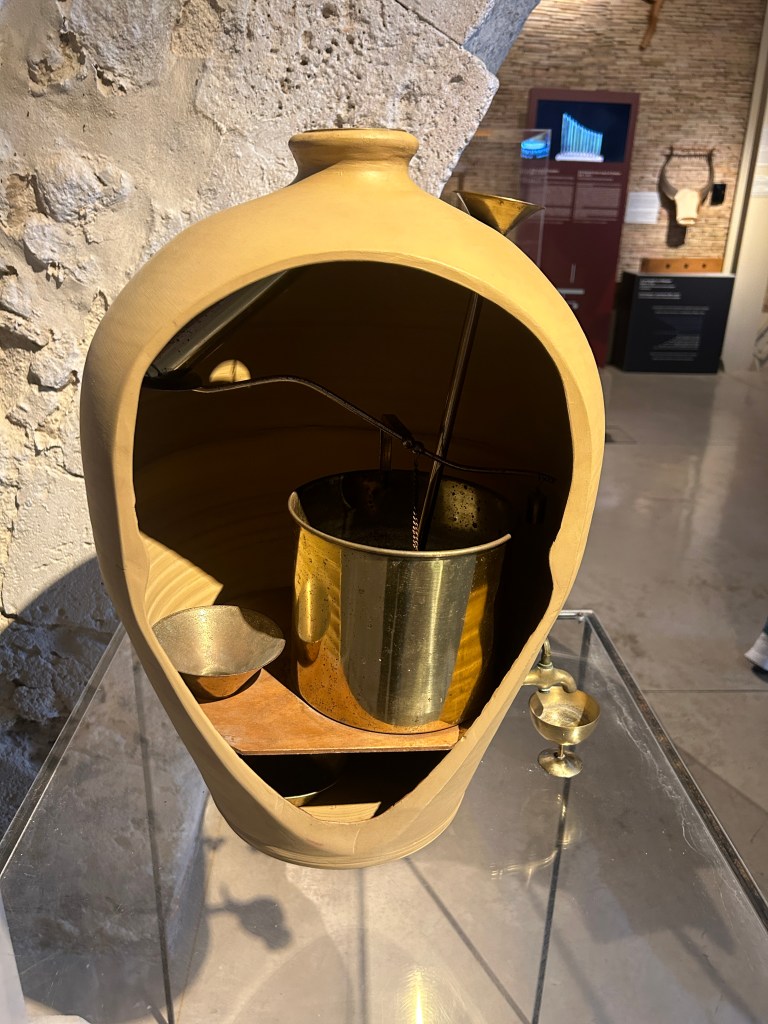
First vending machine ever.
This gadget dispenses holy water once a coin is inserted.
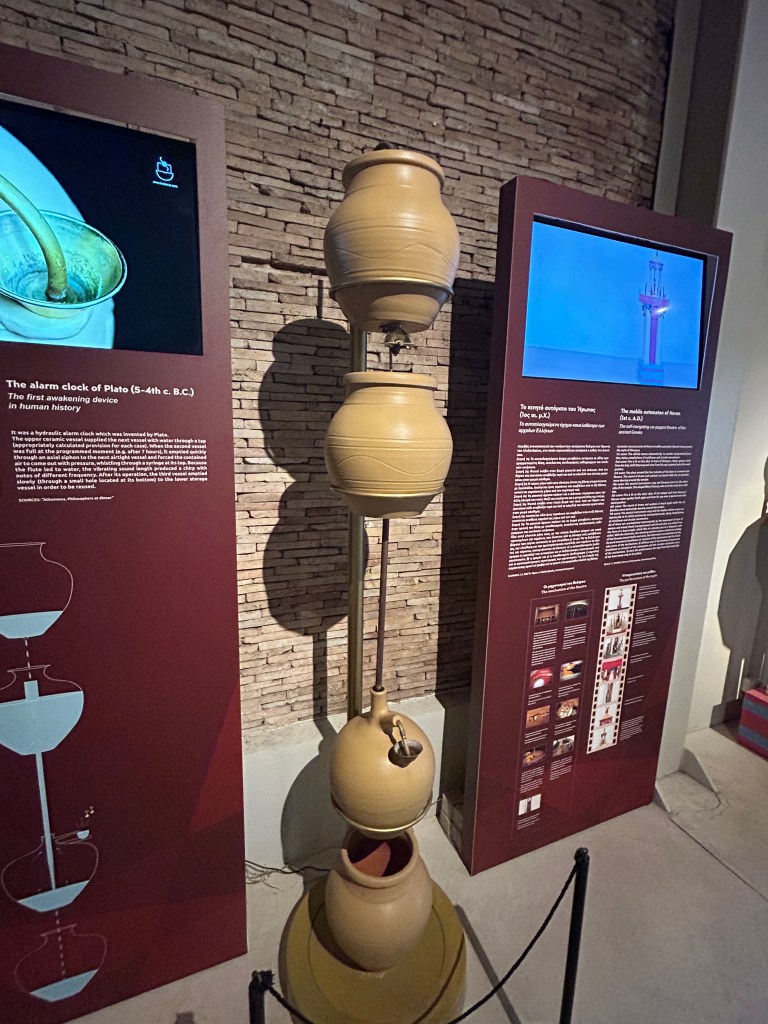
The hydraulic alarm clock of Plato. Probably useful for someone used to snoozing.
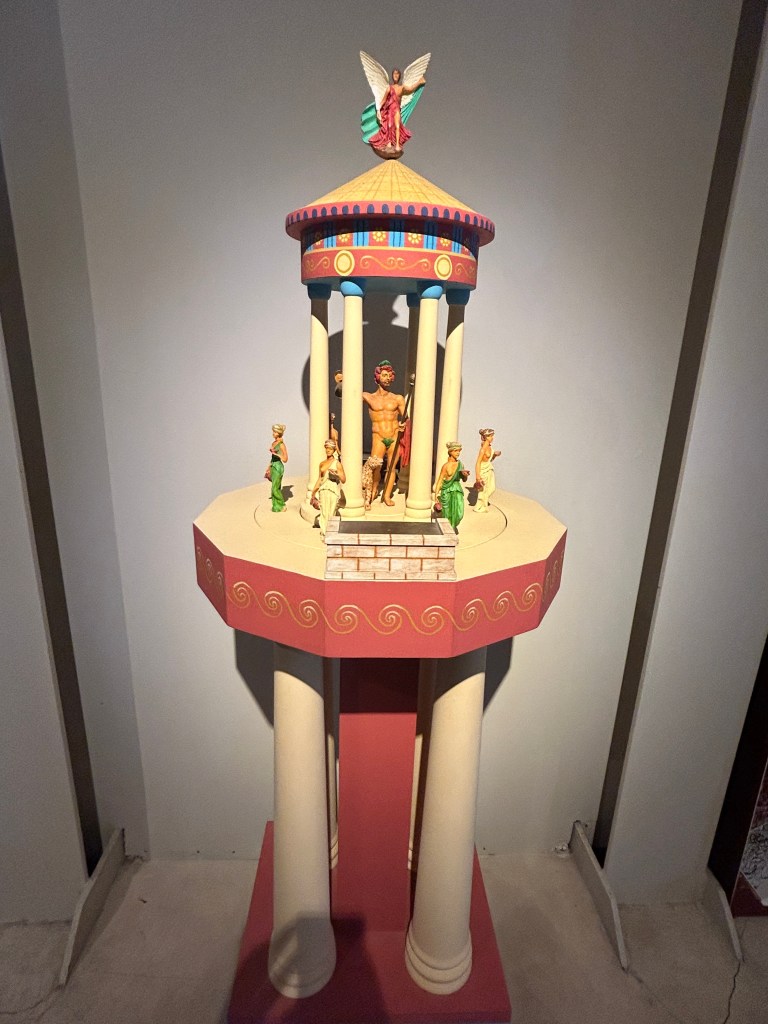
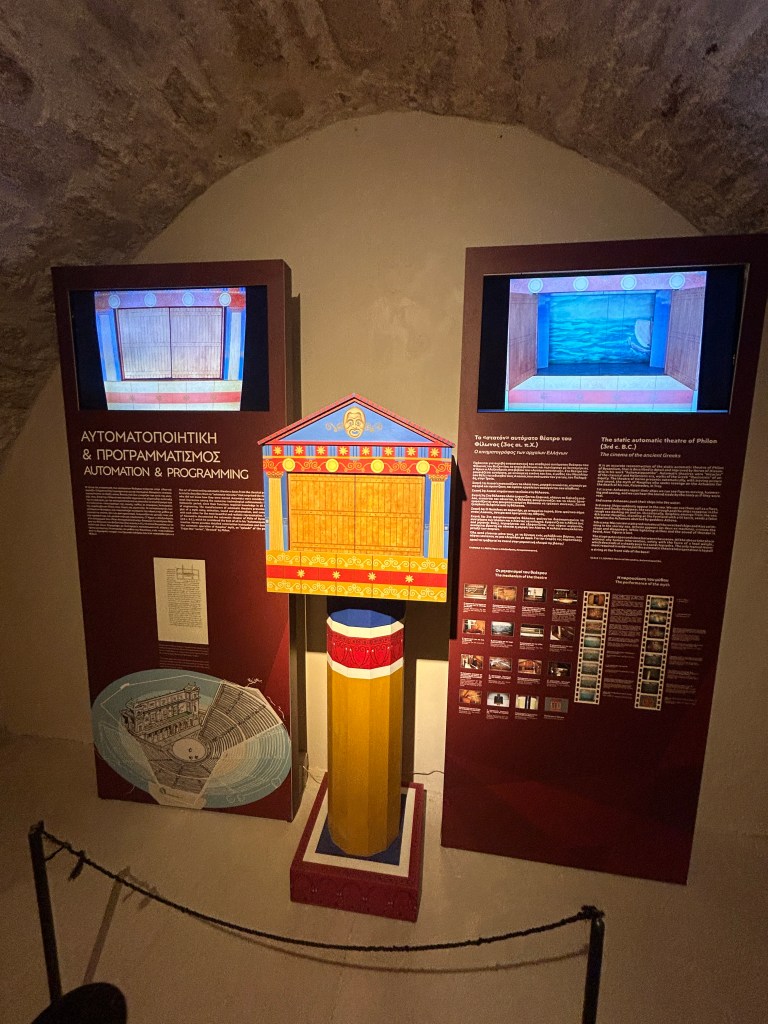
The Automatic Theatre of Philon where the show would be self-run.
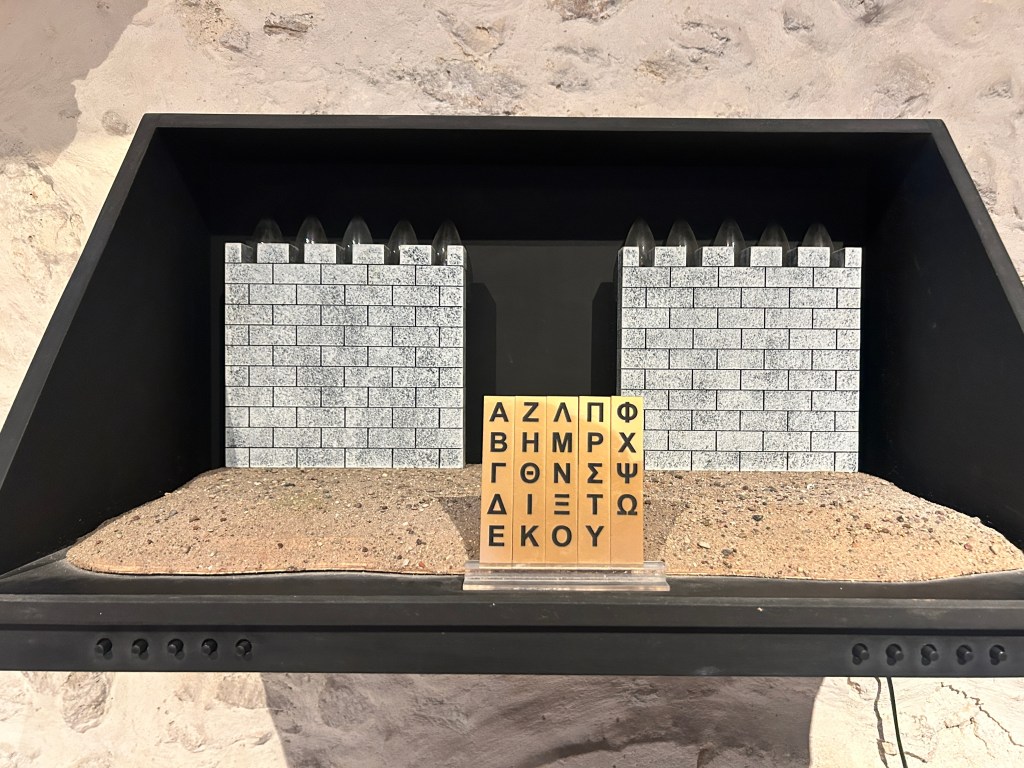
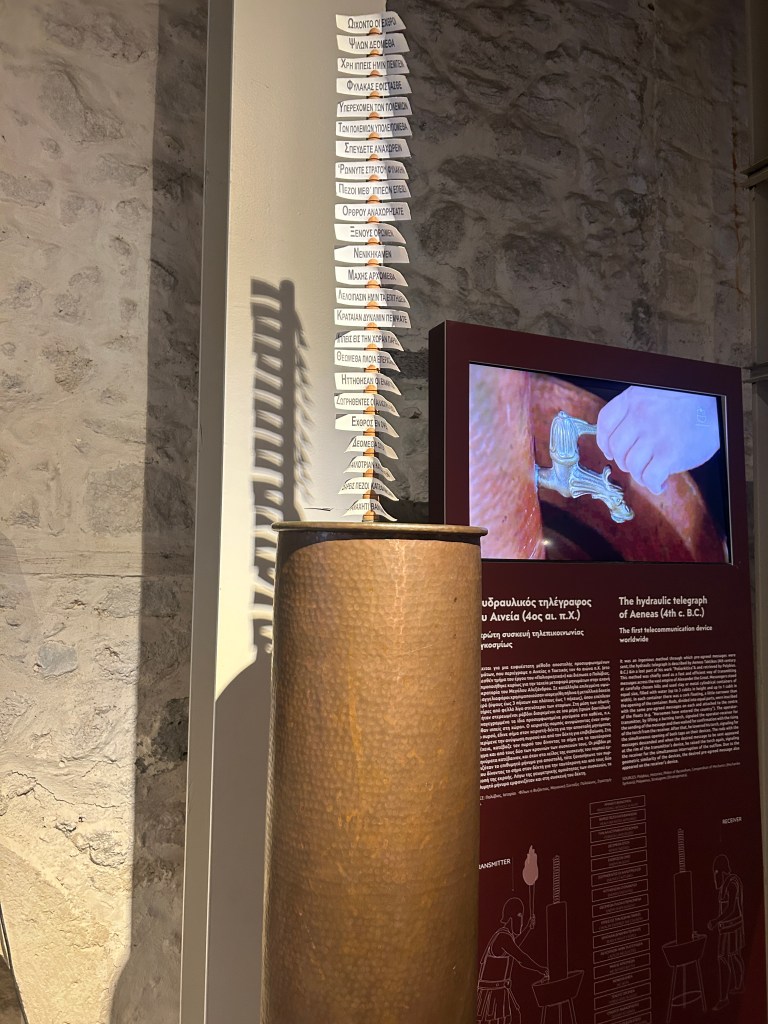
The Hydraulic Telegraph of Aeneas. Apparently telegraphs were not invented in the 1900s.
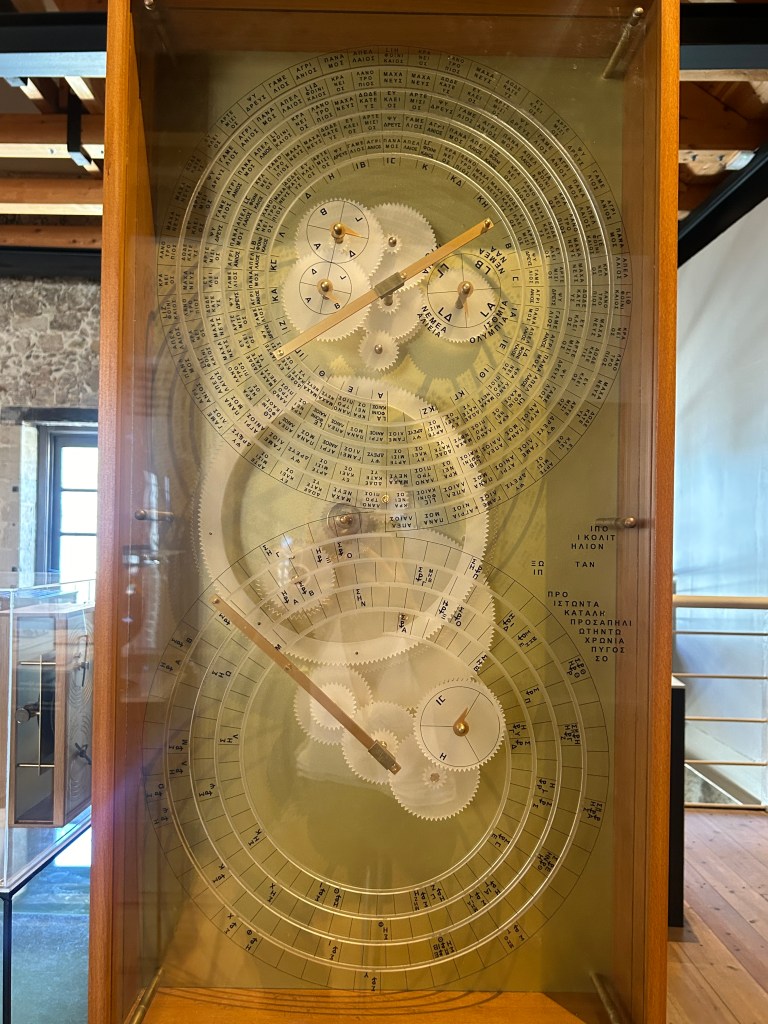
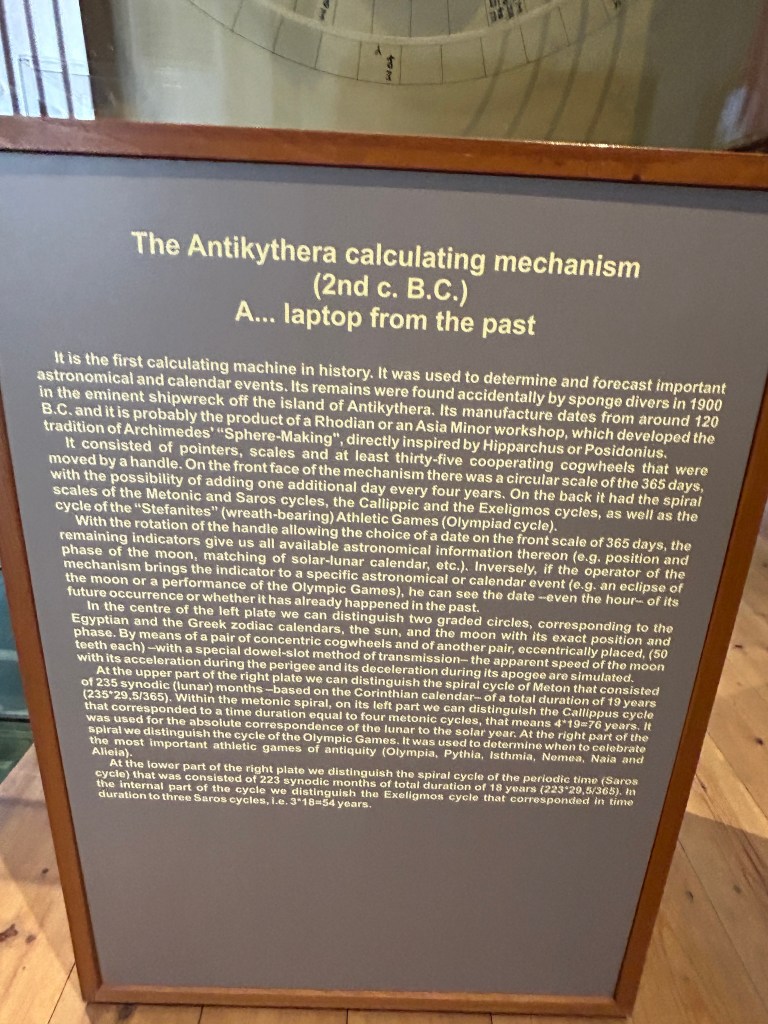
The Antikythera Calculating Mechanism utilised for calculation, forecast and divination.
Self-opening Temple Gates. The automatic opening of temple gates after a sacrifice has taken place. Using heat technology, our ancient friends create the presence of the divine through the opening of temple gates after a sacrifice has taken.
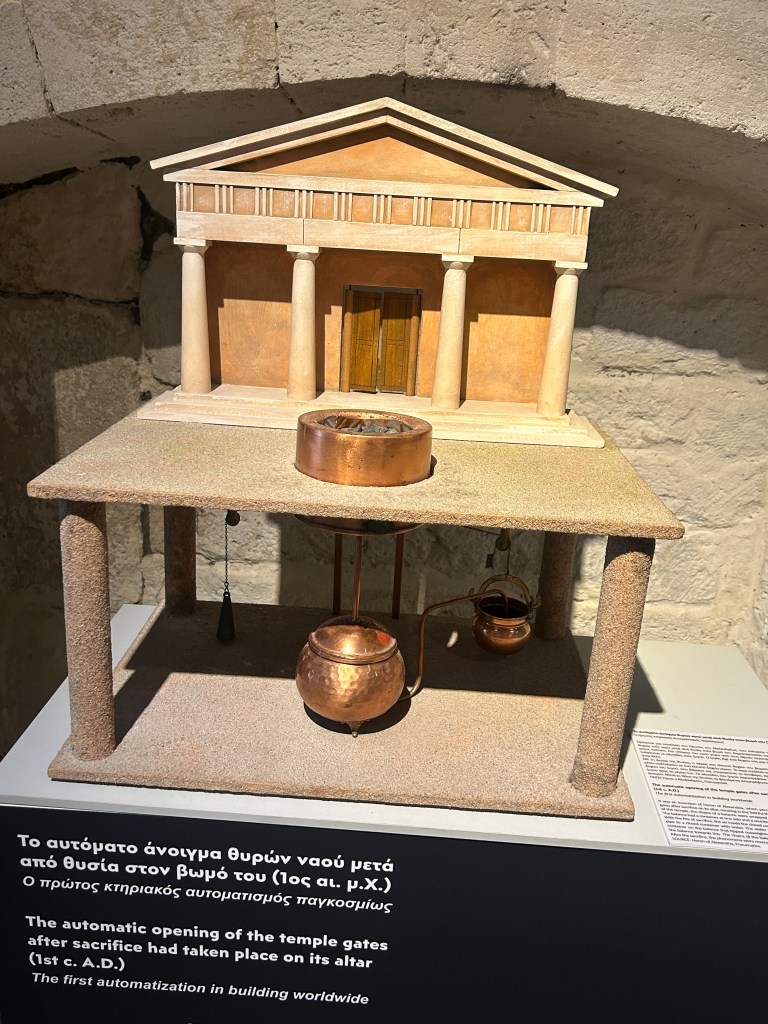
As you can see, technology was as pervasive in antiquity just as it is now in every domain. Science was used in the betterment of lives in the domains of music, theatre, the navy , military, astronomy and religion just to name a few. I will not spoil the fun for you and overshare. Here’s hoping that you will get to experience this wonderful place first hand if you are ever in Greece. There are currently five cities in the country that house this incredible learning hub and you are not limited to the one in Crete where I went to. Post experience, I did feel like I came here to find the past and found the future instead. As the philosophy goes, wisdom is to know what one doesn’t know. I guess I got a little wiser after this museum run. I just don’t know so many things!


Leave a Reply