Perched high above Naples, the Museo di Capodimonte is not the most accessible destination. Reaching it requires a conscious decision and a journey away from the bustling historic centre. Yet, that very effort became part of the experience for me.
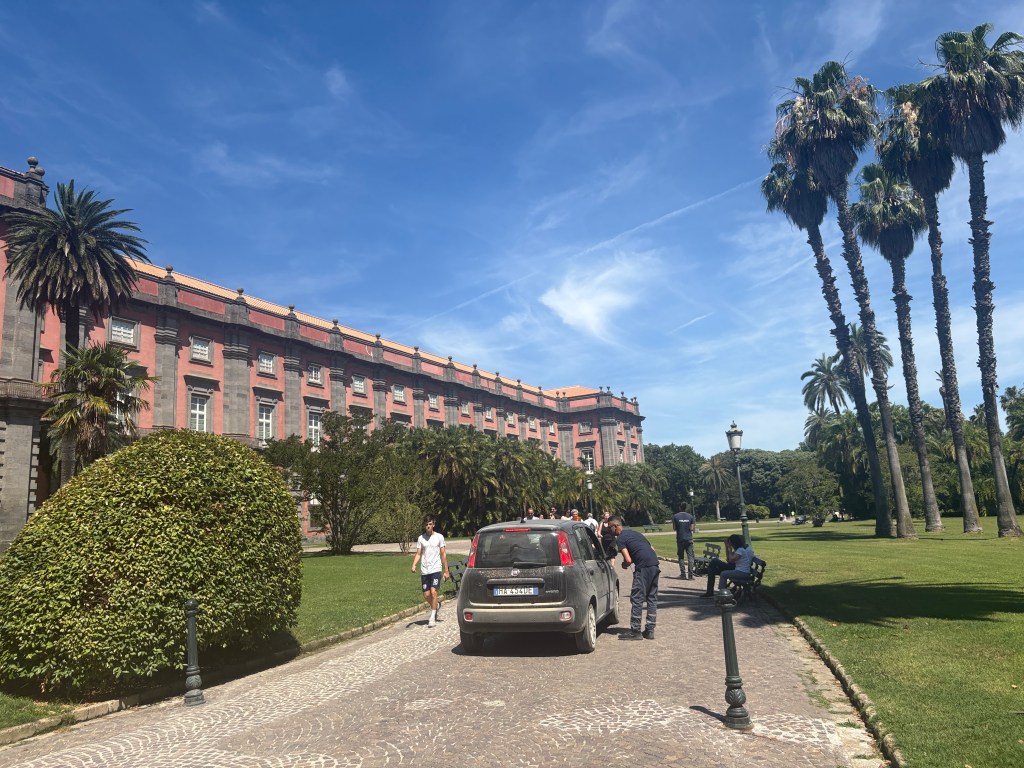
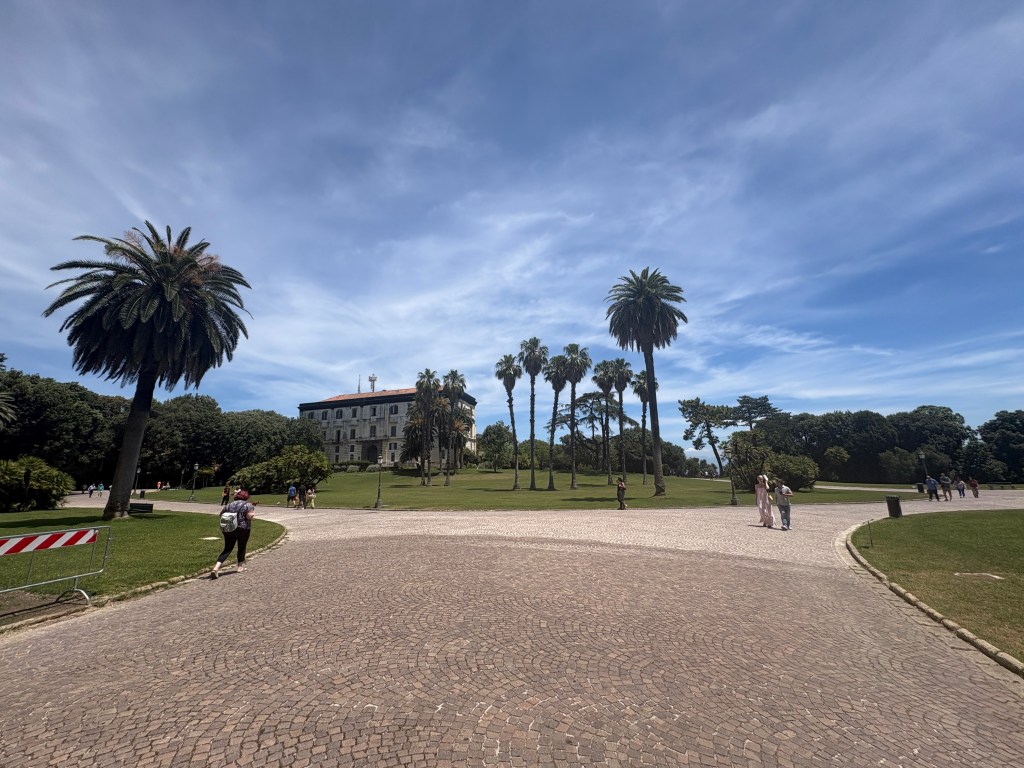
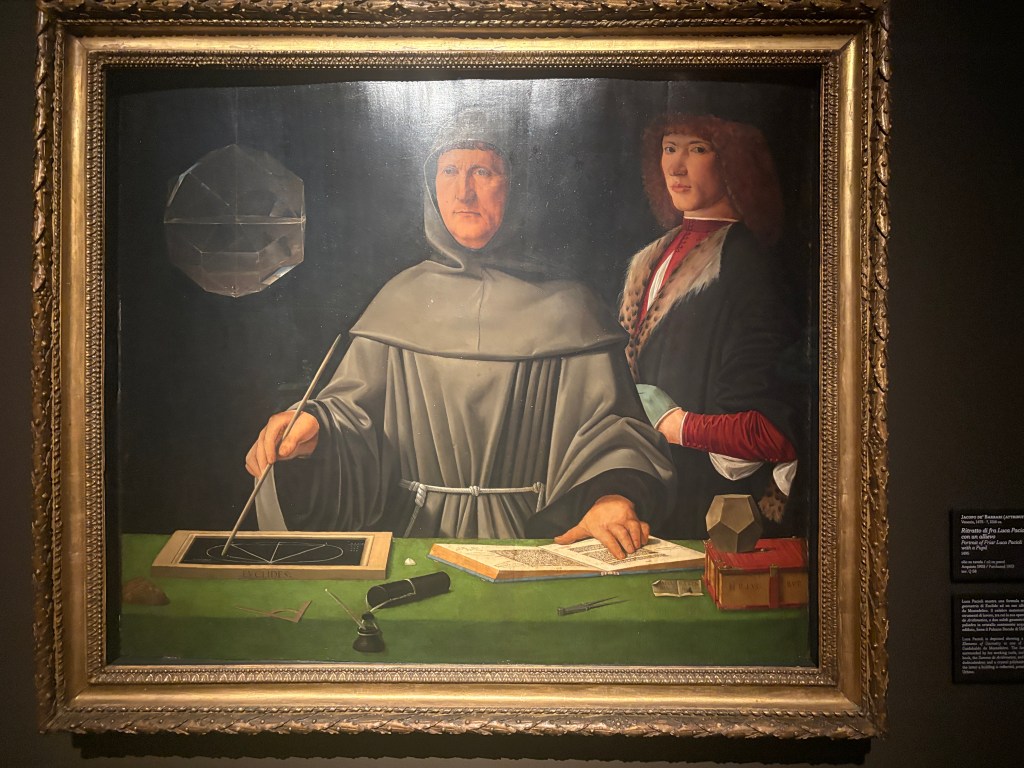
This museum may not be the largest museum in Italy, but it possesses a collection of extraordinary depth. Founded to house the magnificent Farnese Collection, it offers an intimate journey through some of the greatest names of the Italian Renaissance and Baroque.
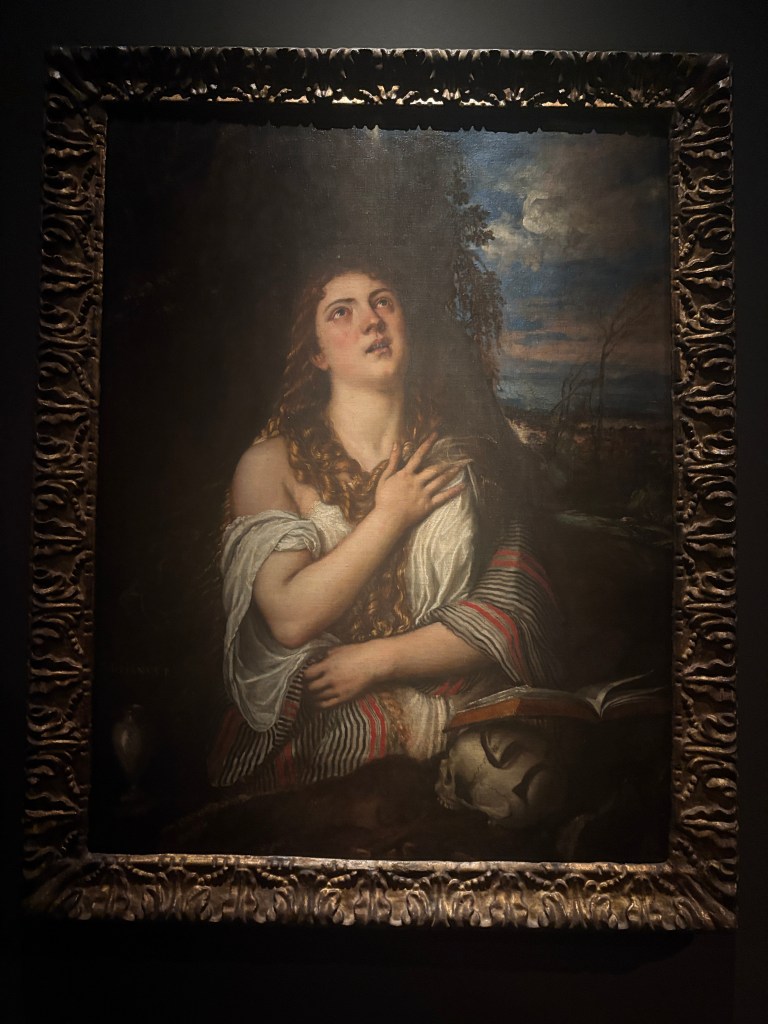
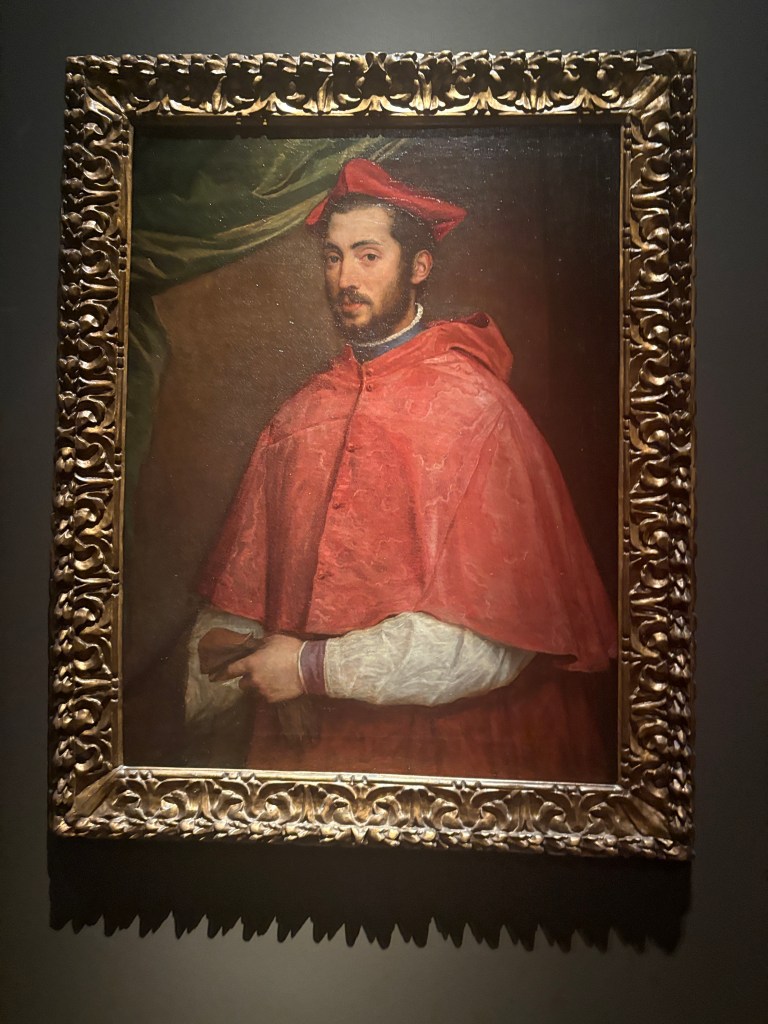
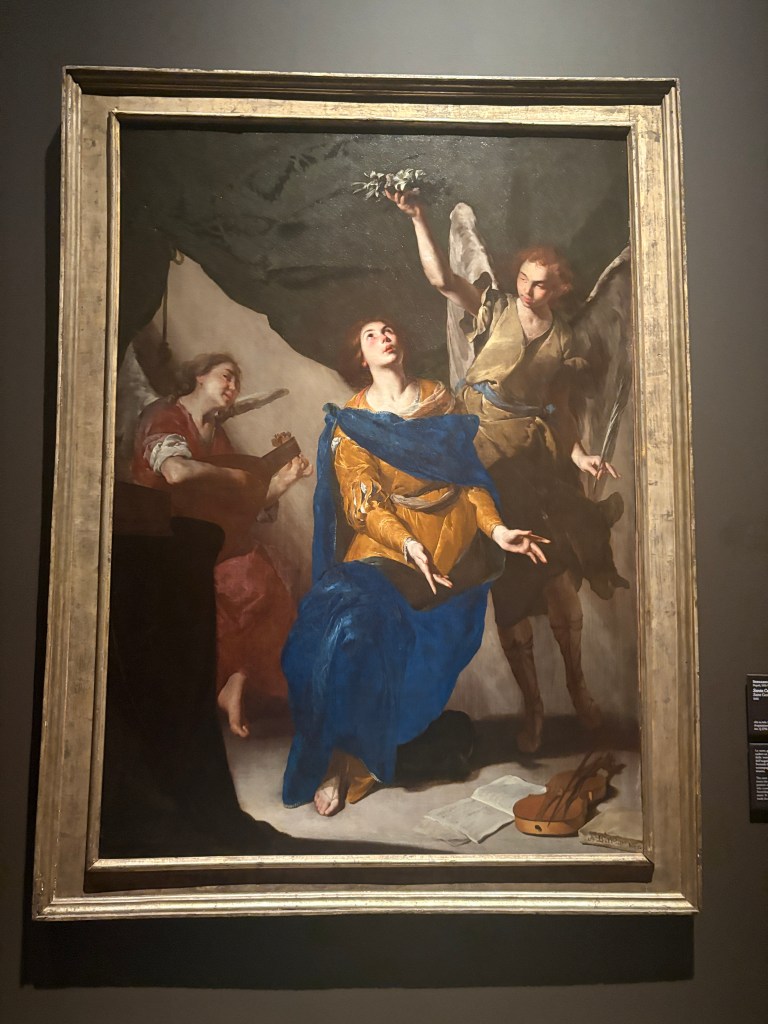
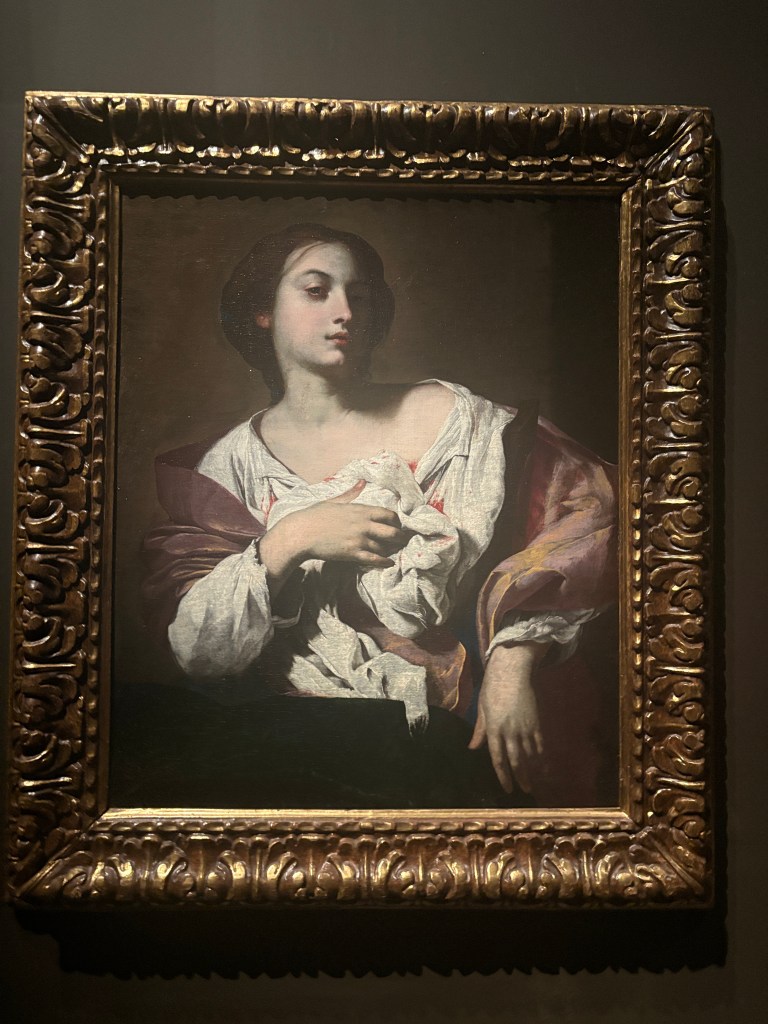
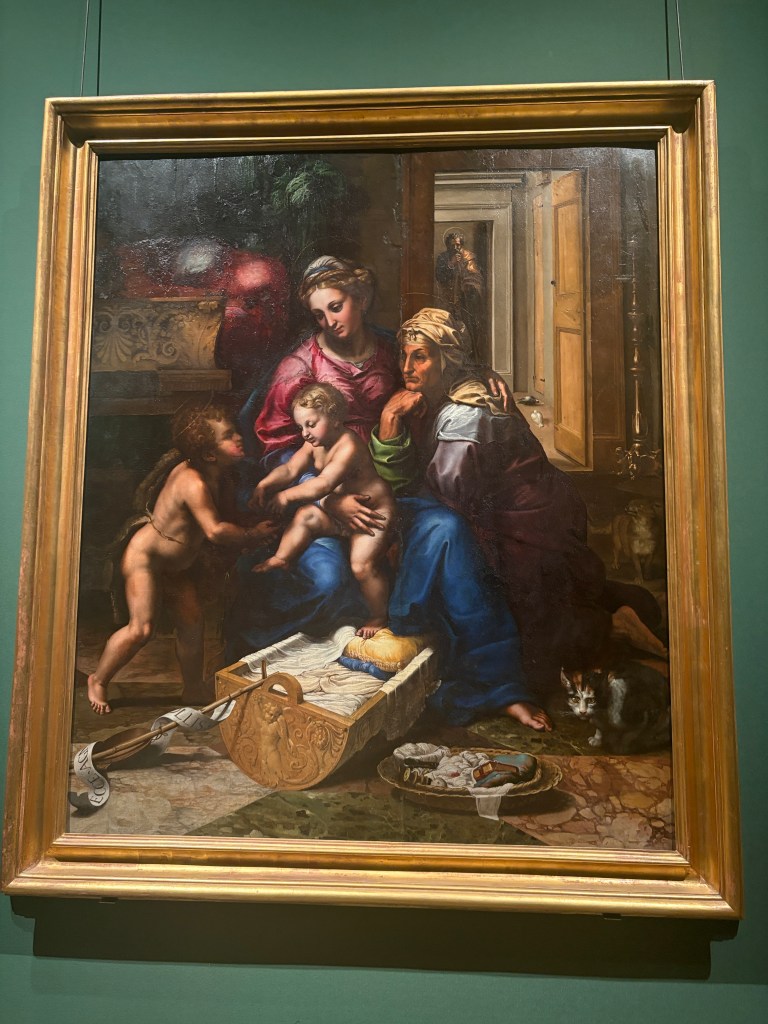
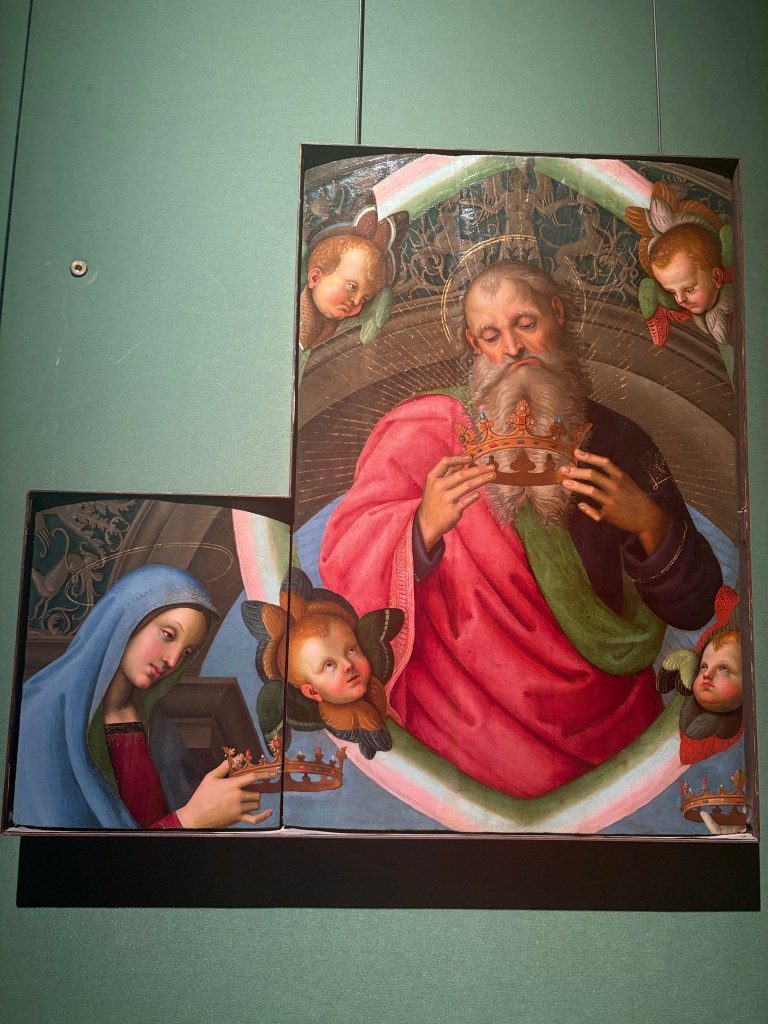
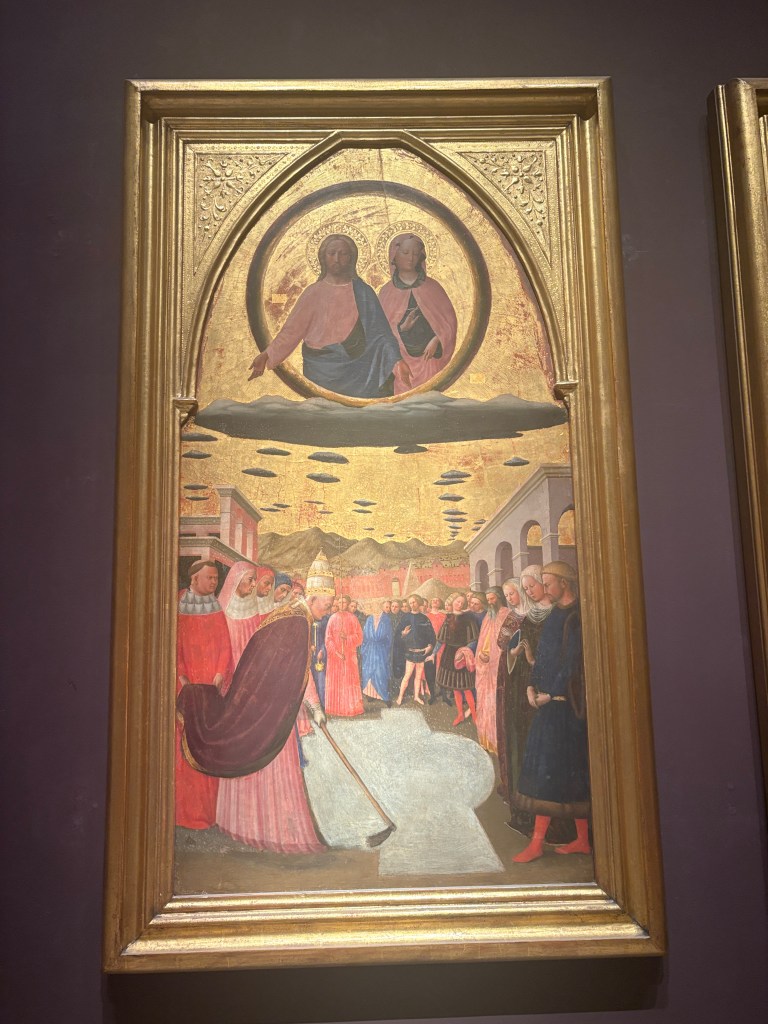
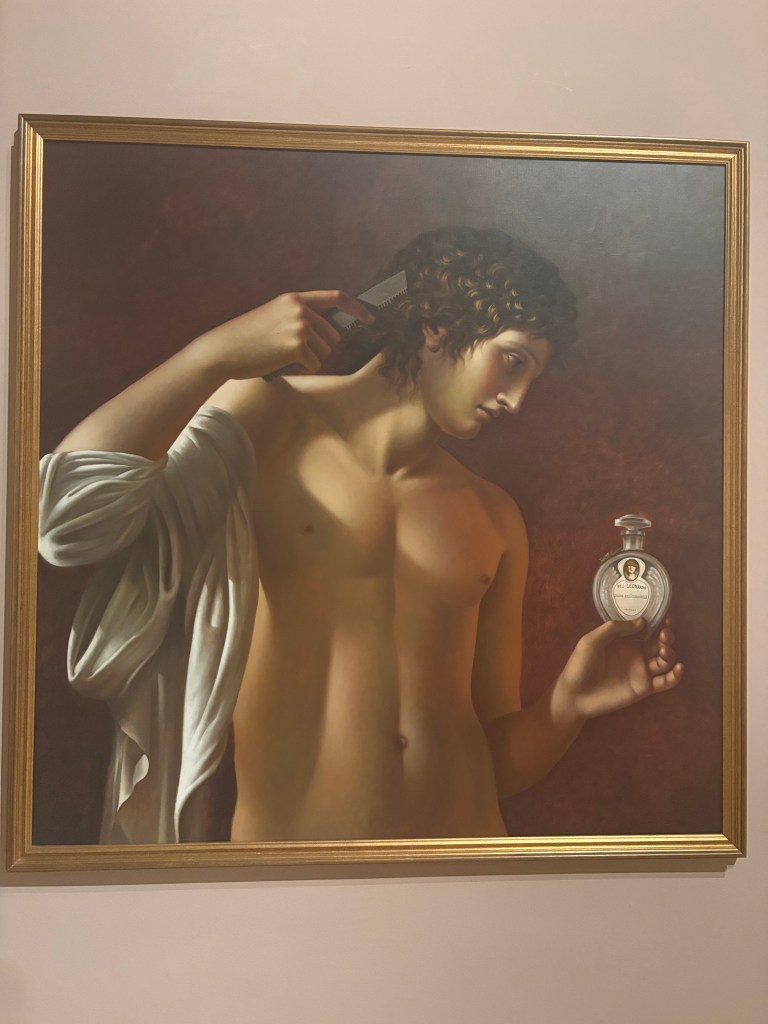
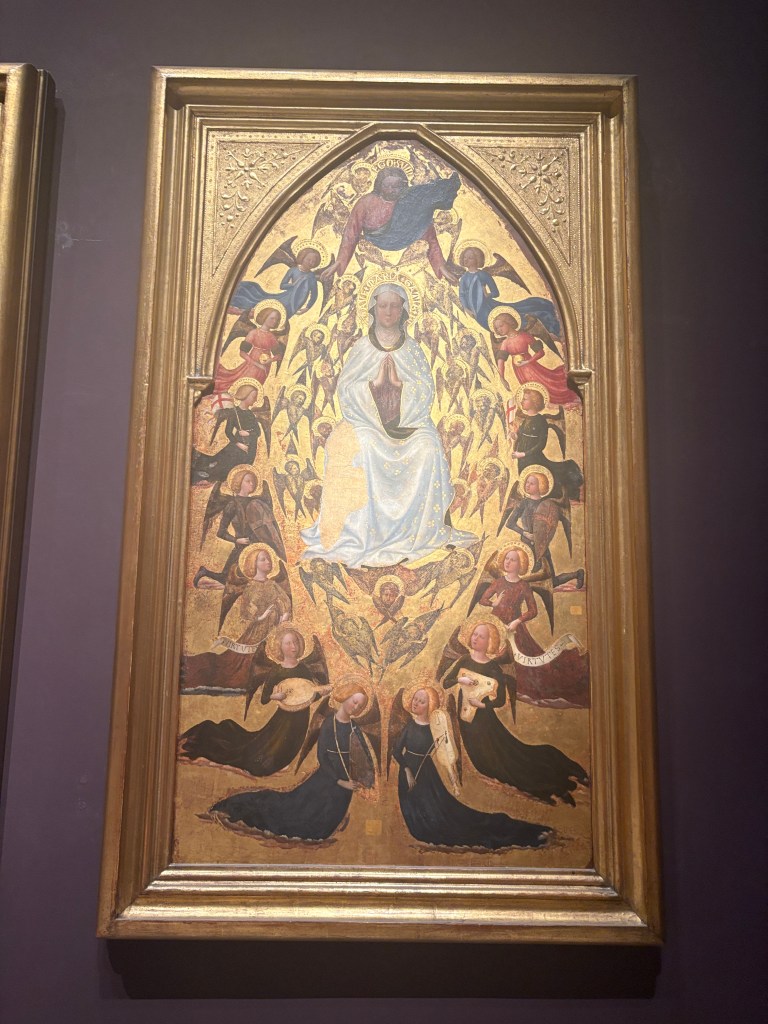
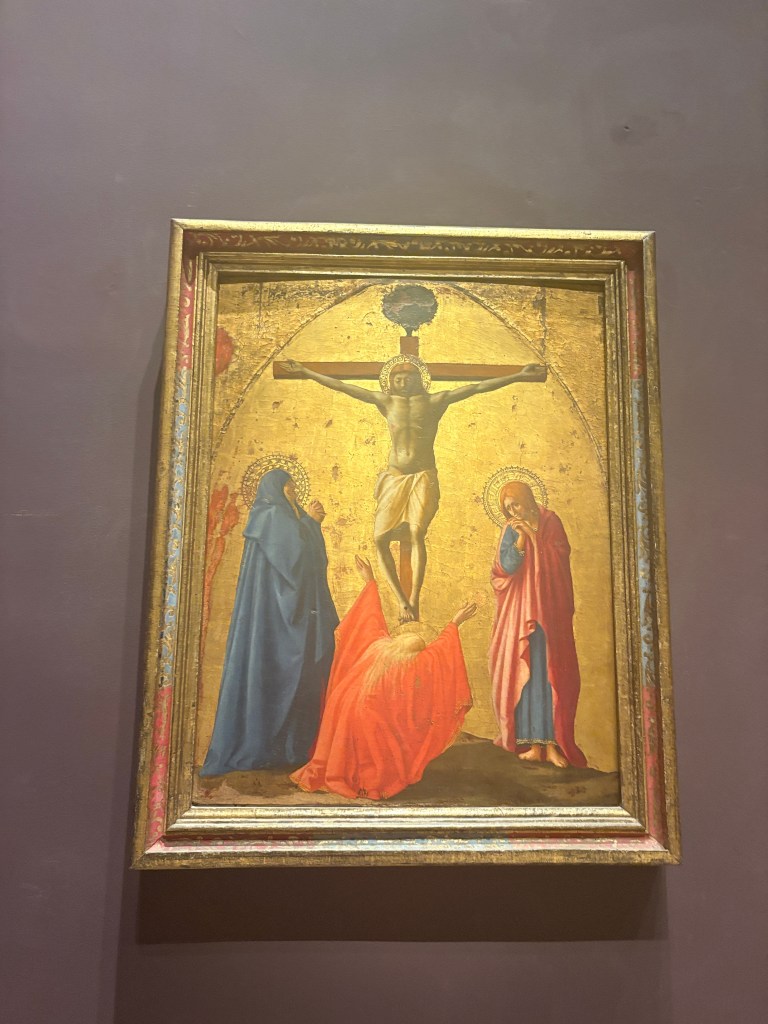
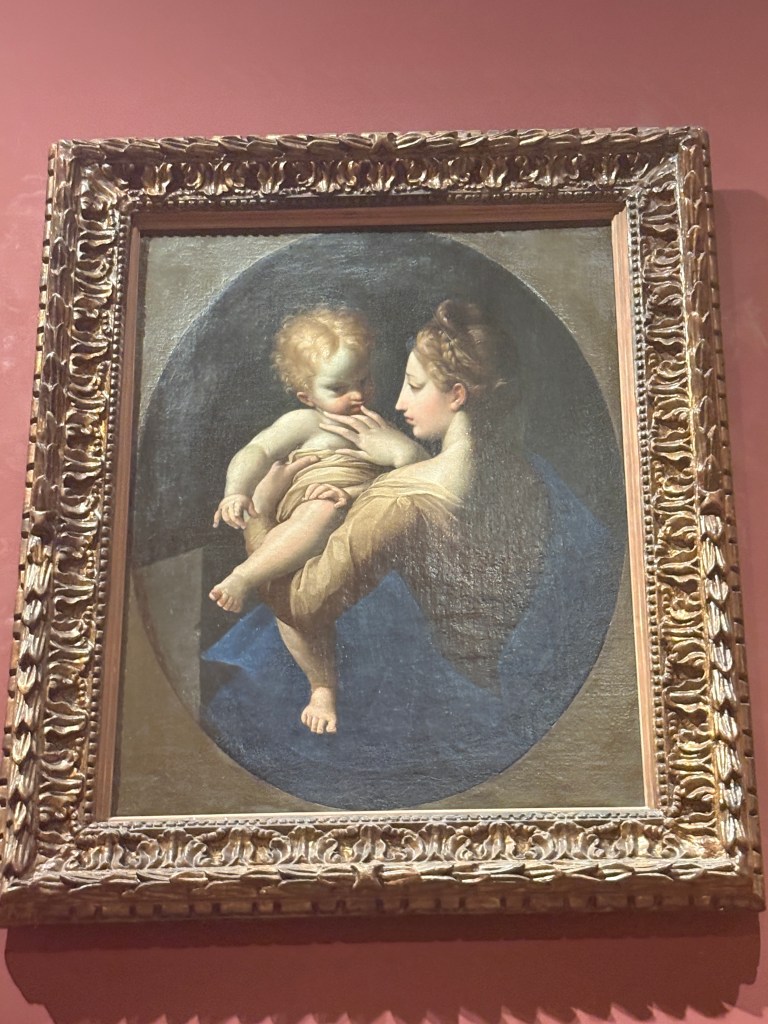
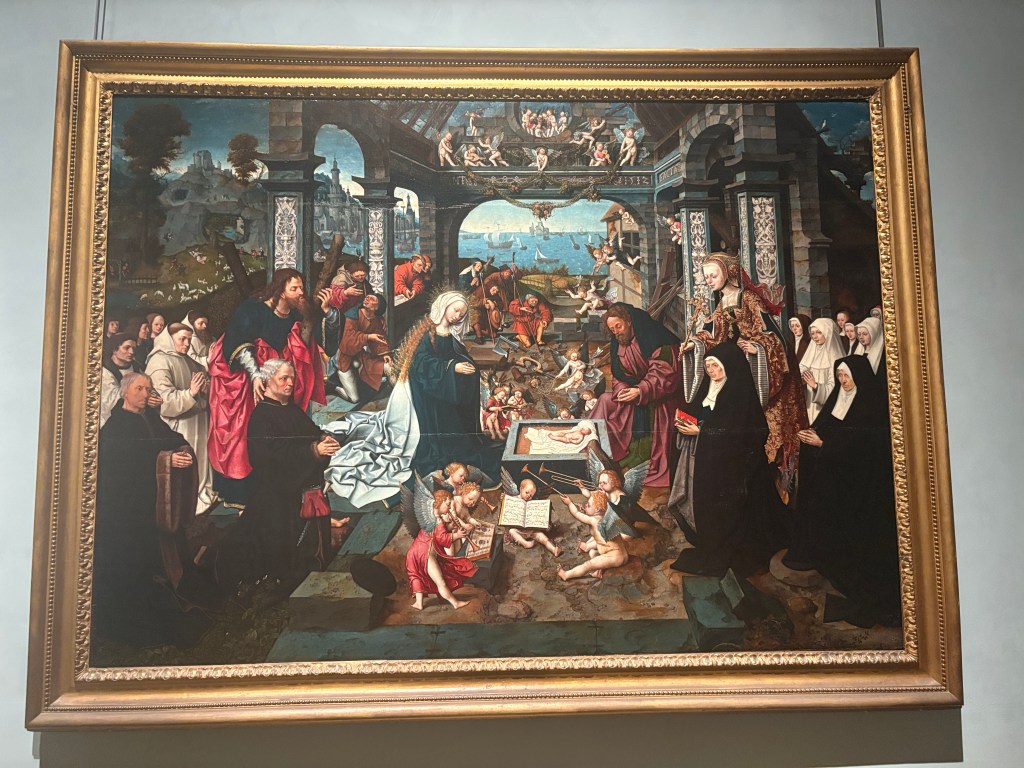
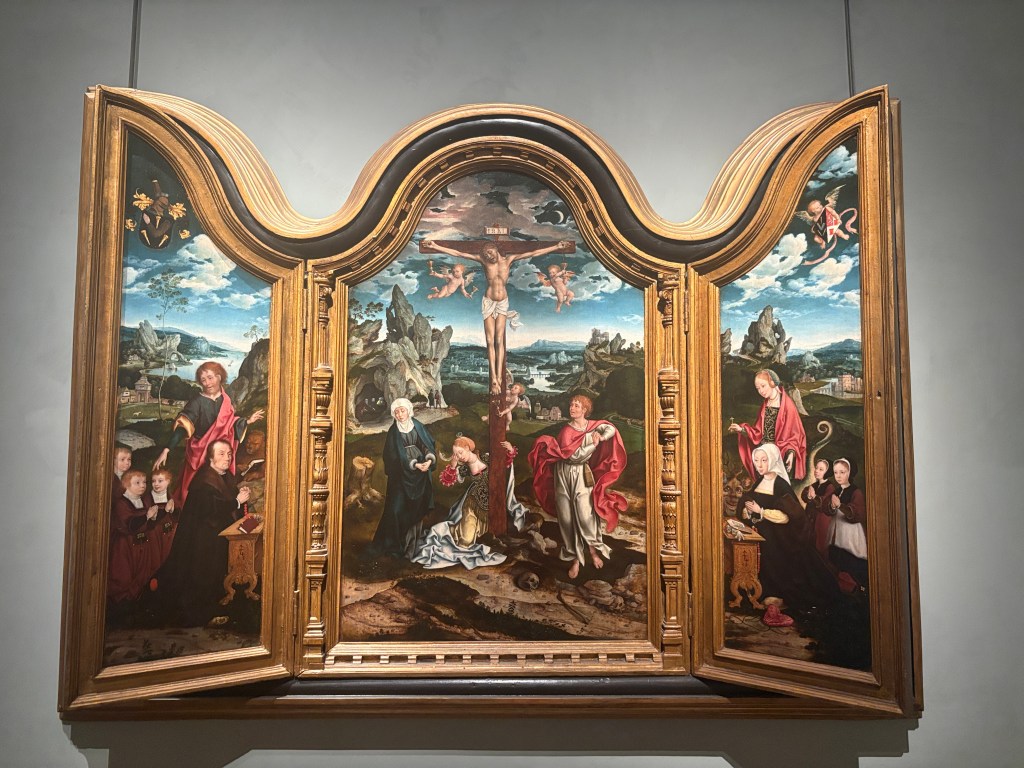
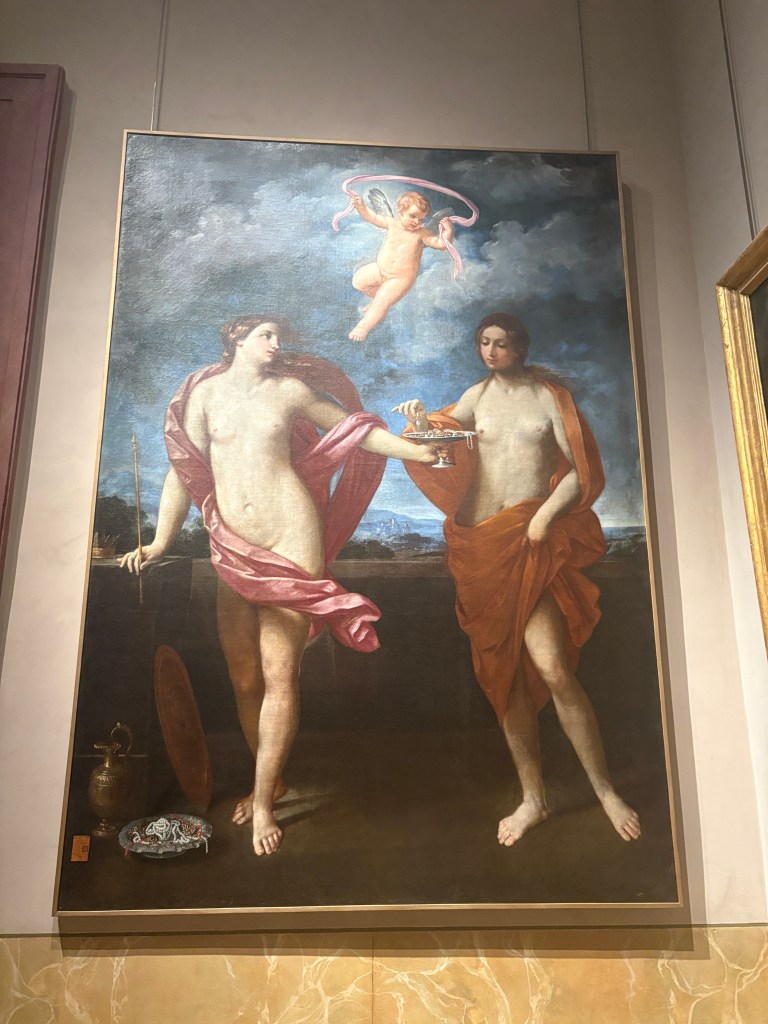
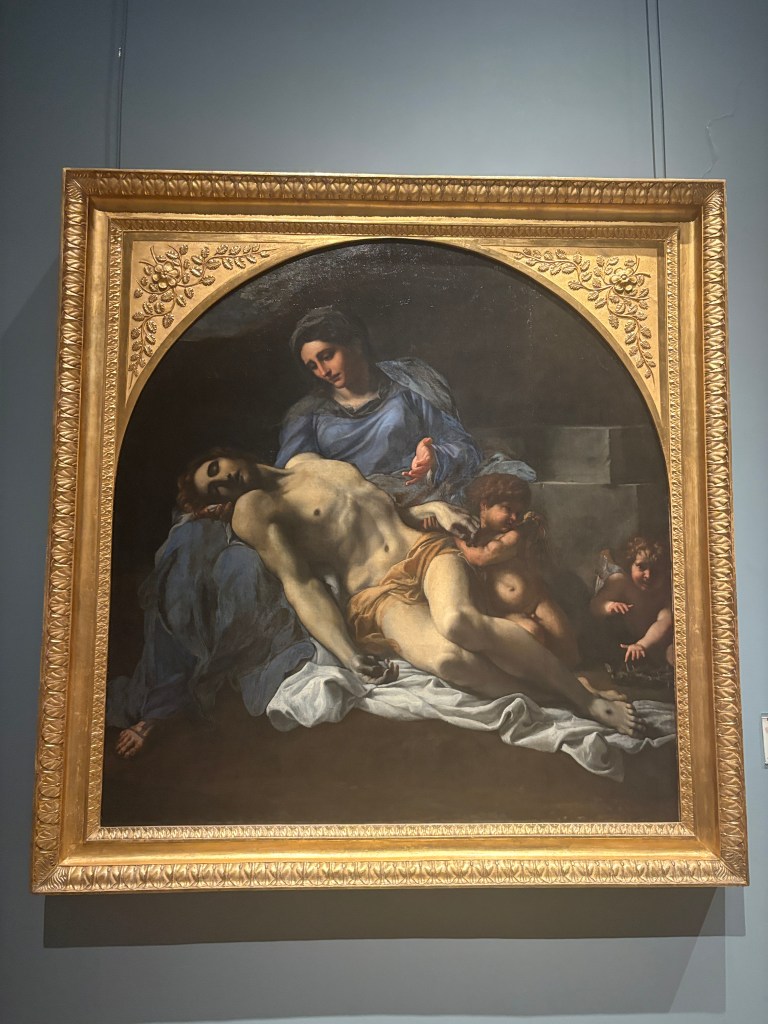
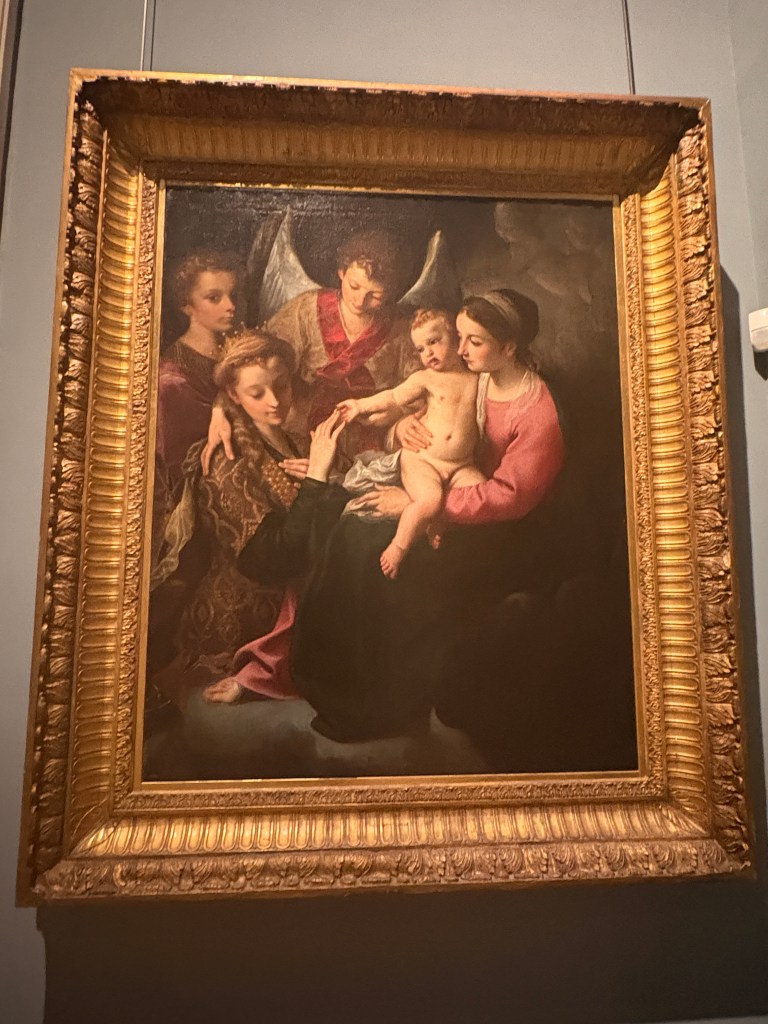
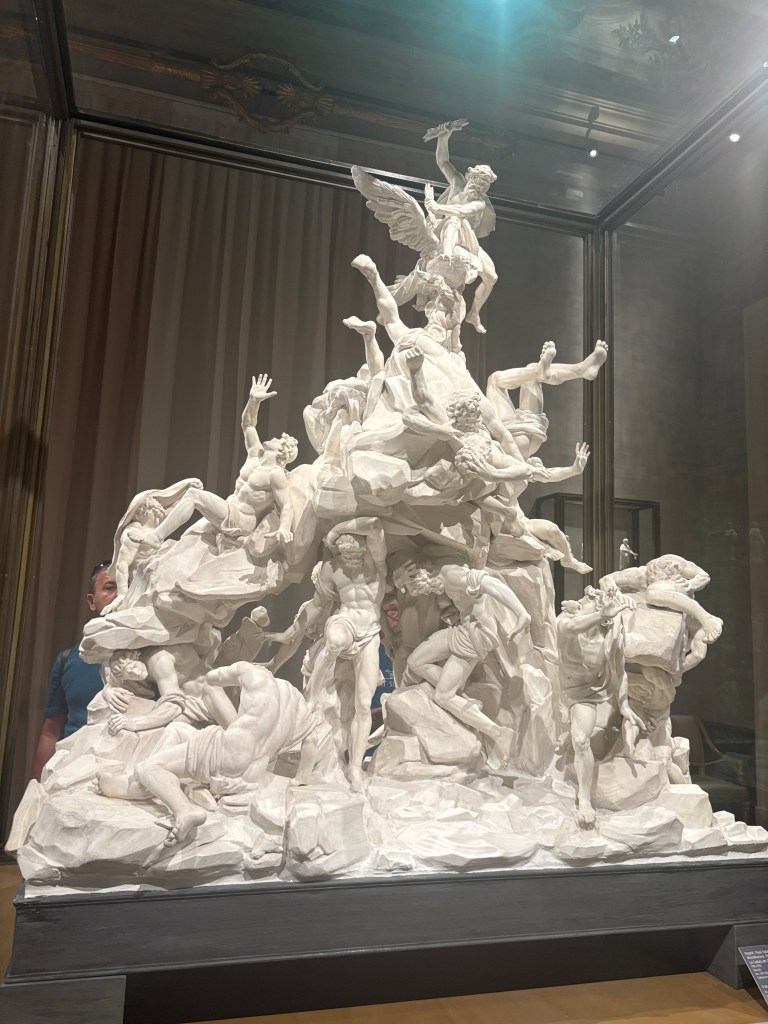
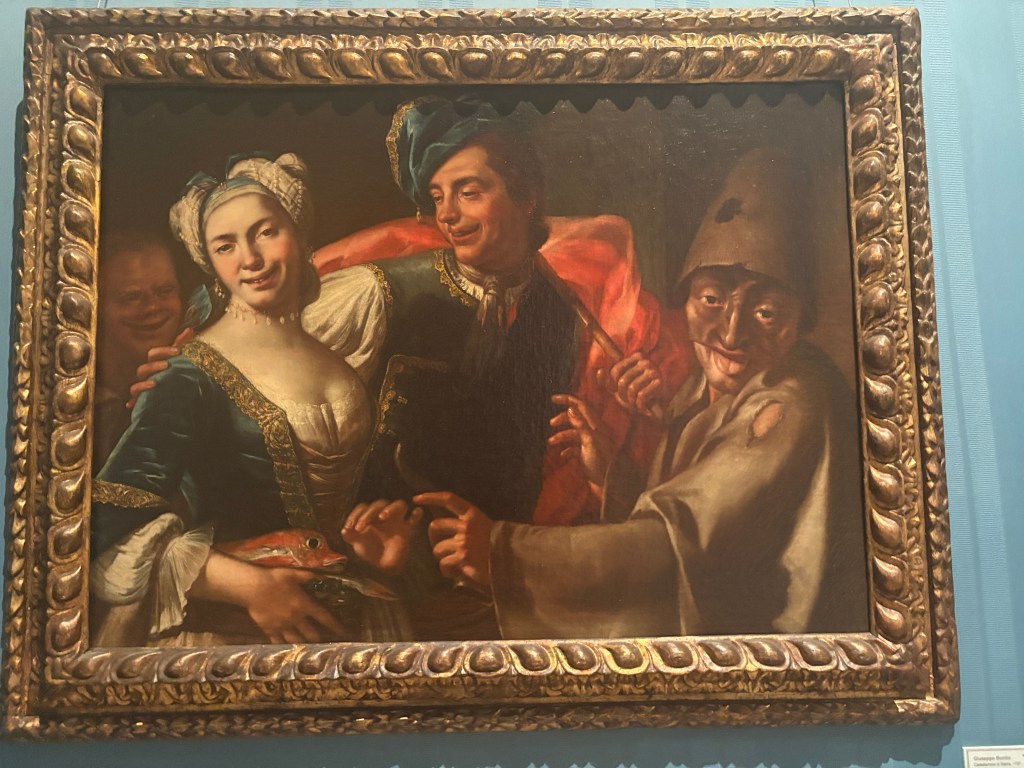
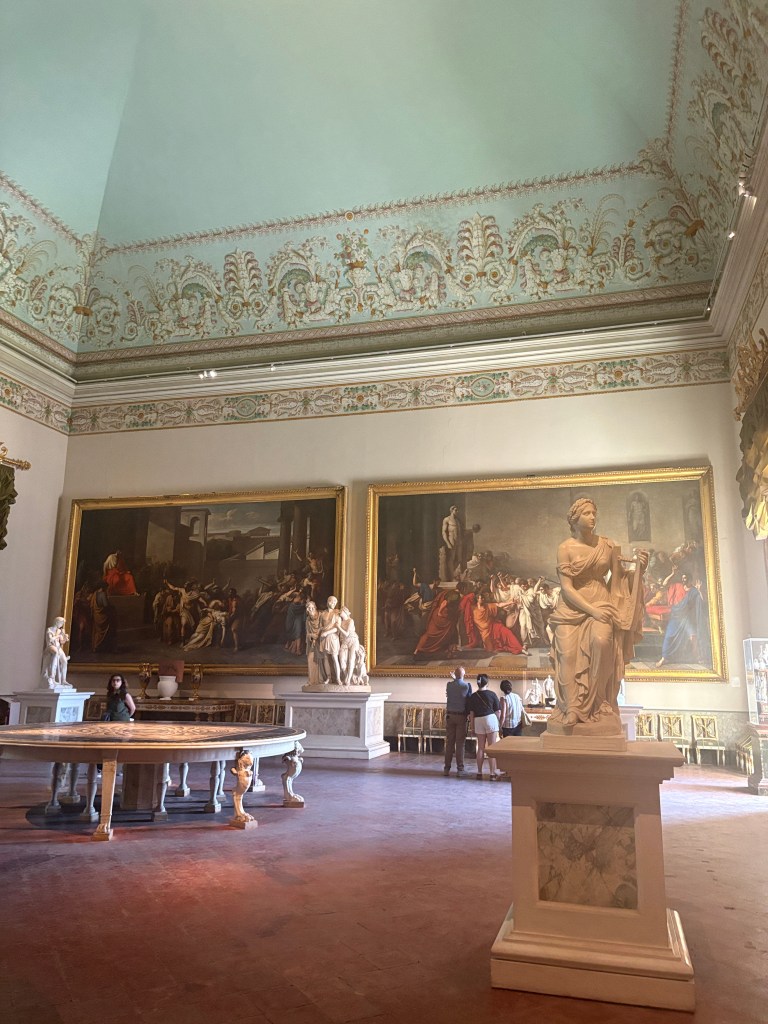
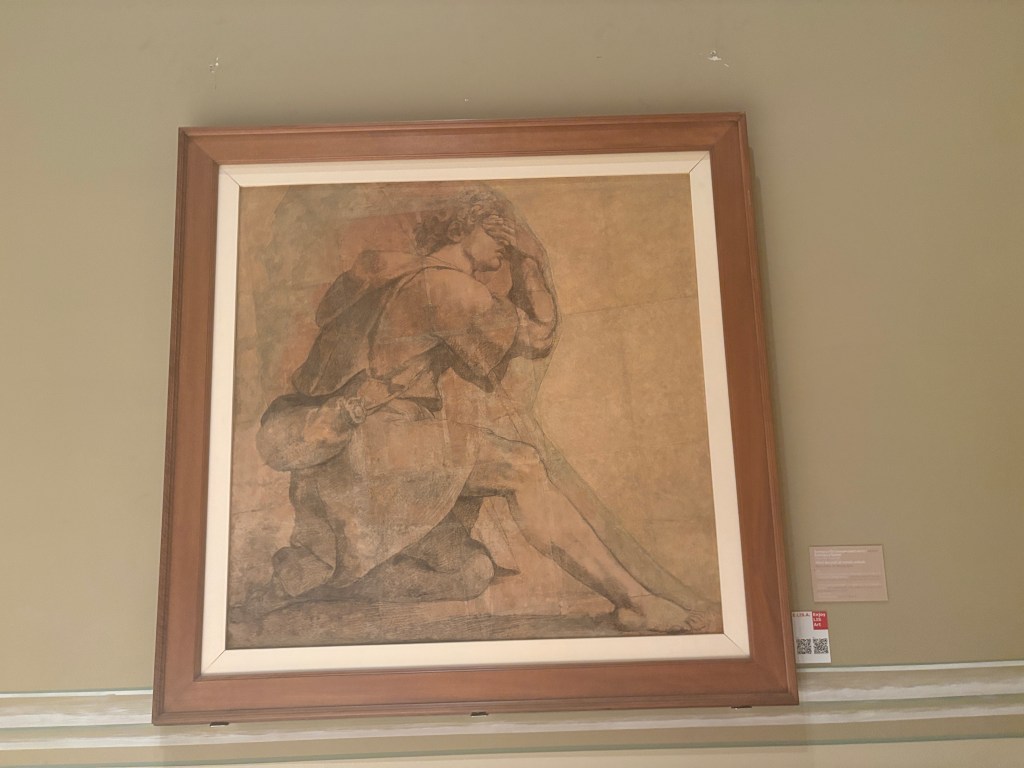
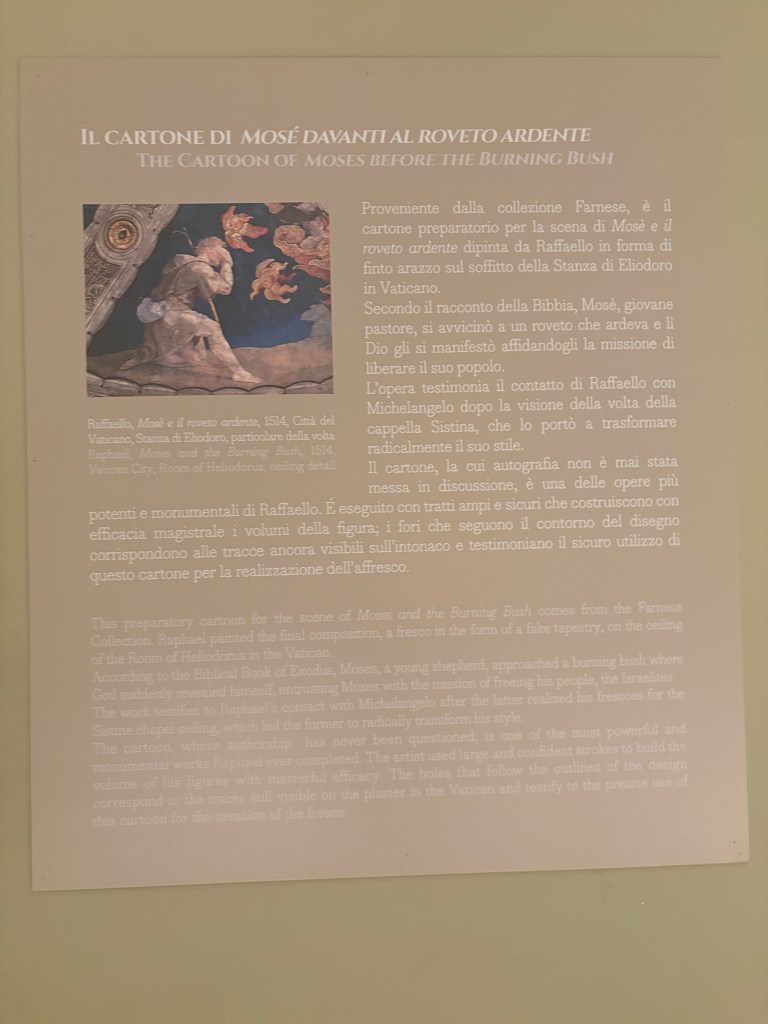
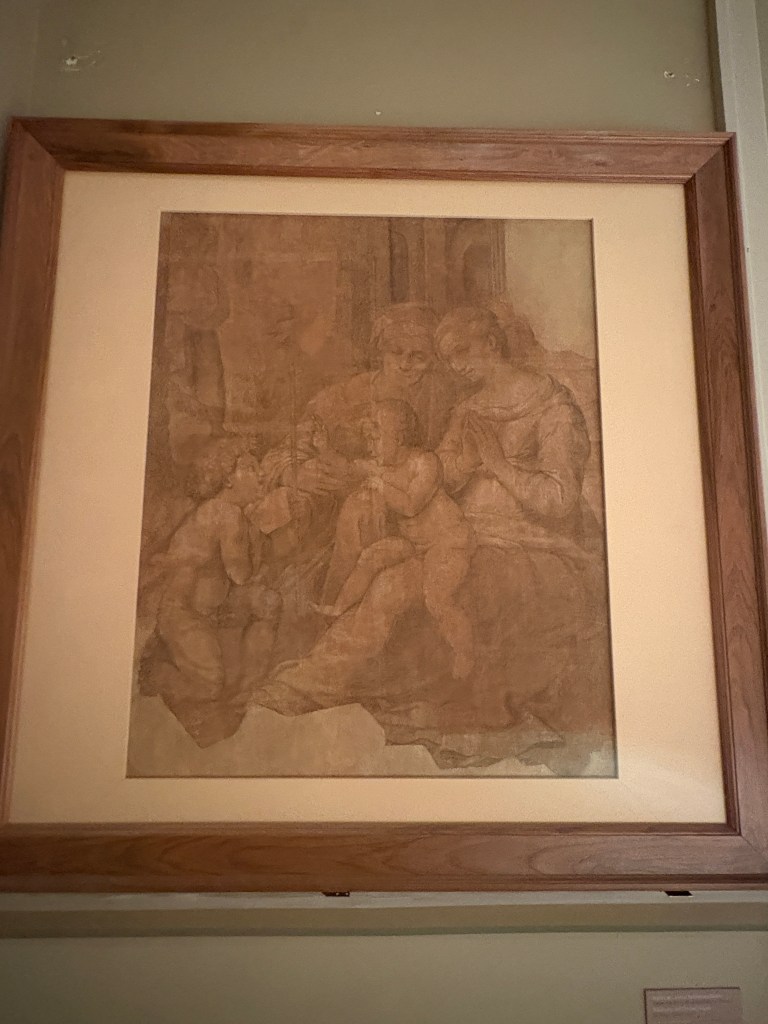
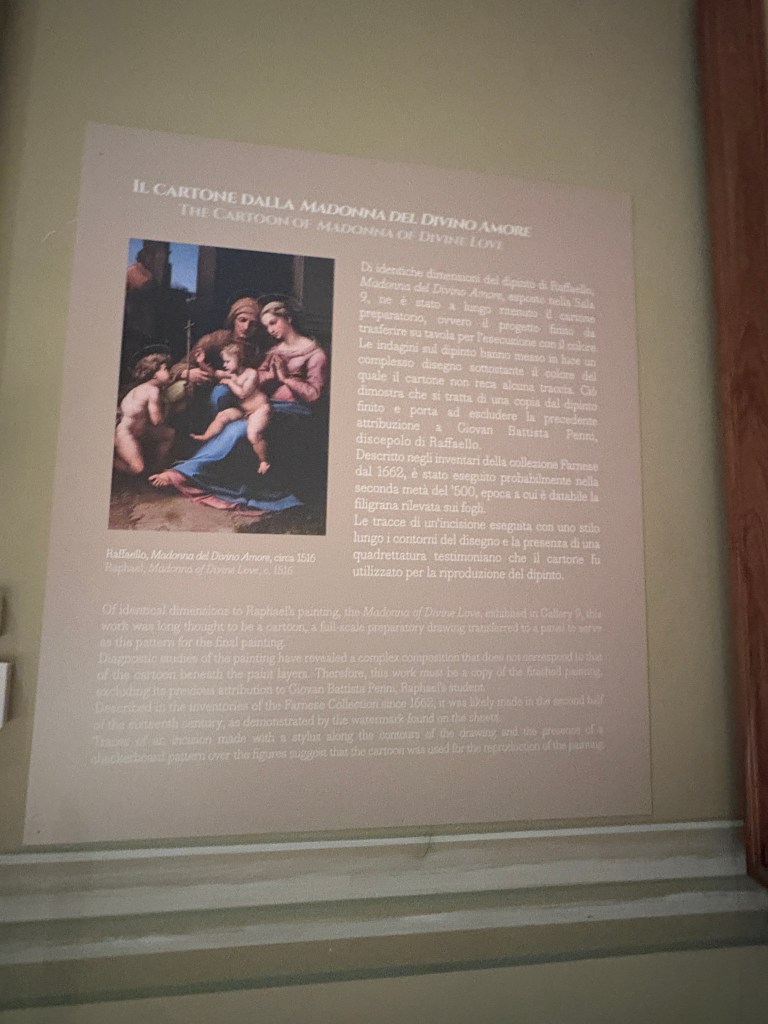
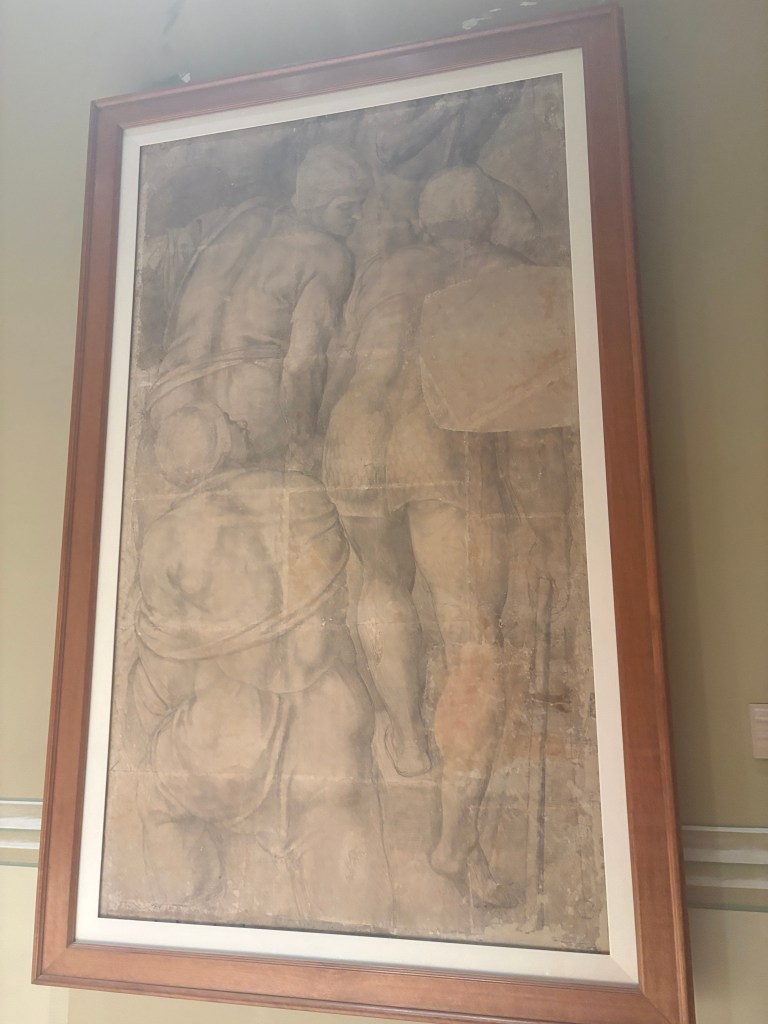
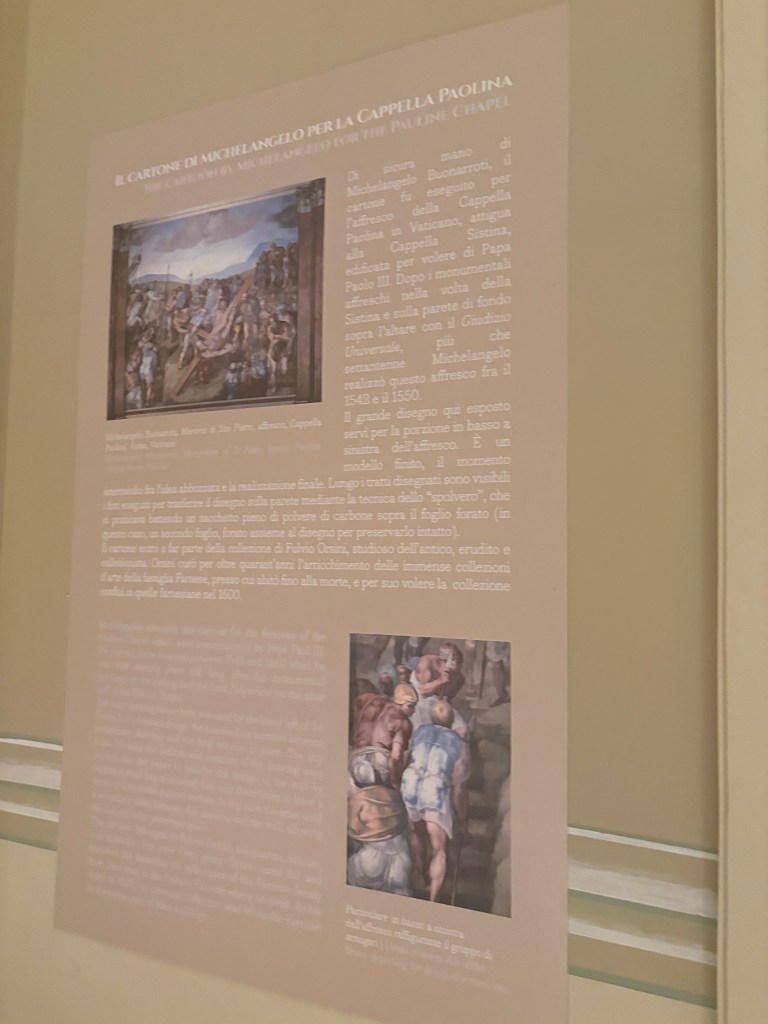
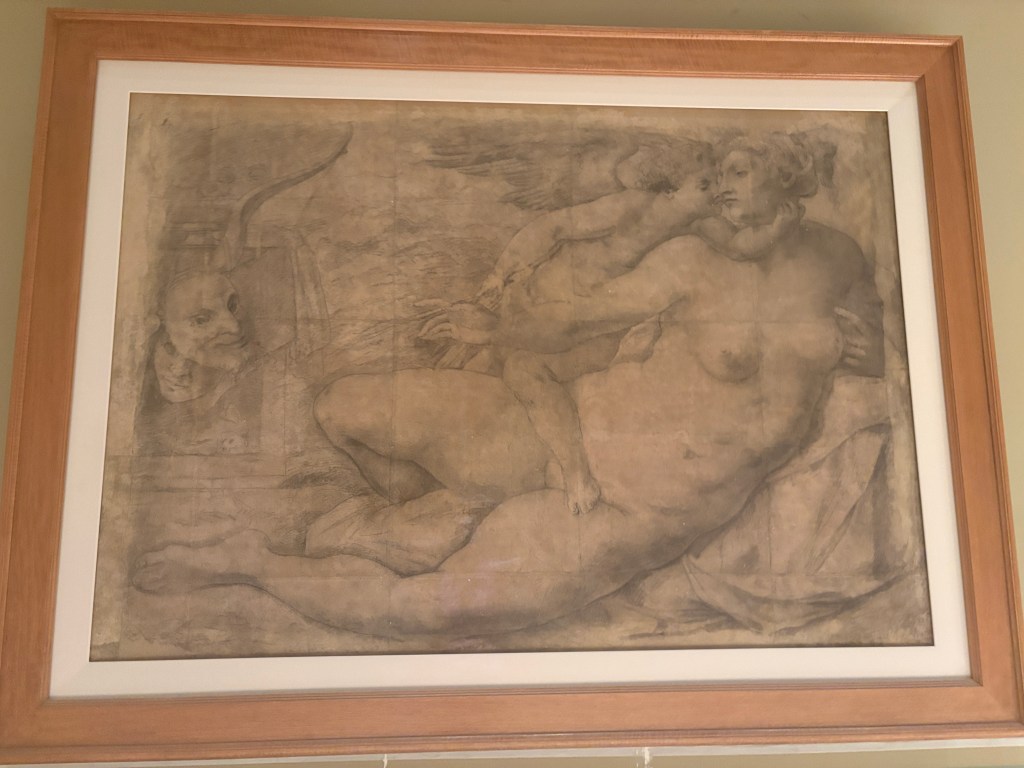
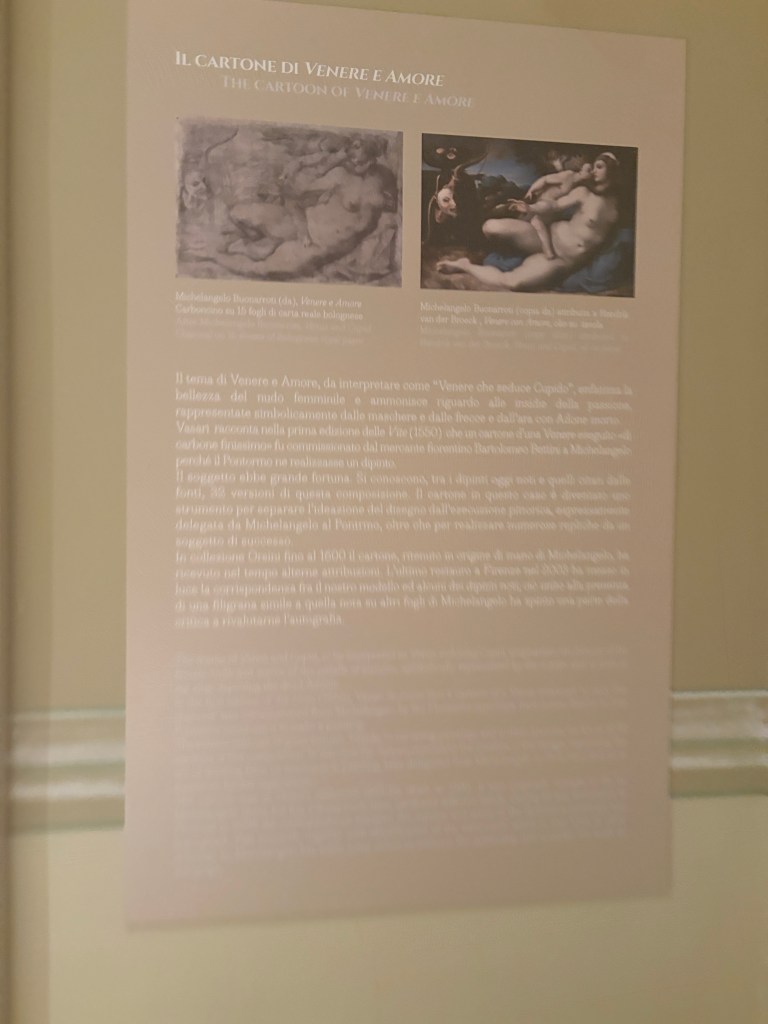
One of the unexpected treasures is the gallery of monumental preparatory cartoons by Raphael and Michelangelo. These are not quick sketches but full-scale working drawings, assembled from dozens of sheets of paper and used to transfer their compositions onto fresco walls in the Vatican. Standing before them, you feel remarkably close to the artists themselves, seeing not only their genius but also their thought process and craftsmanship.
Yet the museum’s greatest gift lies at the end of the journey. Wandering through the Farnese masterpieces feels almost like a pilgrimage, each gallery leading you onward with quiet anticipation. On the second floor, the path culminates in Caravaggio’s The Flagellation of Christ. Positioned at the end of a gallery, the painting commands the space much like a crucifix above a high altar. Bathed in light, it becomes the spiritual heart of the museum. As I approached it, conversation seemed to dissolve into silence. The dramatic chiaroscuro, Christ’s quiet dignity amid suffering, and the overwhelming presence of the original work made the encounter feel almost devotional.
I found myself silently contemplating Christ’s Passion . No reproduction, lecture, or textbook had prepared me for that moment. Seeing the brushstrokes of my favourite artist in person was both humbling and deeply moving. It reminded me why Caravaggio continues to captivate me—not only for his technical brilliance, but for his ability to make sacred stories feel profoundly human.
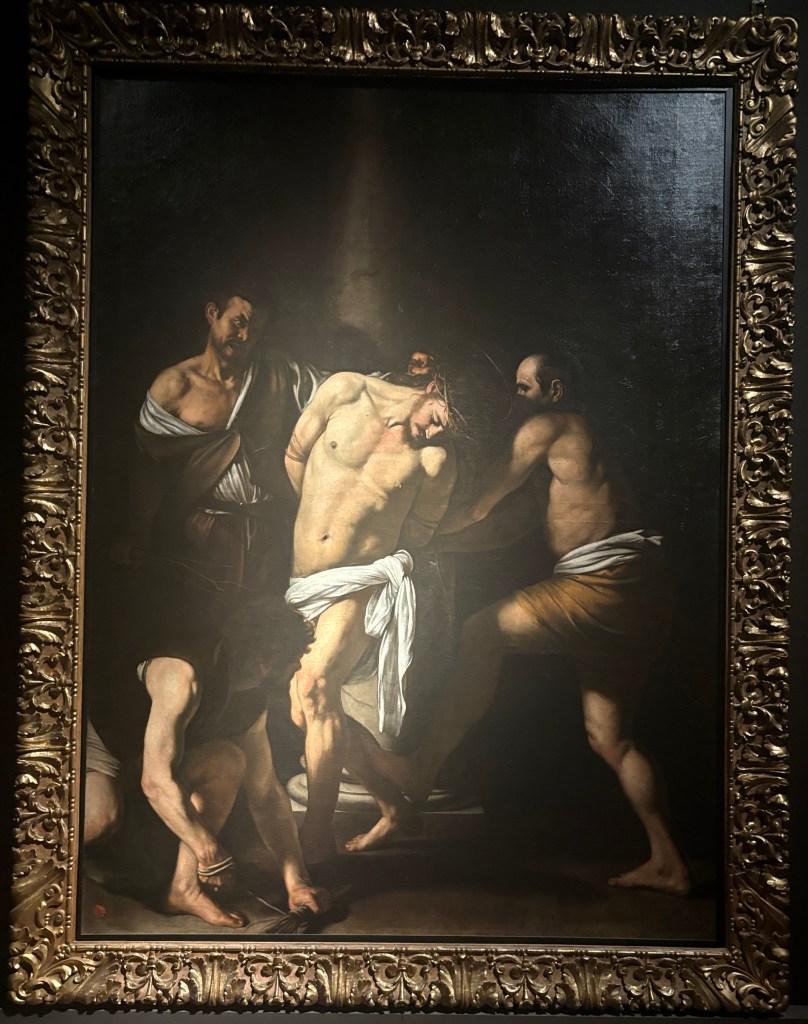
Some works of art are admired; others are experienced. For me, The Flagellation of Christ belonged firmly to the latter.


Leave a Reply